
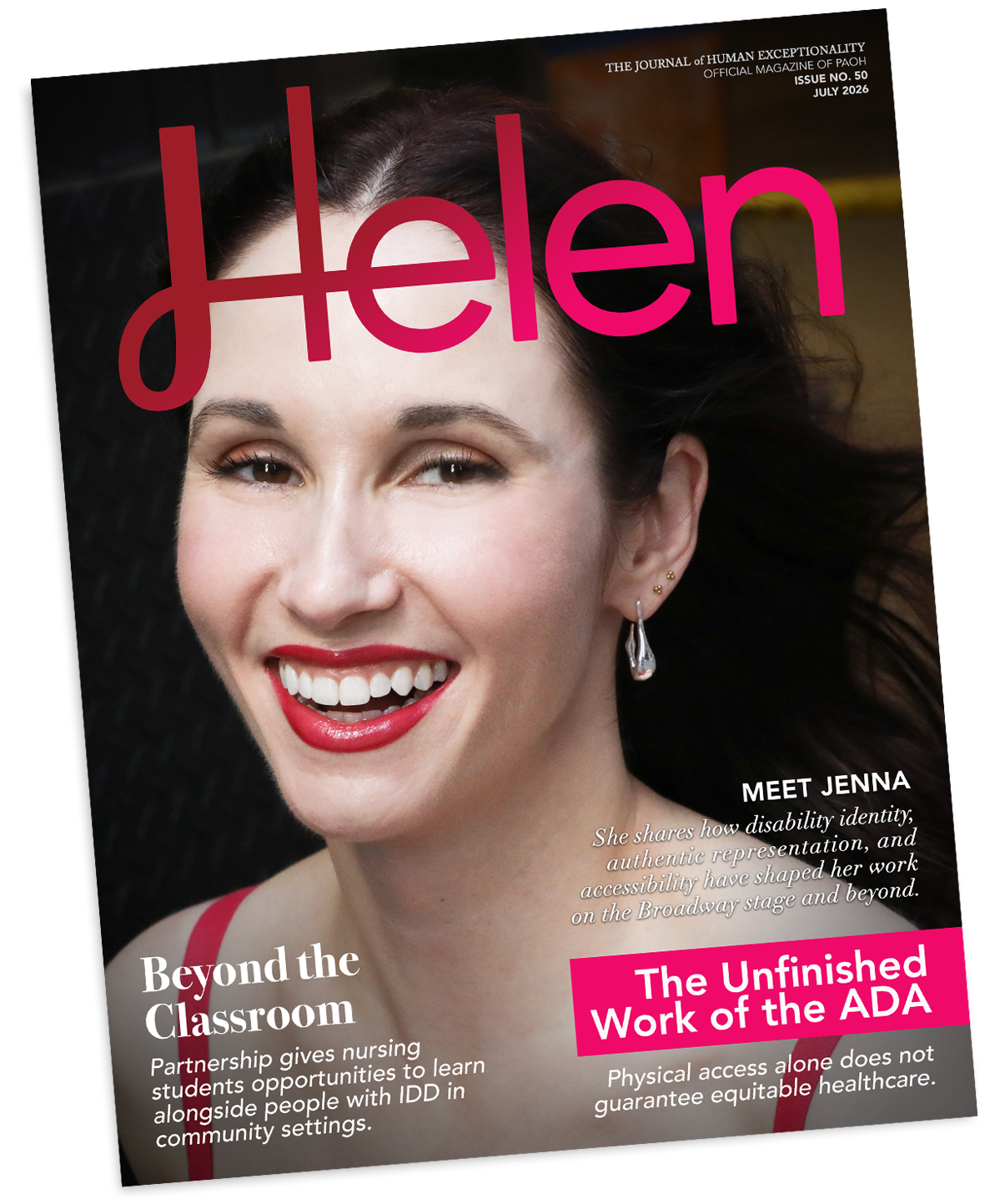
Cover Photo: Rick Guidotti, Positive ExposureJuly 2026
Our July cover features Jenna Bainbridge, a Broadway actor, disability rights advocate, and founder of ConsultAbility, a nonprofit helping arts institutions become more accessible onstage, backstage, and in the audience.
July is Disability Pride Month.
As the first wheelchair user to play Nessa Rose in Wicked on Broadway, Jenna is helping change who gets to be seen, heard, and celebrated in the stories we tell. Her work reminds us that access, representation, and belonging are not extras—they are essential.
Read Jenna’s story and learn how she is changing the script on disability, theater, and inclusion.
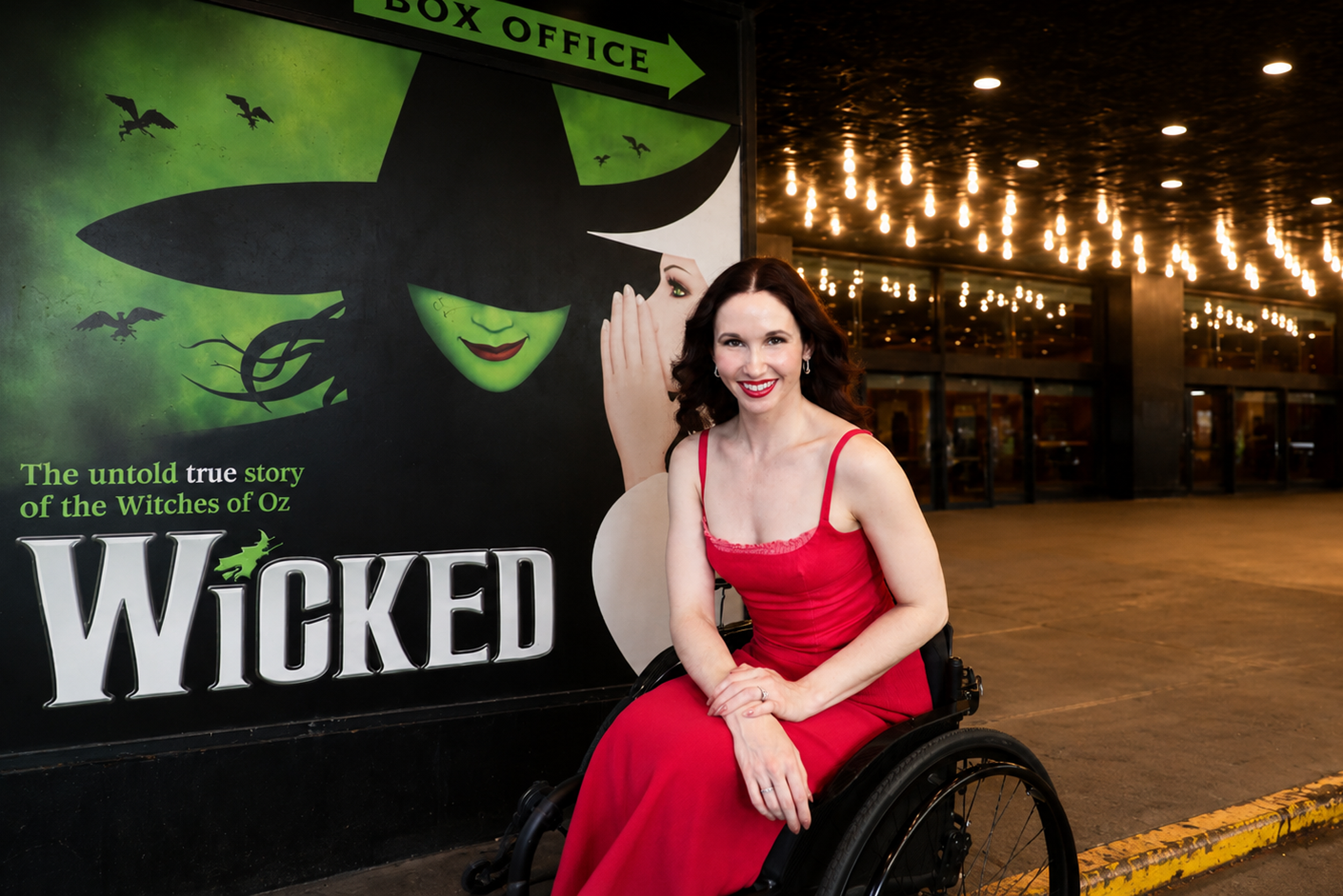
Interview with Jenna Bainbridge
Craig Escudé, MD, FAAFP, FAADM
Broadway actor, disability rights advocate, and Consultability founder Jenna Bainbridge shares how disability identity, authentic representation, and meaningful accessibility have shaped her work onstage and beyond. Her conversation with Dr. Craig Escudé challenges arts organizations to move beyond compliance toward true inclusion.
President’s Message
Dr. Steve Perlman reflects on the loss of a longtime patient with Down syndrome and the enduring lessons of a life shared over more than four decades. His message honors the advocates and clinicians working to improve care, dignity, and support for aging adults with Down syndrome.

I’ll have mine rare please
Dr. Rick Rader
Using a conversation about steak as an unexpected starting point, Dr. Rick Rader explores what “rare” means for the millions of people living with rare diseases. The essay highlights the complexity of rare conditions and the power of community, advocacy, and shared strength.

When Treatment Affects Intimacy
Mary Pittaway, MA, RDN
Medication-related sexual dysfunction can be an overlooked cause of behavioral or mood changes in people with intellectual and developmental disabilities. This article outlines why routine sexual-health screening and careful medication review matter, particularly for people taking SSRIs, antipsychotics, opioids, or multiple medications.

Sensory Rooms That Work
David Cox, EdD, MBA
Multi-sensory environments can help healthcare settings better support people with varied sensory needs, but effective design requires more than a calming room. This article explores clinical goals, accessibility, safety, infection control, staff training, and evaluation needed to make sensory spaces meaningful and sustainable.

Venture Capitalist Eugenics Is Coming
Stephanie Meredith, DrPH
A new embryo gene-editing technology has reignited urgent questions about safety, disability, and the risk of a modern eugenics movement. This commentary examines why ethical conversations must include disability advocates before scientific possibility becomes social policy.
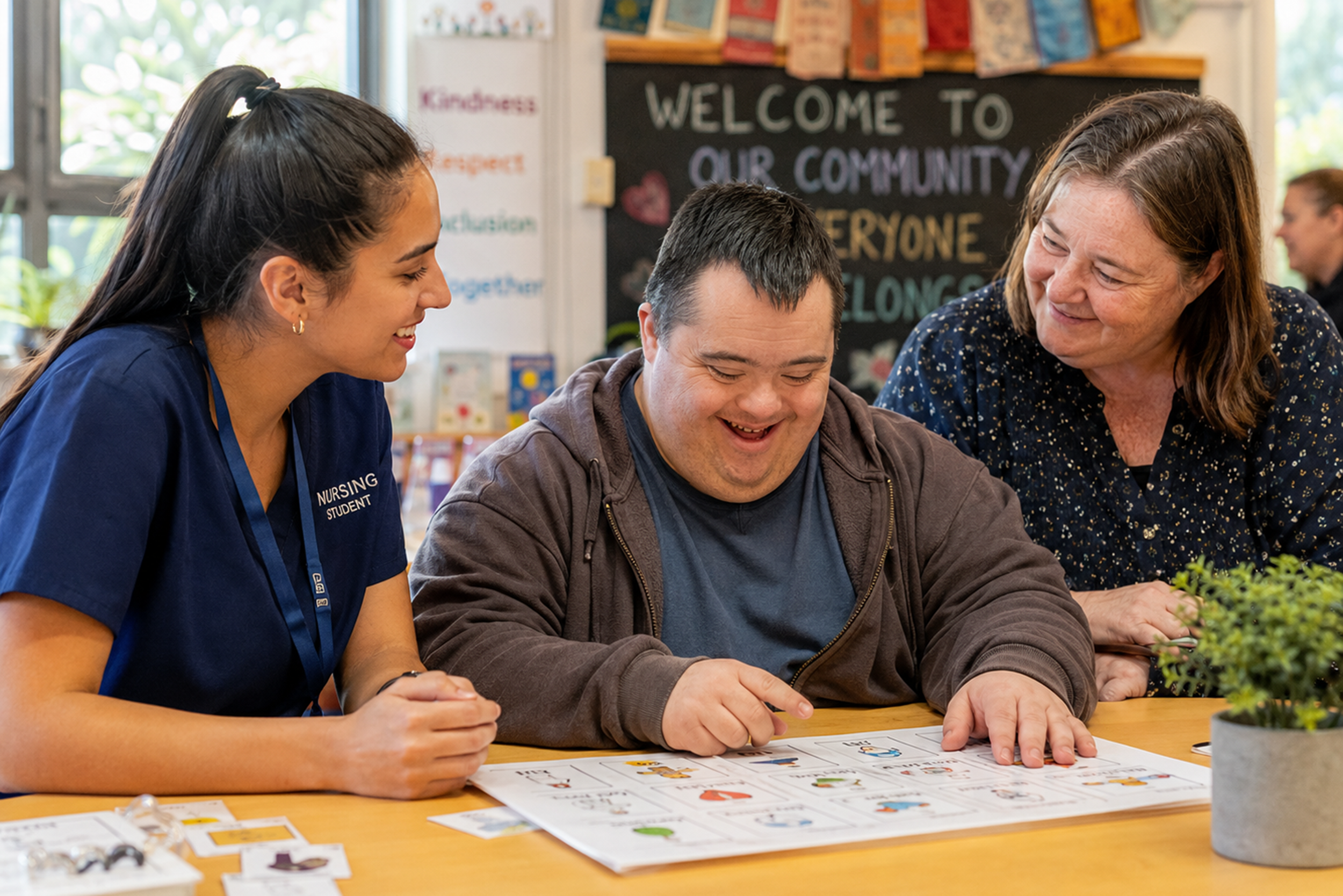
Beyond the Classroom
Amy Curtis, PhD, RN, CHSE
A partnership between Auburn University College of Nursing and The Exceptional Foundation of East Alabama gives nursing students opportunities to learn alongside people with intellectual and developmental disabilities in community settings. The experience builds empathy, confidence, and a clearer understanding of person-centered care.

The Unfinished Work of the ADA
Dr. Seth Keller
Physical access alone does not guarantee equitable healthcare. This article argues that disability-informed clinical competency—grounded in communication, autonomy, humility, and individualized care—must become a core part of health professions education.

Federal Agency Profile
The National Council on Disability may be small, but its influence on disability policy is far-reaching. This profile explores the independent federal agency’s history, advisory role, and lasting impact on disability rights in the United States.
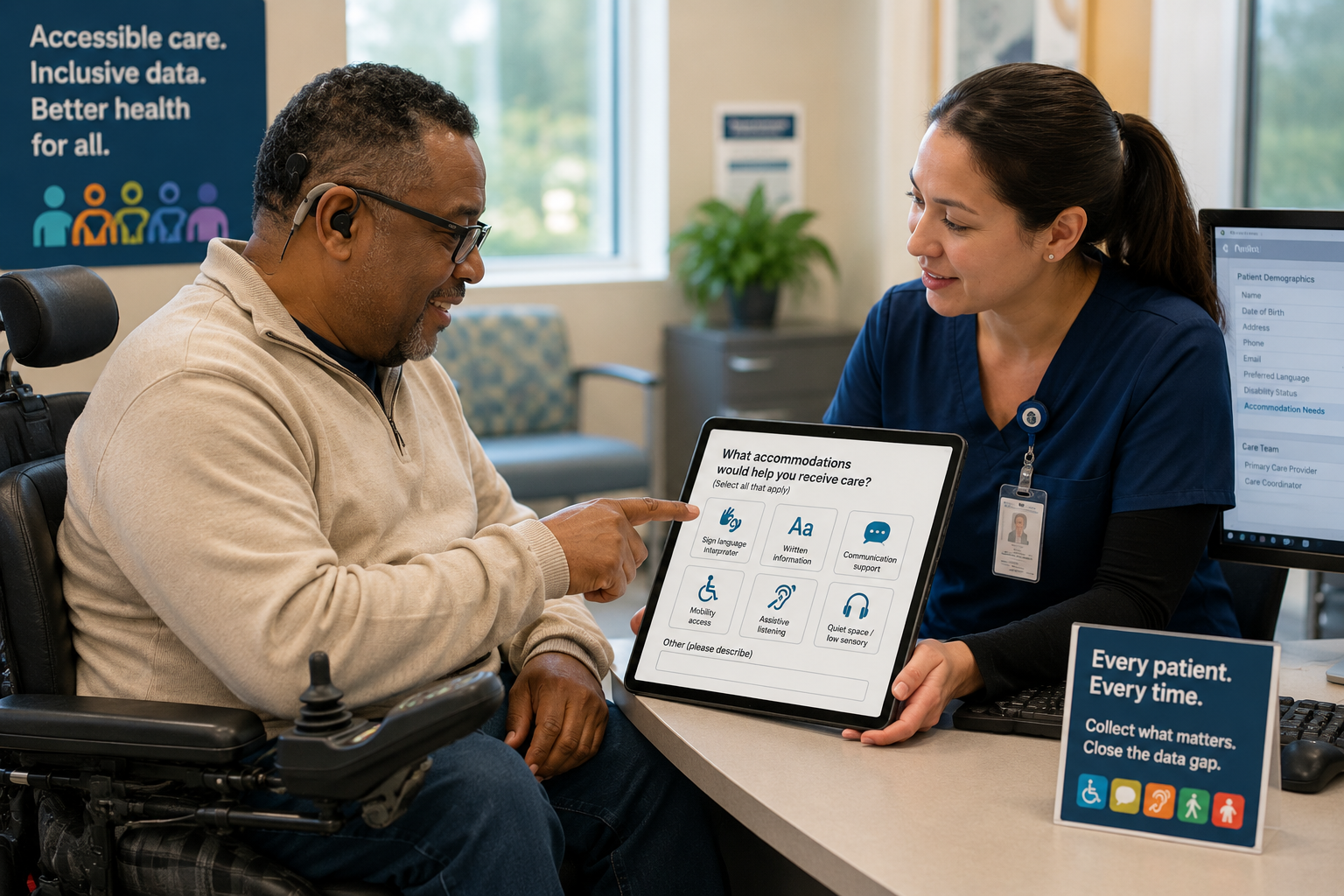
Closing The Disability Data Gap
Daniella Donshik
PAOH calls attention to the disability data gap and the consequences of leaving disability status and accommodation needs out of routine data collection. The announcement makes the case for better information as a foundation for more equitable healthcare.

Five Essential Concepts of Developmental Medicine
Ryan Daniel, MD, Bronwyn Bennett, MS, Linda Edwards, MD, Philip May, MD, Rafik Jacob, MD
A new clinical framework offers five essential concepts for understanding and caring for adults with developmental disabilities and neurodevelopmental disorders. The model supports earlier recognition of complications, reduces diagnostic overshadowing, and promotes more individualized, lifelong care.
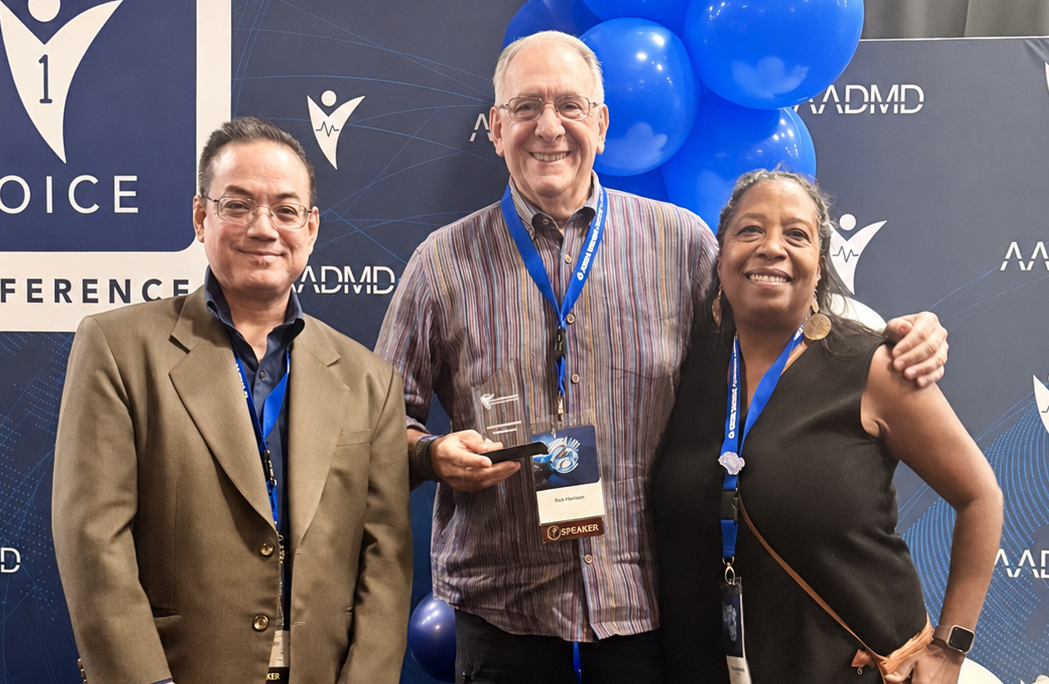
From Overlooked to Advocate
Craig Escudé, MD, FAAFP, FAADM
The Honorable Neil Romano joins Dr. Craig Escudé to discuss the experiences that shaped his disability-rights advocacy and public service. Their conversation explores education, employment, healthcare, and the importance of seeing people with disabilities through the lens of ability and potential.

Training Is Where Equity Begins
Dr. Seth Keller
Adults with childhood-onset neurologic and developmental disabilities too often enter healthcare systems that are unprepared to meet their needs. This article argues that disability competency must become a core element of medical education to reduce diagnostic overshadowing, improve access, and advance health equity.

TRAP Makes Learning Fun
Eddie Tuduri shares more about The Rhythmic Arts Project and the movement-based activities that help make learning joyful, accessible, and inclusive. The article highlights how rhythm can support connection, confidence, and participation.

From Awareness to Action
Dr. Seth Keller
Disability competency in healthcare education must move from an optional topic to a national standard. This call to action outlines why training reform, accreditation change, and collaboration among educators, advocates, clinicians, and self-advocates are essential to more equitable care.

Teaching for Equity
Dr. Julie Campbell
Health literacy and supported self-management can help healthcare professionals build more collaborative, person-centered relationships with people with disabilities. This article explores practical frameworks for improving communication, shared decision-making, and equity in care.
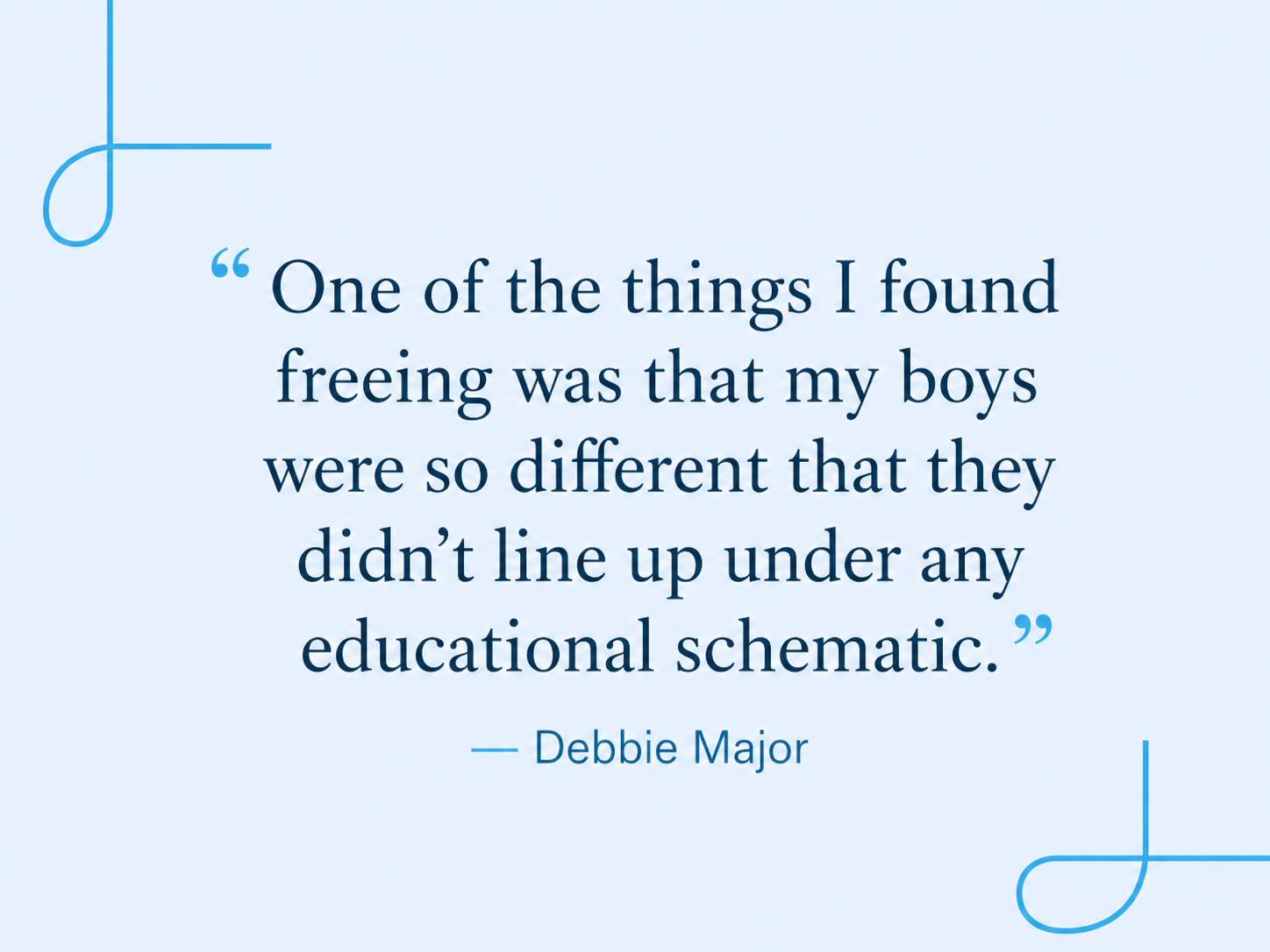
Jacob & Gage
Debbie Major reflects on raising her twin sons, Jacob and Gage, whose distinct developmental paths led to meaningful, independent lives. Their story celebrates high expectations, unconditional love, arts, community, and the many ways people grow into their own strengths.

Disability Pride 2026
Disability Pride Month: Celebrating 36 years of Americans with Disabilities Act, honoring Judith Heumann and more.
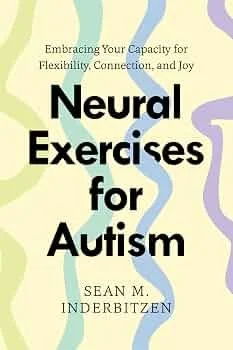
Book Review: Neural Exercises for Autism
Elena Salgado
This review examines Neural Exercises for Autism by Sean M. Inderbitzen, a resource that draws on neuroscience, mindfulness, and body-based practices to support autistic people without framing autism as something to be fixed. It also considers the book’s potential relevance for future research on aging.

From the Stacks
Special Olympics, disability inclusion, emergency care, community milestones, new research, and more