
Beyond the Classroom
Community Experiences That Prepare Nurses to Provide Better Disability-Inclusive Care
By Amy Curtis, PhD, RN, CHSE
Summary: Auburn University nursing students are learning about disability-inclusive care through a community partnership with The Exceptional Foundation of East Alabama. By engaging with people with IDD beyond clinical settings, students gain insight into everyday barriers, communication needs, and the value of person-centered care, shared decision-making, and collaboration with families and community supports.
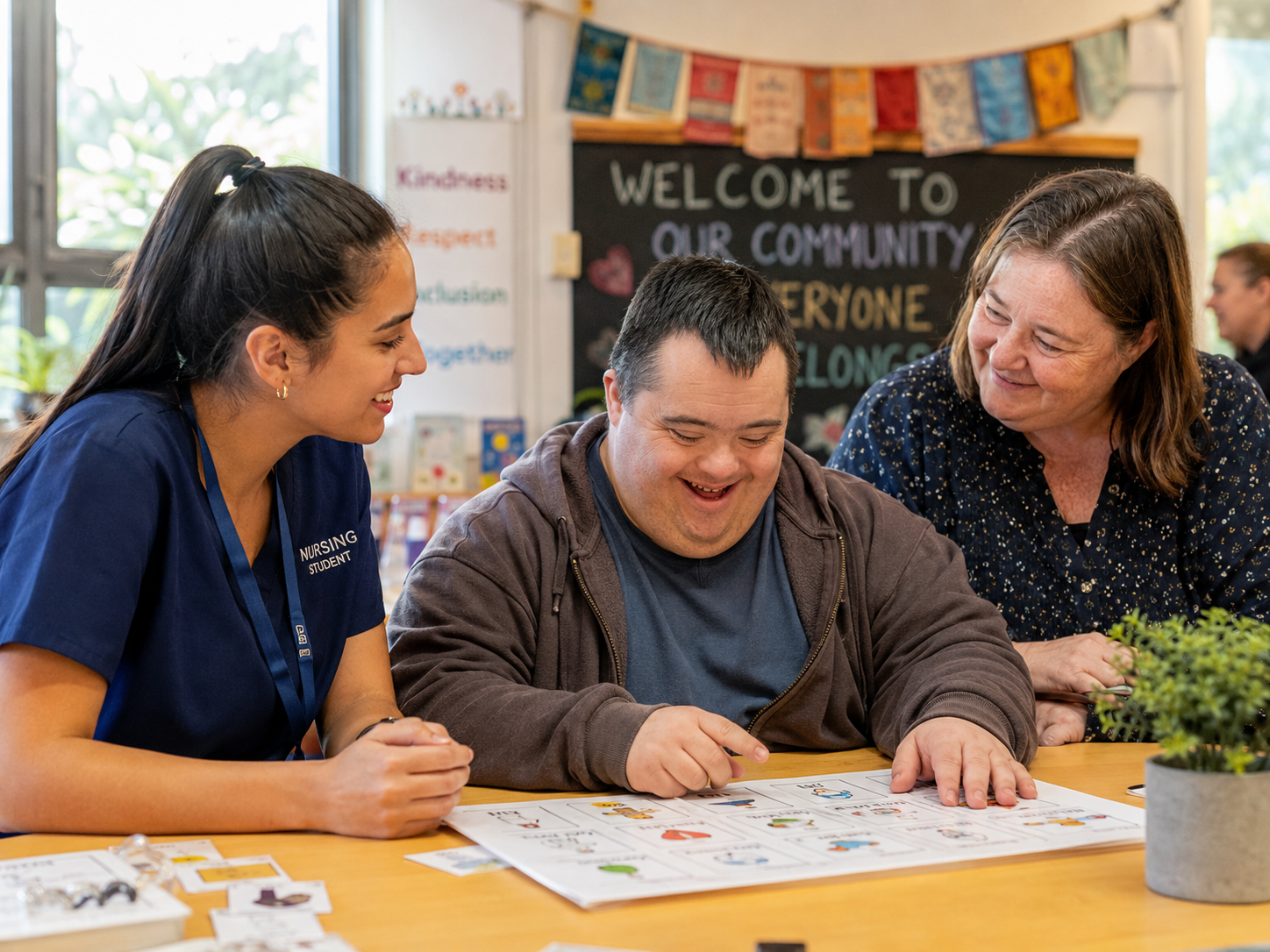
Many families of individuals with intellectual and developmental disabilities (IDD) have experienced healthcare encounters in which providers seemed uncomfortable, rushed, or unfamiliar with how to communicate effectively with their loved one. While most healthcare professionals genuinely want to provide high-quality care, many receive little formal education about disability during their training.
One promising way to improve healthcare experiences for individuals with disabilities is to provide future nurses with meaningful opportunities to learn directly from people with disabilities in community settings before they enter professional practice.
At Auburn University College of Nursing, we have been working to expand disability-inclusive education through a partnership with The Exceptional Foundation of East Alabama, a community organization that provides programs and activities for individuals with intellectual and developmental disabilities. Through this partnership, nursing students engage with individuals in everyday community activities rather than encountering disability only in hospital or clinic settings.
The goal is simple: help students see the person before the diagnosis.
Many nursing students enter these experiences with limited exposure to individuals with IDD. Some are nervous about saying the wrong thing. Others are unsure how to communicate effectively. Many have never had the opportunity to develop relationships with individuals with disabilities outside of a healthcare environment.
During their community experiences, students quickly discover that the individuals they meet have interests, talents, goals, friendships, and routines that extend far beyond their healthcare needs. Students observe strengths rather than limitations and begin to understand how community participation contributes to overall health and well-being.
These experiences also help students recognize the barriers that individuals with disabilities and their families often encounter. Transportation challenges, limited access to services, caregiver stress, communication difficulties, and fragmented healthcare systems can all affect quality of life and health outcomes.
Perhaps most importantly, students learn that effective care requires partnership.
Parents, family members, caregivers, community organizations, healthcare professionals, educators, and self-advocates all play important roles in supporting health and independence. Students begin to understand that healthcare does not occur in isolation. The best outcomes often result when professionals listen to and collaborate with the people who know the individual best.
Following their community experiences, students participate in guided discussions and structured debriefings that help them connect what they learned to future nursing practice. They consider questions such as:
How can I communicate more effectively with individuals who have different communication needs?
How can I include individuals with disabilities in healthcare decision-making whenever possible?
How can I work collaboratively with families and caregivers while respecting the individual’s autonomy?
What community resources might support a patient beyond the healthcare setting?
Students frequently report that these experiences change their perspectives about disability. Many describe increased confidence, greater empathy, and a better understanding of how to provide person-centered care.
Families often tell us that they want healthcare professionals who listen, respect their expertise, and see their loved one as a whole person. Community-based learning experiences provide future nurses with opportunities to develop these skills before they enter practice.
As healthcare systems continue to focus on improving equity and reducing disparities, disability-inclusive education will remain an important priority.
community partnerships offer one practical way to prepare future healthcare professionals while also strengthening connections between educational institutions and the disability community.
Individuals with intellectual and developmental disabilities have much to teach future nurses. When students learn directly from community members with lived experience, everyone benefits. Future healthcare professionals gain valuable knowledge and confidence, and individuals with disabilities help shape a healthcare workforce that is better prepared to provide respectful, inclusive, and person-centered care.
Ultimately, improving healthcare for individuals with disabilities is not solely about teaching clinical skills. It is about building relationships, fostering understanding, and creating partnerships that honor the expertise and experiences of individuals with disabilities and their families.
About the Author
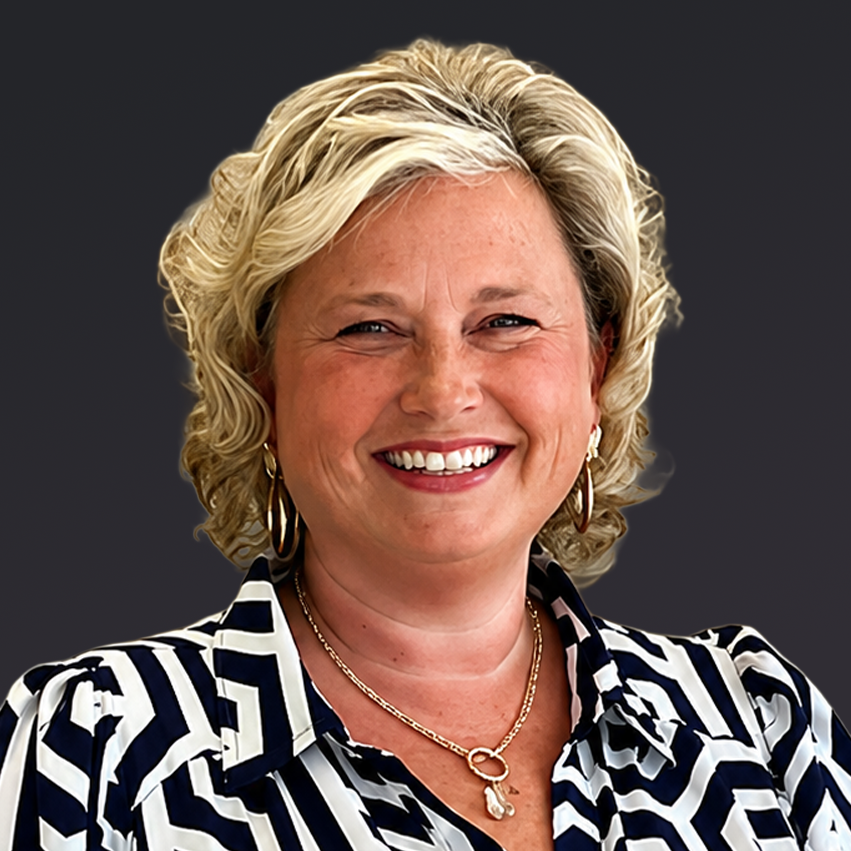
Amy Curtis, PhD, RN, CHSE, is an Associate Clinical Professor and RN-to-BSN Program Coordinator at Auburn University College of Nursing. Her teaching and scholarship focus on disability-inclusive nursing education, intellectual and developmental disabilities, community-engaged learning, and preparing future nurses to provide equitable, person-centered care. She collaborates with community partners to develop innovative educational experiences that improve healthcare outcomes for individuals with disabilities across the lifespan.