
Book Review: Neural Exercises for Autism
by Sean M. Inderbitzen and its potential relevance for future research
By Elena Salgado
I have had a grand time reading Neural Exercises for Autism by Sean M. Inderbitzen. I am particularly drawn to books that explore neurological and neuropsychological perspectives; however, I have not had many opportunities to engage with this type of literature recently. Fortunately, Dr. Inderbitzen provides a compelling blend of scientific, evidence-based, and thoroughly researched information alongside the personal experiences that create an informative and engaging reading experience. By the end of the book, readers will be able to understand the polyvagal theory, mindfulness practices, sensorimotor psychotherapy approaches, and much more.
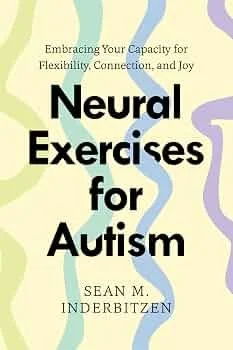
The book’s main goal is its collection of neural exercises, which aim to help autistic individuals better understand and work with themselves rather than attempting to “fix” their autistic behaviors and thought patterns. The book’s exercises are easy to follow, motivating, and thought-provoking, and they kept me engaged all throughout. Dr. Inderbitzen’s academic expertise and personal experience as an autistic clinician provide a unique perspective on neurological differences that is likely to resonate with autistic readers.
The approaches presented in the book go beyond generic self-help advice, integrating contemporary neuroscience with strategies emphasizing the cultivation of a sense of self, safety, flexibility, and connection by understanding autistic neurological systems and how they differ from those of other people. Polyvagal Theory does not only offer valuable insight into the autistic mind, but it can also help explain a wide range of human experiences. It provides an understanding for human behavior, health, and relational capacity (Porges, 2025). Using this framework could guide future research, interventions, and systems designed to promote the wellbeing of those with autism.
Overall, Neural Exercises for Autism by Dr. Sean M. Inderbitzen appears to be a thoughtful and thought-provoking contribution to the literature for neurological frameworks on autism. Its focus on self-understanding, nervous system regulations, and its engaging unique frameworks for autistic strengths make it a promising resource for autistic adults seeking practical tools to improve well-being and confidence. I would recommend this book to autistic individuals, as well as therapists, educators, and anyone interested in innovative approaches to mental health and self-growth.
References
Inderbitzen, S. M. (2026). Neural exercises for autism: Embracing your capacity for flexibility, connection, and joy. W. W. Norton & Company, Inc.
Porges, S. W. (2025). Polyvagal Theory: Current status, clinical applications, and future directions.
Clinical Neuropsychiatry: Journal of Treatment Evaluation 22(3), 169-184. https: doi.org/10.36131/cnfioritieditore20250301
About the Author

Mayra Elena Salgado immigrated from Honduras to the United States at age nine. She graduated with highest honors from the University of Tennessee at Chattanooga, where she was inducted into Phi Theta Kappa and the Alpha Society for her academic and research achievements. She currently works as a coordinator for the Family Support Program at a nonprofit organization. Salgado plans to pursue a master’s degree and doctorate in psychology and hopes to become a neuropsychologist contributing to research and advocacy.