
Editorial Guidelines & Contributing Editors
HELEN: The Journal of Human Exceptionality (HELEN Journal) seeks to extend its outreach far beyond the IDD community to serve a broader audience of individuals touched by special needs and to improve the quality of their healthcare across the lifespan. This includes everyone from the fetus, to the fragile child in the NICU born to new parent-advocates, to the child or young adult with learning disabilities; from individuals whose health has been compromised by physical or mental trauma, to senior citizens struggling with dementia and other ravages of aging.
Read our Writer’s Guidelines below as well as our AI Disclosure Statement.
Contributing Writer’s Guidelines
New— HELEN Journal: The A.l. Disclosure Statement
HELEN: The Journal of Human Exceptionality(HELEN Journal) understands and recognizes the contribution of Artificial Intelligence (AI) in research, article preparation, and knowledge-sharing.
Our policy is in alignment with the best practices from leading journals: authors must disclose the use of generative Al and Al-assisted technologies in the writing process. This includes specifying the tool used, the purpose of its use, and affirming that the authors have reviewed and edited the content to ensure accuracy and integrity.
Example Statement:
During the preparation of this work, the author(s) used (Name of Al Tool) to (describe purpose, e.g. enhance language clarity). After using this tool, the author(s) reviewed and edited the content as needed and take(s) full responsibility for the content of the publication.
This statement should be included in a section titled "Declaration of Generative Al and Al-assisted technologies" at the end of the manuscript, before the references. If no Al tools were used, this section is not required.
— HELEN Journal’s Editors
—————————————
HELEN: The Journal of Human Exceptionality publishes articles on a broad variety of social, psychological, legal, political, technological, financial, and educational concerns faced by individuals with disabilities and special healthcare needs and those who care for them. These articles appear in the monthly digital magazine, on www.helenjournal.org,, in other media, and in books and monographs.
For this reason, all materials submitted are with the understanding that HELEN Journal will have full rights to reproduce in any media. Other agreements regarding copyrights, reprinting or linking of contents to other information modalities require formal and prior approval by the Editor in Chief or his/her agents.
Readership
Our primary audiences are individuals with disabilities (and self-advocates), their caregivers, and professionals (healthcare, educational, governmental) who support them.
Who writes for HELEN?
A majority of the material appearing in our pages is contributed by authors who are:
Individuals with disabilities
Caregivers or family members of individuals with disabilities
Healthcare professionals, educators, and other providers
HELEN reaches out to the professional audience in an effort to better prepare them to work with individuals with disabilities. For this reason, we are encouraging professional and advocacy organizations to provide material on a regular basis. Personal anecdotes, quotes or sidebars are encouraged.
Tone
As an overall objective, we strive to maintain respect and consideration for both the professional and the caregiver who want to collaborate in understanding and better treating the individual’s disability. Therefore, our focus is “how to work together.”
As writers, we examine ALL sides of controversial issues. Our tone is generally upbeat, but we also recognize that our audience is no stranger to difficulties and realities. HELEN advises and disseminates information.
We try as much as possible to avoid saying “You must” or “You should.” Rather, we suggest, “A good way of doing this is” or “You can.”
The approach our publication takes is:
1. Parents and/or caregivers are the best experts on their children. HELEN welcomes editorial contributions from them.
2. HELEN offers practical information and advice that readers can use to help improve quality of life issues of their loved one with a disability.
3. HELEN is a valuable resource for healthcare, educational, governmental professionals.
4. HELEN welcomes contributions from health professionals. These submissions will be reviewed by our Editor in Chief, Senior Managing Editor and Advisory Board. HELEN does not present itself as a peer-review publication, rather, one of information dissemination and exchange.
Style
We use language familiar to the reader who has a high-school diploma as opposed to professional, medical or business journals (e.g., JAMA , New England Journal of Medicine). Professional journal style with reference to studies and imbedded footnotes is generally not required. Therefore, professional jargon and specialized terminology is discouraged. If there is a term parents will be coming across on a regular basis in an article (such as “intervention,” “aspirate,” “OBRA Trust”), it should be translated into everyday or ordinary terms at the time of the word’s first use in the article. See our style guide for additional information on HELEN’s particular style.
Sensitivity
HELEN Journal recognizes the growing use of identity-first language. It is the policy of HELEN, to the extent possible, to ask the individual with a disability which language style they prefer and honor that preference.
Article Development
After an article idea has been accepted by HELEN, its development will encompass the following:
HELEN would prefer that an article be summarized within the first two paragraphs. It must provide a summation of the information or point of view in the lead sentences. This will enable the reader to quickly decide if the content is pertinent to his or her interests. We have found this also helps focus the writer and brings a tighter edge to the writing.
Word Count: For human interest and other feature articles, 750-800 words. For healthcare articles, 1,200 and up, with a maximum of 2,000 words (length may also vary, at the discretion of the editors).
Graphs, charts, photos, and illustrations add to the value of any submission.
Technical Hints: Disorders, diseases, and disabilities are used in lower case, unless they are “named after” someone. As an example, we capitalize Down syndrome (“syndrome” is always lower-case) because Dr. Down is the person who identified it. We use “multiple sclerosis” in the lower case because it defines a condition.
If a condition is commonly referred with an acronym (e.g., autism spectrum disorders, rendered as ASD) be sure to identify what the acronym stands for with initial use in the article. Henceforth, the acronym is sufficient.
Please be sure to spell-check your article before sending it to us! Fact checking is also very important. Be sure to check all names, dates, and addresses. For example, “Kodak” should be referred to as “Eastman Kodak.” Make sure any website links listed in the article are valid and working. Please be as thorough as possible; the more accurate the information, the more professional the article will be.
Remember to include author bio information (75 words or less per author,) which will be included in the total word count. This information consists of the name and pertinent background of the author.
HELEN utilizes the Chicago Manual of Style.
Following acceptance, please email articles as Word documents, using single spaced, 12 pt, Times New Roman. Please place only one space between sentences and denote new paragraphs with a hard return rather than an indent between paragraphs.
Photos: Pictures and illustrations should be clearly labeled with the name(s) of the person or people, the activity, or the product shown. This is so the pictures and/or illustrations can be easily captioned and fit into the story. Place names in order of appearance in pictures. Include a release form for each individual in the photo(s). A sample release form for both the story and photos will be provided by the HELEN editorial staff after the article is accepted for publication. Photos can be sent as hard copies or, preferably, as digital files, which should be .jpg or .png files at least 300 dpi and at least 1.5 x 2 inches. Please do not write directly on the back of hard copy photographs. Include on the label the name and address of the person who is sending the pictures and the title of the article for which they are intended. Slides and transparencies should be numbered and described on a separate sheet of paper.
Sources: Include with your article a list of sources you contacted, their telephone numbers, and copies of any materials you used (e.g., an article from another magazine, a photocopy of a technical or medical definition).
Please submit your article at least one month before the next issue is posted.
Compensation
HELEN does not compensate for editorial contributions, however, contributors will benefit from wide exposure to key opinion leaders in the disability field. Our editorial staff and Editorial Advisory Board members have had a long-standing reputation for producing quality publications and articles.
Contact Crissy Renner using the button below to inquire about submitting content.
MEET OUR CONTRIBUTING EDITORS:
Conscience of the Field Editor

David A. Ervin, BSc, MA, FAAIDD
CEO, Makom
David is an international speaker and published author with more than 40 peer-reviewed and other journal articles and book chapters. He is a consulting editor for three scientific/professional journals, and serves on a number of policy and practice committees, including the American Academy on Developmental Medicine and Dentistry Policy & Advocacy Committee and The Arc of the US Policy and Positions Committee.

David is Vice President of the Board of Directors for The Council on Quality and Leadership (CQL), and he is Guest Teaching Faculty for the National Leadership Consortium on Developmental Disabilities.
Annie’s Page Editor

Craig Escudé, MD, FAAFP, FAADM
President, IntellectAbility
Host, IDD Health Matters Podcast
Craig is a board-certified Fellow of the American Academy of Family Physicians and the American Academy of Developmental Medicine. He has more than 20 years of clinical experience providing medical care for people with IDD and complex medical and mental health conditions.

He is the author of “Clinical Pearls in IDD Healthcare” and developer of the “Curriculum in IDD Healthcare,” an eLearning course used to train clinicians on the fundamentals of healthcare for people with IDD. Global Health Co-Editors

Seth Keller, MD
Neurologist, Neurology Associates of South Jersey
Dr. Seth Keller specializes in the evaluation and care of adults with Intellectual and Developmental Disabilities (IDD) with neurologic complications. Dr. Keller is on the Executive Board of the Arc of Burlington County as well as on the board for The Arc of New Jersey Mainstreaming Medical Care Board. He is the co-president of the National Task Group on Intellectual Disabilities and Dementia Practices (NTG). He is also the founder and past chair of the Adult IDD Section with the American Academy of Neurology.

Dr. Keller is actively involved in national and international IDD health education as a speaker, and webinar and workshop participant. He is a co-author on a number of articles and book chapters relating to aging and dementia in those with IDD.
Vincent Siasoco, MD, MBA
Family Medicine Physician
Dr. Siasoco has dedicated his career to caring for individuals with developmental disabilities. He serves as an Assistant Professor in the Department of Family Medicine and Pediatrics at the Albert Einstein College of Medicine in New York; Director of Primary Care at the Rose F. Kennedy Center at Montefiore Medical Center; and Medical Director at ADAPT Community Network.

He is also a Clinical Director for Special Olympics, Chair of the Special Olympics New York Health Advisory Council, and a member of the Special Olympics Global Medical Advisory Committee. Additionally, he serves as a board member of the American Academy of Developmental Medicine and Dentistry and Positive Exposure. He is the Co-Chair of the Cerebral Palsy Associations of New York State (CPA of NYS) Medical Directors’ Council and Co-Chair of the annual CPA of NYS Medical Directors’ Council Clinical Conference.Public Policy & the Law Editor
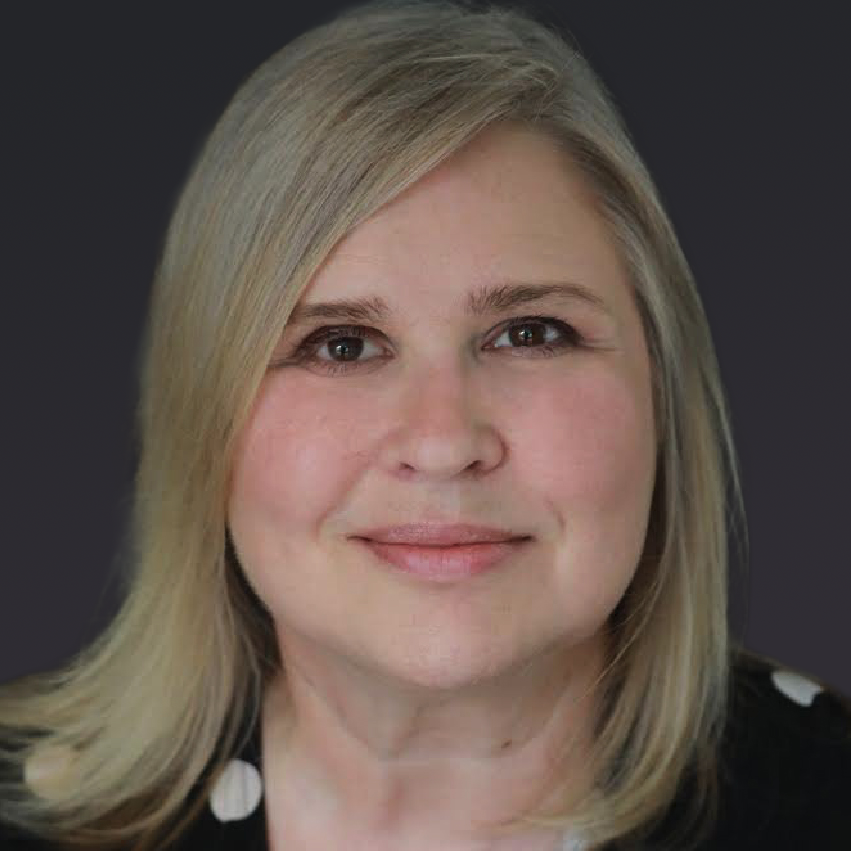
Vanessa Rastović, JD
Attorney
Vanessa is an accomplished attorney and math enthusiast whose career is rooted in a deep commitment to social justice, disability equity, and universal inclusion. A National Science Foundation awardee and former Law Review member, she has led public relations efforts for a nonprofit focused on eradicating abuse and, during her tenure at Legal Aid, provided critical legal support to refugees, older adults, and people with disabilities. Her work consistently reflects a dedication to advancing dignity, access, and fairness for historically marginalized communities.Vanessa is an active member of the American Bar Association, including its Health Law and Administrative Law sections, as well as the American Society of Law, Medicine, and Ethics. She also serves on the American Academy of Developmental Medicine and Dentistry’s Presidents’ Workgroup and is appointed to the City–County Task Force on Disabilities.Aging & Disabilities Editor
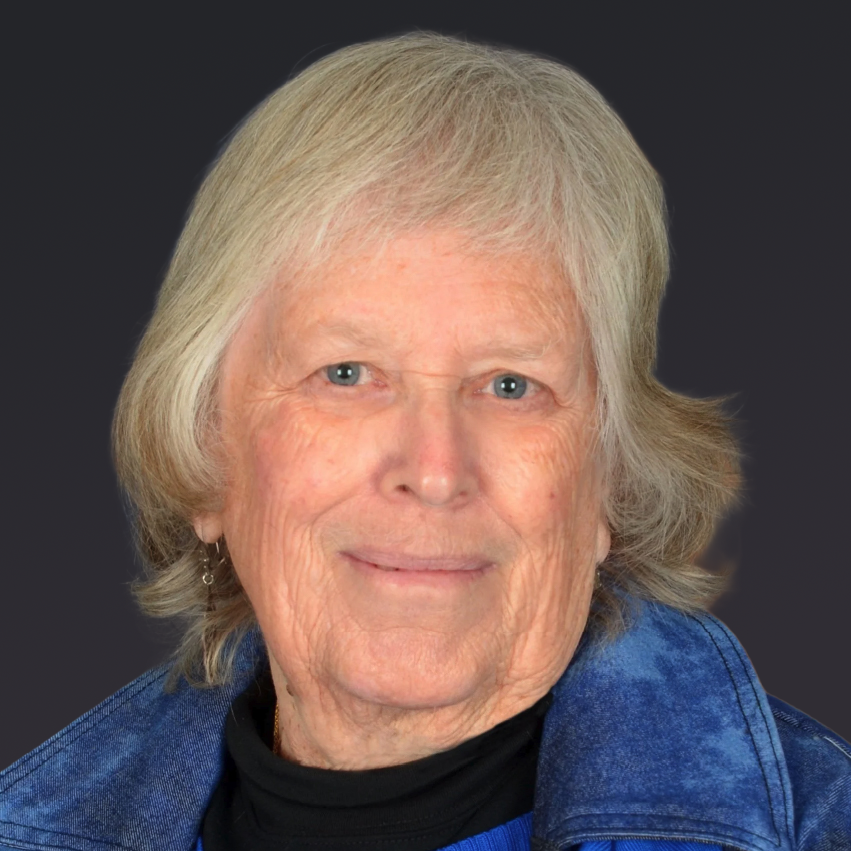
Kathleen M. Bishop, Ph.D
Consultant
Dr. Bishop has more than 40 years of experience in the IDD field and 30 as a gerontologist, with a specialty in aging with IDD. She serves as a consultant for organizations in the aging and IDD networks and teaches online for Utica University. She retired from the University of Rochester School of Medicine and Dentistry and the NYS OPWDD.

Dr. Bishop serves as the Education and Training Coordinator for the National Task Group on Intellectual Disabilities and Dementia Care. In addition to her training work, Dr. Bishop mentors organizations and clinicians in healthcare advocacy and the delivery of high-quality, dementia-capable care, with particular expertise in sensory-informed and environmental dementia-capable design.
Family Affairs Editor
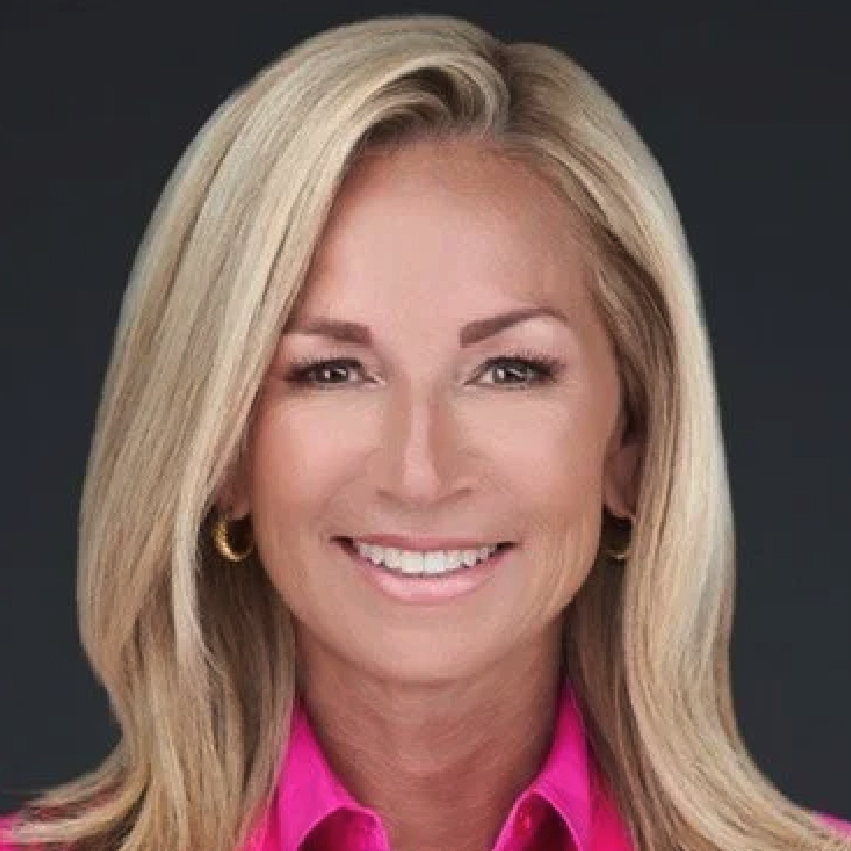
Barbara Vartanian DePonte
Director of Oral Health Advocacy and Policy Initiatives, NYU College of Dentistry
The NYU College of Dentistry’s Oral Health Center for People with Disabilities addresses a major public health challenge by providing comprehensive, compassionate dental care for people with a full range of disabilities who experience significant barriers to accessing care. Prior to her role at NYU, Barbara served as Executive Director with PAOH. She was instrumental in the development of a training program for dental professionals that focuses on improving access and overall care for individuals with special needs.

Her most important role is mother to her son, Sam, who has autism. She understands firsthand the barriers he faces and will continue to face throughout his life. Barbara strives to be his voice, his advocate, and his champion.
Disabilities and Higher Education Editor

David Cox, EdD, MBA
Assistant Director of Case Management, Orange Grove Center, Chattanooga, TN
Inspired by his sister, who is a member of the IDD community, David has worked in residential services for people with IDD, case management, and compliance. He is a part-time professor at the University of Tennessee at Chattanooga, and holds a Doctor of Education in Higher Education Leadership and Organizational Studies.

He works with the Chattanooga Police Department as an advisor for Crisis Intervention Teams on working with people with IDD. His research interests are autism, sensory processing disorders, dementia, and community engagement for people with disabilities. He has served as Vice President of American Association of Multi-Sensory Environments; Board of Directors of The Arc Tennessee; as a Gallup Certified Strengths Coach; as a Certified Special Olympics Coach and as a Member of People First Tennessee.