
President’s Message
By Steven Perlman, DDS, MScD, DHL (hon)
“The visionary starts with a clean sheet of paper, and re-imagines the world.”
A few weeks ago, I attended a funeral service for a long time patient of mine. I started treating Bernie over 45 years ago. No one would see him because he had Down syndrome and behavior issues. I took care of him until I retired. The pediatric dentist who took over my practice would not continue to care for adolescents and adults with disabilities, I was able to find a colleague that was willing to accommodate his needs.
Bernie passed away at the age of 57, the graveside funeral was for immediate family, followed by a small reception for friends and relatives. Bernie’s dad had passed away years ago and he lived with his elderly mom in a condo on the ocean.
Every Sunday, year round I walk with my friends at the same time and Bernie and his mom, would wait on the bench to see me and give me a hug. Over the past few years, I observed his obvious cognitive and physical decline and how difficult it was for his mom to grasp what was happening to him. This year, he could barely recognize me. His walk had become a shuffle, and his mom had to hold him close to prevent him from falling.
At the funeral service, I reflected upon my personal interest and experience with my patients that had Down syndrome, how they impacted my care for them, and how they inspired me to try to make a difference in their healthcare and lives. I also thought about how families of loved ones with Down syndrome all will have to face difficulties as they age. I thought about an article I had read by Dr. Michael Rafili. I have enclosed a snippet of it at the bottom of this article.
I also thought about how one of my mentors changed the world for people with Down syndrome. I first met Dr. Robert Cooke in November 1993 at the Joseph F. Kennedy Jr. Foundation Headquarters in Washington D.C. At a private meeting with Eunice Kennedy Shriver and her husband, Sargent Shriver, Dr. Cooke, and I discussed the problems of healthcare for children and adults with Intellectual, Developmental, and Physical Disabilities.
Dr. Cooke was the Medical Director of Special Olympics, a founder of the field of Developmental and Behavioral Pediatrics, helped create Head Start, and led John Hopkins University of Pediatrics for nearly 20 years. One of his most famous accomplishments was becoming a pioneer in bio ethics when he created a documentary “Who shall survive? One of the choices of our conscience.” The documentary was about an infant born in 1970 at John Hopkins Hospital who had Down syndrome and duodenal atresia (a blockage that prevents food from entering the intestines.) While the blockage was easily correctible by a routine surgery, the parents refused to consent, stating it would be unfair to their other children. The medical staff abided by the parents’ wishes, and the baby was placed in the corner of the nursery and was allowed to die of dehydration after 15 days. Dr. Cooke partnered with the Joseph P. Kennedy Foundation to turn this into a documentary film. When it premiered at the Kennedy Center in October 1971, the public and media reaction was fiercely critical of both the parents’ choice and the hospital’s inaction.
It made the general public realize that hospitals regularly allowing infants with disabilities to die from curable conditions. The fact that parents could allow their children born with Down syndrome and duodenal atresia to die by withholding consent for a simple surgery ended thanks to the advocacy of Dr. Cooke.
In 2008 I co-authored a publication in General Dentistry “Down syndrome and Alzheimer’s Disease: Children Grow Older,” and in 2011 in the Journal of the American Dental Association “Down syndrome and Sleep Disordered Breathing: The Dentists Role.”
Over the years in my clinical practice, I observed how difficult it was for me to control periodontal disease in adults with Down syndrome. Collecting information from my patients, periodontists from the Forsythe Institute were able to determine Down syndrome patients had “hotter periodontal pockets” and different bacteria than the neurotypical population.
In 2017 when Dr. Rick Rader and I became aware that Iceland claimed to have almost eradicated Down syndrome with a nearly 100 percent abortion rate, we began dialogue with the Chief Medical Officer of Iceland before he abruptly refused to talk to us about it.
This background information leads me into why I wanted to dedicate my President’s Message this month to two heroes of the Down syndrome, Alzheimer’s movement, Drs. Matt Janicki and Seth Keller.
I have had the privilege and honor of working closely with these two remarkable professionals who have dedicated their illustrious careers to studying, helping families, research, and advocacy to improve the lives of people with Down syndrome who face a nearly universal predisposition to Alzheimer's Disease.
Seth is a neurologist with an enormous heart, passion, and clinical expertise in aging, cognitive decline, and Alzheimer's disease. Matt is a legend in the field of aging and dementia for people with Intellectual and Developmental Disabilities (IDD). They created The National Task Group (NTG) to address these issues and help countless individuals and families through their journey.
In addition, Seth was able to mobilize the American Academy of Neurology (AAN) to have a special interest group for this population.
I reached out to Seth and Matt to write in their own words what inspired them to devote their concerns to care about a minority population that continues to be underserved, undervalued, invisible, and ignored.
Please meet my heroes, Seth and Matt.
Dr. Seth Keller:
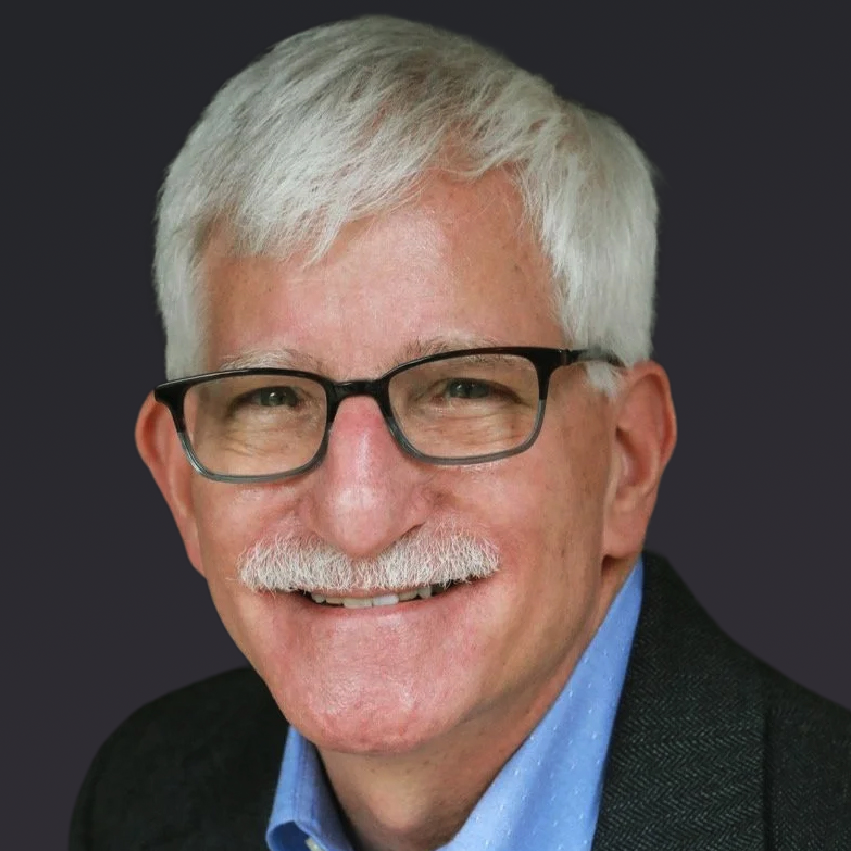
Throughout my career, my advocacy on behalf of people with intellectual and developmental disabilities has grown from direct clinical experience, personal relationships, and an evolving understanding that healthcare must always begin with dignity, humanity, and person-centered values.
My journey began as a neurologist in the United States Navy, where I received little formal education or training related to intellectual and developmental disabilities. Yet even then, I was deeply influenced by the belief that every person deserves respect, opportunity, and the right to live a meaningful life within their community.
After leaving the Navy and joining private practice in southern New Jersey, I began caring for individuals living within New Jersey’s developmental disability institutions, including New Lisbon, Vineland, and Hunterdon Developmental Centers. Those experiences profoundly shaped my understanding of the disparities, stigma, and systemic barriers faced by people with disabilities.
Soon afterward, I became involved with the American Academy of Developmental Medicine and Dentistry during its early years and increasingly recognized that improving healthcare for people with intellectual disability required far more than medical expertise alone. It demanded advocacy, partnership, and a commitment to person-centered care. Through my involvement with the Leadership Institute and later as president of the AADMD, I worked to help shift the organization’s focus beyond a traditional medical model toward one grounded in self-advocacy, community inclusion, equity, and quality of life.
Over time, my work expanded nationally and internationally. Within the American Academy of Neurology, I founded the Adult Intellectual and Developmental Disabilities Section to bring greater recognition to the neurological and aging needs of adults with IDD. I also worked with Special Olympics to help elevate awareness of aging athletes and the importance of lifespan health supports for people with disabilities.
My growing focus on aging and dementia in people with intellectual disability ultimately led me to collaborate closely with my colleague and friend, Matthew P. Janicki. Together, alongside many dedicated advocates, families, clinicians, and organizations, we helped establish the National Task Group on Intellectual Disabilities and Dementia Practices to address the critical and often overlooked needs of adults aging with intellectual disability and dementia. The NTG has since become a national and international voice for dementia-capable supports, education, policy, and family advocacy.
My work has also increasingly focused on the broader social determinants of health and the global human rights dimensions of disability care. These efforts led me to collaborate with Disability Rights International and participate in international advocacy efforts, including work in Ukraine and other countries seeking to improve healthcare access, disability rights, education, and community-based supports.
Equally important to me has been mentoring the next generation of healthcare professionals. Throughout my career, I have worked closely with medical, dental, nursing, and allied health students to encourage compassionate, person-centered approaches to disability care and to help ensure that future healthcare systems become more inclusive, equitable, and responsive.
At its core, my life’s work has been guided by a simple but enduring belief: that people with intellectual and developmental disabilities deserve not only quality healthcare, but also dignity, respect, opportunity, and full participation in society across the entire lifespan.
Dr. Matt Janicki:
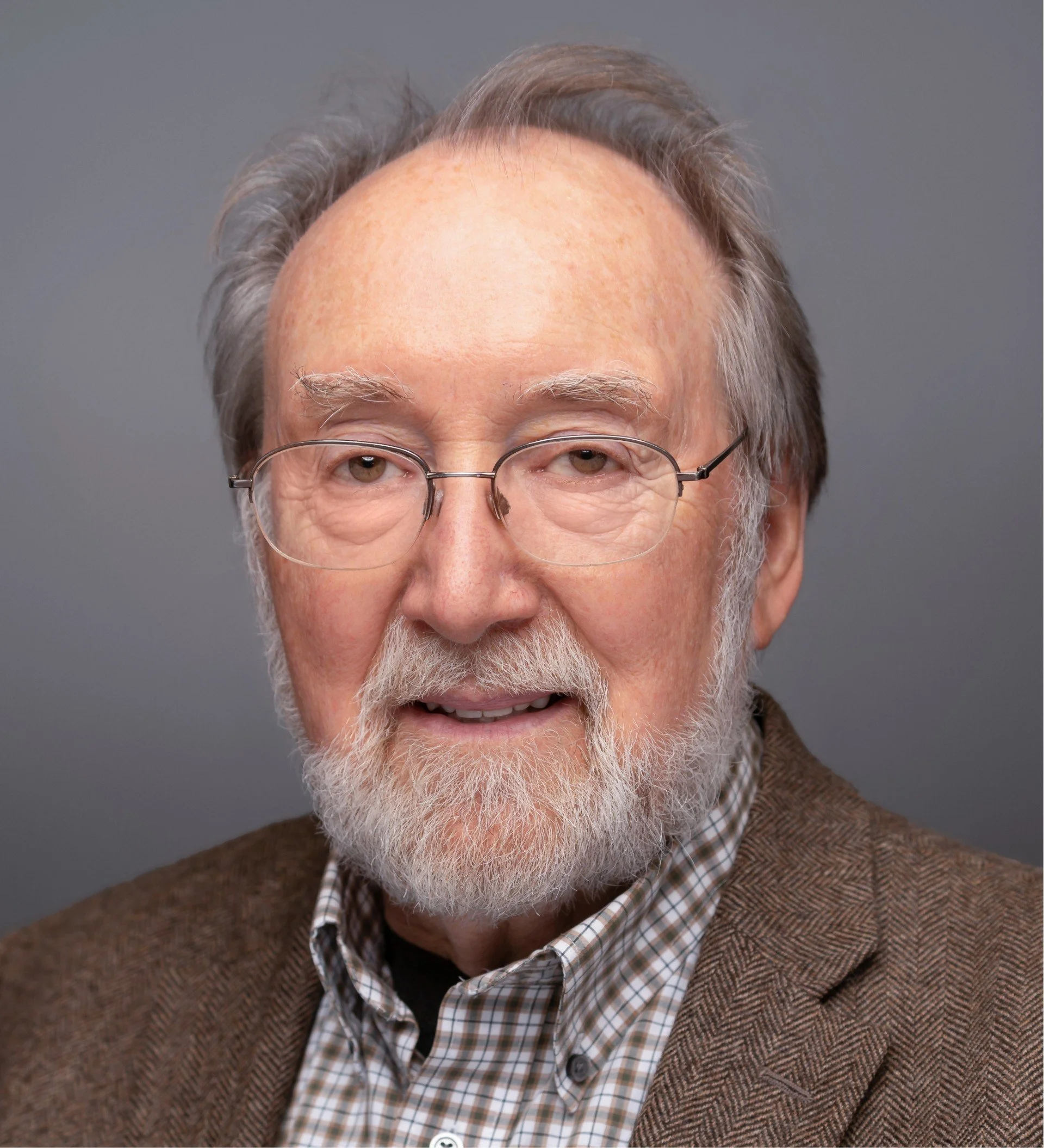
My commitment to advocacy on behalf of people with intellectual disability and their families was shaped by a series of formative experiences that defined both my professional philosophy and life’s work. Early in my career, I joined a regional agency deeply committed to the principles of normalization, dignity, and community inclusion, where I learned from visionary leadership that people with intellectual disability should live valued lives as full members of their communities. Those principles became the foundation for everything that followed. I later became actively involved in aiding the Willowbrook State School closure and the broader systems-change movement in New York City, helping shift services away from institutional care toward community-based supports. A subsequent appointment as a Joseph P. Kennedy Jr. Foundation Public Policy Fellow further strengthened my focus on policy, systems reform, and family advocacy.
Over time, this work evolved into efforts to build responsive aging services for adults with intellectual disability in New York State as the director for aging services for the Office for People with Developmental Disabilities, particularly as families and provider agencies began confronting the realities of aging and dementia. Following my retirement, I joined the University of Illinois Chicago, where I continued this advocacy nationally. A pivotal moment came during testimony before an Administration on Developmental Disabilities listening session in Orlando, Florida, where I urged greater attention to aging caregivers still supporting adult sons and daughters with intellectual disability. That effort led to important discussions with my colleague, Dr. Seth Keller, about the urgent need for a coordinated national response to dementia and intellectual disability.
Those conversations ultimately resulted in two seminal national meetings—first in St. Paul, Minnesota, and later in Washington, DC—which gave rise to the National Task Group on Intellectual Disabilities and Dementia Practices (NTG). From those meetings emerged a national action plan focused on creating dementia-capable supports for adults with intellectual disability and their families. Since its founding, the NTG has helped transform the field through development of a national training curriculum, creation of the widely used NTG-Early Detection and Screen for Dementia tool, technical guidance for agencies developing dementia-capable services, and sustained federal policy and legislative advocacy. Above all, the NTG has worked to ensure that families and individuals aging with intellectual disabilities are recognized, supported, and no longer left invisible within aging and dementia policy.
From the Article by Dr. Michael Rafili
“Medical advances throughout the late 20th century increased the life expectancy of people with Down syndrome from 25 years to 65 years in the United States. As survival improved, clinicians recognized an unexpected and striking consequence of aging in Down syndrome: a near-universal predisposition to Alzheimer’s disease. Neuropathologic studies have shown that amyloid plaques and neurofibrillary tangles, which are defining pathologic features of Alzheimer’s disease, develop in virtually all adults with Down syndrome. Changes often occur decades earlier than in the general population, with dementia symptoms emerging at an average age of 55 years in people with Down syndrome, and progress more rapidly than in other forms of Alzheimer’s dementia. Clinically, Alzheimer’s disease in this population is characterized by the same core features seen in other forms of the disease: symptoms begin with episodic memory impairment and advance to progressive impairment in daily functioning, accompanied by behavioral changes.
Because APP, the gene encoding amyloid precursor protein, is located on chromosome 21, triplication of this chromosome leads to increased amyloid-beta production and accelerated plaque deposition. Most people with Down syndrome have substantial pathologic features of Alzheimer’s disease, with amyloid plaques sometimes being detected in those as young as 12 years of age, and dementia develops in more than 90% of people with Down syndrome during their lifetime. Alzheimer’s disease is the leading cause of death in adults older than 35 years in this population.2 Down syndrome Alzheimer’s disease represents the most common genetic form of Alzheimer’s disease.”
About the Author
Steven Perlman, DDS, MScD, DHL (hon)
President People Advocating for Optimal Health (PAOH)
Special Projects Sr., Editor Helen: The Journal of Human Exceptionality