
Venture Capitalist Eugenics Is Coming
By Stephanie Meredith, DrPH
Summary: New embryo gene-editing research has reignited concerns about safety, consent, disability rights, and the growing commercialization of reproductive technologies. This article examines how private investment, embryo screening, and heritable genetic modification can reinforce ableist ideas about which lives are valued, while calling for disability-led policy advocacy and stronger public oversight before these technologies become normalized.
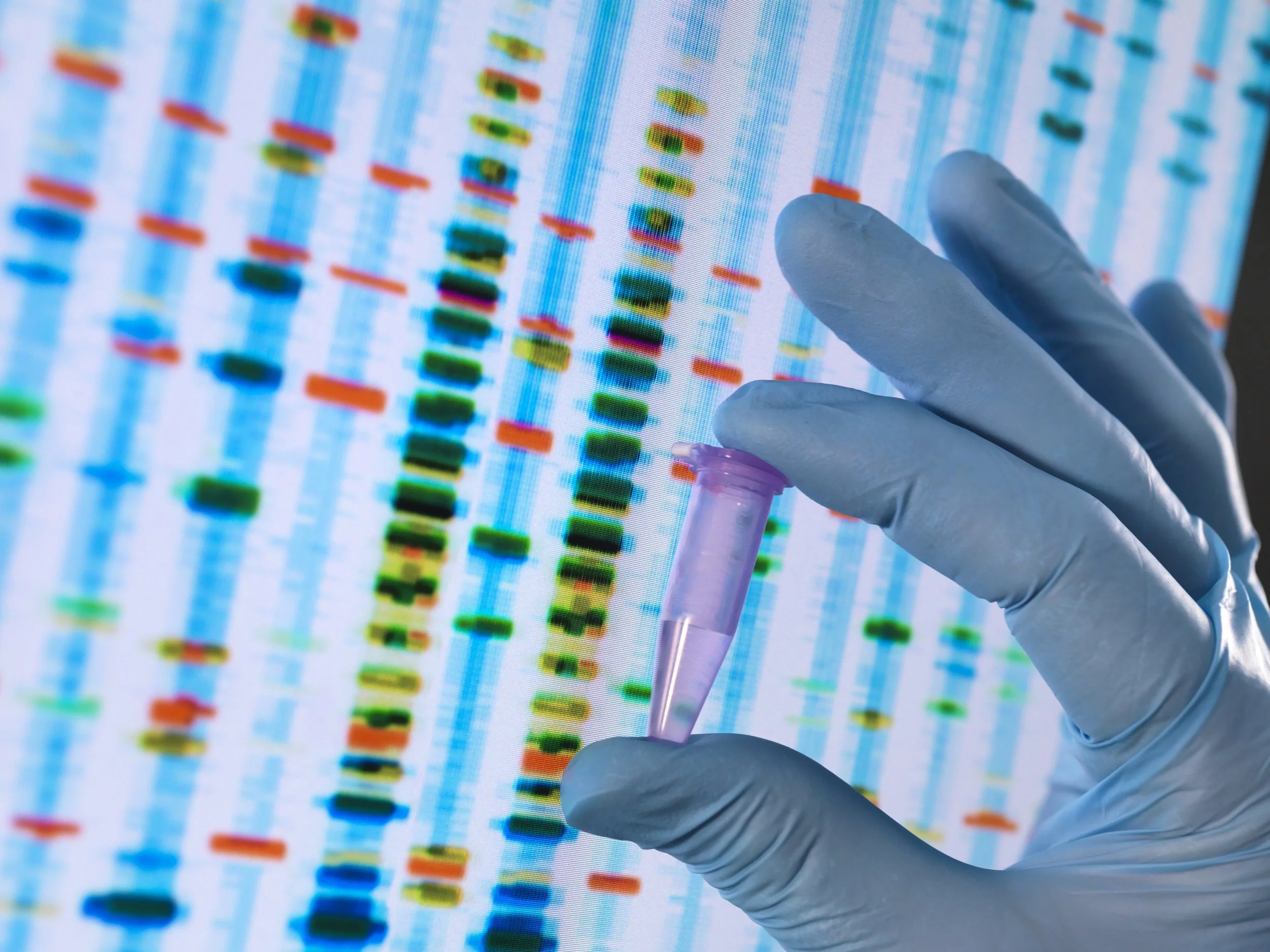
This month, the New York Times reported that scientists at Columbia University announced the discovery of a new technology to precisely edit the genes of human embryos—genetic changes that impact every cell in a person’s body and any of their future children. The proponents of this research speak of the value of eradicating diseases like Duchenne muscular dystrophy and Huntington’s disease with a gene clip, but critics assert that the science is still unsafe and prone to off-target edits or unintended genetic modifications and can result in negative consequences for the embryo and future generations. Moreover, bioethicists and advocates raise societal concerns about hurtling toward the eugenic use of this technology—saying the conversations about ethical use should happen before the research is complete. Currently, this work has been isolated to lab experimentation in a petri dish where only 1/3 of the embryos survived to the blastocyst stage and were not implanted —and the results are still under peer review and have not yet been published in a peer reviewed journal.
However, this study was co-authored and funded by Nucleus Genomics, a company that has made no secret of their desire to help couples “have their best baby,” with all of its eugenic undertones. In fact, Nucleus Genomics ran an ad campaign on New York City subways under the banner of “Have Your Best Baby” with signs indicating “Height is 80% genetic” and “IQ is 50% genetic.” These companies currently combine embryo screening and IVF to try and select embryos for certain traits like health, intelligence, height, eye color—though the actual accuracy of polygenic embryo screening for complex traits like intelligence is highly questionable. However, the goal for both embryo screening and even riskier gene editing is clear: designer babies. The venture capitalists funding companies like Nucleus Genomics, Genomic Prediction, and Orchid see the dollar signs of selling this technology and normalizing this approach to reproduction and parenting, and Nucleus Genomics has already announced their intention to fund the next phase of this research.
Many of the initial justifications for heritable human gene editing cite conditions that cause early childhood death such as Tay Sachs disease—with assurances that the science will never be used for designer babies but to cure fatal diseases. However, in this case we already know that the intent of the research funders is to produce babies who are perceived as the best, the most intelligent, and the most healthy, and we can safely conclude that these scientists and venture capitalists do not conceive of babies with disabilities, particularly intellectual disabilities, as favorable outcomes. In fact, disability prevention is one of their clear objectives. Yet, this point is not addressed in these public conversations, and the perspectives of people with disabilities are rarely included even though they are the population most immediately targeted by this technology.
The ableist assumption pervading among the researchers and scientists promoting this science and often in media coverage is that disability prevention is laudable … even though people with disabilities have always been part of the fabric of humanity, and many report that they are happy with their lives and see their disability as an important part of their identity. The science is moving forward—driven by researchers and titans of industry—to eradicate disability from the DNA of humanity without input from the disability community or even the broader society about who and what we value.
The time is now for the disability community to make this a priority policy issue as a fundamental existential threat to the population. We need to call this science out for what it is: Venture Capitalist Eugenics.
Currently, the only regulations preventing the development and commercialization of this technology in the US are appropriations restrictions for using federal funds in research where an embryo is created or destroyed and FDA restrictions on biological products involving a human embryo that is intentionally created or modified to include a heritable genetic modification. Therefore, the regulation of this technology is both fairly limited and tenuous because companies can conduct this research in the US without federal funding. So, what can we do to ensure that this commercialization of Venture Capitalist Eugenics does not move forward?
We can stay abreast of these articles coming out of Silicon Valley about heritable human genome editing and embryo screening and advocate for disability representation in any conversation about it, particularly given the position of the disability community as a historically marginalized population that was and is targeted by eugenic practices.
Unify around policy priorities to address this issue. In 2024, the National Council on Disability released a report “From Fetal Surgery to Gene Editing: The Current and Potential Impact of Prenatal Interventions on People with Disabilities” conveying cross disability perspectives on heritable human genome editing and outlining a number of policy recommendations for a more ethical and community-informed approach to this technology. Some of the most pressing recommendations include:
• Given the overwhelming societal and medical risks involved with heritable human genome editing, we can advocate for legislation to expressly prohibit heritable human genome editing as has been done in Europe by the 29 countries that have ratified the Council of Europe’s Convention for the Protection of Human Rights and Dignity of the Human Being with Regard to the Application of Biology and Medicine: Convention on Human Rights and Biomedicine (the Oviedo Convention).
• We can advocate for the funding of education initiatives and social forums for educating about controversial fetal intervention technologies and debating them before adopting them into practice, including all the interested parties, to determine parameters for if or when these technologies might be utilized and under what circumstances.Follow the Alliance for Disability Ethics and Justice in Reproductive Genetics, an initiative being led by the Genetic Support Foundation to:
• Identify and advance 1–3 shared policy priorities each year that promote disability justice and ethical practices in reproductive genetics.
• Ensure these priorities are shaped by both cross-disciplinary expertise and the lived experiences of people with disabilities.
• Collaborate on advocacy, public education, and policy efforts to amplify our collective voice.
These ideas are not yet mainstream, affordable, or scientifically valid, so there is still time before the train leaves the station. However, these reproductive technologies are currently being highlighted at prestigious events like the 2026 Aspen Ideas Festival and supported by powerful billionaires in Silicon Valley. So, we need to seek policy interventions and regain control of the narrative now before they succeed at normalizing Venture Capitalist Eugenics.
About the Author

Stephanie Meredith, DrPH, is a doctor of public health with a focus on disability and health, and she works as the Director of the Lettercase National Center for Prenatal and Postnatal Resources at the Genetic Support Foundation and LEND Family Faculty at the University of Kentucky. She is also the author and co-author of numerous books about Down syndrome and other conditions. Further, she is the mom of a wonderful young adult with Down syndrome.