
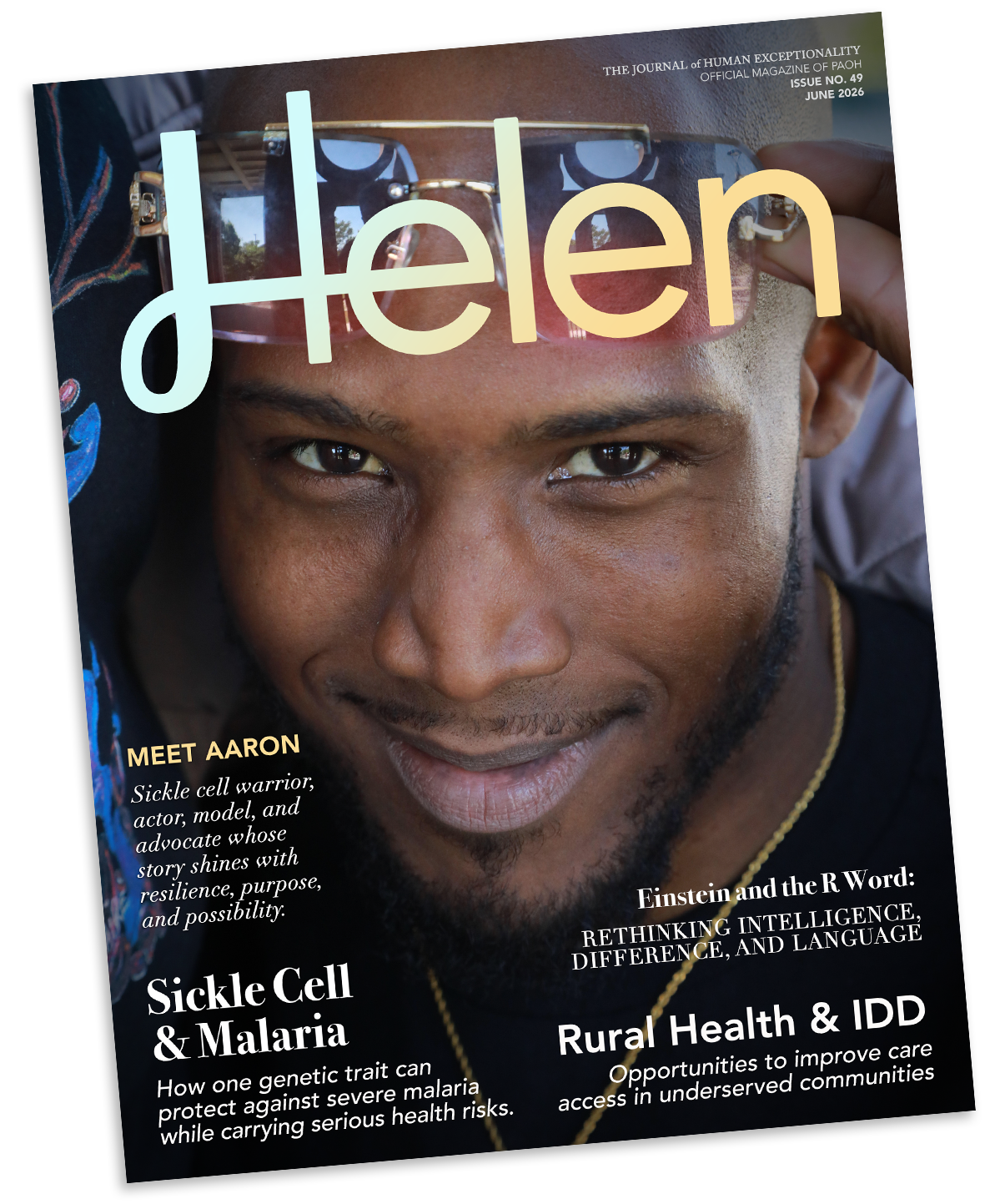
Cover Photo: Rick Guidotti, Positive ExposureJune 2026
Our June cover features Aaron Turpin, a sickle cell warrior, actor, producer, and international model whose story reflects resilience, purpose, and possibility.
World Sickle Cell Day is June 19.
Sickle cell disease affects more than 100,000 people in the United States and millions worldwide, yet many warriors still face misunderstanding, delayed care, and limited access to treatment.
Learn more about Aaron, Shine the Light on Sickle Cell, and the power of visibility in our cover story below.
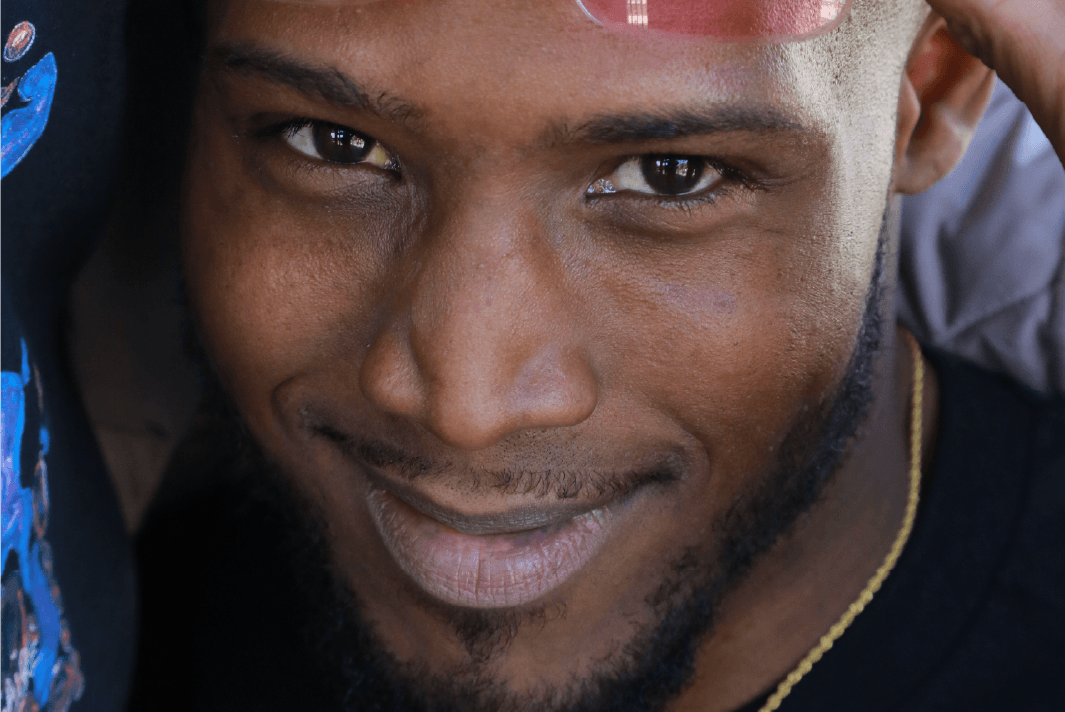
Shining the Light on Sickle Cell
Karen Proudford, Zemoria Brandon, and Mary LaMar
Aaron Turpin has spent nearly his entire life battling sickle cell disease, but his story is also one of resilience, visibility, and purpose. This cover story explores the realities of sickle cell disease, the Shine the Light on Sickle Cell movement, and Positive Exposure’s effort to portray sickle cell warriors through humanity, strength, and possibility.
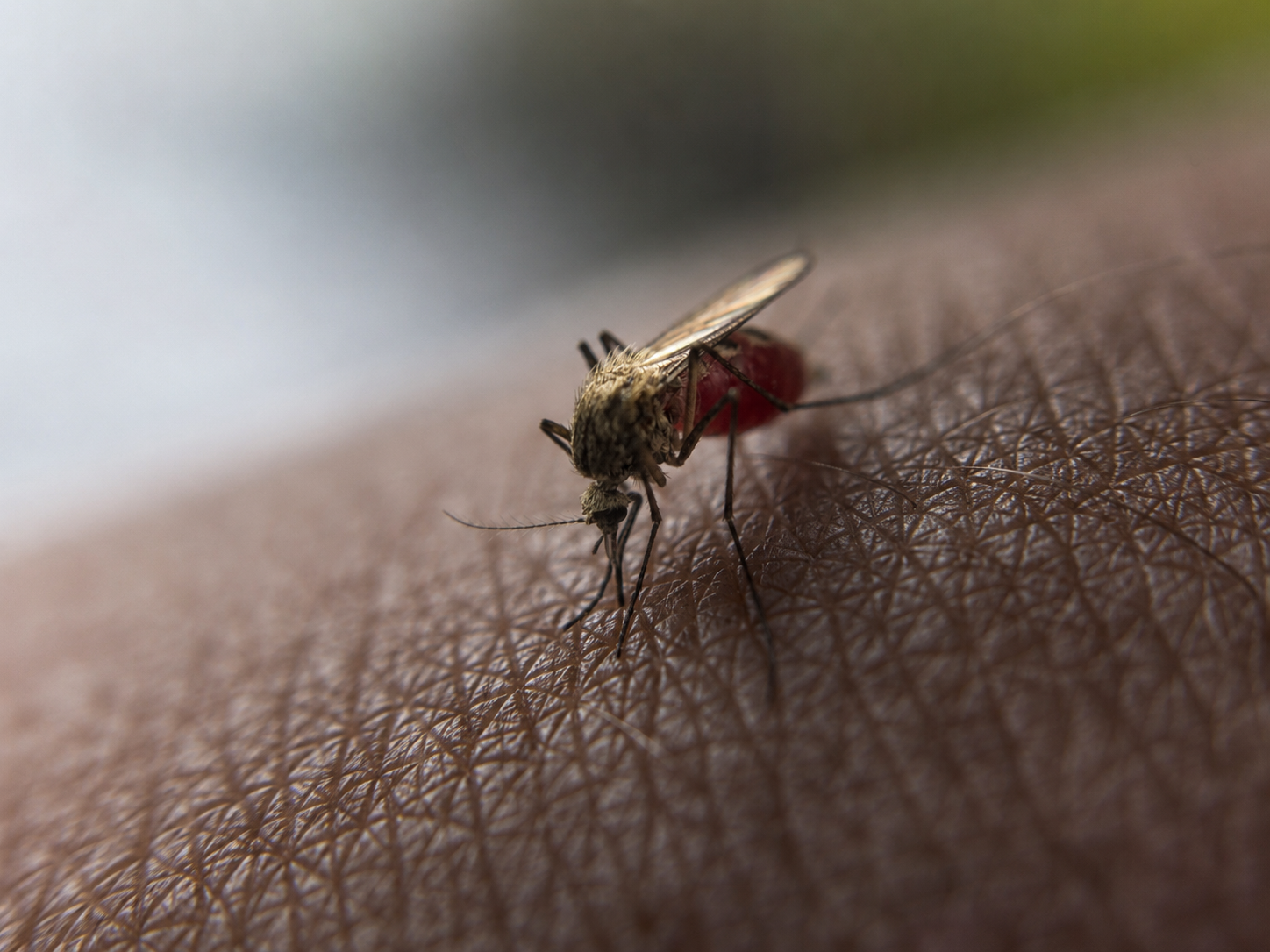
Sickle Cell Trait and Malaria
Tii Ngwachi Munghieng, MD
This article explains how the sickle cell trait can protect against severe malaria while also increasing the risk of sickle cell disease when both parents are carriers. Using clear scientific explanations, it explores genetics, malaria resistance, evolutionary adaptation, and the public health challenges facing regions where both conditions are common.

Einstein and the R Word
Rick Rader, MD, FAAIDD, FAADM, DHL (hon)
Dr. Rick Rader reflects on Albert Einstein’s genius, reported developmental differences, and use of the word “retarded” to describe his own intellectual development. The essay considers how language changes over time while challenging assumptions about intelligence, difference, persistence, and unconventional thinking.

President’s Message
Dr. Steve Perlman
A memorable conversation with a young patient named Petunia leads Dr. Steve Perlman to reflect on the stories, meanings, and identities carried in our names—including the name Helen, a symbol of brightness, illumination, and purpose.

The Rural Health Transformation Program
Dr. Craig Escudé and Julie Foster Hagan
A conversation about the Rural Health Transformation Program explores how this major federal investment could improve healthcare access, workforce development, telehealth, chronic disease management, and care coordination in rural communities—if people with intellectual and developmental disabilities are intentionally included in the planning.
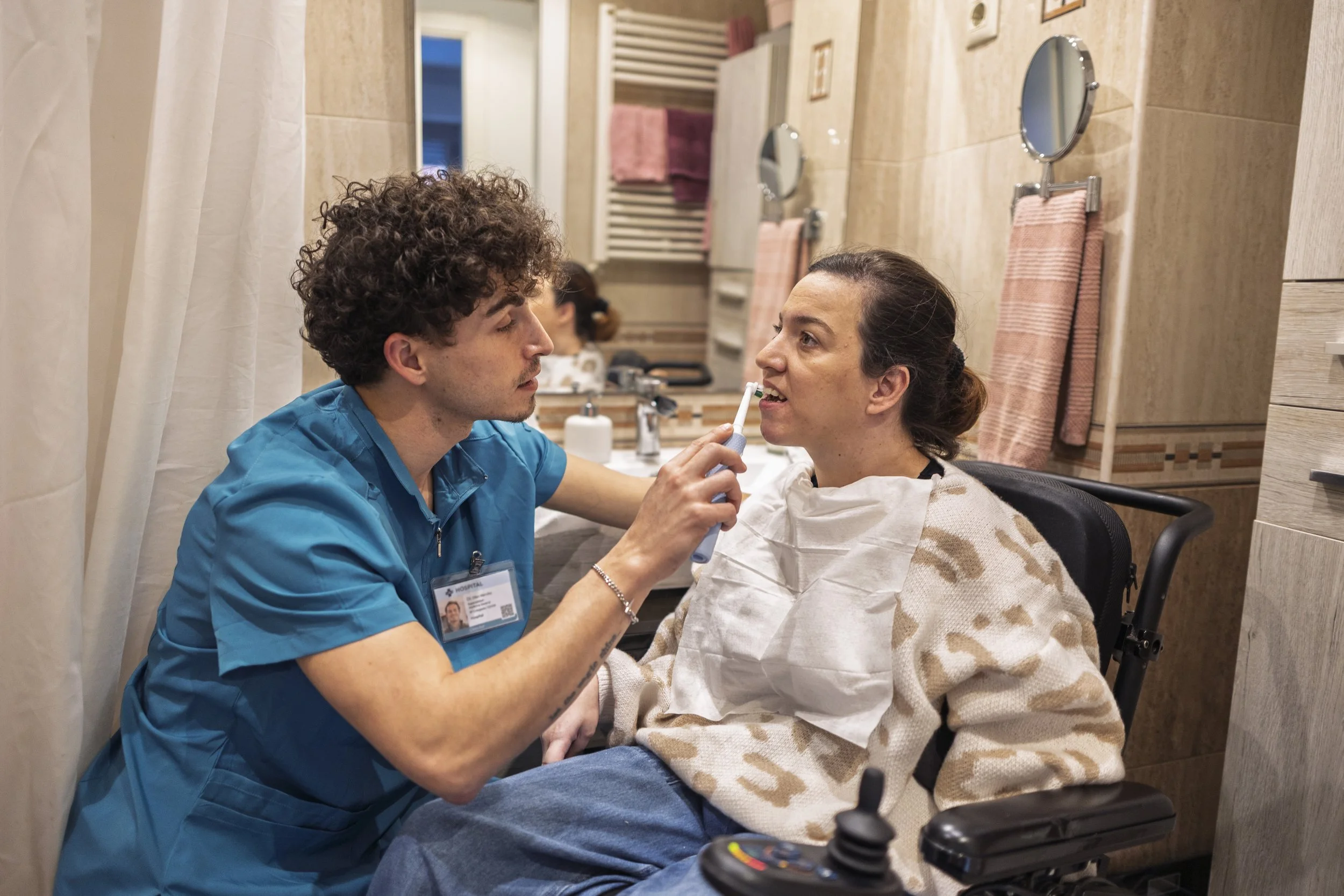
A Strategy for Better Care
Fred Ferguson DDS, Mark Moss, DDS, PhD and Fred Sharpe, DDS, JD
This article proposes a preventive, data-driven care strategy for individuals with special needs, using oral health as an early and practical starting point. By engaging caregivers sooner, tracking daily health behaviors, and connecting families with dental and medical providers, the authors argue that healthcare systems can improve coordination, reduce inequities, and shift from reactive treatment toward predictive, preventive care.
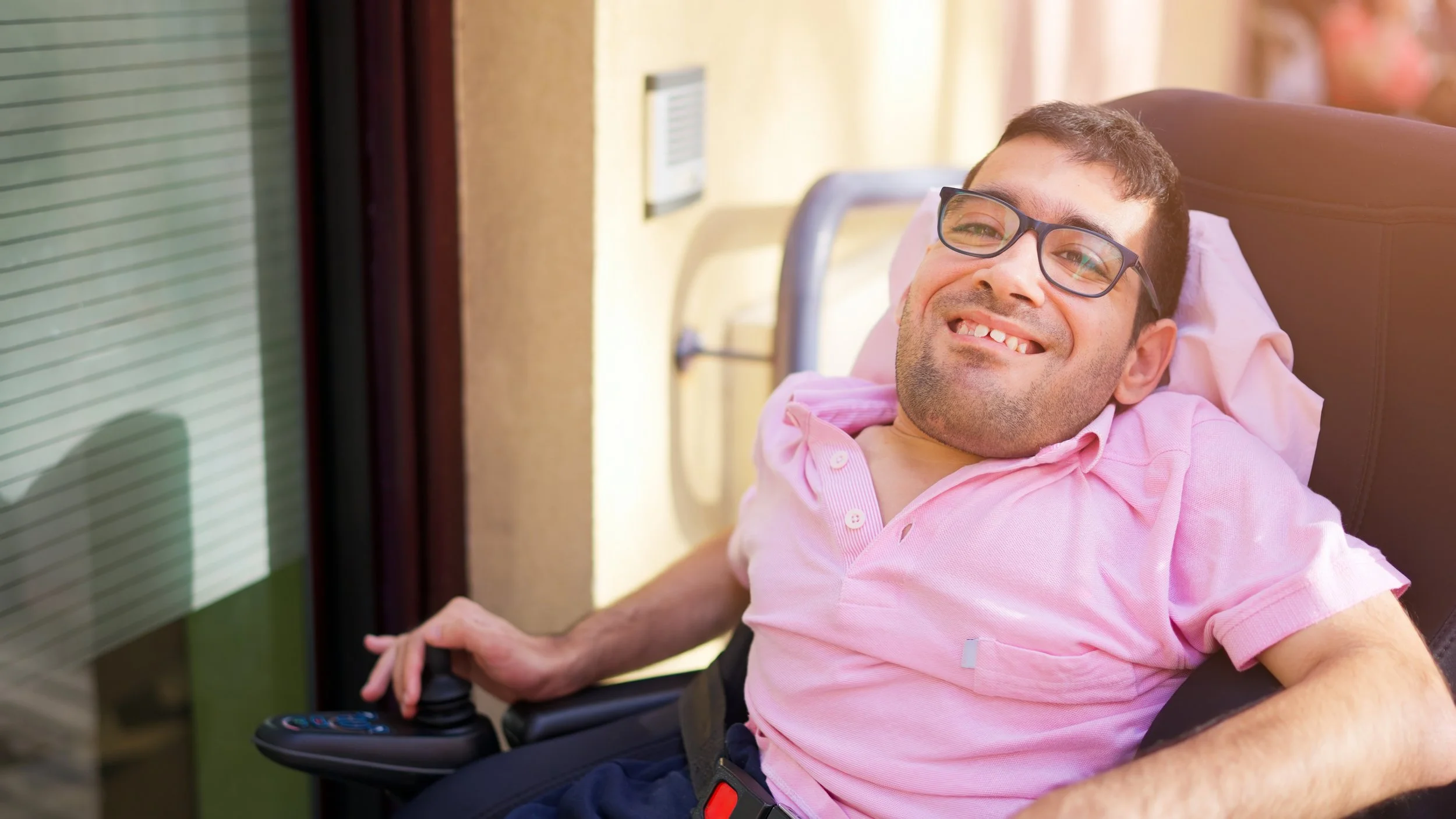
Have Healthy Teeth
Donna B. Bainbridge, EdD, PT, AT-Ret, CIFT
A University of Montana pilot program shows how adults with intellectual and developmental disabilities can improve oral hygiene with clear instructions, adapted toothbrushes, and minimal support. The article highlights how simple, home-based strategies can reduce plaque and gingivitis while helping participants build lasting brushing habits.
Down Syndrome and Elite Performance
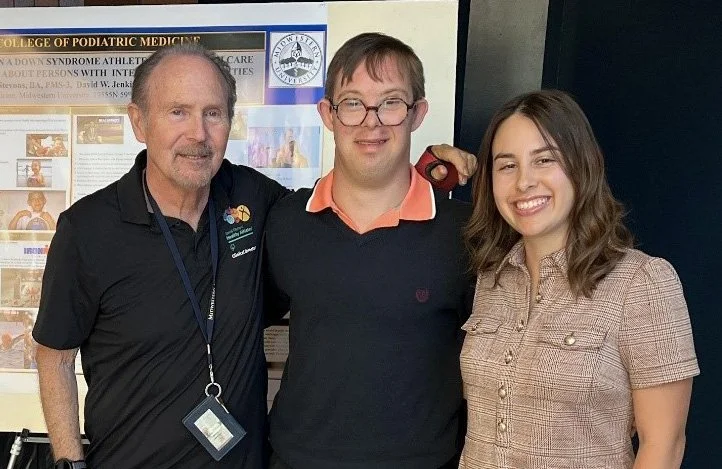
Alicia Stevons, DPM & David W. Jenkins, DPM
The story of Chris Nikic, the first person with Down syndrome to complete an Ironman triathlon, challenges assumptions about what people with intellectual disabilities can achieve. This article explores how high expectations, supportive coaching, resilience, and opportunities to take risks can help individuals pursue independence, confidence, and extraordinary goals.

Choosing Motherhood With Disability
Linda Long-Bellil
Drawing from interviews with mothers with physical disabilities, this article explores the role of resilience in pregnancy and parenting. Participants describe how self-efficacy, disability identity, creative problem-solving, support systems, and resistance to stigma helped shape their experiences as mothers.
TRAP Makes Learning Fun
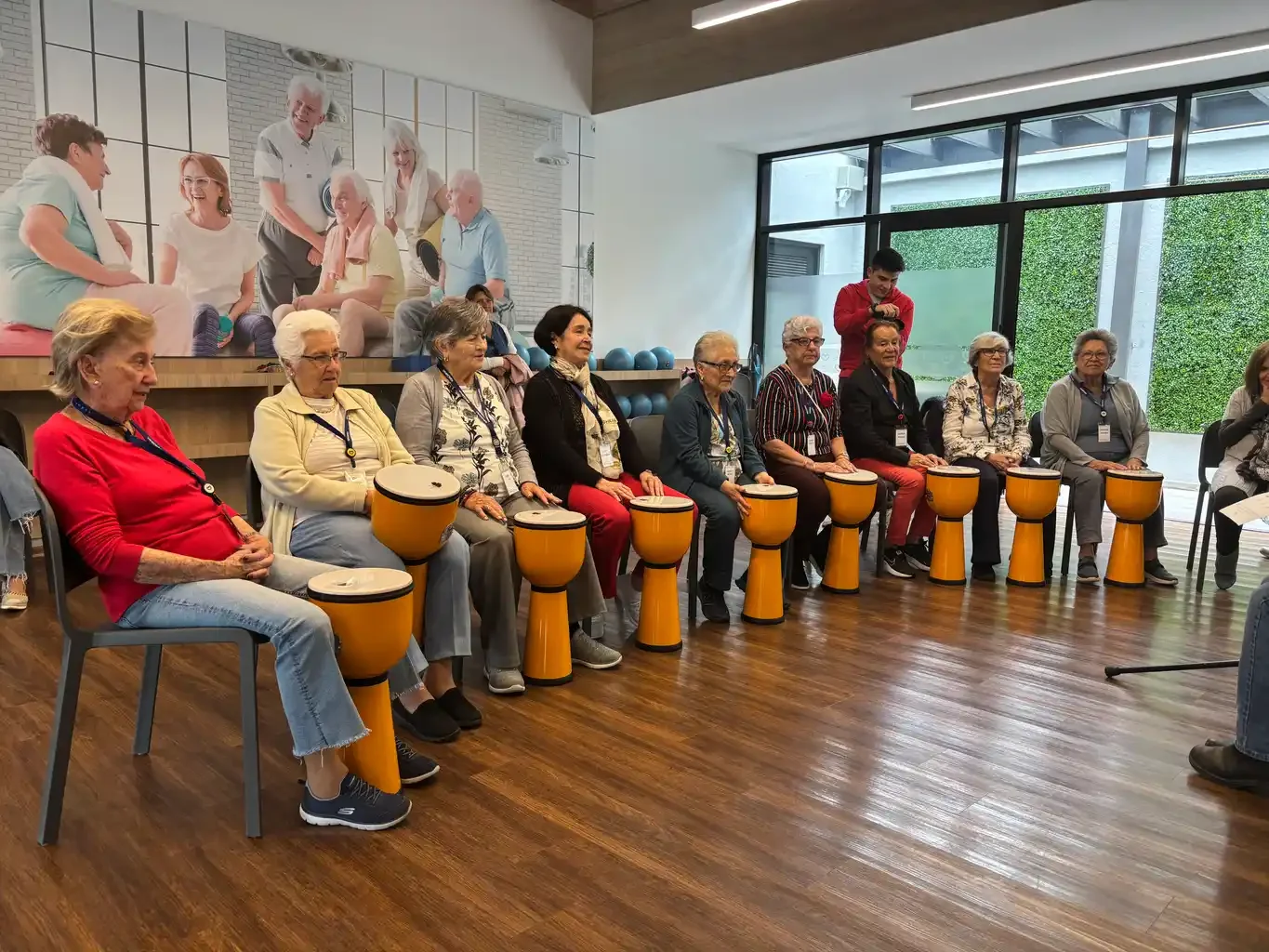
Eddie Tuduri
Eddie Tuduri reflects on the origins of The Rhythmic Arts Project and how his own experience with physical disability helped shape a rhythm-based teaching method that supports movement, learning, inclusion, and connection for people with intellectual and developmental disabilities.

Key Issues
Dr. Gloria L. Krahn, PhD, MPH
This KEY ISSUES article traces the historical roots of health inequity among people with intellectual and developmental disabilities, exploring how disability models, institutionalization, eugenics, family advocacy, legislation, and international human rights frameworks have shaped the movement from exclusion toward visibility, inclusion, and health equity.

Helen’s Heroes
Crissy Renner
This HELEN’s HEROES feature honors Dr. Philip B. May Jr., a longtime leader in developmental medicine whose work has advanced clinical training, metabolic bone health, quality improvement, and more inclusive healthcare for adults with intellectual and developmental disabilities.
Ableist Rhetoric
Mayra Elena Salgado
This review examines James L. Cherney’s Ableist Rhetoric: How We Know, Value, and See Disability, a dense but important contribution to disability studies that explores how language, culture, history, and social institutions shape perceptions of disability and reinforce ableist assumptions.
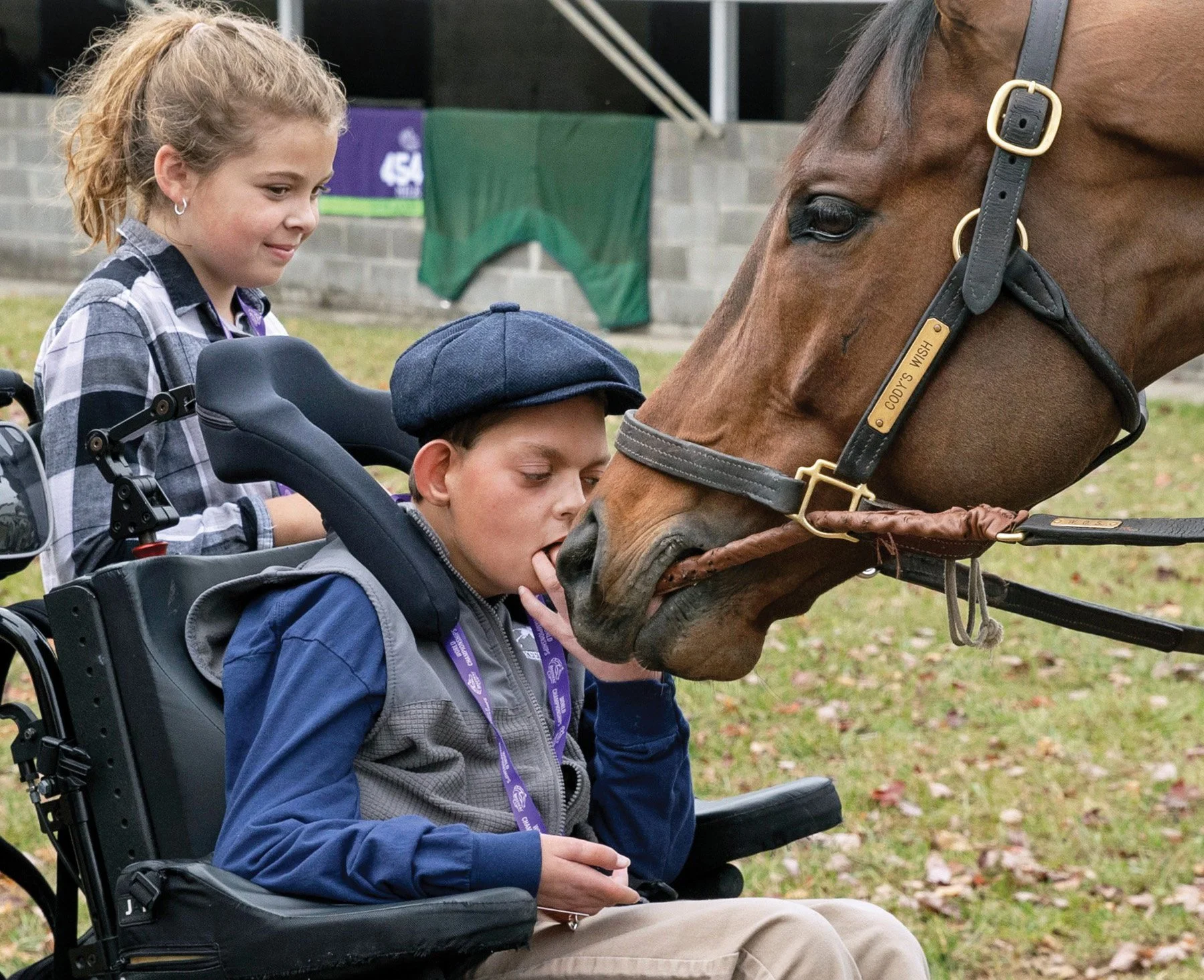
Cody’s Wish
A routine horse racing assignment became the beginning of a remarkable story about Cody Dorman, a boy with Wolf-Hirschhorn Syndrome, and Cody’s Wish, the racehorse who bonded with him and went on to become a champion. This article reflects on their friendship, Cody’s resilience, and the book inspired by their unforgettable connection.

Events & Webinars
Down syndrome-associated Alzheimer’s disease, palliative care for adults with intellectual disability, dementia and IDD, aging adults with IDD, and more

From Our Friends
Safeguarding Health for People with IDD, Disability Healthcare Justice, Medical Care for Adults with Down Syndrome, Autism-Affirming Mental Health Strategies, and more

From the Stacks
Disability Discrimination in Healthcare, Realizing the Promise of Olmstead, Anti-Racism in Medical Education, IDD-Inclusive Nursing Curriculum, and more