
Helen’s Heroes
Dr. Philip May
Crissy Renner
Establishing a Foundation for Inclusive Medicine
Historically, individuals with intellectual and developmental disabilities (IDD) have faced systemic barriers to quality healthcare due to a shortage of clinically trained providers. Dr. May chose to confront this gap directly.
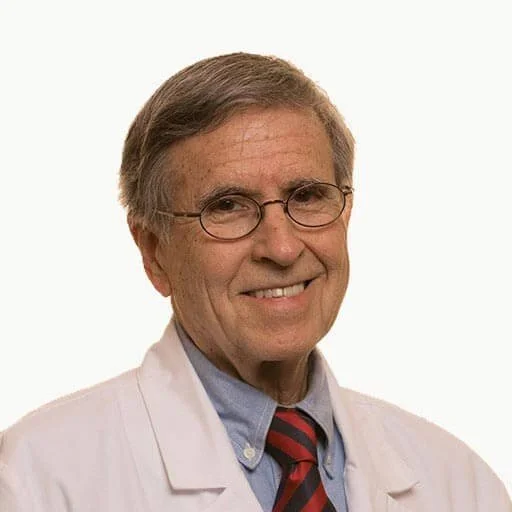
He earned his Doctor of Medicine from the University of North Carolina at Chapel Hill and later centered his medical career on treating vulnerable populations. His career hit an inflection point in the early 2000s when he assumed the presidency of the AADMD Board, serving as the organization's National President from 2002 to 2004.
During this formative era for the AADMD, Dr. May spearheaded efforts to bridge the gap between traditional medicine and the unique requirements of the IDD community. He worked to establish professional standards, expand clinical training for physicians, and advocate for federal policy changes to integrate disability competency into standard medical school curricula.
Pioneering Research and Metabolic Bone Health
Beyond his executive leadership, Dr. May is heavily respected for his niche clinical research, specifically focused on metabolic bone health and fracture prevention in adults with neurodevelopmental disorders.
Patients with severe developmental disabilities often present a high risk for bone density loss, premature osteoporosis, and subsequent fractures. This risk stems from a combination of mobility limitations, specific anticonvulsant medications, and metabolic differences. To address this, Dr. May:
Led Clinical Innovations: He developed targeted screening and treatment protocols to safeguard bone health and preserve mobility.
Chaired the AADMD Task Force: In 2013, he coordinated a specialized AADMD Task Force for Vitamin D and Bone Health to standardize clinical approaches nationwide.
Educated the Workforce: He authored professional articles and lectured extensively to medical students, expanding the network of specialized care providers.
Institutional Leadership and Career Accolades
Dr. May’s career spans across prestigious clinical and academic institutions, where he has accumulated a stellar reputation for service. Notable milestones and roles include:
AADMD: National President (2002–2004)
Lee Specialty Clinic: Director, Quality Improvement Program Development
International Foundation for Chronic Disabilities (IFCD): Director of Physician Education & Medical Quality Improvement
University of Louisville School of Medicine: Clinical Associate Professor of Medicine (Gratis)
Throughout his decades of practice, Dr. May has been celebrated by peers, students, and advocacy networks alike. His accolades are reflected in his appointment to elite oversight roles, where he directs medical quality improvement initiatives that directly impact patient outcomes. His former students and colleagues frequently cite him as an inspiration, describing him as a fundamental pillar who transformed developmental medicine from an overlooked subfield into a structured, highly compassionate clinical discipline.
Dr. Philip B. May Jr. has built an extensive 56-year career in Internal Medicine, practicing continuously since graduating from the University of North Carolina at Chapel Hill School of Medicine in 1970. Over more than five decades, he has transitioned from standard adult primary care to pioneering the complex clinical infrastructure required to support aging adults with severe neurodevelopmental and intellectual disabilities (IDD).
Core Areas of Impact & Daily Practice
Quality Improvement Infrastructure: At the Lee Specialty Clinic in Louisville, Kentucky, Dr. May designs metrics that measure how effectively healthcare systems serve patients with severe cognitive disabilities. His work establishes protocols that reduce diagnostic errors and improve clinical tracking for complex, non-verbal patients.
Academic Multiplier Effect: As a Clinical Associate Professor of Medicine at the University of Louisville, Dr. May works to combat the lack of IDD training in standard medical curricula. He explicitly instructs future physicians on how to spot subtle, atypical presentations of disease in patients who cannot verbally communicate their pain or symptoms.
Peer-Reviewed Contributions: Dr. May has co-authored five peer-reviewed clinical articles detailing preventative health interventions for adult disability care, ensuring his clinic's field findings are translated into broader, evidence-based academic medical literature.
Key Institutional Milestones
His operational career is built across three primary organizations, allowing him to drive policy, education, and direct clinical intervention simultaneously.
Clinical Philosophy
Dr. May’s long-term career focus centers on the reality that adults with severe intellectual and developmental disabilities are frequently excluded from standard clinical protocols as they age. Rather than treating disability as a checklist of separate issues, his methodology approaches the patient through standard Internal Medicine diagnostic lenses, adapted precisely for physical and cognitive differences. His decades of work ensure that preventative screening, bone fracture mitigation, and metabolic tracking are treated with the exact same rigor as any mainstream medical specialty.

About the Author
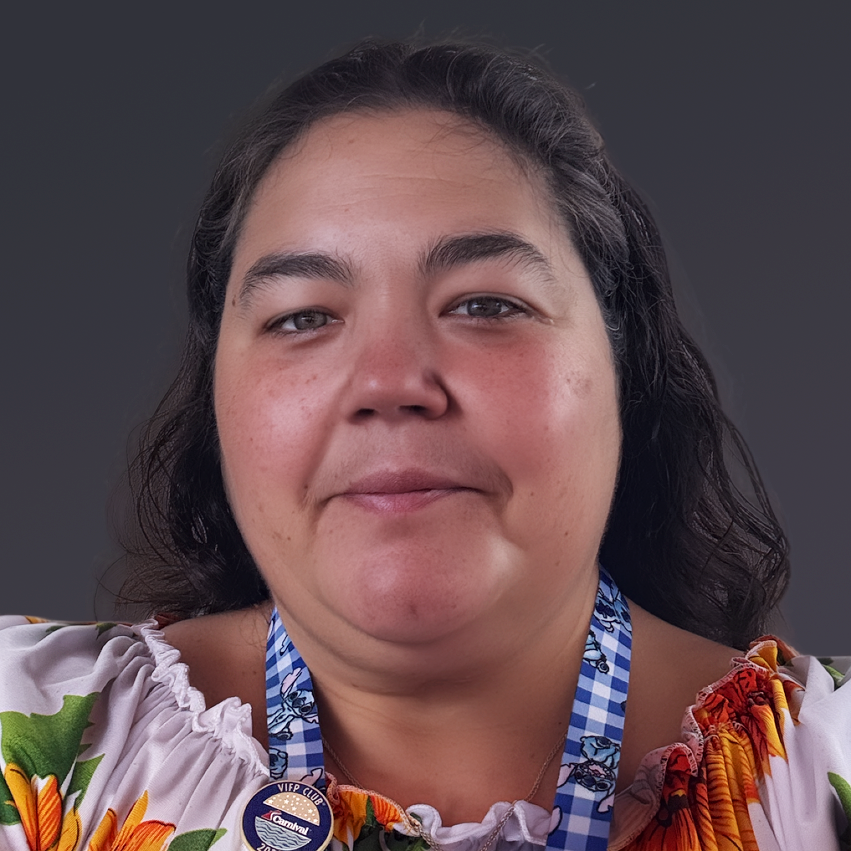
Crissy Renner holds a degree as a National Certified Medical Assistant (NCMA). She is currently working at the Orange Grove Center in the Morton J. Kent Habilitation Center with Dr. Rick Rader as his Administrative Assistant. While at her position at Orange Grove, she has accomplished becoming the Special Olympics Coordinator, a Dementia trainer, Managing Editor of HELEN, and the Executive Assistant to Project D.I.M.E.
During her time working for Orange Grove Center, she has grown in many areas and has become an integral part of Project D.I.M.E., and at Orange Grove with the inner workings of many important projects.