
On the Thing We All Get
Dr. Steve Perlman
Summary: Dr. Steve Perlman reflects on a memorable encounter with a young patient named Petunia, whose curiosity about his name leads him to think more deeply about the meaning, history, and identity carried in names. The message connects that reflection to Helen itself, whose name evokes brightness, illumination, and purpose.
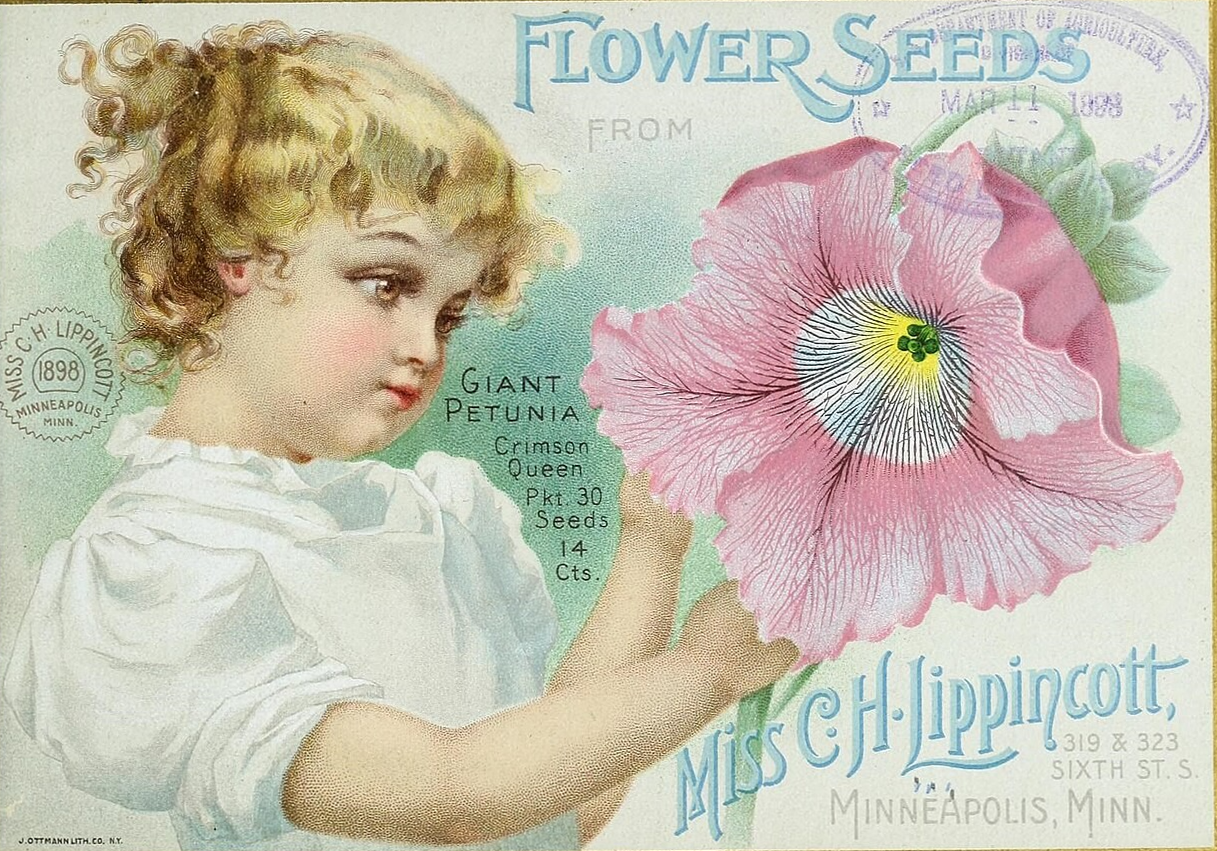
It started like every other day in my frenzied and hectic practice.
My dental assistant Maureen popped her head in my office and said, “Dr. Perlman your first patient is in Exam Room 3. Her name is Petunia and she is a 7-year-old girl with Williams Syndrome.”
I smiled; a smile that was connected to my knowledge of Williams Syndrome. I recalled that it’s a rare genetic neurodevelopmental disorder caused by the deletion of a handful of genes on chromosome 7. One of the endearing features of Williams is that they are exceptionally known for their bubbly, highly sociable and empathetic personalities, often being overly trusting of strangers. While we know the pratfalls of generalizing (which indeed is what ‘syndromes’ do) they are known to often possess highly developed verbal skills, strong memories, and having a remarkable affinity for music. I have heard they referred to as being ‘’elfin like.”
I walked to the chair, extended my hand, and said, “Good morning, Petunia, I’m Dr. Perlman and I’m going to take care of you this morning.”
She put both of her hands on my extended hand and brought it towards her and kissed my hand. Then she said, “What’s your name again.” I said, “It’s Dr. Perlman.”
She said, “So, what’s with your name? Are you a man with a pearl? If so, where is your pearl? How could I trust someone who is hiding his pearl?’’ All I was able to think was after forty years of practice no one had ever dissected my name, and indeed, it made sense.
I couldn’t help laughing. She then asked, “Okay besides the pearl what do they call you at home.?” To say I was caught off guard is an understatement.
Maureen was watching this from the entrance of the cubicle. She was trying to stay one step ahead of the encounter. I asked Petunia what she meant by wondering about the other part of my name. She said, “You know when you’re late for dinner what does your wife call you?” I had to think since I was rarely late for dinner.
Maureen steps in and says, “Petunia, they call him Stephen, or just Steve.”
Petunias eyes opened wide and said, “So Stephen, or just Steve what’s that name all about.”
With a little quick help from Google, Maureen broke my silence and said, “The name Stephen means honor, hero, fame, and reward. So, you’re in good hands for sure.”
Petunia smiled and said, “So I have a famous, hero dentist with a pearl. Okay let’s get the show started.”
My interaction with Petunia stayed with me all day; and indeed, followed me home.
Petunia initiated a newfound thirst for thinking about people’s names.
There are 30 million unique first names on earth and every single one carries a story. Your name is more than what people call you. It holds culture, family, history, identify, and a little map of where you come from. About 14% of people in the United States have the same 25 first names.
Names are powerful identify markers that shape social interactions, psychological development, and even life choices. They vary drastically across cultures, carry deep meanings, and trigger automatic brain responses.
The most common last name in the U.S. is Smith. Originating as an occupational name for a blacksmith, nearly 2.5 million Americans share it.
Many cultures do not use surnames. For example, the Icelandic system relies entirely on patronymics, where a person’s last name is derived from their parent’s first name.
I was amazed to learn about “extravagant naming.” The famous artist Pablo Picasso had around 15 names. His full name was Pablo Diego Jose Francisco de Paula Juan Nepomuceno Crispin Crispiniano Maria de los Remedios de la Santisima Trinidad Ruiz Picasso.
And whether you believe that a person’s name reflects their spirit, character and identity just look at the name on the front of this journal, “HELEN.” The name Helen is of ancient Greek origin, translating to “torch,” “bright light,” or “shining one. It is fundamentally associated with radiance, brilliance, and illumination.
And while Shakespeare in Romeo and Juliet reflected on names by his famous quote:
“What’s in a name? That which we call a rose by any other name would smell as sweet.”
In my opinion it was the comedian W.C. Fields who captured it all:
“It’s not what they call you, it’s what you answer to.”
Thanks to Petunia for starting this.
About the Author

Steve Perlman, DDS, MScD, DHL (hon) President, People Advocating for Optimal Health (PAOH) Special Projects Sr., Editor Helen: The Journal of Human Exceptionality