
Eddie Tuduri
Summary: Eddie Tuduri reflects on how his own experience with physical disability shaped the development of The Rhythmic Arts Project. He explains how TRAP grew from rehabilitation-based rhythm exercises into a broader methodology supporting learning, movement, inclusion, and joy for people with intellectual and developmental disabilities.
I have empathy for what disability is, physical disability. My diagnosis is Quadriplegic as determined by the late, respected Dr. Scott Conner of Santa Barbara.
Anyone who knows me appreciates that I work primarily with Intellectual and Developmental Disabilities. In my mind’s eye, I can see how my own challenges assist me in relating to my students—not so much intellectually, though I strive to understand more every day, but in the realm of physical difficulty. Navigating daily life, its twists and turns, broken sidewalks, and unexpected faults. Such cracks that can lead to falls resulting in head trauma, broken bones, and painful recovery.
*Bumps, bruises, scrapes, brain fog, and black eyes! Yep! been there, done that.
“Ouch!”
Though my paralysis is manageable, falling will always be my nemesis.
What I experience is a small fraction of what many of my students face every day. Nevertheless, it has enhanced how I understand and support them.
Their lives are not so different from ours. They live life to its fullest, they are thrilled to learn new lessons in reading, writing, and arithmetic, ok, maybe not arithmetic, to play games, sing and dance and especially love their friends and family deeply.
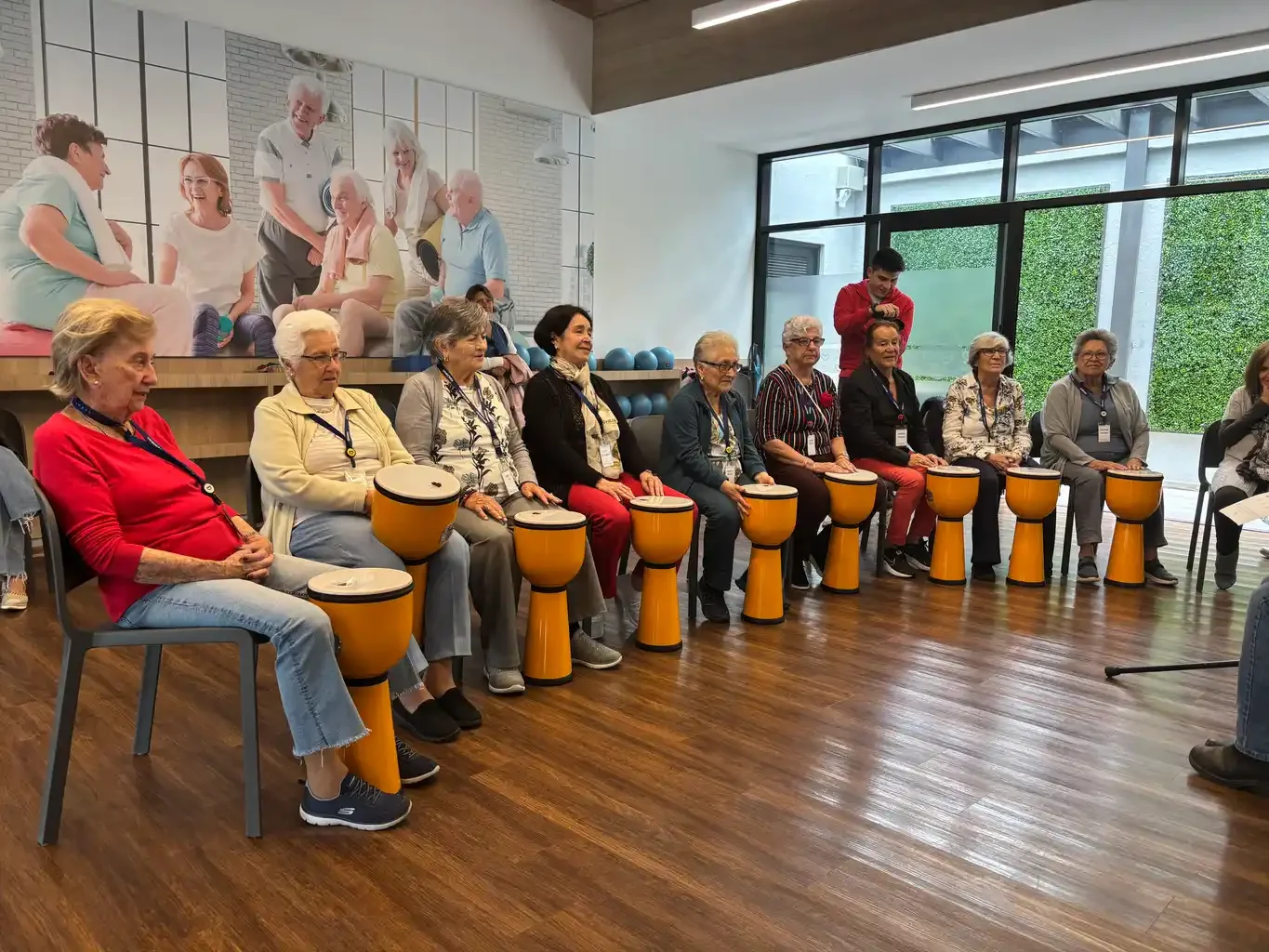
When I founded TRAP in 1997, I had no idea what the Intellectual and Developmental Disability population necessitated. I had developed a program to enhance the lives of my fellow patients at the Rehab in Santa Barbara where I spent six weeks of my life in recovery after my spinal cord injury/ surgery.
Drums and percussion instruments were my motivation to create a methodology for those of us in the hospital and ultimately, the Rehabilitation Center. Beyond the hospital and subsequent six weeks in Rehab, I spent the next three years as a volunteer at The Santa Barbara Rehabilitation Institute. I developed a partnership with Libby Whaley; Recreational Therapist, and we took the project to the next level.
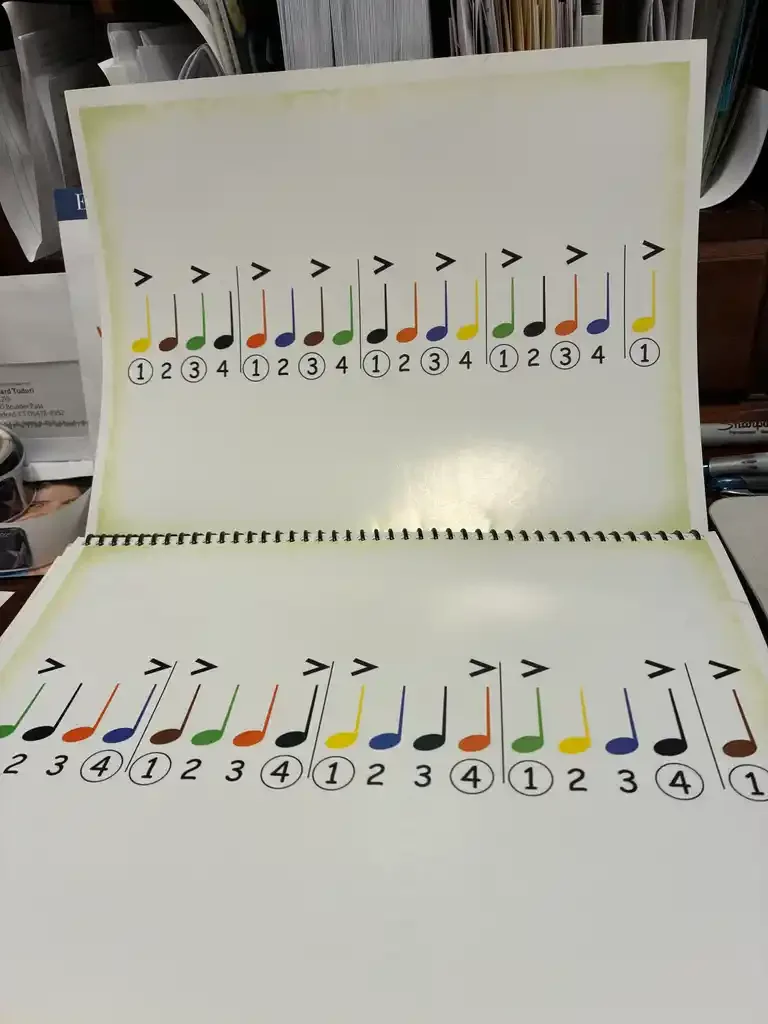
Libby coined the practice “Rhythm Therapy.” Libby and others, all therapeutic disciplines in fact, Occupational, Physical, and Recreational, facilitated applicable therapies associated with their patients using the instruments and guidance we provided.
The term “Rhythm Therapy” was appropriate only in collaboration with the various therapists I worked with. As I expanded and reached far beyond our inception, a new title was born:
The Rhythmic Arts Project.
This, yet another beginning expanded our understanding and depth of the science that intwined our exercises and became specific to our methodology. It had far surpassed our initial ideas, hopes and dreams in what we might accomplish.
We addressed laterality, temporal organization, fine and gross motor skills, kinesthetic awareness, vestibular balance conditions and more.
In our facilitator training we emphatically ask that our students research the science and explicit physical and mental benefits of our individual exercises address. This leaves no ambiguity as to what TRAP endeavors to achieve.
I will address this subject in more detail in my next column, until then …
*We foster inclusion, hope and dreams for those with Intellectual and developmental differences as well as their typical peers.
About the Author
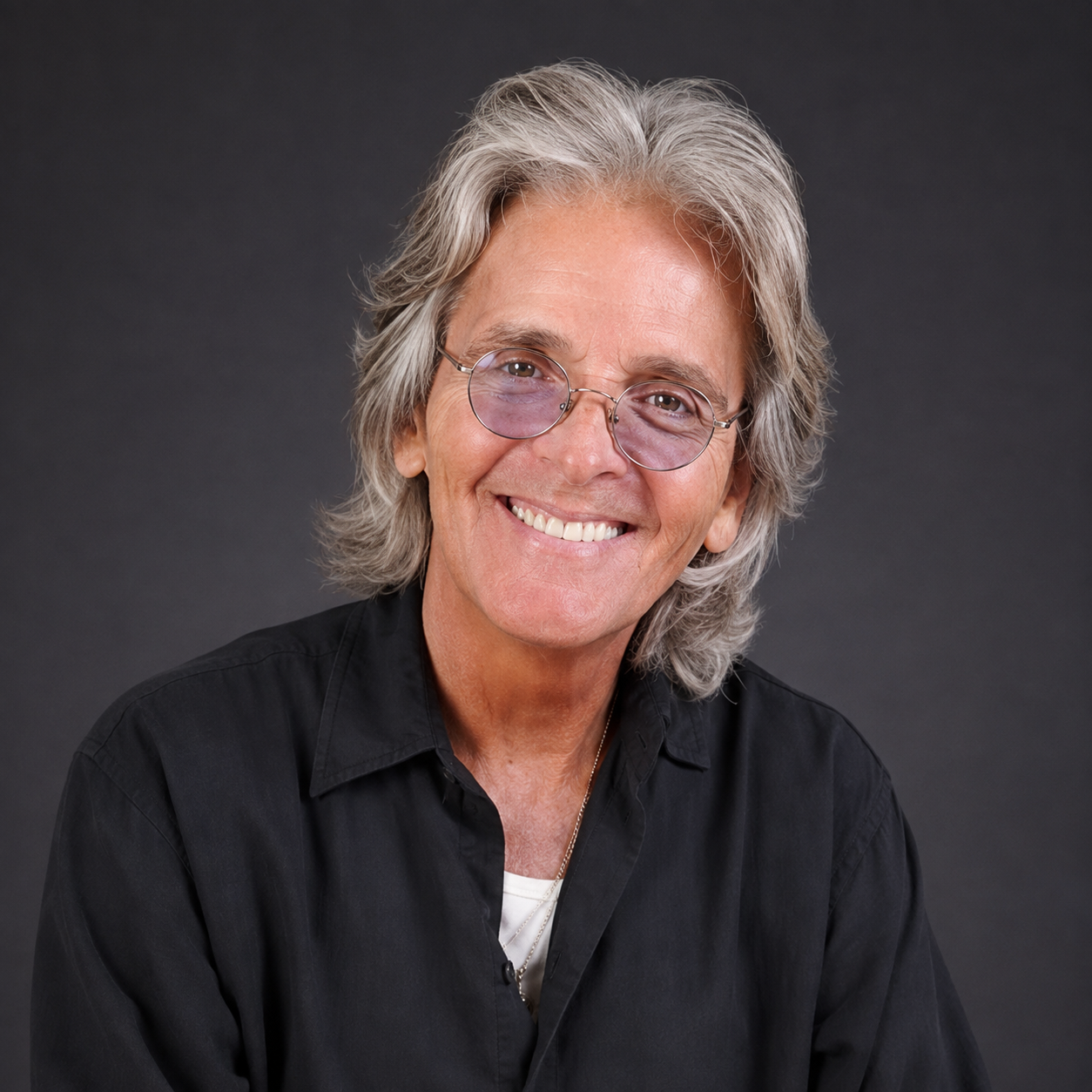
Eddie Tuduri is the founder and director of The Rhythmic Arts Project. He is a career musician who has worked with many of the world’s great entertainers, both touring and in countless recordings. Spanning more than 50 years, Eddie was privileged to work and many times record as a sideman with artists including Delaney Bramlett, Bobby Whitlock, The Beach Boys, Dobie Gray, Del Shannon, Rick Nelson and the Stone Canyon Band, Dr. John, Ike Turner, “Boxer,” Ronnie Hawkins, The Down Child Blues Band, “Chilliwack,” The Five Man Electric Band, Wha-Koo, Bill Champlin, Marianne Faithful, Martha Reeves, John Stewart, Steve Perry, Kenny Neal, Tata Vega, Ronnie Laws, Dwight Yoakum, Johnny Rivers, Freddy Fender and Charlie Rich, Michael McDonald, Jimmy Messina and JD Souther to name a few.