
Elite Performance in an Athlete with Down Syndrome: What Health Care Providers Can Learn About Persons with Intellectual Disabilities
Alicia Stevons, DPM and David W. Jenkins, DPM
Summary: This article uses the athletic achievements of Chris Nikic, the first person with Down syndrome to complete an Ironman triathlon, to challenge low expectations and implicit bias toward people with intellectual disabilities. The authors explore how support, independence, resilience, and high expectations helped Chris accomplish extraordinary athletic goals and offer lessons for healthcare providers, coaches, caregivers, and families.
Introduction
Podiatric physicians receive formal training while in podiatry school regarding the physical pathology seen in persons with intellectual disability (PWID), including conditions such as Down syndrome. However, proper education addressing communication and the clinical considerations necessary for delivering appropriate, patient-centered care to this demographic remains limited.
Evidence demonstrates that a number of physicians hold biases and misconceptions toward PWID even to the extent of reluctance to provide care. Indeed, many physicians as studies show us have significant bias and misconceptions about persons with intellectual disability even to the extent of reluctance to provide care. When surveyed, many physicians reported minimal to no formal training in medical school about caring for PWID particularly with respect to communication.
Nevertheless, many podiatrists will encounter and care for patients with ID in clinical practice. This is due to the increase in prevalence of diabetes amongst this population, a condition that often necessitates podiatric involvement.
Furthermore, given our profession’s role in sports medicine, podiatrists may also provide care for Special Olympics athletes, with an emphasis on both comfort and performance optimization.
Unfortunately, due to the limited emphasis on education related to PWID during professional training may contribute to the implicit biases among healthcare providers. These biases are not unique to clinicians but are also observed among caregivers and members of the individuals’ support system, including parents, teachers, coaches, and peers. Although these intentions are often rooted in protection, concern, and care, these mindsets can result in the unintentional restriction of participation and autonomy in routine daily activities.
These beliefs are reflective of broader societal patterns and may contribute to decreased opportunities for personal development and independence for PWID. As a result, individuals may face barriers to achieving meaningful personal, vocational, and social goals. This phenomenon parallels the concept commonly described as “helicopter parenting,” although frequently to a more pronounced degree in this population.
Article Genesis
In the fall of 2022, a first year student approached the office to propose a research project. She noted that her brother-in-law has Down syndrome, which motivated her interest in pursuing a topic related to intellectual disability. During our discussion, she brought up the name Chris Nikic whom I recalled having previously heard about through my nephew who is a PWID. Chris Nikic is recognized as a man with Down syndrome who completed an Iron Man Triathlon. This prompted our central research focus: How did an individual with Down syndrome, despite physical, cognitive, and emotional challenges successfully accomplish one of the most formidable athletic endeavors yet devised?
The following work represents an investigation into the factors that contributed to this achievement. Our review consisted of both Chris Nikic’s published books numerous online reports and a video interview conducted with Chris’ father Nik Nikic.
Prior to examining the mechanisms behind this accomplishment, it would be illustrative to review the general challenges associated with Down syndrome as well as the specific challenges that had to be overcome in this case.
Down syndrome
Down syndrome is a genetic condition in which a person is born with an additional copy of chromosome 21. This genetic anomaly results in a number physical and mental abnormalities. Below are a few examples of such characteristics and conditions that individuals with Down syndrome can have or are at risk for and certainly can pose as a barrier to engaging in physical activity:
Medical conditions- Heart anomalies, vision and hearing impairments, hypothyroidism, sleep disorders, and GI dysfunction.
Physical and sensory- Hypotonia, decreased strength, ligamentous laxity, difficulty supporting posture, decreased activity tolerance, and endurance. Pes planus and hallux abducto valgus are conditions seen that are relevant to podiatric medicine.
Cognition- Underdeveloped frontal lobe (responsible for organizing, planning, and impulse control), structural differences in temporal lobe and hippocampus (necessary for auditory processing and memory), and decreased volume in brain stem and cerebellum (in charge of basic life support, coordination, and balance).
These cognition challenges in turn may contribute to
Difficulty processing auditory information which may lead to non-compliance
Decreased intrinsic motivation.
Poor executive functioning
Learning problems
Other barriers that individuals with Down syndrome may face include
Lack of coaches/instructors with the proper training in involving individuals with Down syndrome in physical activity
Parental worries and overprotection
Issues with motivation, focus, and inability to follow directions can certainly hinder success in many athletic endeavors. These specific shortcomings similarly curtail compliance when a person with Down syndrome has diabetes.
It is important to note that not everyone will exhibit every condition or characteristic associated with Down syndrome and each person can vary widely in their physical and cognitive abilities.
Chris Nikic was born on October 6, 1999, in Florida where he continues to live and participate as a Special Olympic athlete.
With regards to the numerous health conditions common to individuals with Down syndrome as discussed above, Chris Nikic is no exception. Chris’s reported medical history’ includes:
Low birth weight, of 5 pounds
Hypotonia
Ventricular septal defect that required heart surgery (at 5 months old)
Balance and hearing defects with multiple ear surgeries
Unable to walk until 4 years old
Unable to eat solid food until 5
Had to learn how to run
The Ironman
The Ironman is considered one of the most challenging athletic events devised. It consists of
2.4-mile (3.9 K) swim
112-mile (180.2 K) bike
26.2-mile (42.2 K) run
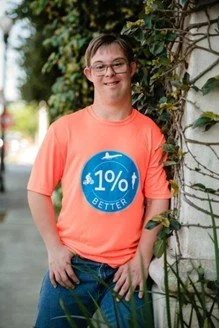
Chris first completed the Ironman Florida Triathlon in 16 hours 46 minutes 9 seconds, in 2020. This earned him recognition from the Guinness World Records. His time was 14 minutes faster than the cut-off time for qualification.
The IRONMAN Word Triathlon was held in Kona, Hawaii. is considered the preeminent Ironman Triathlon. Chris completed this grueling event on October 7th, 2022, with the following splits:
SWIM 1:42
BIKE 8:05
RUN 6:29
With a total time of 16 Hours and 31 minutes
How Chris Accomplished the Ironman Triathlon
When Chris was born, his parents were told by his doctor to abandon any dream that they had for their son and proceeded to list what Chris would never be able to do such as hold down a job or live on his own. Unfortunately, this is a common conversation amongst healthcare providers and parents expecting a child with Down syndrome. This negativity motivated Chris’ Father Nik Nikic, who refused to accept this dire scenario.
The first major endeavor, he set to accomplish was a belief adjustment for the significant individuals in Chris's life such as family members (including himself), teachers, coaches, the community, and health care providers. His idea was that when people in the lives of children with disabilities overprotect them, it can lead to low expectations and limit what they’re truly capable of achieving. It’s important that these individuals realize that Chris could accomplish challenging goals if he were given the opportunity and support to put in the necessary work.
Mr. Nikic provided an example of this well-meaning behavior when he noticed how people spoke to Chris. They believed they were protecting him, but often their words unintentionally created doubt and confusion. That confusion led to paralysis, fear, and ultimately the desire to quit. Chris had experienced that dynamic his entire life.
Nik related his biggest challenge was helping everyone around Chris understand the differences we needed to implement for him to succeed. To achieve this, he created a very clear boundary. Regarding any suggestions or advice for Chris, it had to go through Nik first whereby he would translate and implement it in a way Chris could understand. Mr. Nikic became the only person giving Chris direct instruction on what to do and how to do it.
Nik discovered he had to change both the language and the training system. The goal was not only to build physical toughness, but also mental toughness, while simultaneously helping Chris build belief in himself.
In summary, Chris’s journey was about developing physical and mental toughness through the 1% Better Progression Model while carefully building belief through the words and actions that were used every day. It was a delicate balance, and Mr. Nikic had to protect Chris from the well-meaning but damaging tendency to treat him like an incompetent or fragile child and build him up to his true potential.
When it came to coaching Chris, Nik Nikic was determined on how best to improve his physical abilities as well as the mental toughness necessary to complete the challenging athletic undertakings. During this process, Nik realized “What if Chris is not the problem, what if we don’t know how to teach him in the way that he knows how to learn.” This gave rise to Nik’s 1% Better program- a system in which Chris could obtain his goals incrementally by improving 1% every day.
Using the 1% Better concept, each day Chris would do one additional lap in the pool, or one more push-up than he had done the day before. This mentality allowed Chris to believe if he continued with this method that he would become strong enough to complete an Ironman.
Another technique Nik developed for Chris’ training was the concept of “fake pain” to deal with inevitable discomfort brought upon by exercise. Nik described it as “the pain you feel when you are training. The way you know it is fake pain, is that it stops when you stop” Chris noted that when training become difficult his Dad would say: “Chris what’s going to win, your fake pain or your dreams?” Chris would always respond the same- “My dreams” Chris said this approach kept the notion of training simple for him and allowed him to focus on one thing- his dreams.
Some challenges that Chris dealt with during training and racing included not being able to quickly bike down a hill and needing to stop riding whenever he needed to refuel unlike other competitors who could eat while riding.
Another significant factor in Chris’ success was the addition of Dan Grieb a highly experienced triathlete, to guide Chris during events. Even Dan had to overcome some bias as he related, he was anxious that if Chris may not complete the event, he would be crushed. Nik addressing this fear, stated “Can you treat Chris just like any other athlete you would guide?” Dan agreed. Nik then said “Dan, if you are going to treat Chris like any other athlete, why are you concerned with his failure? Isn’t that the way you and I learn, via our failure? If Chris doesn't complete a race, isn't that the best place to learn life skills?” Therefore, to overcome all these challenges Chris's Dad instituted an entire reframing of how to interact, motivate, and most importantly allow Chris to fail.
After 11 months of training, in November of 2020 alongside guide, Dan Grieb, Chris became the first person with Down syndrome to complete an Ironman.
Apart from the Ironman, Chris has gone on to obtain other goals he had set for himself, many a result of hard work and confidence. Some of these goals include:
Owning his own business
Buying his own house and car
Becoming a public speaker. In fact, he is an Inspirational Speaker for the world's biggest companies, schools and non-profits and recently spoke at the authors’ university.
Have a girlfriend.
Become the first person with Down syndrome to complete an Ironman triathlon.
Chris has also inspired other Special Olympic athletes to train for the Ironman.
On June 11, 2023, Chris along with three other teammates set a record for the largest number of athletes with an intellectual disability to complete an Ironman 70.3
Chris wants to inspire others with disabilities to set and achieve goals through being an example and wants to change the perspective and expectations of all in the sphere of intellectual disabilities.
Life After the Ironman
Chris has successfully completed all six global marathon majors.
Chris and his father, Nik, have written two books.
1% Better: Reaching My Full Potential and How You Can Too
1% Better: The Chris Nikic Story
Additionally, the incredible performance by Chris led to a plethora of media reports, awards, and accolades. A few examples included:
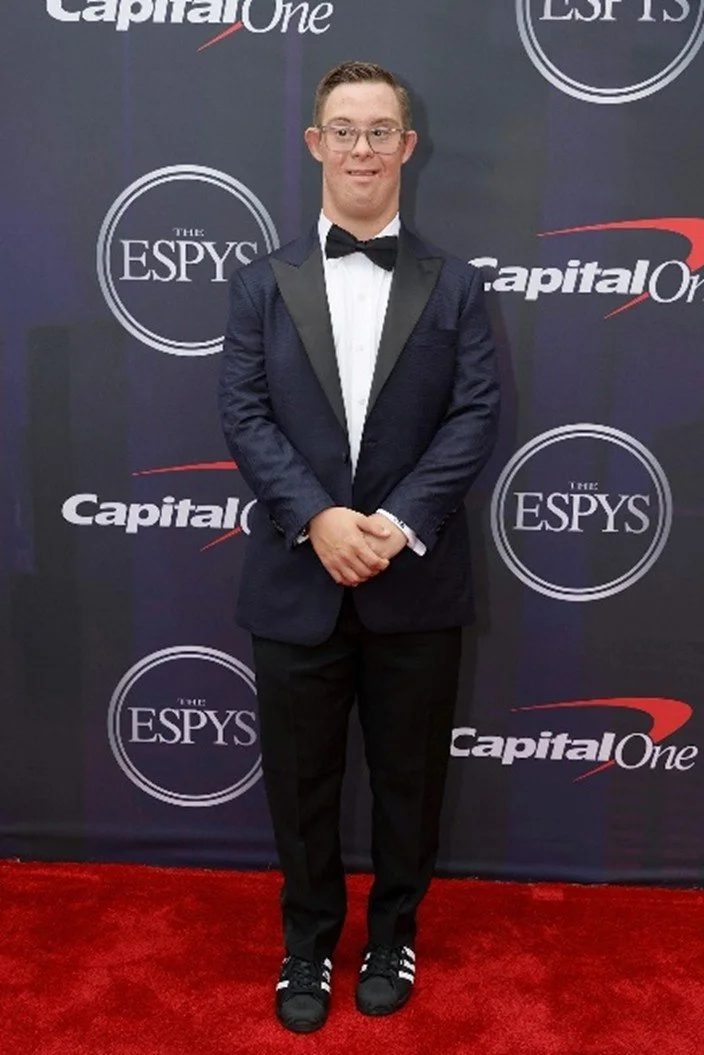
Two times ESPY Award Winner
Jimmy V for Perseverance
Male Athlete with a disability
His story was told on Real Sports with Bryant Gumbel July 18, 2023; The episode focused on the following
The utilization of triathlon participation and training in people with intellectual disability has numerous benefits such as fitness, self-confidence, a sense of belonging and pride in accomplishment.
Chris’ success in the triathlon has led to other intellectually disabled persons joining in with organized training.
A major priority of Chris is to show others with Down syndrome that notable goals can be accomplished and to eliminate the low expectations and negativity seen in parents, teachers, coaches, and healthcare providers.
Children with Down syndrome should be allowed to take risks and not be shielded from the opportunities to achieve or fail.
When children with intellectual disabilities are given the chance to participate and achieve success it builds independence, confidence, and a sense of belonging. This in turn has a profound impact on quality of life.
Triathlon Portrayal on ESPN: 17 Hours: Chris Nikic’s Ironman Story | Sports Center
DISCUSSION
The purpose behind telling Chris Nikic’s story is to emphasize how the attitudes and biases of those caring for people with intellectual disabilities may be unintentionally limiting them from achieving their goals. The authors believe that the incredible accomplishments by Chris Nikic can serve as a model for how the health care community and the broader society should be relating to individuals with intellectual disability. Although often well-intentioned, low expectations and overprotection within a person’s support system can restrict potential.
A key message of this article is to challenge implicit biases and raise expectations of health care providers and others in order for those with Down syndrome to go on to achieve their highest potential in life.
CONCLUSIONS
The question behind this research was: “How did someone with all these challenges including physical, cognitive, and emotional accomplish such a huge athletic feat?” What was discovered is that the main barriers Chris had to navigate were focus, perseverance, overcoming monotony, compliance with instructions, and most significantly, prevailing over the low expectations held by the people around him. The essence of this manuscript is that individuals with intellectual disabilities should not be constrained by the low expectations and fears of well-intentioned parents, coaches, teachers, healthcare providers, etc., who may hesitate to allow them to take risks, face challenges, and experience failure. Growth, achievement, and independence are much more attainable when individuals are given the opportunity to actively participate and pursue their full potential.
It is inspiring to see that an individual with Down syndrome with all its encompassing challenges could successfully complete an Ironman. Chris trained in an environment that emphasized enjoyment, focus, self-efficacy, and highly supportive coaches. More profoundly, however, he was treated and trained like any other athlete, with high expectations and chances to grow through both failure and success. Although the journey involved hardship and setbacks, this mindset ultimately allowed him to achieve remarkable success and accomplish goals once thought unattainable.
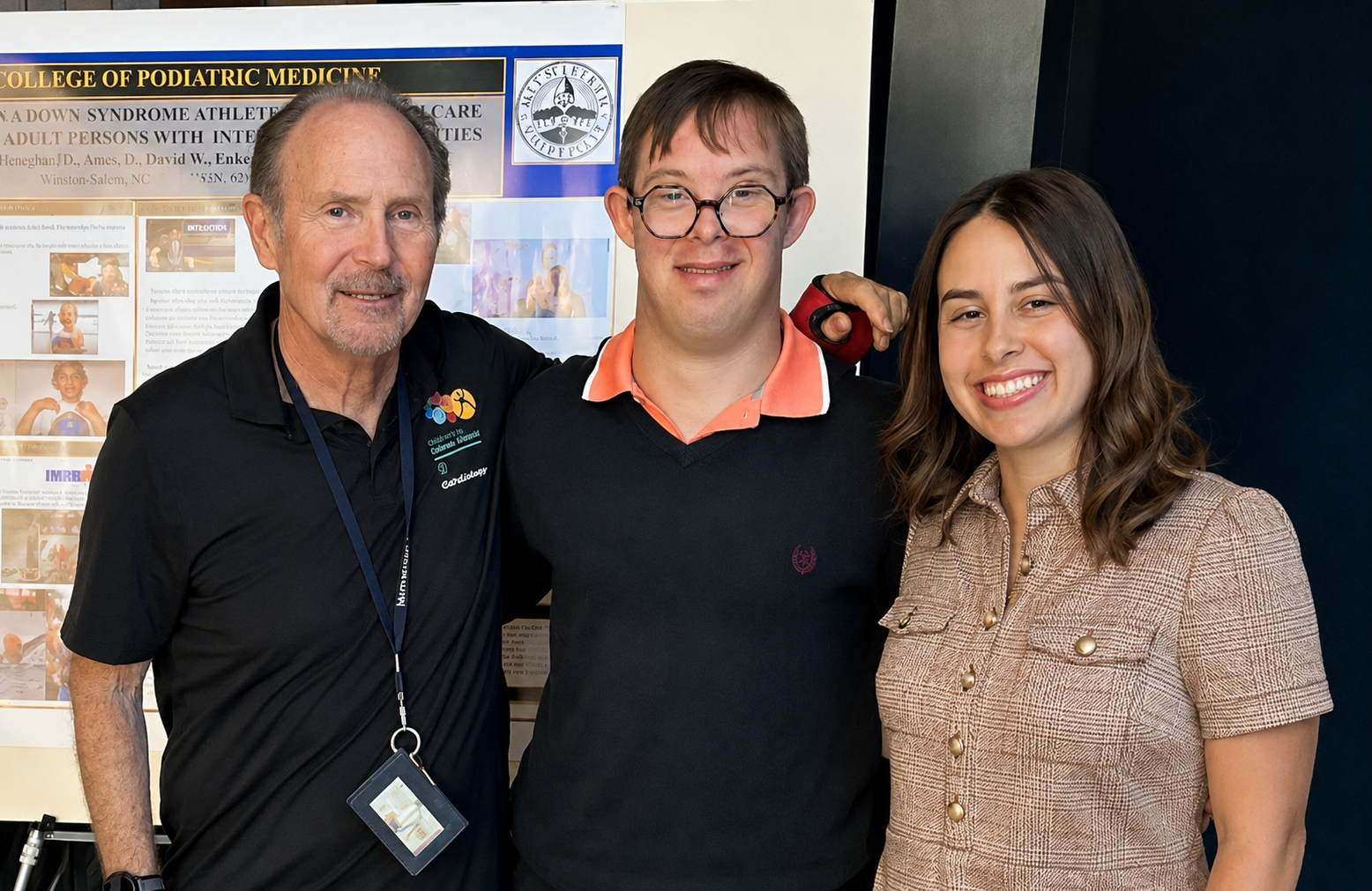
In closing, the authors were honored and blessed to host Chris and his Father Nik at Midwestern University for an inspiring presentation!
About the Authors
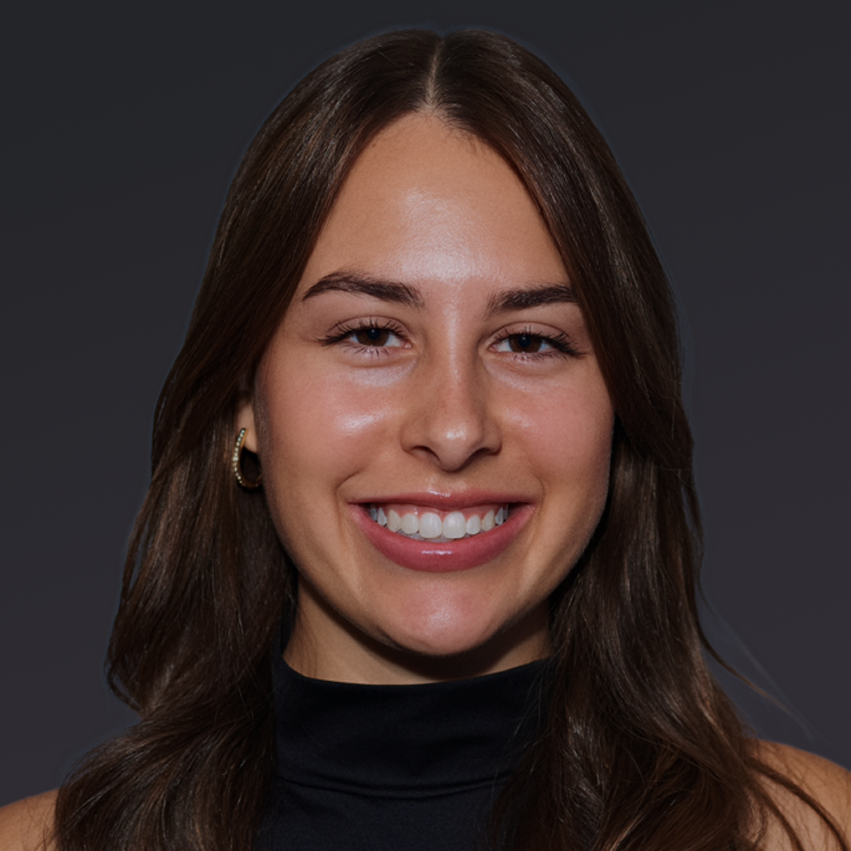
Alicia Stevons is a podiatric medical student at the Arizona College of Podiatric Medicine (AZCPM). She has been involved in research and advocacy related to persons with intellectual disabilities and Special Olympics programs.
She also appeared on the podcast Dean’s Chat – All Things Podiatric Medicine, where she discussed Special Olympics, interdisciplinary healthcare education, and advocacy for individuals with intellectual and developmental disabilities. The episode noted that she served as President of the AADMD student chapter at Midwestern University and President of the American Limb Preservation Society at AZCPM.
David W. Jenkins, DPM, FAAPSM, is a Professor at Arizona College of Podiatric Medicine, Midwestern University Fellow of the American Academy of Podiatric Sports Medicine & American College of Foot and Ankle Surgeons, Clinical Faculty Advisor, Special Olympics Fit Feet, Faculty Advisor for the Midwestern University Student Chapter for American Academy of Developmental Medicine and Dentistry and Recipient of the Global Golisano Health Leadership Award