
The Rural Health Transformation Program
Opportunities to Improve Healthcare for People with IDD
Dr. Craig Escudé and Julie Foster Hagan
Summary: This article argues that social determinants of health strongly influence health outcomes for children and individuals with special needs, especially when healthcare remains reactive rather than preventive. The authors propose using oral health as an early, measurable starting point for caregiver engagement, consumer-generated data, care coordination, and predictive healthcare strategies that can improve outcomes and reduce inequities.
A Major Opportunity If We Use It Well
Craig: Let’s start with the big picture. For people hearing about this for the first time, what is the Rural Health Transformation Program and why does it matter right now?
Julie: At the end of the day, it is about strengthening healthcare in rural communities. That can look like improving access, building up the workforce, or finding better ways to deliver care. There is a lot of funding behind it, and things are moving quickly. States are actively figuring out how to turn this into something meaningful.
Craig: And even though it is not designed specifically for people with IDD, it still connects in a big way.
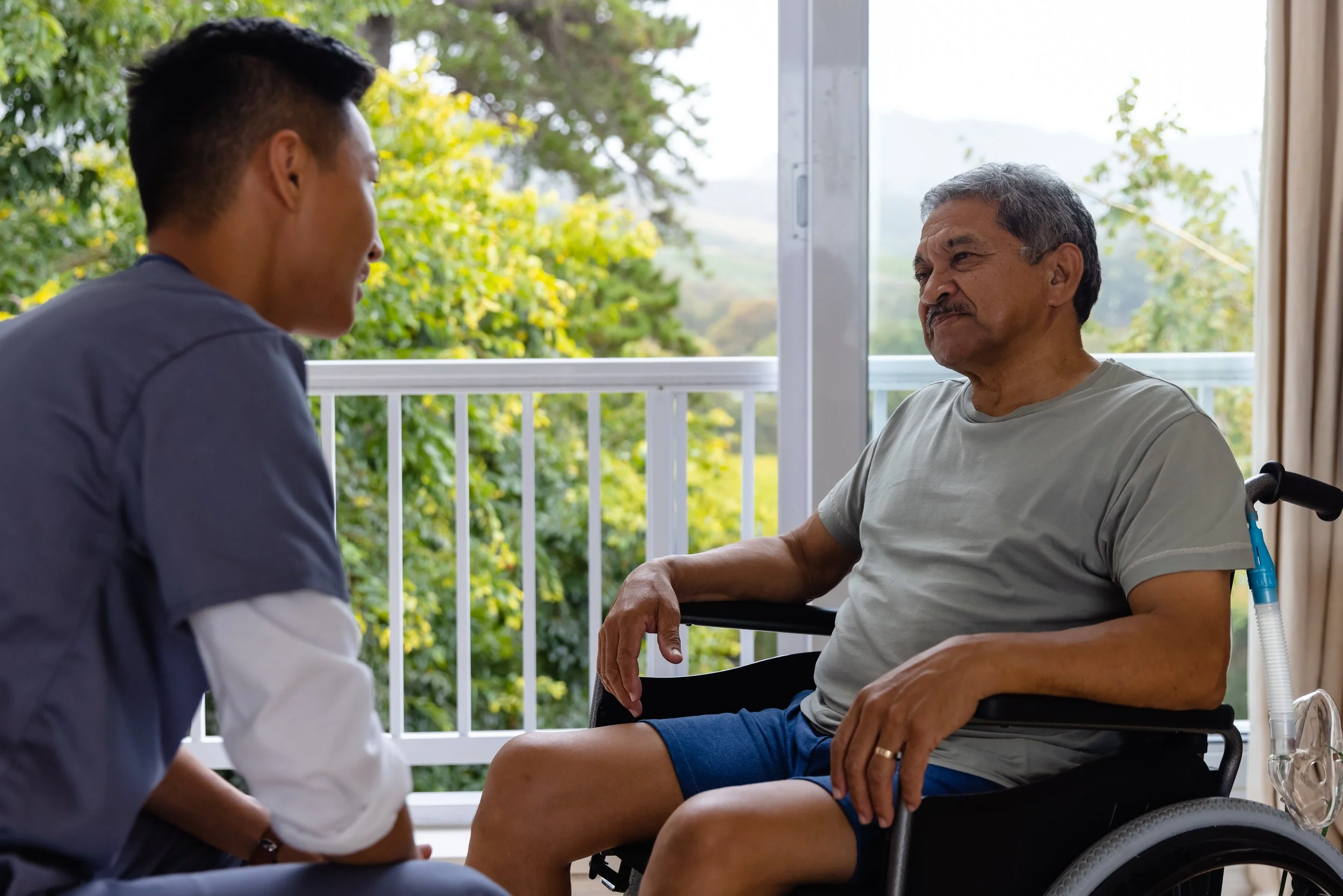
Julie: It really does. People with IDD are already more likely to experience chronic conditions and run into barriers when trying to access care. When you add in the realities of rural life, like fewer providers or longer travel times, those challenges can grow. That is why this moment matters so much.
Why Inclusion Matters
Craig: So even if IDD is not called out directly, it still needs to be part of the conversation.
Julie: Exactly. In some states, people working in IDD services have been part of the planning process, which is encouraging. But that is not true everywhere. That is why advocacy is so important right now. Without it, it is easy for needs to get missed.
Craig: Which means people really need to know what is happening locally.
Julie: Yes, and not just know about it but be part of it. Share experiences, ask questions, show up when there are opportunities. This is a big initiative, but it will only reflect the right priorities if people stay engaged.
What States Are Focusing On
Craig: As states start rolling this out, what themes are you seeing come up again and again?
Julie: Telehealth is definitely one. It can open up access in ways we have not seen before, especially in rural areas. But we also have to be realistic about barriers like internet access or people not feeling comfortable with technology.
Workforce is another big focus. Shortages are everywhere, but they tend to hit rural communities harder. That includes physicians, nurses, and supporters.
And then there is chronic disease. A lot of states are putting energy into prevention and better management, which is especially important for people with IDD.
Craig: And care coordination is part of that picture too.
Julie: It is. A lot of people are seeing multiple providers who are not always connected. When those systems do not communicate, it creates gaps. Improving that coordination can make a real difference in everyday care.
The Reality on the Ground
Craig: It is easy to talk about solutions at a high level, but the day to day reality can look very different.
Julie: It really can. I remember meeting a mother who did not have internet at home. She would drive 30 to 45 minutes to a library a couple times a week just to check her email and make sure she was not missing anything important for her son.
Craig: That really brings it into focus.
Julie: It does. We can talk about innovation and technology all day, but if people cannot access those tools, they are not going to help. We have to think about what is realistic for people and build from there.
A Closer Look at Louisiana
Craig: What does this look like on the ground? What is Louisiana focusing on?
Julie: We took a pretty broad approach with six major initiatives and 20 strategies. That includes expanding telehealth, strengthening the workforce, focusing on chronic disease, and improving access to behavioral health services.
We are also thinking about digital literacy, making sure people feel comfortable using technology, and exploring things like remote monitoring for the future.
Craig: And this is something that will keep evolving.
Julie: Definitely. The first year is really about getting things up and running, especially solutions that are ready to go. But over time, there will be more opportunities to build, adjust, and expand.
Building a Stronger Workforce
Craig: Workforce keeps coming up. How are you thinking about it long term?
Julie: We are looking at the full picture, from physicians and nurses to first responders and supporters. One thing we are really excited about is encouraging people who already live in rural communities to pursue healthcare careers and then come back to serve those communities.
Craig: That creates something more sustainable.
Julie: Exactly. It is about building a system that lasts, not just filling gaps in the short term.
Taking Action
Craig: For someone listening and thinking, where do I even start, what would you say?
Julie: Start by finding out who is leading this work in your state. Most states have a website or a way to get connected.
Then speak up. Share your experiences. Whether you are a provider, a supporter, or a family member, your perspective matters.
And if there are meetings or advisory groups, try to be part of those. States really do want feedback. They need to know what is working and what is not.
Craig: It really comes down to making sure people with IDD are not left out.
Julie: Exactly. This is a chance to shape something meaningful, but only if people stay involved.
Final Thoughts
Craig: What do you hope people take away from this?
Julie: That this is a real opportunity. There is funding, there is momentum, and there is a chance to improve how care is delivered. But it will take intention to make sure people with IDD benefit from it.
Craig: And ultimately, it is about equity.
Julie: It is. Where someone lives should not determine the care they receive or their overall health.
Register for additional webinars in the series featuring experiences and insights into IDD health and support from national experts here: https://replacingrisk.com/webinars/
If you want to dive deeper, you can watch the full webinar recording here: https://replacingrisk.com/webinars/
About the Authors
Dr. Craig Escudé is a board certified Fellow of the American Academy of Family Physicians and the American Academy of Developmental Medicine and President of IntellectAbility. He has more than 20 years of clinical experience providing medical care for people with IDD and complex medical and mental health conditions. He is the author of Clinical Pearls in IDD Healthcare and developer of the Curriculum in IDD Healthcare, an e learning course used to train clinicians on the fundamentals of healthcare for people with IDD.
Julie Foster Hagan is Executive Director of the Louisiana Department of Health’s Office of Rural Health Transformation and Sustainability. She was appointed in December 2025 and led Louisiana’s application for the 50 billion dollar Rural Health Transformation Program. She brings more than 27 years of leadership experience across developmental disabilities services, including serving as Assistant Secretary and Deputy Assistant Secretary for the Office for Citizens with Developmental Disabilities. She is a NASDDDS Board Member and National Policy Workgroup member and serves on the National Advisory Council for people with Disabilities in Disasters.