
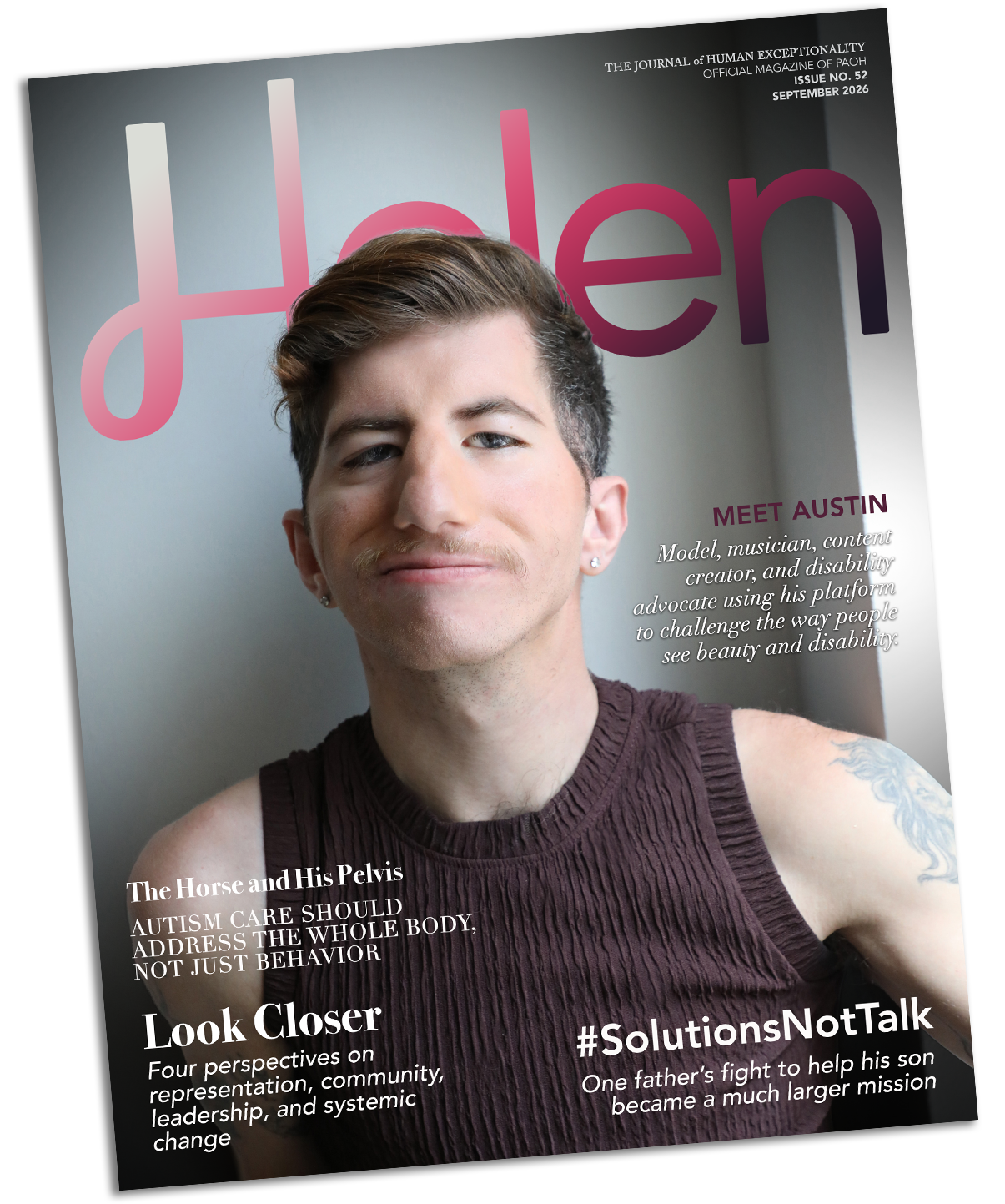
Cover Photo: Rick Guidotti, Positive ExposureSeptember 2026
To celebrate Craniofacial Acceptance Month, our September cover features Austin Halls. Born with Moebius syndrome, a rare congenital condition that causes facial paralysis, Austin grew up navigating a world that often places enormous value on facial expression and appearance.
After undergoing four surgeries and spending years working toward a full smile, he began to see his difference not as something that needed to be fixed, but as a part of what makes him uniquely himself. Read his story below.
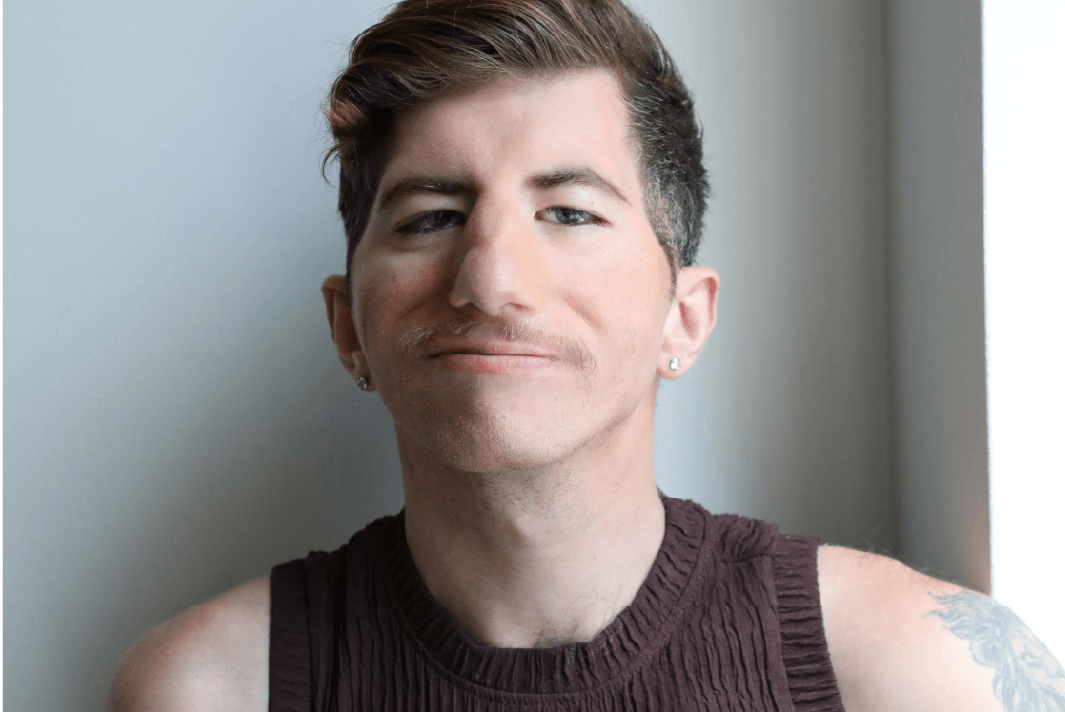
Cover Story
Meet Austin Halls
Model, musician, content creator, and disability advocate Austin Halls is challenging narrow ideas of beauty and representation. Born with Moebius syndrome, he uses fashion, music, and social media to celebrate craniofacial difference, queer and disabled joy, and the power of being unapologetically seen.
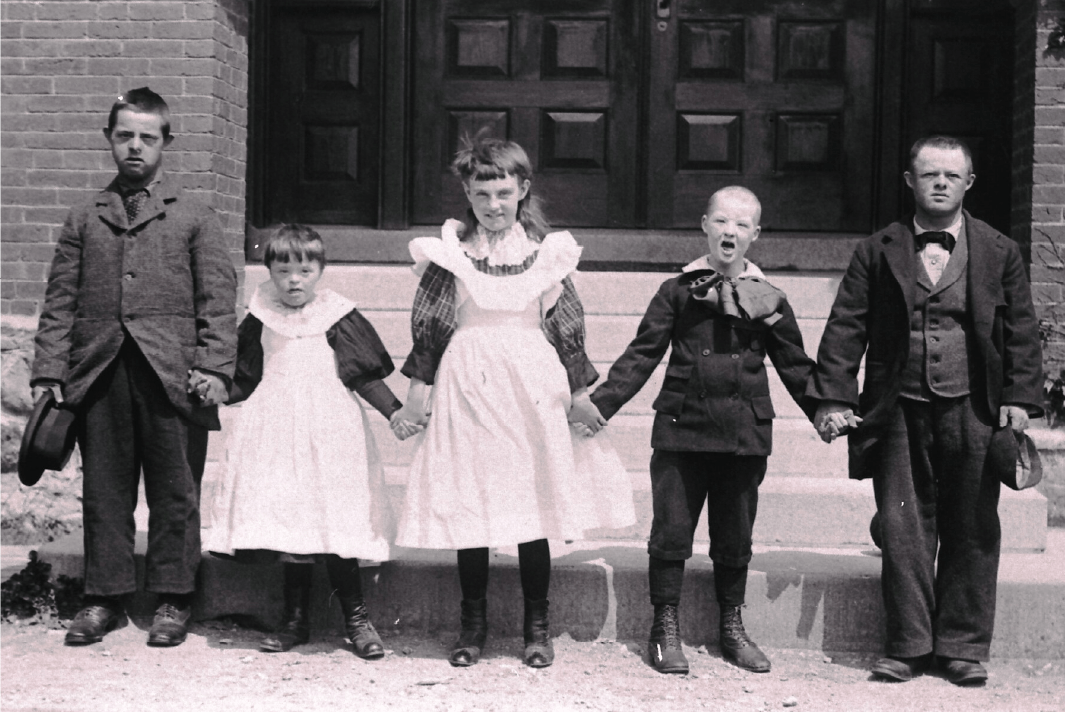
Myths, Legends and Lies
Rick Rader, MD, FAAIDD, FAADM, DHL (hon)
Myths may help explain the unknown, but some have real consequences. Rader takes aim at persistent misconceptions about disability and the stigma, exclusion, and inequality they continue to reinforce.
President’s Message
Steven Perlman, DDS, MScD, DHL (hon)
A medical emergency showed Perlman healthcare at its most compassionate. A very different experience in a dental office left him questioning what his own profession has become—and whether dentistry has allowed profit to eclipse patient care.
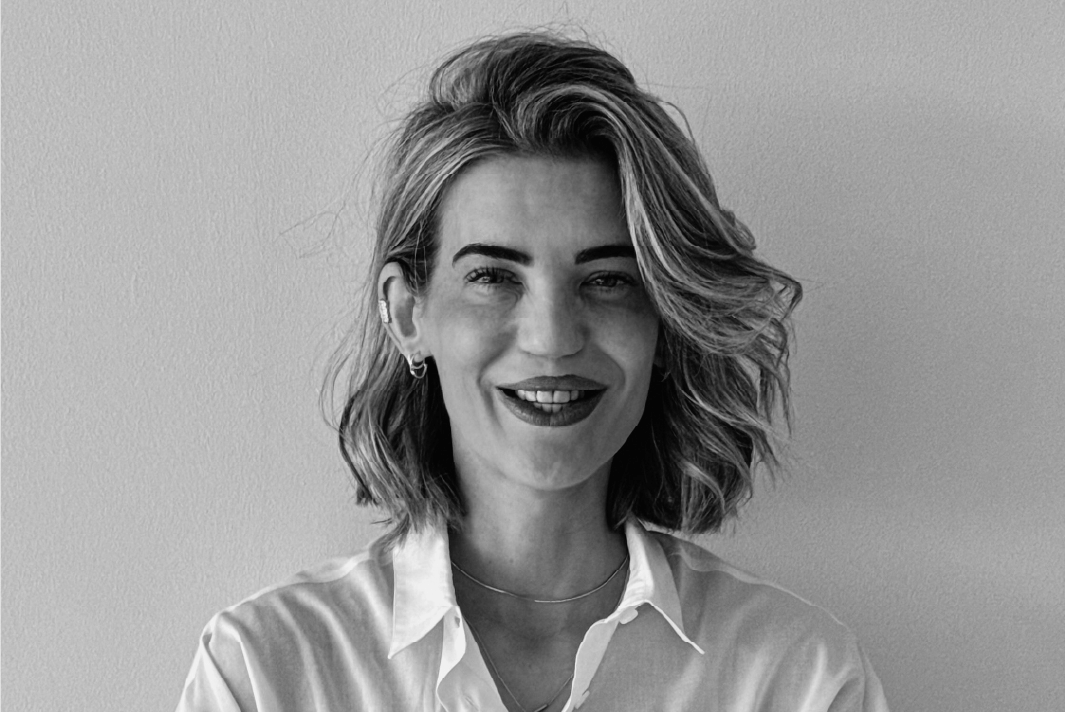
Look Closer
Bieke L. kreps, DDS, MSc, PhD(c)
Acceptance should mean more than being seen or accommodated. Bieke L. kreps brings together four perspectives on representation, community, leadership, and systemic change, challenging readers to consider what belonging looks like when people with facial differences are valued as whole participants rather than exceptions.
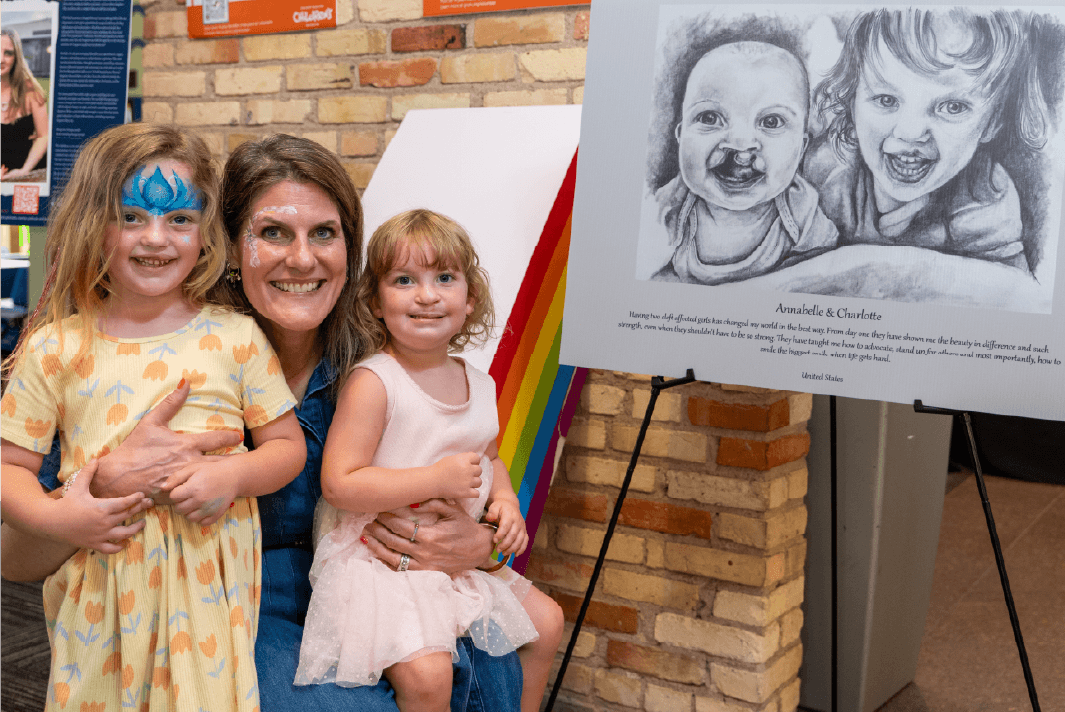
This Belongs Here Too
Katie Manning
What began as a search for images that could help her daughter feel seen became 100 Cleft Portraits, an art project centered on representation, connection, and whole-person care. Manning shows how seeing faces like one’s own can foster belonging and remind families that a diagnosis is only one part of a person’s story.
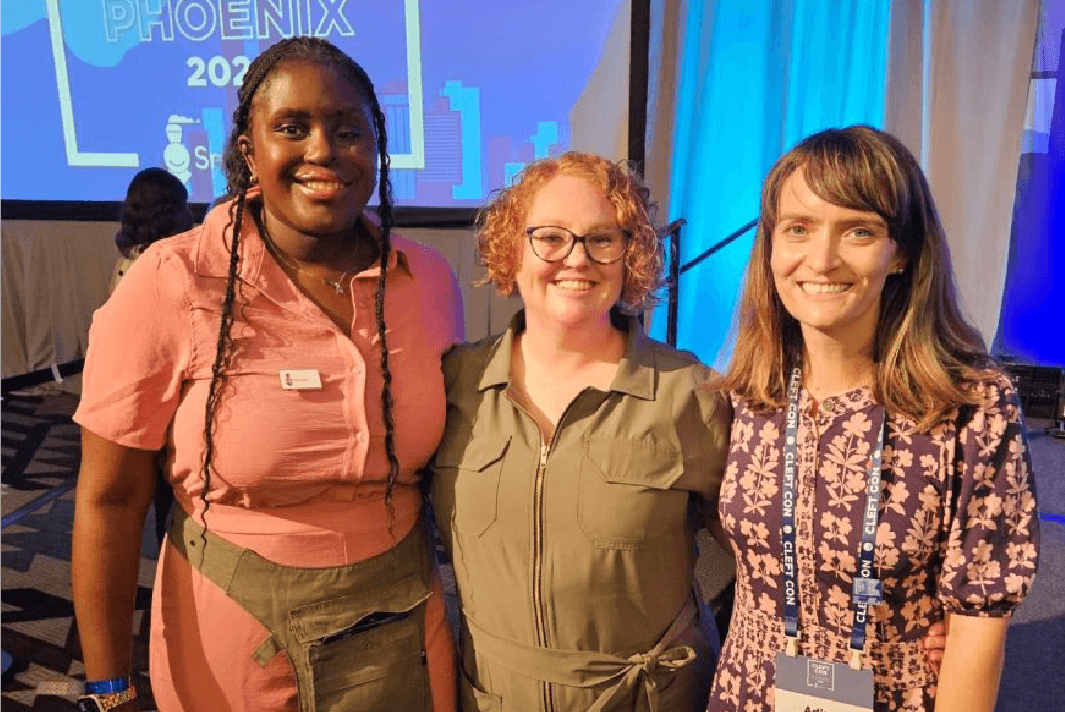
The Gift I Get to Give Back
Iva Ballou
Medical care helped shape Ballou’s cleft journey, but community gave her something just as important: belonging. Through her work with Smile Train and Cleft Con, she is helping create spaces where people with clefts can connect, share their stories, and feel understood.
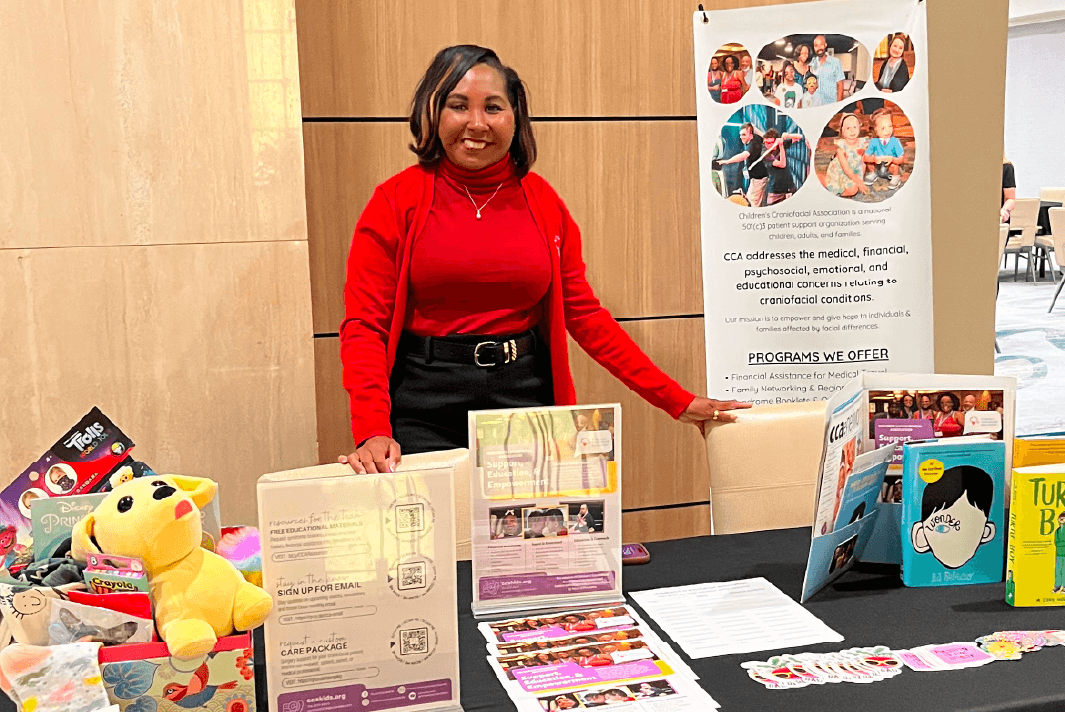
Not the Inspiration, the Architect
Rasheera Dopson, MPH, PhD(c)
After 105 surgeries and a lifetime of navigating facial difference, Dopson found that community could offer something medicine could not: belonging. That experience became the foundation for advocacy focused on moving people with facial differences beyond representation and toward leadership, decision-making, and real systems change.
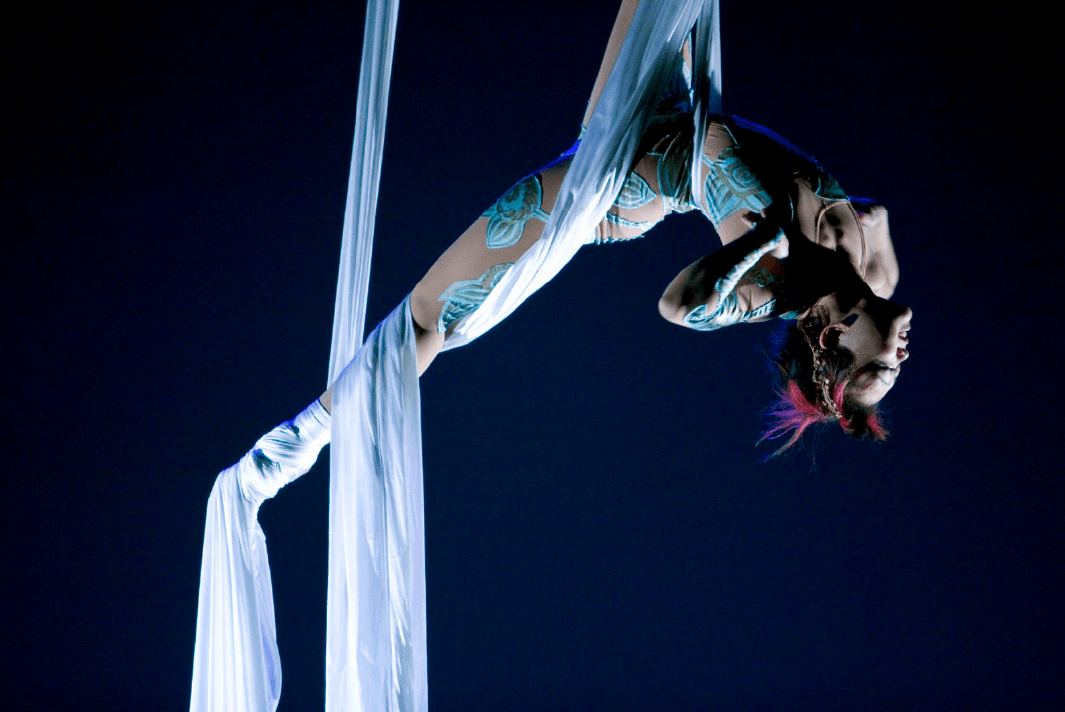
When Flying Isn’t Enough
Sora Kasuga
A lifelong struggle with facial difference, lookism, and the pressure to prove worth through achievement gives way to a new understanding rooted in Disability Justice, community, and self-acceptance. Kasuga reflects on finding belonging, returning to performance, and building The FaceOut Project around the belief that people are powerful because of—not despite—their differences.
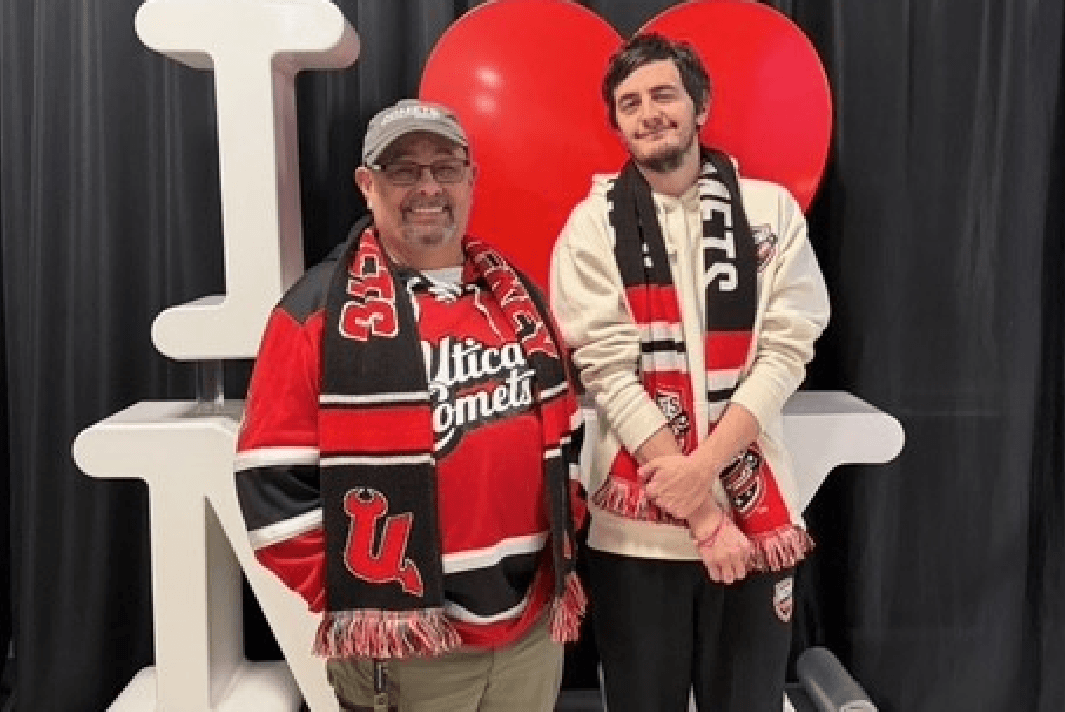
#SolutionsNotTalk
Steve Gonyea
What began as one father’s fight to help his son became a much larger mission. Gonyea shares how decades of fostering, advocacy, and problem-solving led him to create practical solutions for families navigating autism, disability services, healthcare, transportation, and housing.
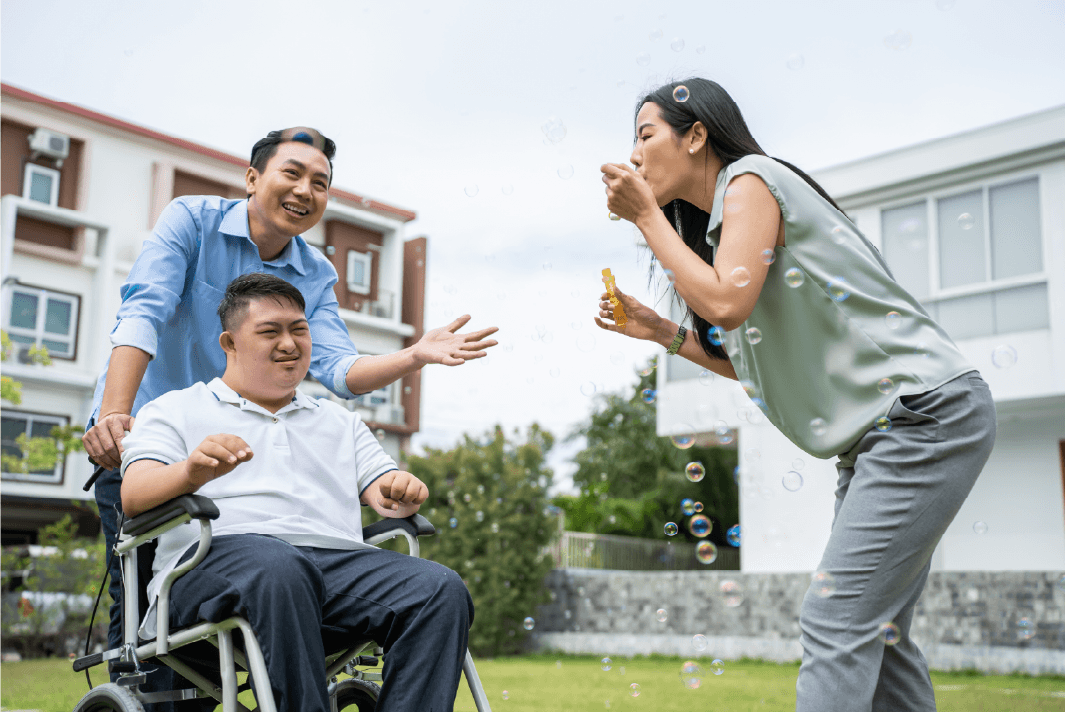
Transforming Clinical Care
Ashton Wickramasinghe, MD, FACP
Better IDD healthcare requires more than isolated clinical fixes. Wickramasinghe shares how a four-pillar strategy built around communication, education, quality improvement, and workforce stability is helping transform care across Texas—and how those lessons could strengthen community-based healthcare far beyond state facilities.
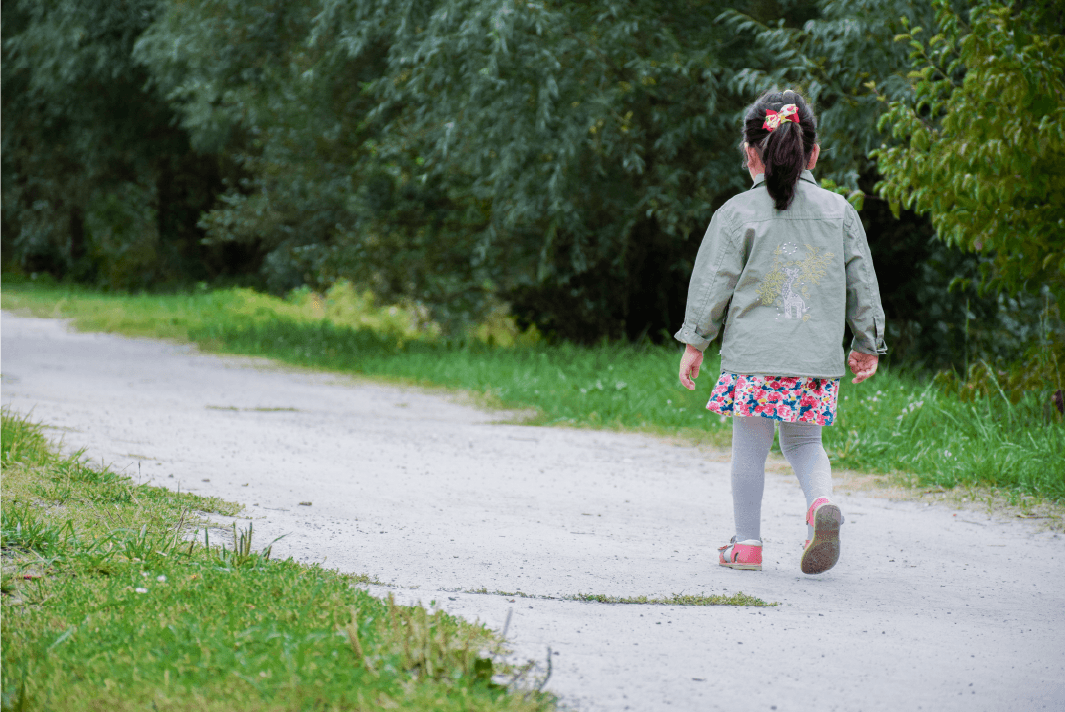
National Autism Alert Initiative
U.S. Department of Health and Human Services (HHS)
A new national initiative aims to help communities respond faster when an autistic child or adult goes missing. HHS, DOJ, and FEMA are working together on guidance, training, alert practices, and coordinated response strategies designed to improve safety and save lives.

Disability Competency in Healthcare
AADMD
Disability competency should be a foundation of healthcare education, not an optional addition. AADMD is calling for training that prepares future clinicians to communicate effectively, recognize changes from baseline, respect autonomy, and provide equitable care to people with disabilities.
CMS Launches Autism ABA Toolkit
Centers for Medicare & Medicaid Services (CMS)
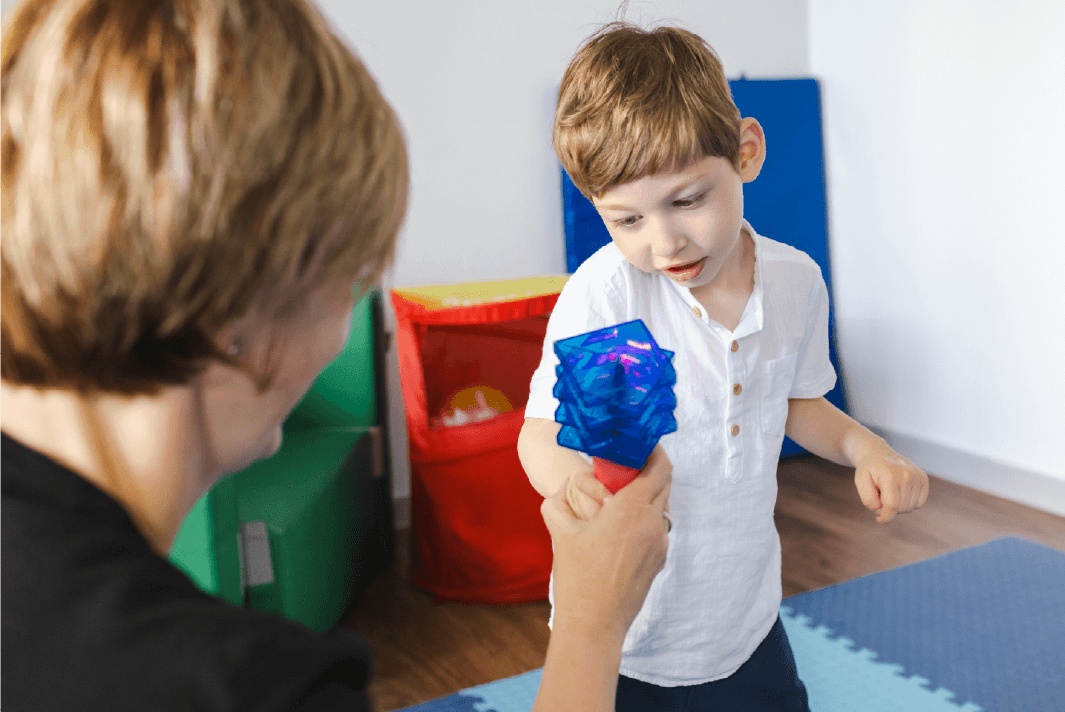
A new federal toolkit gives states guidance for strengthening oversight of ABA services while protecting access to individualized, medically necessary care for children with autism.
Decades of Progress Since the ADA
Jim Brett
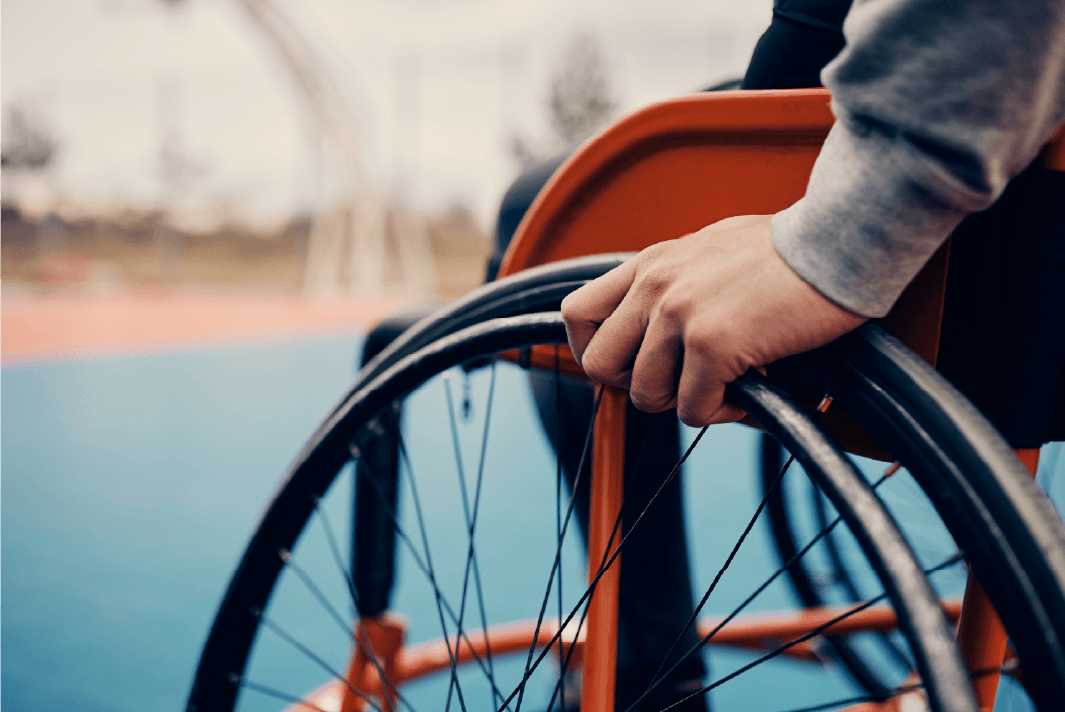
The ADA transformed access in ways that reach far beyond disability, but its promise is still unfinished. Brett looks at how innovation, advocacy, healthcare education, and disability voices can shape the next chapter of inclusion.
An Inclusive Dementia Plan
Matthew P. Janicki, PhD, and Seth M. Keller, MD
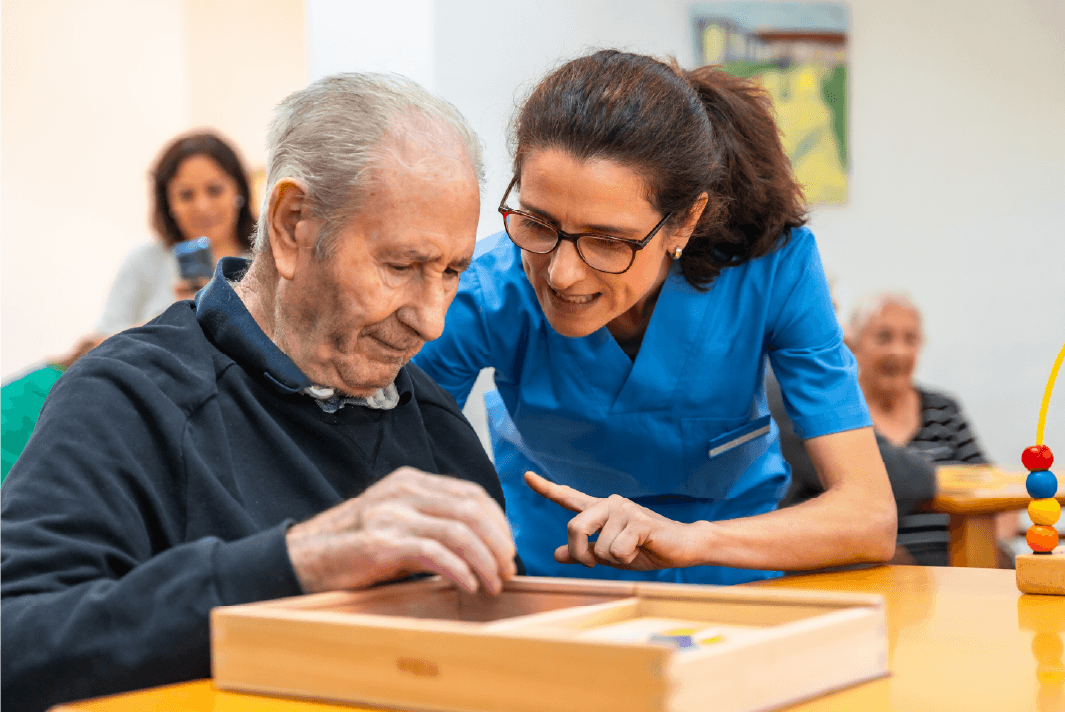
Adults with intellectual disabilities are too often left between the nation’s dementia and disability systems. Janicki and Keller outline what must change—from research and diagnosis to treatment, caregiver support, and community-based services—to build a truly inclusive national dementia plan.
The Horse and His Pelvis
Troy Krombholz
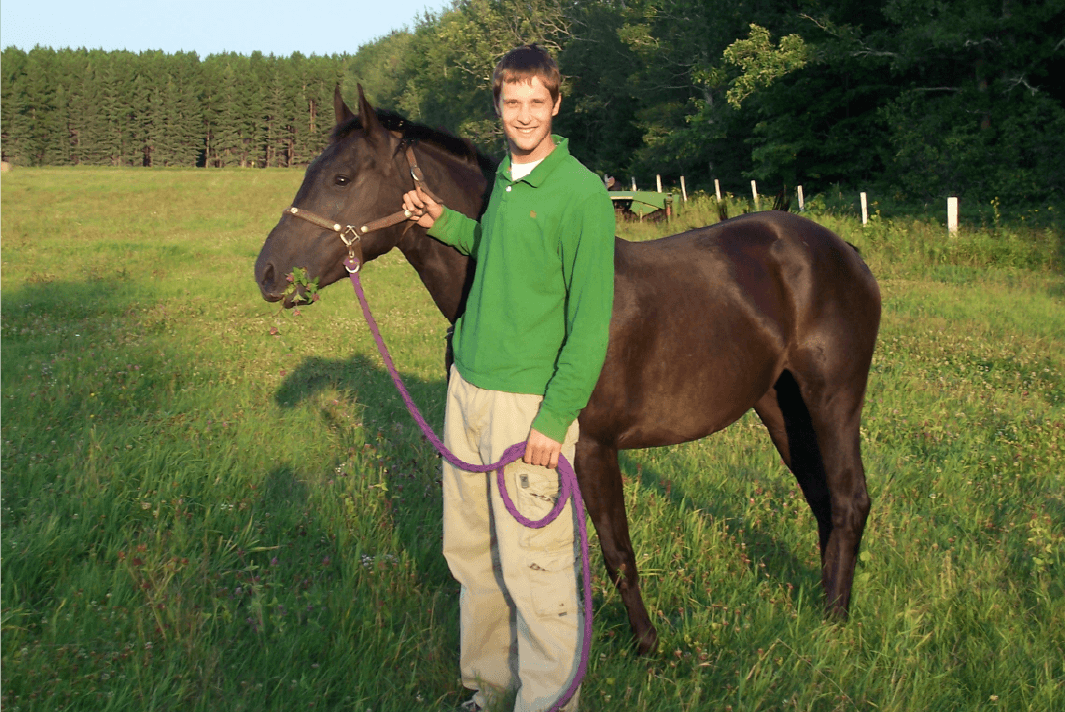
Autism care should address the whole body, not just behavior or neurological differences. Krombholz shares how equine-assisted services, aquatic therapy, music therapy, and pelvic floor physical therapy have supported his comfort, independence, and quality of life.
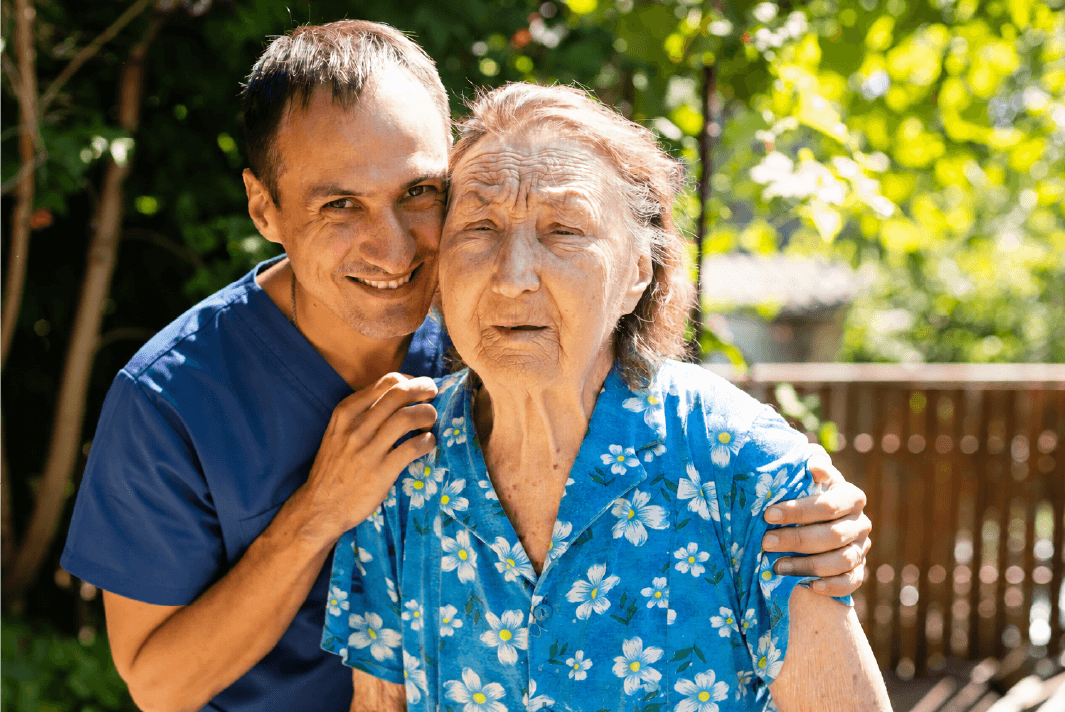
In the Last Season of Life
Ruth Benjamin, RN, GERO-BC, CRRN, CDDN, CPHN, PLNC
End-of-life care for people with intellectual and developmental disabilities calls for more than good medicine. This piece explores how families, caregivers, and clinicians can support comfort, dignity, communication, and person-centered decision-making during life’s final season.
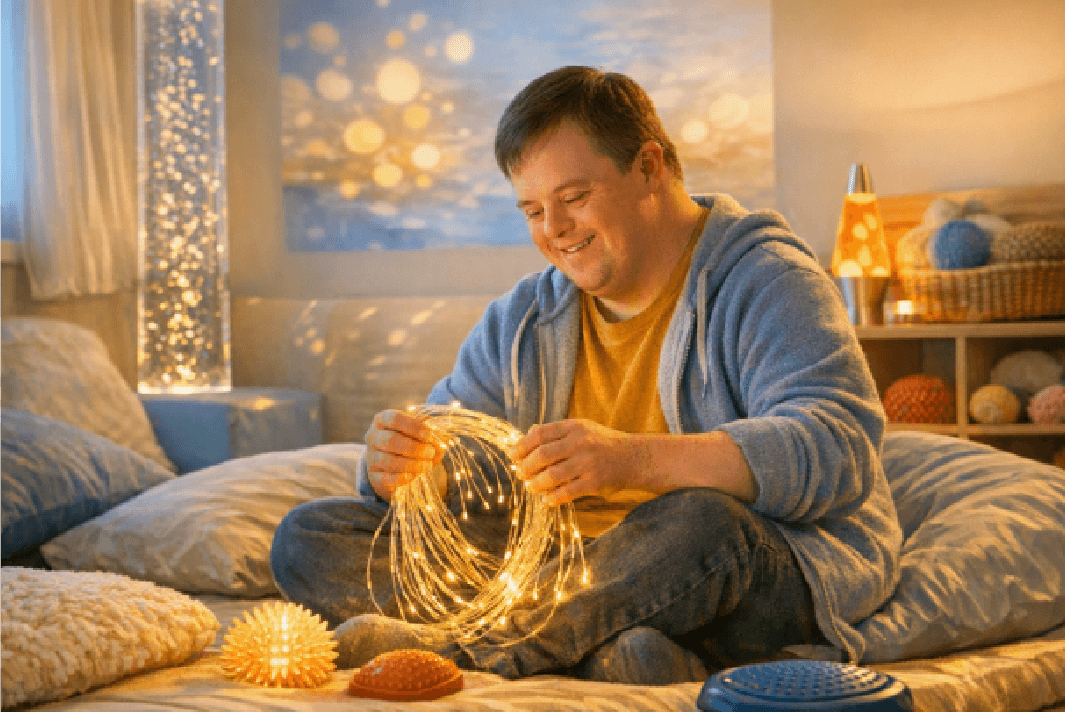
Sensory Sunshine
Dr. Janice Ryan, OT, HSDP
What if the goal isn’t to help neurodivergent adults fit in, but to help them build lives that truly fit them? Ryan explores how thoughtfully designed multi-sensory environments can support choice, regulation, wellbeing, and a more person-centered path toward flourishing.
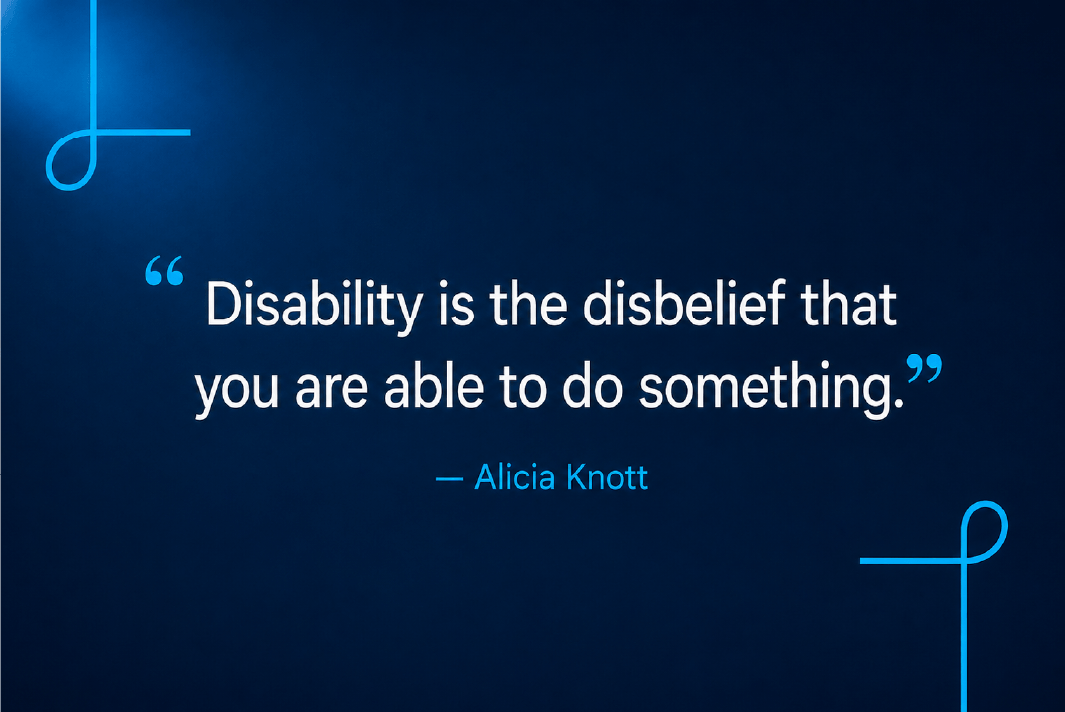
Annie Sullivan League
Craig Escudé, MD, FAAFP, FAADM
Alicia Knott’s work with Chattanooga State’s Tiger Access Program shows what inclusion looks like when students with intellectual and developmental disabilities are given real opportunities to learn, grow, and belong. Her commitment to accessibility, mentorship, and high expectations earns her a place in the Annie Sullivan League.
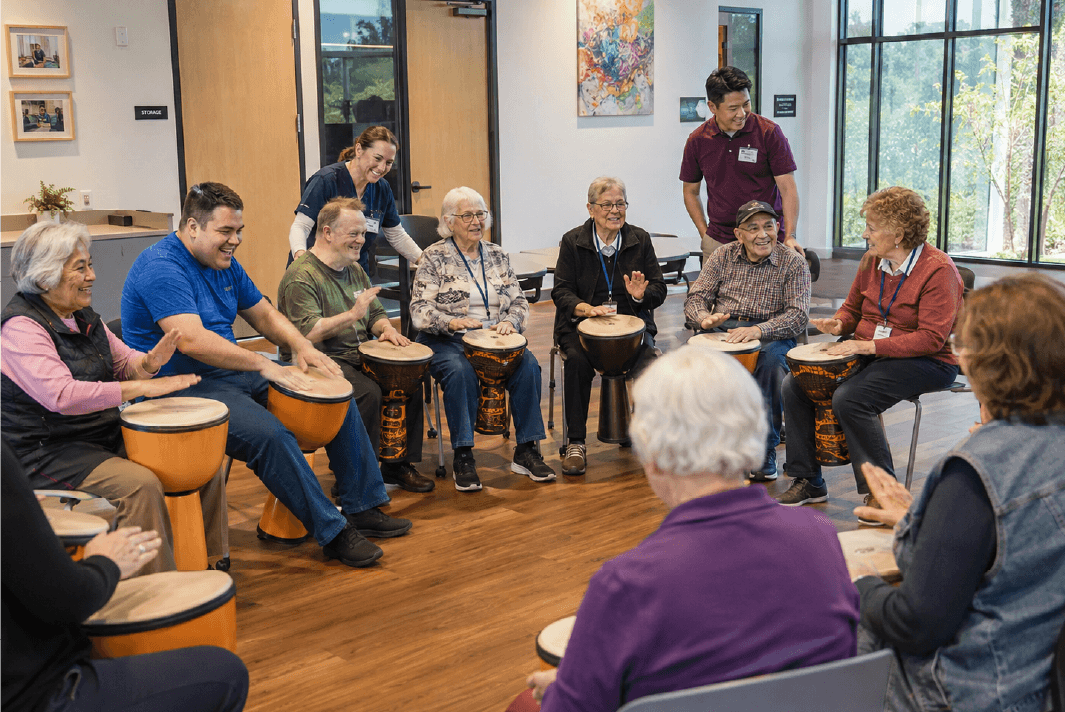
Trap Makes Learning Fun
Eddie Tuduri
Aging may bring a few regrets, but Tuduri believes it also brings perspective. Through music, teaching, humor, and decades with The Rhythmic Arts Project, he reflects on the value of staying curious, connected, creative, and fully engaged with life.