
Myths, Legends and Lies
“Even when the facts are available, most people seem to prefer the legend, and refuse to believe the truth when it in any way dislodges the myth.”

Rick Rader, MD, FAAIDD, FAADM, DHL (hon), Director, Habilitation Center, Orange Grove Center
Editor-in-chief, HELEN, Journal of Human Exceptionality
Summary: Dr. Rick Rader traces humanity’s long fascination with myths—from ancient stories used to explain the unknown to modern misconceptions that persist despite evidence. He then turns to some of the enduring myths surrounding disability, including assumptions about capability, independence, relationships, employment, quality of life, and accommodations.
These beliefs are more than harmless misunderstandings; they can fuel stigma, exclusion, discrimination, and low expectations. Rader challenges readers to recognize disability as a natural part of human diversity and argues that one of the most persistent myths is that people with disabilities already enjoy full equality.
When I was a senior in high school I took an elective course in Mythology. Okay, I thought it was going to be a “gut course” (a course that was easily passed and required little work).
Boy was I in for a surprise. For one thing it was very demanding. It required reading hundreds of Greek, Roman, Norse, and Egyptian myths. We had to trace the lineage and relationships of complex connections. An example was when Zeus disguised himself as a swan to seduce Leda, the queen of Sparta. Their union resulted in the birth of Helen of Troy, whose abduction sparked the Trojan War. Some “gut’ course.
By the time the course ended I was a huge fan of classical myths and legends.
Myths are traditional stories that cultures create to explain the world, teach values, and preserve beliefs. Long before modern science, myths helped people make sense of natural events, human behavior, and life's greatest mysteries. Passed down through generations, these stories often featured gods, supernatural beings, or legendary heroes whose actions shaped the world.
One of the primary purposes of myths was to explain phenomena that people could observe but could not scientifically understand. For example, the ancient Greeks believed that thunder and lightning were caused by Zeus, the king of the gods, throwing lightning bolts from the sky. In Norse mythology, thunder was said to come from Thor striking his hammer, Mjölnir. The ancient Egyptians explained the daily movement of the sun by telling the story of the sun god Ra, who sailed across the sky each day and journeyed through the underworld each night.
Many myths also explained the changing seasons. In Greek mythology, the story of Demeter and Persephone describes how Persephone's time in the underworld caused winter, while her return to Earth brought spring and summer. Other myths explained the origins of humans, animals, mountains, rivers, and stars, giving people a meaningful way to understand their environment.
Beyond explaining nature, myths reinforced cultural values and social traditions. They taught lessons about courage, honesty, respect, and the consequences of pride or greed. These stories helped unite communities by providing a shared understanding of the world and humanity's place within it.
Although science now explains many natural phenomena, modern myths still exist. These are not usually stories about gods but rather widely believed ideas that persist despite evidence to the contrary. Examples include the belief that people use only 10% of their brains, that cracking your knuckles causes arthritis, or that goldfish have only a three-second memory. Sitting too close to the TV will ruin your eyes, sugar makes kids hyperactive, wait an hour after eating before swimming, lightning never strikes the same place twice, shaving makes hair grow back thicker, and reading in dim light permanently damages your eyes. Popular culture also creates modern myths and urban legends, such as stories about mysterious creatures like Bigfoot or the Loch Ness Monster, and internet rumors that spread quickly without reliable evidence.
Myths, whether ancient or modern, reveal an important aspect of human nature: people seek explanations for the unknown. While scientific knowledge has replaced many ancient explanations, myths continue to reflect our curiosity, imagination, and desire to understand the world around us.
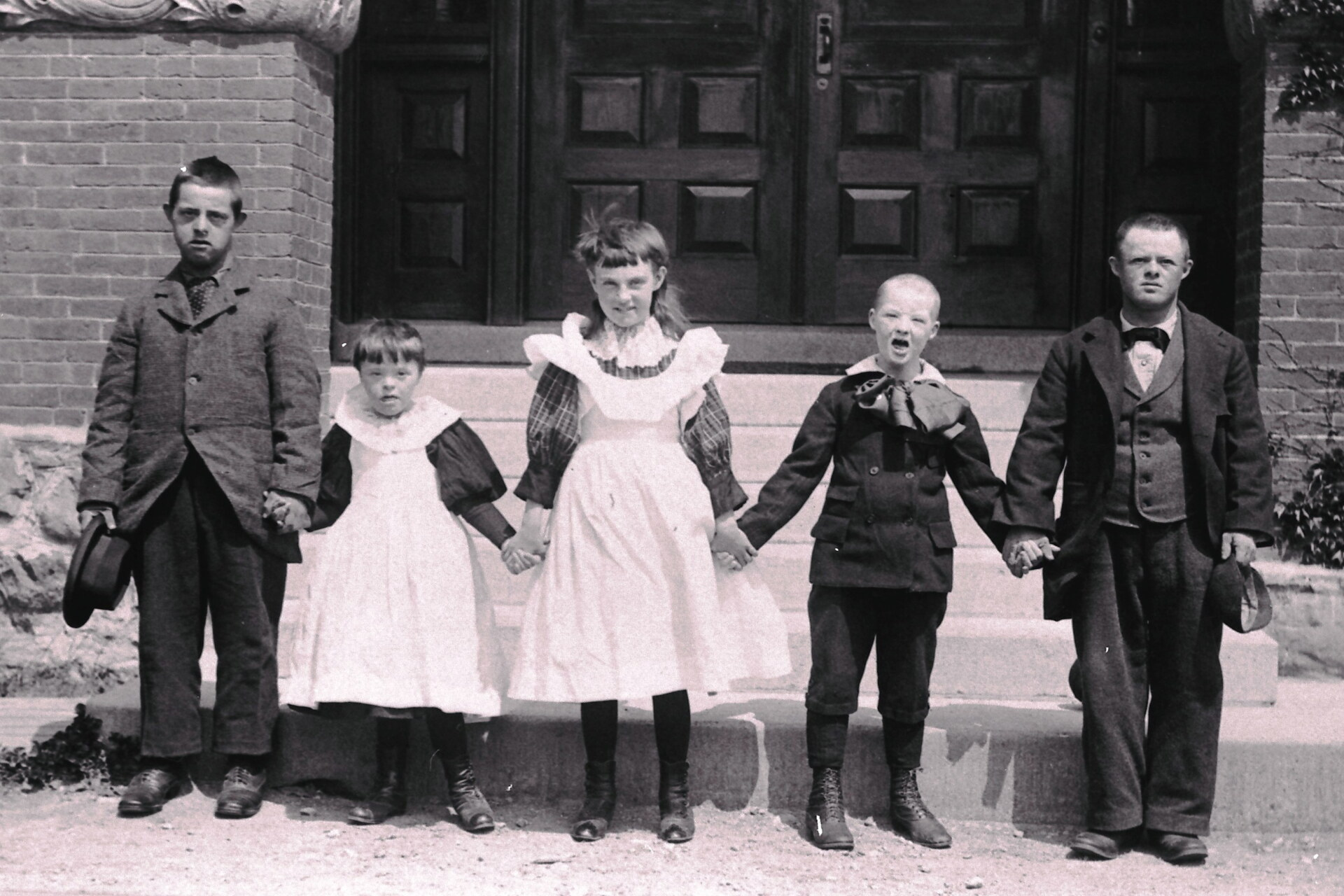
Myths, falsehoods, rumors, and legends have always extended to people with disabilities. The perpetuation of these myths has contributed to the fear, stigma, isolation, mistreatment, and harm that has been directed at them.
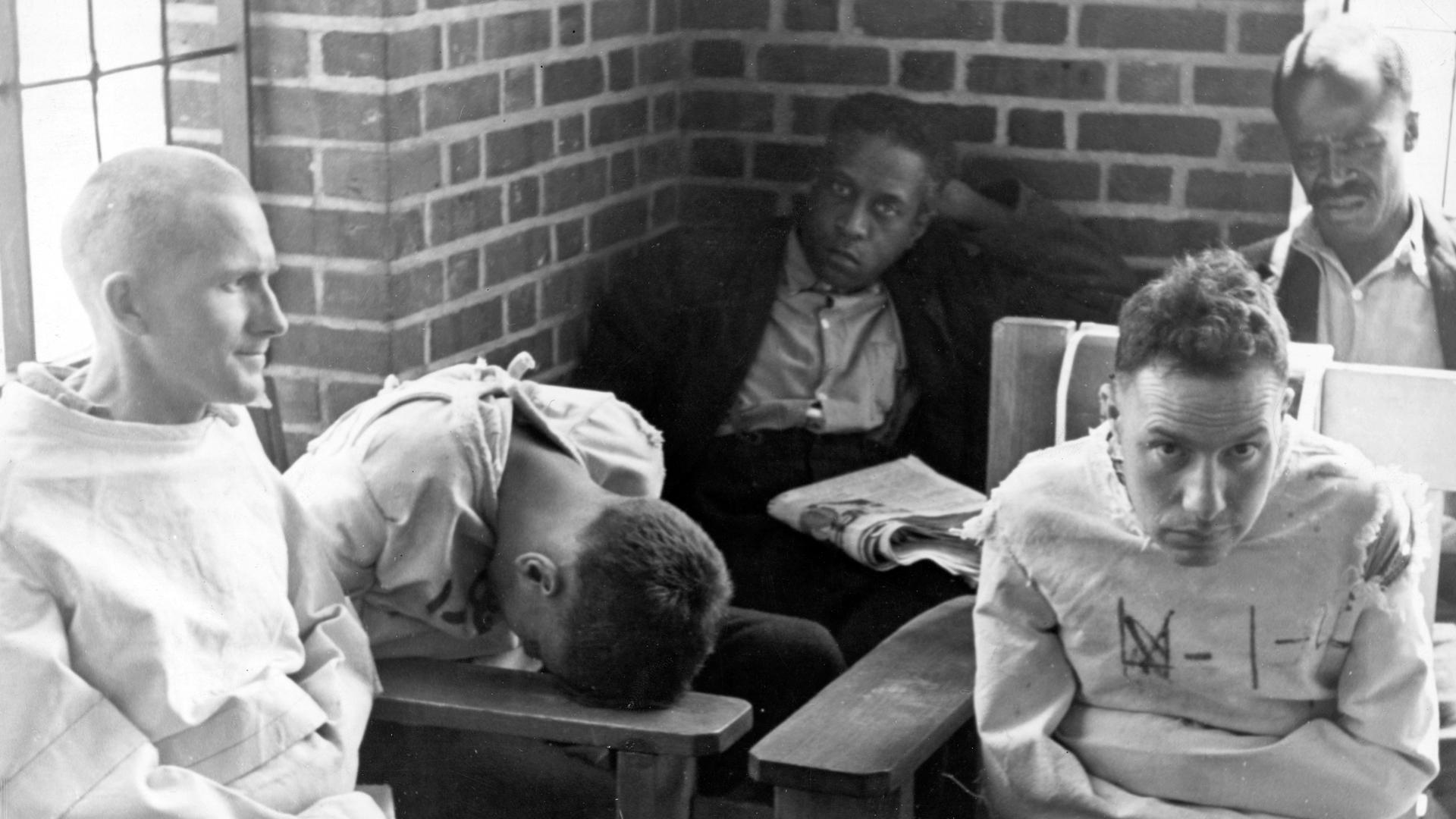
Many myths about disability have been repeated for generations through media, institutions, and everyday interactions. These misconceptions have contributed to stigma, discrimination, and barriers to full participation in society. Here are some of the most common myths and why they're inaccurate:
Myth: People with disabilities are less capable.
Reality: Disability does not determine intelligence, talent, work ethic, or potential. People with disabilities succeed in every profession, from science and law to sports and the arts. Barriers in the environment, rather than disability itself, are often what limit opportunities.
Myth: All disabilities are visible.
Reality: Many disabilities are not immediately apparent, including chronic pain, learning disabilities, mental health conditions, hearing loss, autism, and many chronic illnesses. Assuming someone is "not really disabled" because they don't look disabled can invalidate their experiences.
Myth: People with disabilities are dependent on others.
Reality: Many live independently, work, raise families, travel, and make their own decisions. Some people require support in certain areas, but needing assistance does not mean lacking independence or autonomy.
Myth: Disability automatically means poor quality of life.
Reality: Research consistently shows that many people with disabilities report satisfying and meaningful lives. People without disabilities often underestimate the quality of life experienced by those with disabilities—a phenomenon sometimes called the "disability paradox."
Myth: People with disabilities are inspirational simply for existing.
Reality: While celebrating achievements is appropriate, treating ordinary activities as extraordinary solely because someone has a disability can be patronizing. This is sometimes referred to as "inspiration porn," a term coined by disability advocate Stella Young.
Myth: Disabilities are always tragic or should be “fixed.”
Reality: Many people view disability as one aspect of their identity rather than something that defines them. While some individuals seek medical treatment or rehabilitation, others focus on removing societal barriers rather than "fixing" themselves.
Myth: People with disabilities cannot work effectively.
Reality: Given accessible workplaces and reasonable accommodations, people with disabilities often perform as well as their peers. Studies have shown that accommodations are frequently inexpensive and beneficial for employers.
Myth: People with disabilities are alike.
Reality: Disability is incredibly diverse. Two people with the same diagnosis may have very different abilities, support needs, interests, and life experiences.
Myth: Disability is rare.
Reality: Disability is common. Around the world, a significant proportion of people experience disability at some point in their lives, whether from birth, illness, injury, or aging.
Myth: People with disabilities are asexual or uninterested in relationships.
Reality: People with disabilities have the same range of interests in friendship, dating, marriage, and parenthood as anyone else. This stereotype has historically led to discrimination in healthcare, education, and family life.
Myth: Accommodations give people with disabilities an unfair advantage.
Reality: Accommodations are intended to provide equitable access, not special treatment. For example, screen readers, captioning, ramps, or extended testing time help address barriers rather than create advantages.
Myth: Disability is solely a medical problem.
Reality: Modern perspectives recognize that disability is shaped by both a person's condition and the environment around them. For example, a wheelchair user may be limited not by the wheelchair itself but by stairs where no ramp or elevator is available.
These misconceptions can lead to:
Lower expectations in education and employment.
Social exclusion and isolation.
Discrimination in hiring, housing, and healthcare.
Pity or overprotection instead of respect and inclusion.
Policies and environments that fail to consider accessibility.
Many disability scholars and advocates emphasize that disability is a natural part of human diversity. Reducing stigma involves focusing on accessibility, equal opportunities, respectful language, and recognizing individuals for their abilities, preferences, and identities rather than making assumptions based on disability alone.
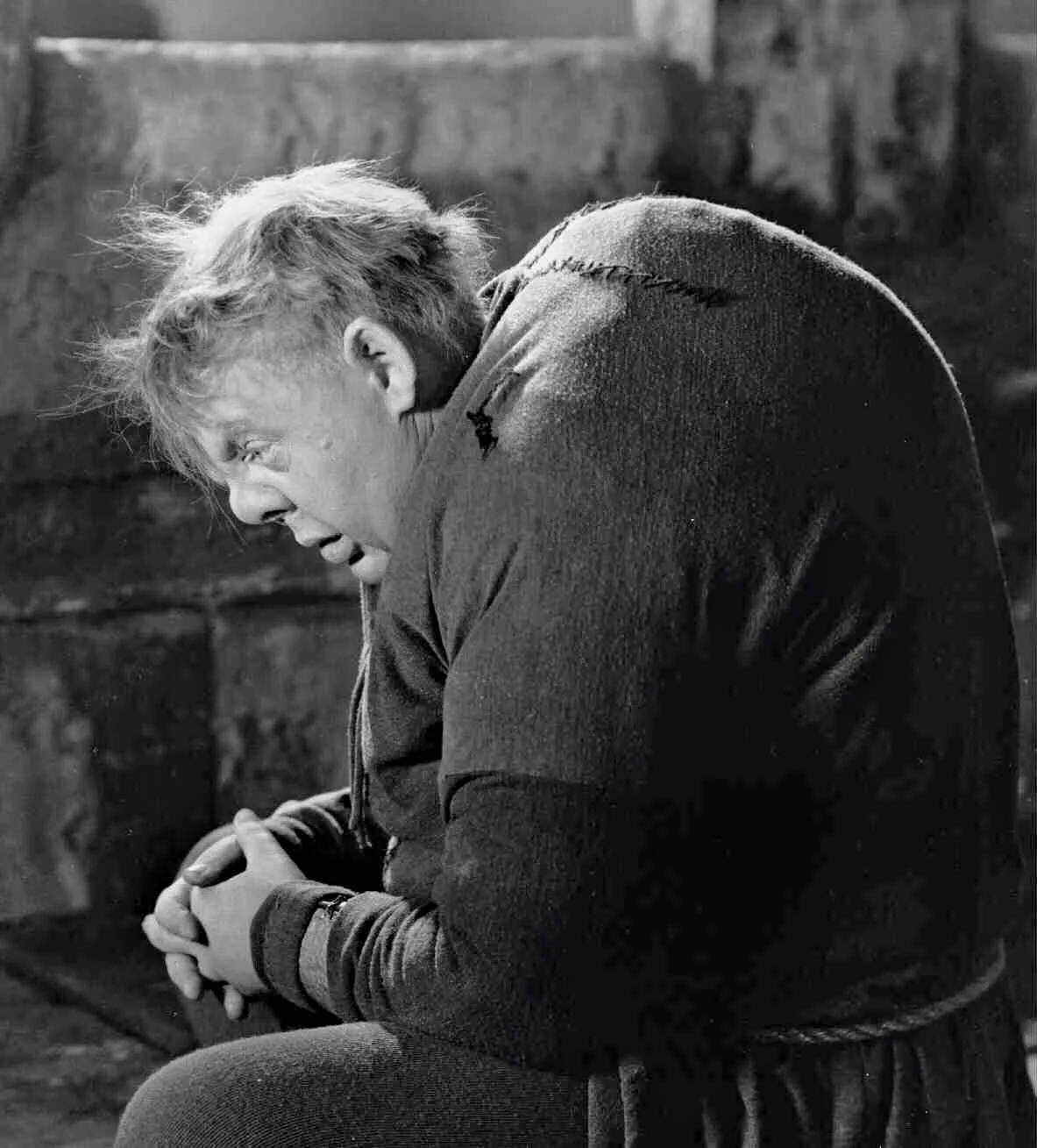
One of the most popular myths and legends involving a person with a disability is The Hunchback of Notre Dame. Primarily known through Victor Hugo’s novel, it is often misunderstood as a simple tale of a deformed man named Quasimodo. In reality, the story reflects deeper themes of social injustice and the importance of compassion, while Quasimodo himself is a tragic figure rather than a mere monster.
The narrative surrounding the Hunchback is filled with myths and misunderstandings.
Quasimodo was inspired by real-life deformed bellringers, showcasing the societal treatment of those with disabilities. Victor Hugo’s novel, published in 1831, played a crucial role in saving the Notre Dame Cathedral from demolition.
The story emphasizes themes of love and acceptance, contrasting Quasimodo’s inner goodness with societal prejudice. The character’s struggles mirror the social issues of 19th-century France, highlighting class disparities and the plight of the marginalized.
Perhaps the most prevailing myth is that people with disabilities enjoy all the rights that are provided to those without disabilities. A myth, that for the rest of us will hopefully one day, see it become a fact and not a fable.