
Look Closer
Rethinking What Acceptance Asks of Us
By Bieke L. kreps, DDS, MSc, PhD(c)
Summary: A guest editor’s introduction to HELEN’s Craniofacial Acceptance Month. Acceptance is a word our field uses often and defines rarely. Every September we mark Craniofacial Acceptance Month. And every September the same quiet question sits underneath it: what, exactly, are we asking people to accept – and who is being asked to do the accepting? The four writers in this issue answer that it is better than any editorial could. My task is simply to draw the threads between them – and then let their voices lead.
Why these pages
HELEN is published by People Advocating for Optimal Health, and its subject is human exceptionality rather than any single diagnosis. That distinction matters here. When Dr. Perlman and the HELEN team invited me to guest edit this September’s issue, they offered an unusual kind of freedom: no set word count, no required references, nothing that had to be academic. Simply good, honest, human content.
My work sits on a seam our field still too often keeps apart – the clinical care we deliver, and the psychosocial life that care happens inside. I treat children with clefts and craniofacial conditions. I research how adolescents with visible differences build resilience. And I was once one of those children.
That seems precisely why I did not want to fill these pages myself.
The other half of the data
Our field has built a substantial psychosocial evidence base over more than four decades. One finding has remained strikingly consistent: clinical characteristics alone – the type or severity of a cleft, or appearance after treatment – do not tell us how a young person will fare in adolescence and adulthood.
What matters profoundly are the resources around and within a young person: a positive outlook and self-acceptance, honest information, growing autonomy, and the opportunity to connect with peers who understand.
There is another part of that evidence we quote far less often, and here it matters just as much. Alongside very real challenges, people growing up with visible differences also describe resilience, empathy, advocacy, deeper social connection, and personal growth.
A model of care that counts only the challenges is missing half the data.
These pages ask us to look at the other half.
What we cannot see
We are skilled at treating what is visible. We are far less practiced at noticing what is not – the hospital memory, the sentence a child heard in a school corridor at eleven, an anxiety that never reached a chart, a condition with no outward sign at all.
We all have a story, and most of it remains invisible.
That is not only a craniofacial truth. It is a human one – and it is why these pages belong in a journal about human exceptionality rather than within the boundaries of a single clinical discipline.
Look closer
For the past ten years I have served on the board of Positive Exposure, the nonprofit founded by former fashion photographer Rick Guidotti.
In 1997, at a bus stop in New York City, Rick saw a young woman with albinism and was struck by her beauty. When he later looked at how people with albinism were represented in the medical literature, he found images in which diagnosis had eclipsed personhood. That contrast redirected his career and became an instruction to the rest of us: change how you see, see how you change.
Positive Exposure names three needs, and I have never found a way to improve them.
The need to be seen. The need to be heard. The need to belong.
Lived experience does not qualify anyone to speak for others; it asks us to listen harder. So, I asked four people to write from wherever they actually stand and trusted their voices to lead.
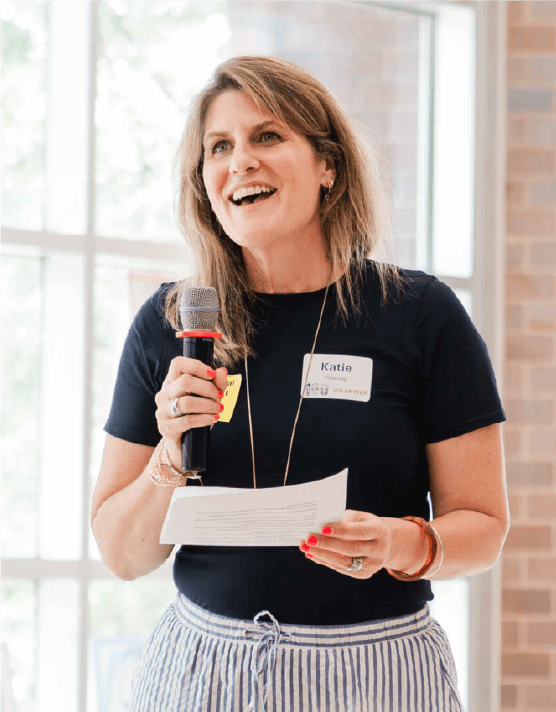
Katie Manning begins with a child. An artist and trauma-informed coach, and the mother of a young woman born with a bilateral cleft, Katie has spent four years painting the faces of people born with a cleft – one hundred of them now – and this summer carried the collection through twelve American cities. This Belongs Here Too opens in a hospital atrium in Orlando, with a little girl called Mila saying three words. Katie’s subject is what changes when a face moves from a clinic to a gallery wall. One setting says this needs treatment. The other can say this belongs here too. Both truths, as she puts it, can exist at once.
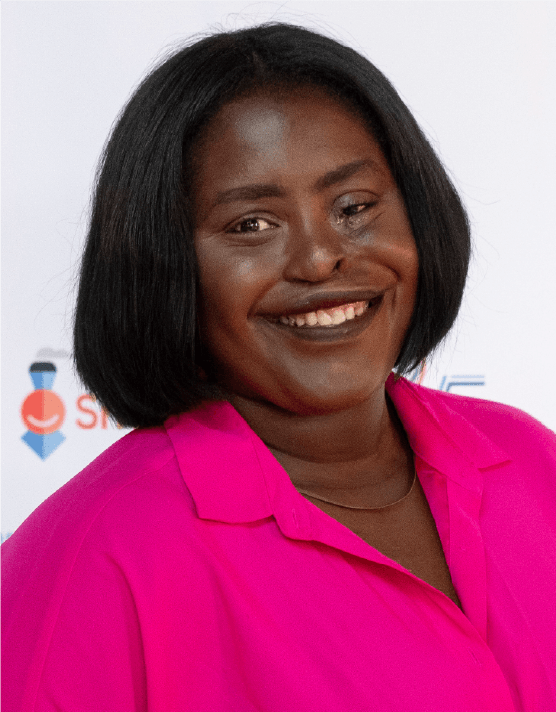
Iva Ballou takes us from the face to the room. Born with a bilateral cleft lip and palate, Iva is Senior Community Development Manager at Smile Train, where she helps create Cleft Con – a gathering built around connection for people with clefts and their families. The Gift I Get to Give Back opens with an admission few people in her position would make: every year, before it begins, she worries that people will not like it – and, somewhere underneath that, that they will not like her. What follows is a deeply generous reflection on how belonging is made: deliberately, through listening, through the smallest details, and through the understanding that every person’s story remains theirs to tell, when and how they are ready.
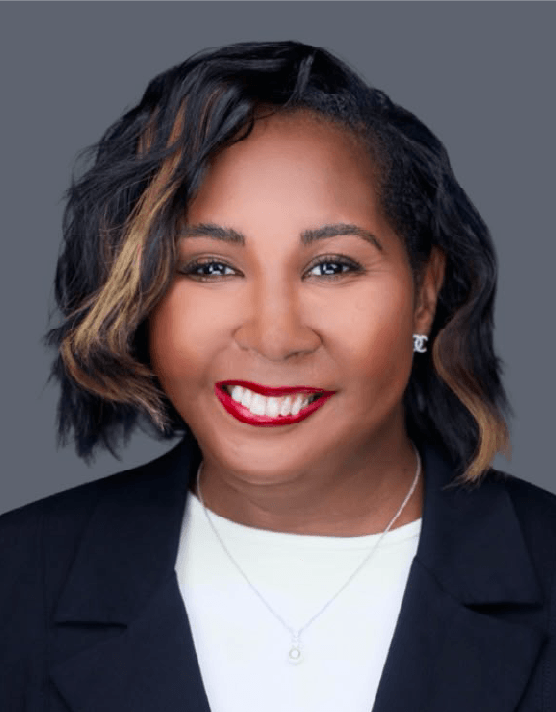
Rasheera Dopson moves us from the room to the system. Program Director at the Children’s Craniofacial Association, living with Goldenhar and VACTERL syndromes, Rasheera begins almost exactly where Iva ends – in the relief of a room full of people who understand without explanation – and then refuses to stop there. Not the Inspiration, the Architect is about the distance between condition-specific communities and the wider disability movement, and the unglamorous work of building a bridge across it. She writes a sentence that will outlast this issue: it’s not my job to be an inspiration. But it is my job to lead.
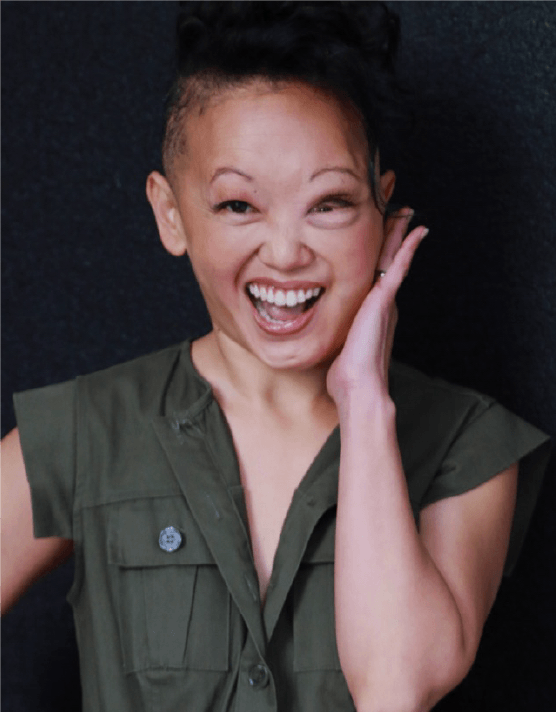
Sora Kasuga opens it all the way out. A circus artist and founder of The FaceOut Project, they name something many of us have felt and few have had language for: lookism, the discrimination based on appearance that runs so deep through our institutions that we mistake it for weather. I Fly For a Living is an unsparing piece of writing about the systems that teach people to fix themselves in order to belong. And yet it ends not in anger, but in tenderness: You. Are. Enough.
Face. Room. System. Movement. Or put another way: recognition, belonging, power, liberation. Read in that order, these four essays widen steadily – from what it means to see and be seen, to who gets to belong, to who holds power, to what becomes possible when we stop asking people to change themselves and begin changing the systems around them.
Listen before we label
A language of recognition surfaces repeatedly across these pages. I feel seen. I think she would have felt seen. Just a chance to feel and be seen. And in Sora’s essay, the language shifts from being seen by others to something equally fundamental: knowing, finally, You. Are. Enough.
Four writers, working independently, arrive at the same question from different directions: what does it take not merely to be visible, but to belong?
Notice, too, what they decline to do. All four set down the inspiration narrative, each in a different way. Katie would rather children never absorb the idea that something is wrong with them than become skilled at overcoming it. Iva refuses the premise that any one person can be the cleft story and guards her speakers against the pressure to hand a room everything they have. Rasheera puts down the role of inspiration and picks up the role of architect. Sora names inspiration porn for what it is.
This is four people, in very different ways, asking us to move beyond admiration toward something more meaningful: inclusion, agency and belonging.
Which returns us to the word we began with. Acceptance is not permission granted by one group to another. It is what becomes possible when belonging is no longer conditional. And these four essays show that belonging does not happen by accident. It is built in a portrait on a wall, in a room where nobody has to explain themselves first, in a name on an org chart, in a movement willing to challenge the systems that decide who belongs.
This September, the Children’s Craniofacial Association has chosen Celebrate Community as its theme. I can think of no better description of what follows.
My thanks to Dr. Perlman and to HELEN for making the room, and to Katie, Iva, Rasheera and Sora for filling it so generously.
So let us listen before we label, learn before we assume, and look closely enough to notice not only who is in the room, but who shaped it, who holds power within it, and who is still being asked to change to belong.
Because being seen, heard and valued is not a privilege.
Belonging should never be conditional.
About the Author
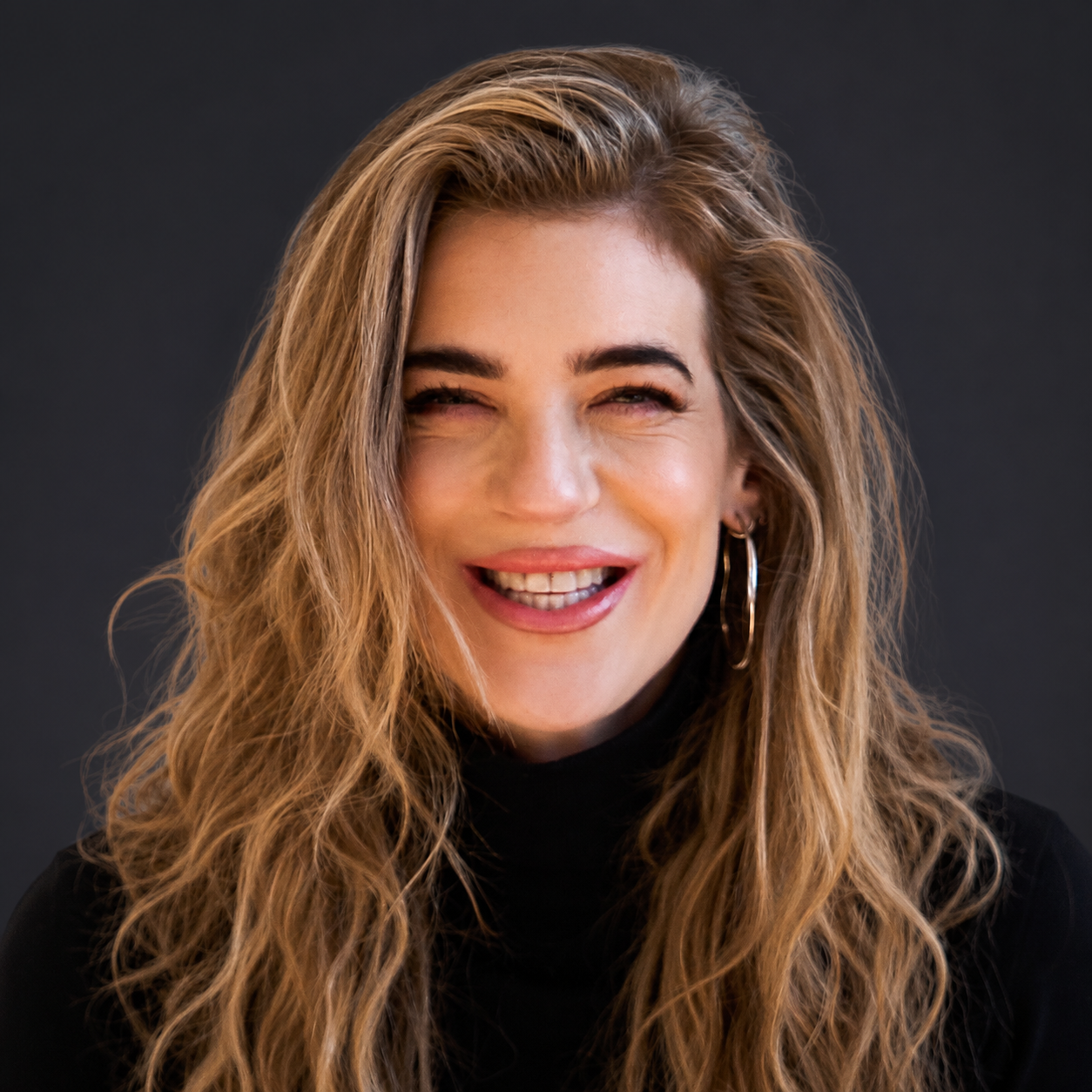
Dr. Bieke Lucie kreps, DDS, MSc, PhD(c), is a Belgian pediatric and craniofacial dentist, clinician-scientist, educator, and advocate specializing in cleft care, psychosocial wellbeing, and person-centered healthcare. She serves on the cleft and craniofacial team at Ghent University Hospital (Belgium)—the same team that cared for her from infancy through adulthood—and is an Adjunct Associate Professor at NYU College of Dentistry (USA). As a doctoral researcher at UWE Bristol’s Centre for Appearance Research (UK), she studies resilience and wellbeing among adolescents with visible differences.
Born with a bilateral cleft lip and palate, Dr. kreps brings both professional and lived experience to her work, advocating for meaningful partnership with patients and families in shaping care and research. Dr. kreps lectures and collaborates internationally and serves on the board of Positive Exposure.