
Sensory Sunshine
Beyond “Fitting In”: Helping Neurodivergent Adults Flourish
By Dr. Janice Ryan, OT, HSD
Summary: Dr. Janice Ryan explores how therapeutic multi-sensory environments can help neurodivergent adults move beyond simply fitting in and toward genuinely flourishing. Drawing on the history of Snoezelen and the work of the American Association of Multi-Sensory Environments, she explains how sensory-rich spaces can support choice, regulation, wellbeing, and person-centered care.
Ryan also traces the development of multi-sensory environments from the Netherlands to the United States and connects that history to newer understandings of trauma-informed care, neurodiversity, and the relationship between people and their environments.
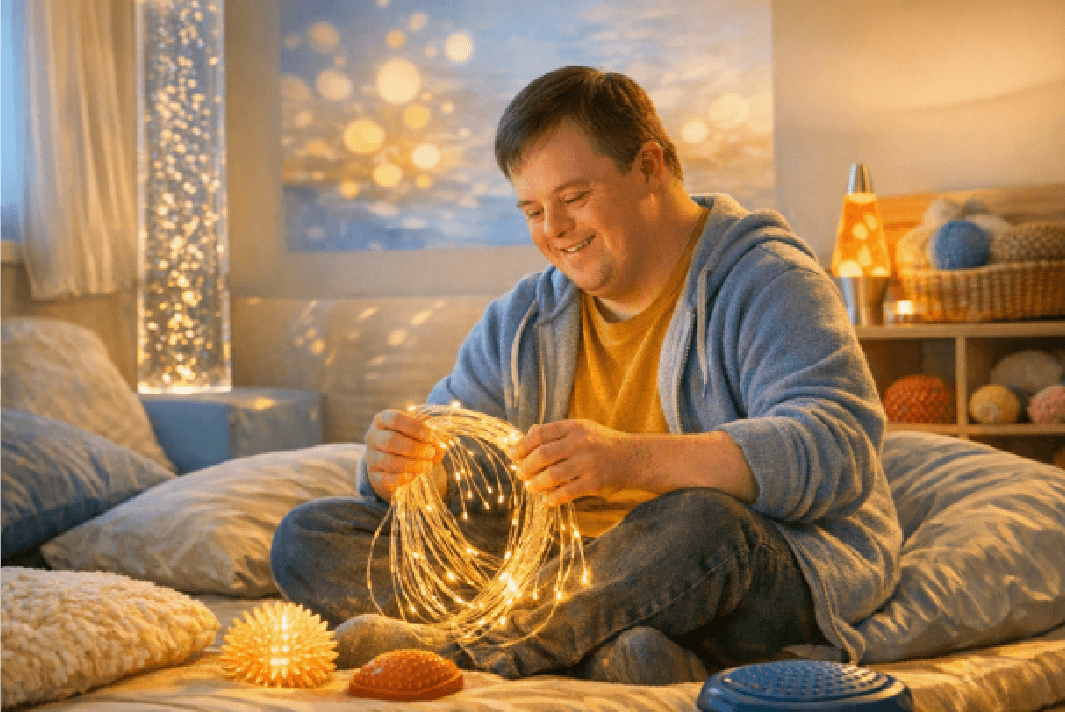
What if the goal is not to help neurodivergent adults blend in, but to help them build lives that truly fit? That question is guiding a renewed chapter for the American Association of Multi-Sensory Environments (AAMSE), a nonprofit founded to address sensory processing disorders, or SPD.
AAMSE has been active since 2006. After a quieter period beginning in 2016, our mission has been reignited through People Advocating for Optimal Health (PAOH). We believe 2026 opens new possibilities for supporting neurodivergent adults through therapeutic multi-sensory environments, or MSEs.
This work is personal to me. As a twice-exceptional learner, I have experienced how people with strong abilities can also face real learning challenges. Too often, our strengths are hidden because we spend so much energy trying to fit expectations built for the “neurotypical” center of the bell curve.
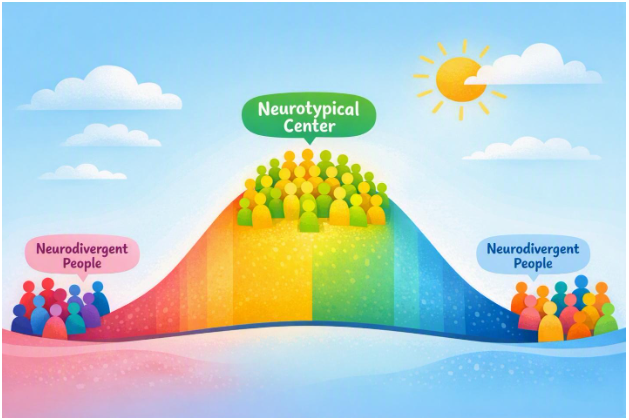
The neurodiversity paradigm invites a different question: What helps each person thrive? I was reminded of this recently while presenting an AAMSE Certified treatment case study at an academic conference in North Carolina. Afterward, a young adult from Oklahoma City who works in math and technology asked, “Is this the same as Snoezelen?”
His question surprised me. Few people outside AAMSE have used that word in recent years. He shared that he is neurodivergent and that his children attend a school with a newly installed Snoezelen space. We spoke about how to make sure the space is used thoughtfully, safely, and effectively.
That conversation captured why AAMSE is focusing more intentionally on adults with SPD. Neurodivergent people are not simply trying to fit in. Like everyone else, we want to flourish. AAMSE’s renewed goal is to help optimize quality of life for adults with SPD through skilled, person-centered use of MSEs.
Where Snoezelen Began For readers new to Snoezelen, think of it as a well-known brand name for sensory-enriched equipment and spaces, much like Kleenex is often used for tissues. AAMSE’s founder understood this distinction and helped establish the broader concept of therapeutic multi-sensory environments in the United States. Snoezelen began in the Netherlands in 1974, when occupational therapist Ad Verheul and music therapist Jan Hulsegge created spaces where people with profound intellectual and developmental disabilities could explore, relax, and choose what felt meaningful. At the time, this was a radical shift from asking people to perform tasks toward honoring their experience of being.
A Snoezelen Shift in Perspective “Rather than asking, ‘What can this person with profound IDD accomplish?’ Snoezelen asked, ‘What would happen if we gave this person a safe environment for them to choose what they want to do?”
Occupational therapist Ad Verheul and music therapist Jan Hulsegge developed the Snoezelen concept at De Hartenberg in the Netherlands in the mid-to-late 1970s. This was when they began experimenting with an environment in which people with profound IDD could simply explore rather than being required to perform. Their radical actions foreshadowed new paradigm science in trauma-informed care.
AAMSE’s American Story
AAMSE’s American story began with occupational therapist Linda Messbauer, shown in the photo below. After encountering the Dutch approach, she recognized its promise and established the first Snoezelen/MSE in the United States in 1992. What began overseas became an American movement in sensory wellness and therapeutic innovation.
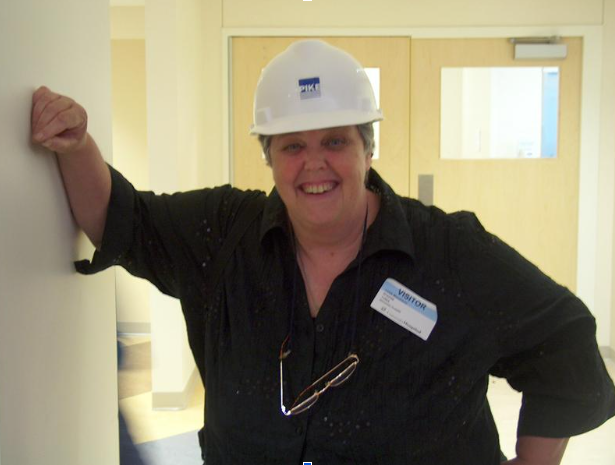
Linda Messbauer
Today, new paradigm science reinforces what AAMSE practitioners have long observed: people are deeply connected to their environments through sensory systems, relationships, and social engagement. This understanding is central to trauma-informed care and to effective therapeutic use of MSE.
Linda often said that therapeutic changes in an MSE are nonlinear. Today’s science is catching up with that insight. Join me next time as I explore how 21st Century research helps explain the benefits of well-designed MSE treatment, including AAMSE’s Clinical Story Sensemaking Process and nonlinear statistical analysis. Take-away: When sensory environments are designed with skill and respect, they can help neurodivergent adults move beyond fitting in and toward flourishing.
About the Author
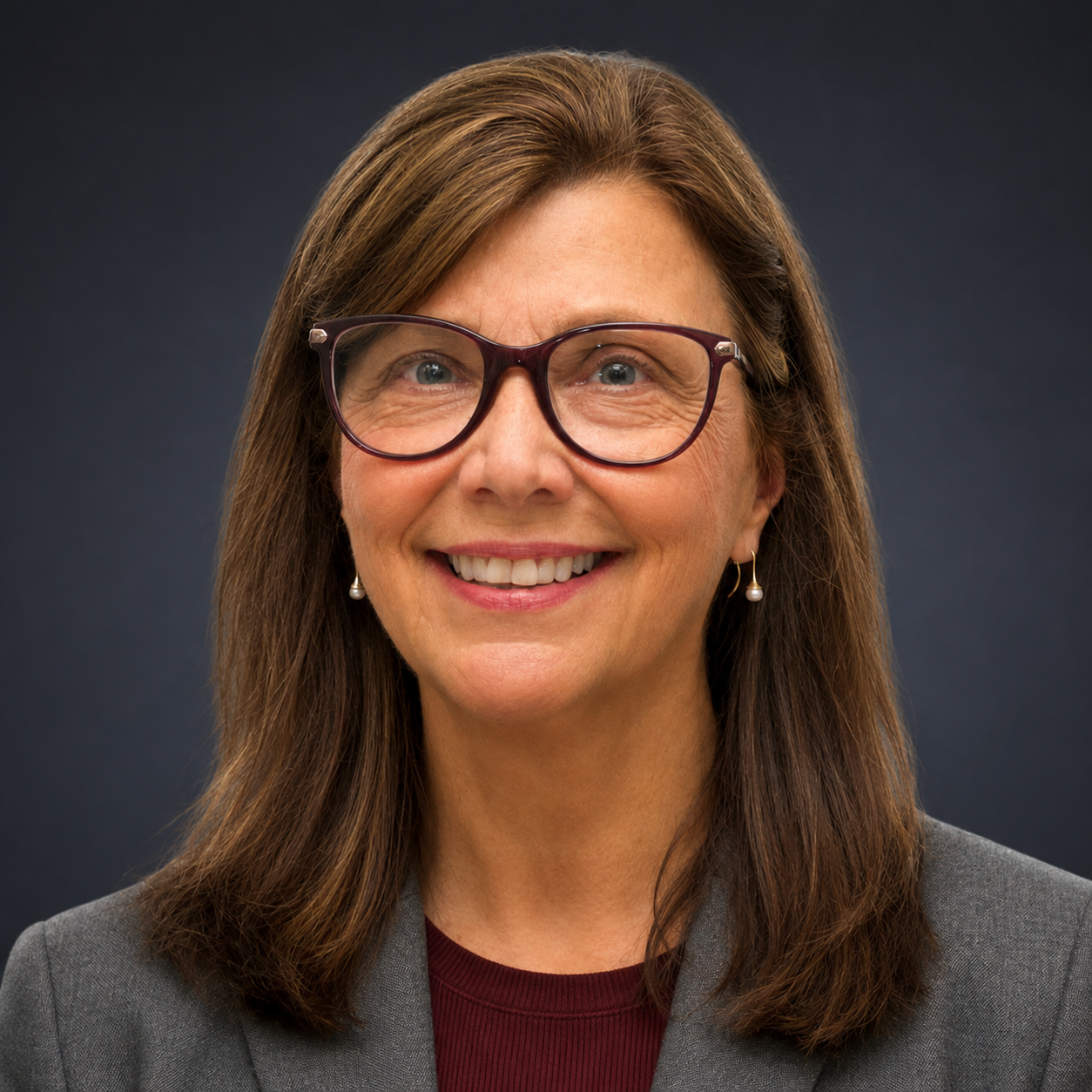
Dr. Janice Ryan, OT, HSDP, is a certification trainer for the American Association of Multisensory Environments (AAMSE) and Founder/Director of Attunement Solutions, where she helps improve quality of life and relationships for neurodivergent children and adults. With five decades of clinical psychology experience, advanced degrees in Occupational Therapy, and 20 years as a Certified Human Systems Dynamics Practitioner, Dr. Ryan brings a broad, whole-person view of mental health and well-being. Her approach supports small, meaningful life changes that help clients build more satisfying lifestyles.
She has published peer-reviewed articles and family-focused resources, trains new practitioners in her treatment model, and develops online quality-of-life communities for neurodivergent adults. Connect with Dr. Ryan at janice@attunementsolutions.com