
The Horse and His Pelvis
Therapies That Are Improving the Quality of Life for Autistic Families
By Troy Krombholz
Summary: Troy Krombholz argues that supporting autistic people means looking beyond neurological differences and behavioral challenges to care for the whole body. Drawing from his own experience, he highlights four therapies that have improved his quality of life: equine-assisted services, aquatic therapy, music therapy, and pelvic floor physical therapy.
Each addresses different physical, sensory, emotional, or communication needs, from balance and regulation to bladder and bowel function. Krombholz emphasizes the value of individualized care and the need for better access to therapies that can support independence, comfort, and quality of life.

The author with a therapy horse.
When I told some of my friends that the title of my next article was The Horse and His Pelvis, I heard 2 things over the phone; crickets and …”um ok Troy.” I knew they would love it!! Great! So now that I have a captive audience I shall stand on my “soap box” and clear my throat.
What grieves me the most for the Autistic Community is just how neglected our physical bodies are, outside of our spinning & whirling neuro-processors. Most people on an average day think of and fixate on autistic people and their “meltdowns,” instead of asking the question “How healthy is our ASD person anyway… Like their actual body?” So many doctors fall short of seeing the deeper health needs for autistic people. As many of you know, we autistic people can’t always determine if or where something is hurting. Many times, we are barreling through life at 75 mph with 2 leaking tires and the gas cap off. The whole body of an autistic person needs to be seen and cared for. So, for this article I brought some real fine “Smart Brass Tacks” on my Tour through 4 therapies that have rocked my world as an Autistic Person.
Our first stop today on our Horse Guided tour is, “The Savannah River to your right,” wait what? Yes, that’s right folks on this lovely & super-hot tour, your guide Troy and his steady horses will leave road apples for all you fun loving sandal wearing vacationers. Many years ago, in my college days I lived and worked in downtown Savannah, GA with one of my most favorite jobs of all time, a Horse Carriage Tour Guide. And my horses were more famous than I could have ever imagined, for they “Lewis & Clarke” a steady pair of White Percheron Horses walked like the wind through a scene in Forest Gump that was full of melting chocolates. There in the background and even all those years later they were flatulating their stories and mine all over the Historic District of Savannah GA. I loved Lewis and Clarke, and I loved my job. For years I have loved horses and animals and they kind of like me back. My wife and boys call me the “Animal Whisper.” Yeah, it is true. For me, animals, especially horses, regulate my internal clock and I can’t describe in words the deep connection and stability that I gain from it. I WUV horses!
My wife, Susan, works as a social skills provider at a local Equine therapy center. So, I asked my wife’s boss Heidi to explain this amazing connection between horses and humans further.

“Individuals with Autism Spectrum Disorder (ASD) often experience differences in sensory processing, motor coordination, body awareness, communication, emotional regulation, and interoception—the ability to recognize and interpret internal body signals such as hunger, breathing, muscle tension, and emotional states. Equine Assisted Services (EAS) provide a unique, relationship-centered environment that engages the body and brain through purposeful movement, sensory experiences, and meaningful interaction with horses.
The horse’s rhythmic, repetitive, three-dimensional movement provides rich vestibular, proprioceptive, tactile, and visual sensory input while promoting postural control, balance, bilateral coordination, and body awareness. These sensory experiences can support nervous system regulation and sustained engagement during therapeutic activities. As participants become more aware of their bodies and internal cues, they often develop increased self-regulation, confidence, and participation in everyday activities.
Horses communicate primarily through nonverbal cues and respond to subtle changes in posture, breathing, muscle tension, and emotional state. This immediate, authentic feedback provides opportunities for individuals with ASD to increase self-awareness and develop more effective communication and problem-solving skills. Within a safe and supportive environment, the horse-human relationship may also facilitate co-regulation, helping participants experience calm, connection, and emotional safety while building the capacity for independent self-regulation over time.
At Strides Equestrian Therapeutic Center, EAS is delivered through a trauma-informed, relationship-based approach. Activities such as grooming, leading, liberty work, mounted activities when appropriate, and collaborative problem-solving foster executive functioning, communication, emotional regulation, confidence, and healthy relationships. Rather than focusing on deficits, services build upon each participant’s strengths while promoting meaningful engagement and success.
Emerging evidence suggests that equine-assisted interventions may support improvements in social communication, emotional regulation, adaptive functioning, and participation for some individuals with ASD. While EAS is not a treatment for autism itself, it can be a valuable complementary service by integrating sensory experiences, purposeful movement, and authentic human-horse relationships into individualized, goal-directed care. Through these experiences, individuals with ASD are given opportunities to build resilience, confidence, and skills that extend beyond the arena into daily life.”
By Heidi Lenz, MSW Candidate, PATH CTRI, Natural Lifemanship Practitioner, Founder and Administrator, Strides Equestrian Therapeutic Center LLC
See I told you, Smart Brass Tacks! Needless to say, um wow, no wonder me and horses chill out so much! They are gifts for humans with special needs! Now for our next stop, my local Aquatic Therapy Pool, where we discover another amazing therapy utilizing goal directed care that integrates sensory experiences for the patient in water. I call it the water pillow because it feels so good all over my aching body. The 92-degree temperature of Aquatic Therapy plays an important role for individuals who need calming and regulating.
Emily PT, DPT one of my physical therapists explains it this way; “Physical therapy in the aquatic setting provides people who have autism a safe environment to exercise. For any person with sensory processing difficulties, the warm water environment allows a physical therapist to incorporate strategies to help patients feel safer & calmer, increase focus & attention or for some create more alerting. The external compressive force of the warm water on our body provides neural input and feedback allowing for better posture, positioning, and sensory feedback. An aquatic therapy environment has great potential to improve social interactions and behaviors for those people on the spectrum.”
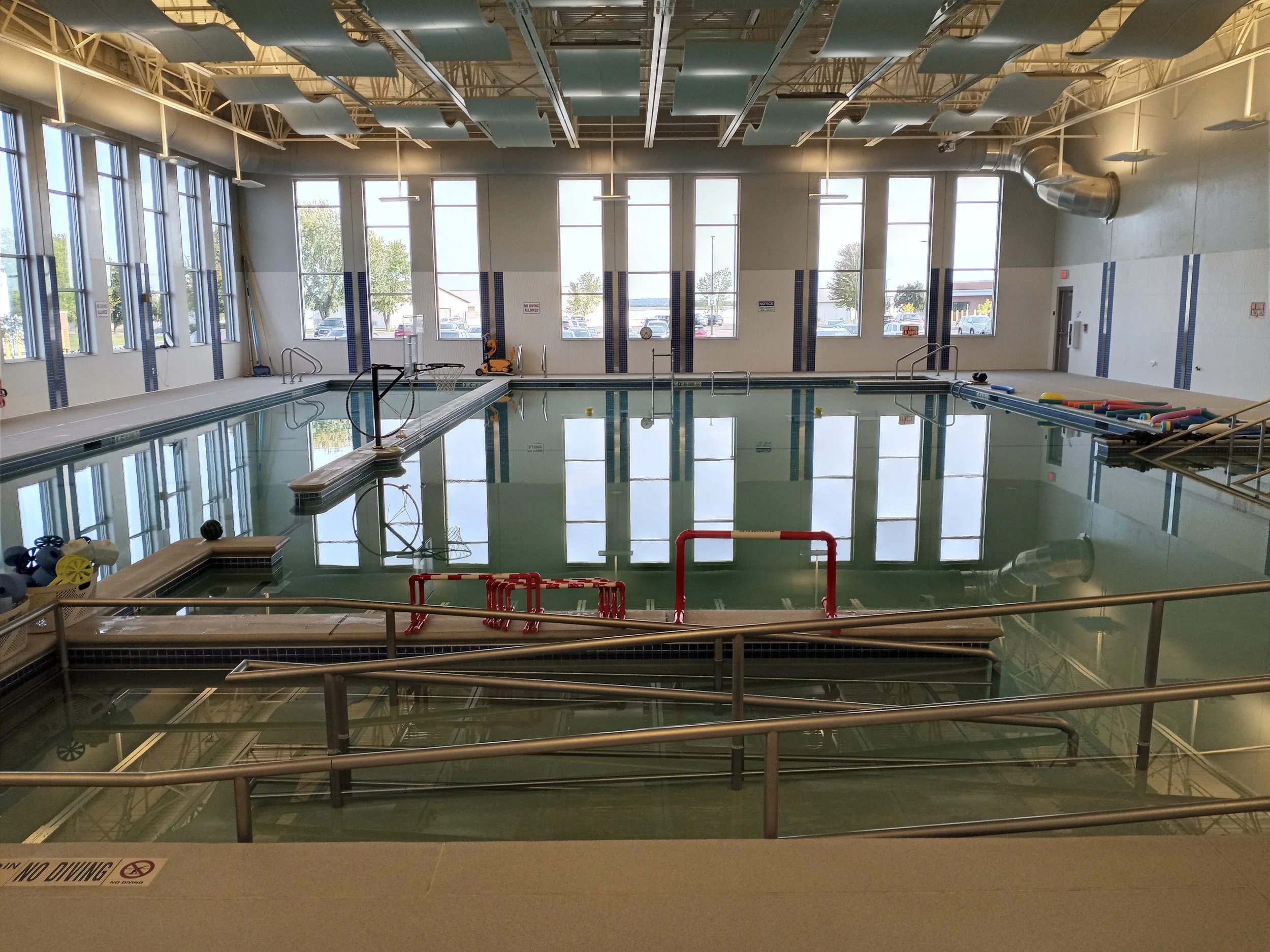
I have been in Aquatic Therapy for almost 7 years now due to my extreme health, and I can’t imagine life without it. The water has low impact on my body and provides me with maximum chances to gain, or at least maintain, my low muscle mass. So Good On, my sister, a busy swim coach, mum, who knew just how good the water was for the human body and recommended it to me!
But the hard part is not just having the courage to show up at the pool or with horses, the hard part may just be getting there at all, or having these therapeutic services covered by your insurance. For example, in the case of Music Therapy “The American Music Therapy Association estimates that only 20% of music therapists currently receive third party reimbursement for their services, leaving the burden of payment to individual families.” Boy that is shocking, isn’t it?
My friend, Martha Summa knows the real value of Music Therapy, she is one of those super smart published authors, “Ted Talk” type nerds who brilliantly spins away talking about music and autism. And naturally we are great friends at the intersection of both of those wonderful subjects.
She tells me that; “Music therapy can be tremendously beneficial for assisting people on the autism spectrum who have motor, speech, or cognition challenges. Music plays an essential role in brain development by encouraging the formation of brand-new neural networks occurring as the brain synchronizes with the musical rhythm. Listening to music activates areas in both halves of the brain, so there’s tremendous potential to use music therapeutically to help improve quality of life.
Examples of a wide range of music therapy protocols could include gait development, improved attention focus, and even encouraging some non-verbal children to initiate speech through singing. And yet, most hospitals and therapy centers are currently not staffed with music therapists, so their medical staff are generally unaware of the amazing benefits of music therapy. Many music therapists typically rely on customer satisfaction and powerful anecdotal data to show the efficacy of music therapy. For example, creating a video of a patient who demonstrated tremendous improvement following therapy. Unfortunately, this wonderful video does not equate to the real numbers needed for business purposes to convince a hospital CEO of the value of music therapy.
When fMRI technology became widely available in the late 1990’s, some music therapists who had previously relied solely on anecdotal data began to use brain scans and quantifiable testing to collect empirical data. This data demonstrated the real changes and growth patterns in the brain resulting from music therapy. For example, we now know that music activates the dopaminergic response system in the brain producing a very real “feel good” chemical response, and rhythm can sync the brain to promote therapeutic activities. However, most music therapists cannot access this kind of sophisticated data collection device.
To help bring about change, advocacy efforts coming from the consumer (who could be either the medical provider or the patient) who needs the services, could make a huge difference. Without this change, hospitals will most likely continue to only attempt insurance reimbursement on a case-by-case basis that currently requires a music therapist to implement steps within the reimbursement process. “~Martha Summa
For me more than any other stimming capability, playing piano music sets my songbird free. So why is it so hard to get access to all these proven therapies? Why do insurance companies feel that therapy matters only if you make progress? What happens when you need therapy every week for the rest of your life, like me? Ok I am off my soap box, let’s pull under the shade of this mossy oak tree for our last stop.

For our final stop on this Amazing Medical Therapy Tour, it is time to discuss and to whisper carefully about matters unseen and greatly neglected. “OUR PELVIS!” Can you tell me an Autistic Person you know that does not have bowel and digestive issues? I know for me when my urologist started gently barking at me that I need to go to Pelvic Floor Therapy I was like um no. I have not been having any babies. It literally took me about 7 months to have the courage to go to my first visit, Boy was I surprised. I cannot even begin to tell you how many amazing changes that I have had since I started PFPT. I asked my Pelvic Floor Doctor to explain just why PFPT matters so much for Autistic People and she said,”
Pelvic floor physical therapy (PFPT) plays a vital role in supporting autistic individuals because it addresses both physical and sensory challenges specific to bladder and bowel habits and/or pelvic pain that can significantly affect quality of life. Many autistic people experience differences in sensory processing, proprioception (awareness of body position), and interoception (awareness of internal body signals), all of which are essential for healthy bladder and bowel function. When these systems are dysregulated, it can lead to pelvic floor dysfunctions that are common to those with autism. This includes constipation, abdominal and/or pelvic pain, elevated urgency, fecal and/or urinary incontinence and dysfunctional voiding. PFPT helps by retraining the muscles that control these functions, improving coordination, and teaching body awareness through targeted exercises, specific manual therapies to improve tissue quality and biofeedback techniques.
Beyond physical benefits, PFPT offers emotional and behavioral advantages. Autistic individuals may struggle with anxiety or distress related to bodily sensations they cannot interpret correctly, which can compound pelvic floor issues. Pelvic floor therapy can integrate behavioral strategies to manage routines around toileting and relaxation, helping reduce stress and improve self-regulation. For those with connective tissue disorders, or motor planning difficulties, like Troy, PFPT can enhance muscle tone, flexibility, and coordination, supporting overall movement and posture. Importantly, it empowers autistic people to understand their bodies better, fostering autonomy and confidence in managing daily needs.
“In essence, pelvic floor physical therapy is not just about treating muscles, it is about bridging the gap between sensory awareness and physical function with particular attention to bowel and urinary function and/or pelvic pain.”
So essentially, I have neglected my core and my pelvic floor muscles for years, and now because of Pelvic Floor Therapy, my body belongs to me again, and I am learning how to be a whole connected person. In the words of Pinocchio, “I am a real boy!” Oh yeah, and a 15-year-old boy at that, grin! So, in the words of my urologist, “Pelvic floor therapy continues to show progress and improvements for years no matter your age.”
Sometimes it is those lightbulb moments in life when you say to yourself, “I should try that, or mention that to an ASD family member who needs to have a better quality of life for their body too.” It is extremely easy to neglect our bodies as Autistic People, but the next generation should not have to suffer from our neglect. We need to teach them some of the ancient medicines still working today that are as simple as water, harmony, and animals, together with the human body! Try them! You will See!
Thanks for coming along for this windbag tour of 4 amazing therapies that are greatly improving my life as an autistic person. Thanks for leaving your tip here … Now I must go and pay my brass tacks in their fair share of apples! Just Kidding!
And always remember to Lead with Love!
About the Author

Troy Krombholz is a published author who focuses his content on visual storytelling. He also writes original music as a composer, performs as a concert pianist, and is an award-winning nature photographer. Troy is also a speaker and activist for Nature Conservation and Wildlife Protection. He also lectures on Autism Awareness and strives to see Educational Progress and Advancement for Adults and Children who live and struggle with autism.
Troy is married to his lovely wife Susan, and they have two wonderful sons. They reside in the Smoky Mountains of East Tennessee where he and his family spend most of their free time hiking, picnicking, camping, and enjoying the captivating beauty of the mountains. On most of his evenings as the day closes, Troy can be found sitting at his piano expressing some of his feelings through music.