
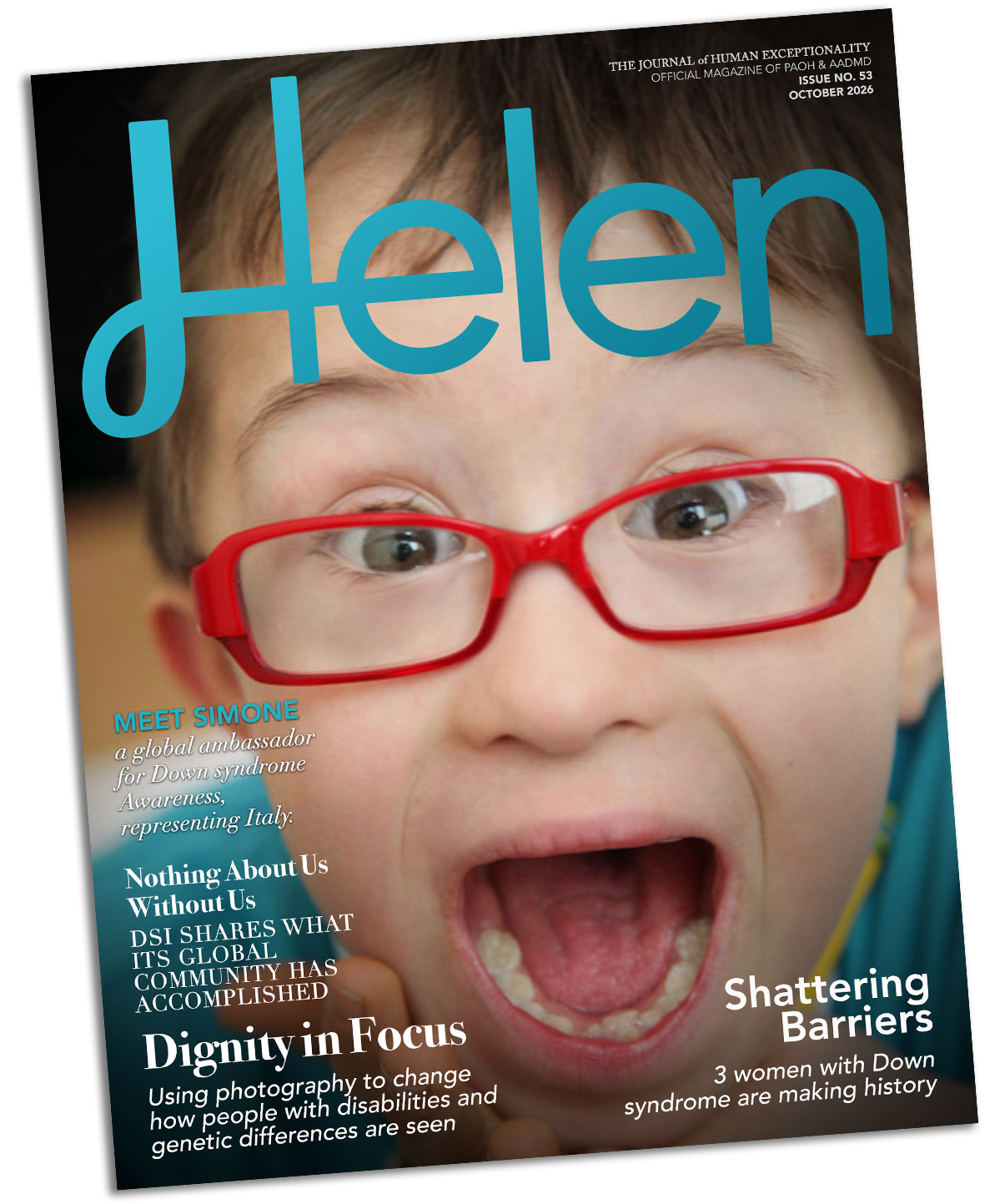
Cover Photo: Rick Guidotti, Positive ExposureOctober 2026
Our October cover features Simone, a global ambassador for Down syndrome Awareness, representing Italy.
October is Down Syndrome Awareness Month.
To celebrate, HELEN is highlighting stories that center the voices, health, rights, achievements, and everyday experiences of people with Down syndrome. Together, these pieces reflect the importance of inclusion, self-advocacy, better healthcare, and making sure people with Down syndrome are part of the conversations and decisions that affect their lives.
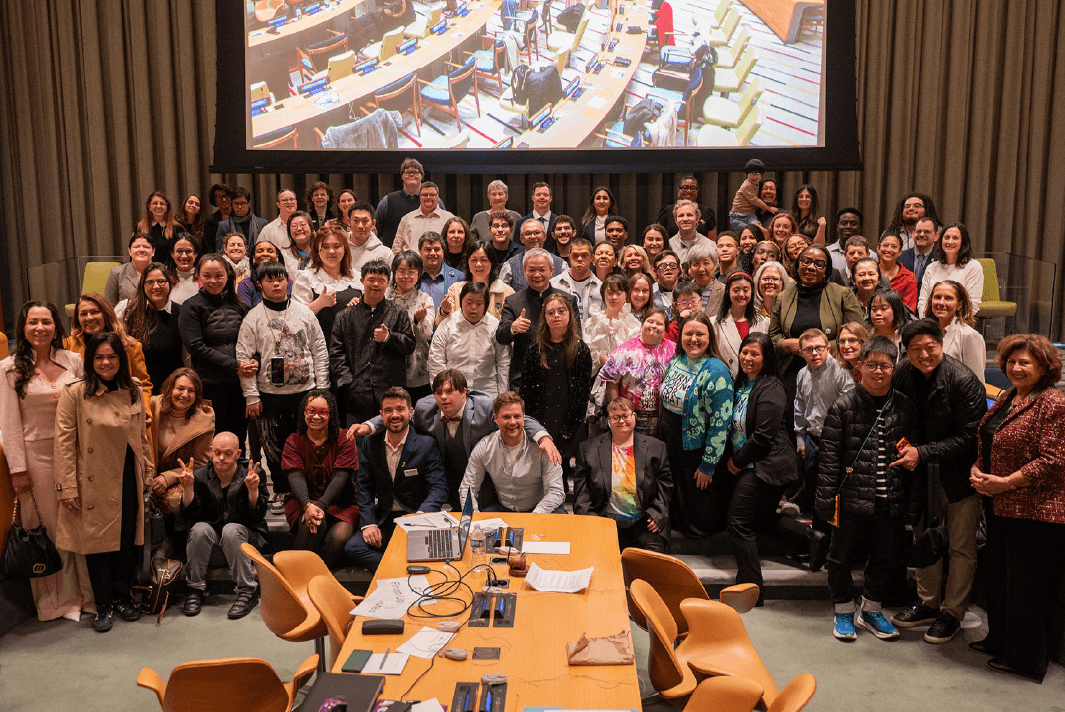
Nothing About Us Without Us
Down Syndrome International
Across more than 115 countries, people with Down syndrome are leading advocacy, shaping health policy, building self-advocacy networks, and changing how inclusion happens in practice. Down Syndrome International shares what its global community has accomplished—and why progress is strongest when people with Down syndrome are the ones leading it.

Dignity in Focus
Rick Rader, MD
Positive Exposure uses photography to change how people with disabilities and genetic differences are seen. Its work turns clinical labels into human stories and makes representation itself a form of advocacy.
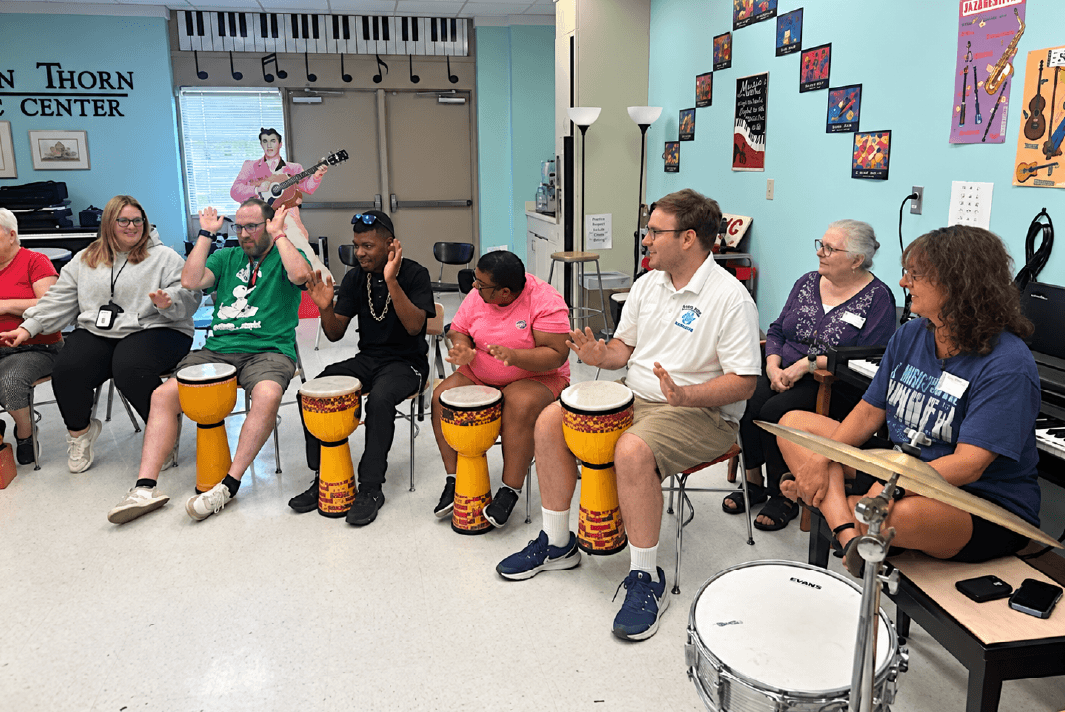
“To Be or Not to Be”
Rick Rader, MD
Sometimes a career path becomes clear only after trying the work firsthand. For musician Jacob Colton, one drumming session with people with intellectual and developmental disabilities opened the door to a new direction in music therapy.
President’s Message
Steven Perlman, DDS, MScD, DHL (hon)
For families of people with I/DD, getting basic dental care can mean waiting months or even years. Dr. Steven Perlman argues that these delays are not just frustrating—they are dangerous.
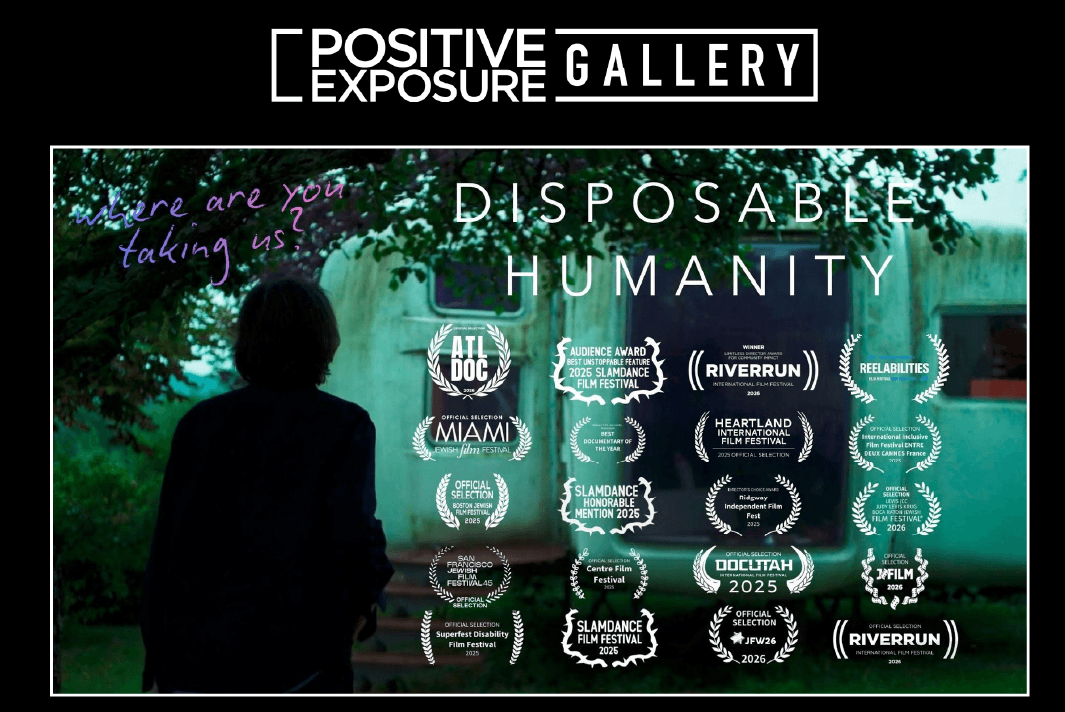
Spilling the Tea on Humanity
Gideon Lieberman
A documentary about disabled people targeted during the Holocaust prompts Gideon Lieberman to consider what happens when society decides some lives matter less than others—and why telling these stories remains essential.
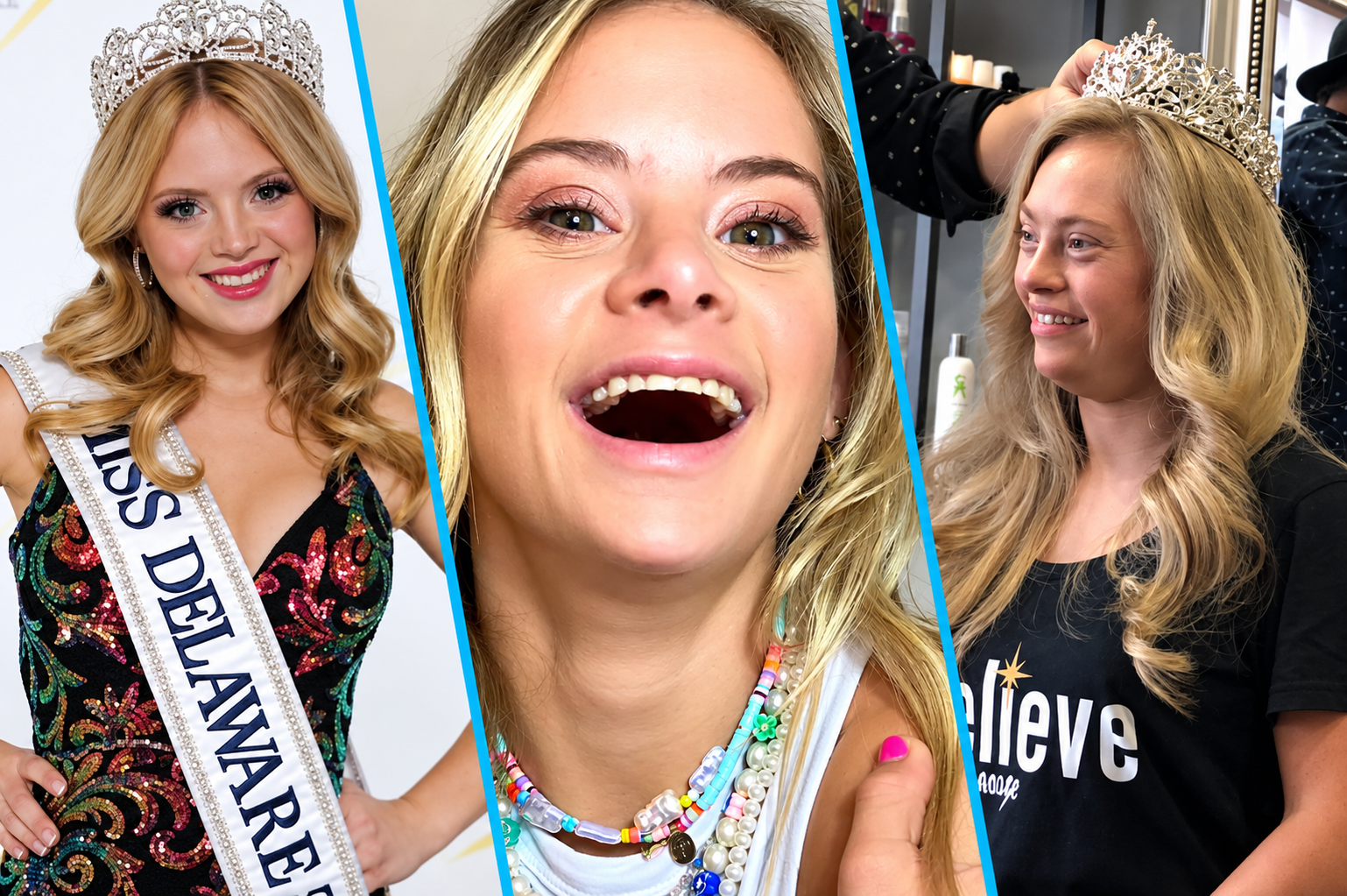
Shattering Barriers
Crissy Renner
Three women with Down syndrome are making history in beauty and fashion, showing how representation can expand expectations and open doors for others.
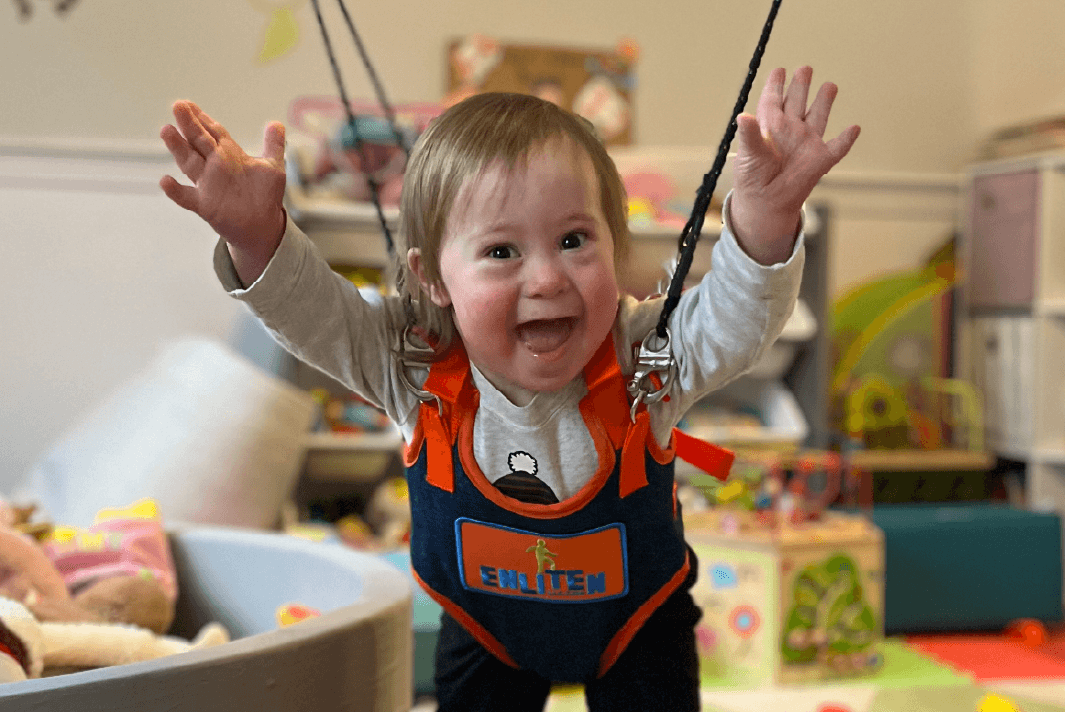
Freedom to Explore
Dr. Jana Iverson
Movement opens the door to exploration, communication, and play. For children with motor disabilities, providing mobility support early can help prevent developmental delays from compounding over time.
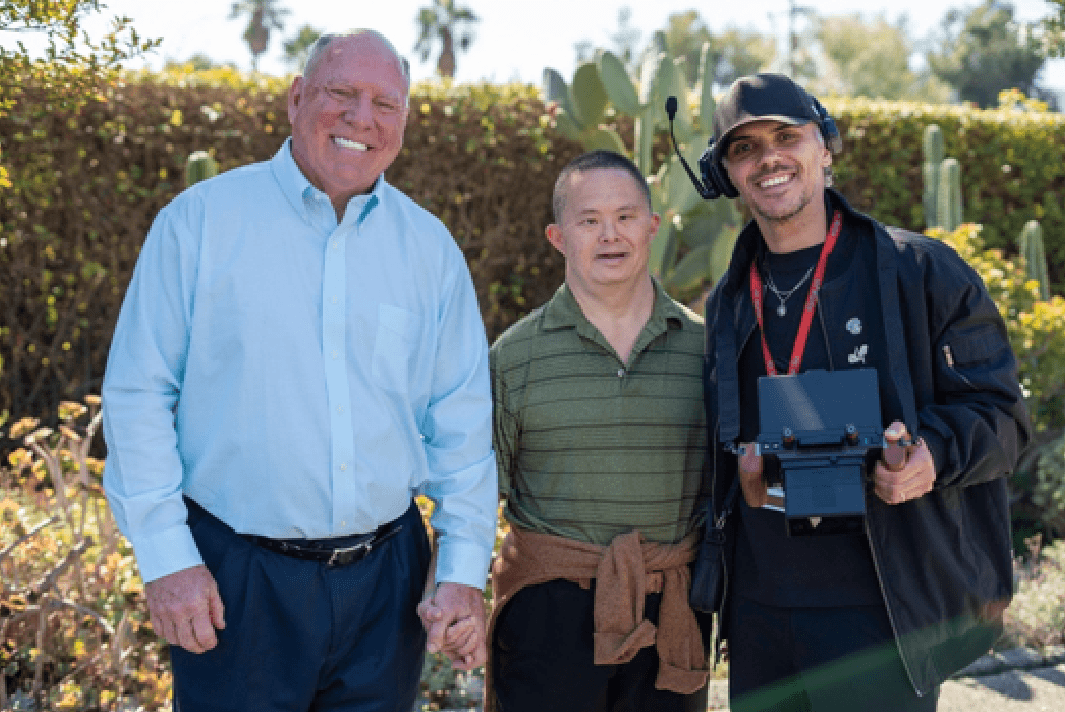
The Last Stamp
Antony Talia
Koji’s dementia diagnosis had begun to overshadow the life he had lived. Rediscovering his history—and giving him something meaningful to look forward to—changed everything.
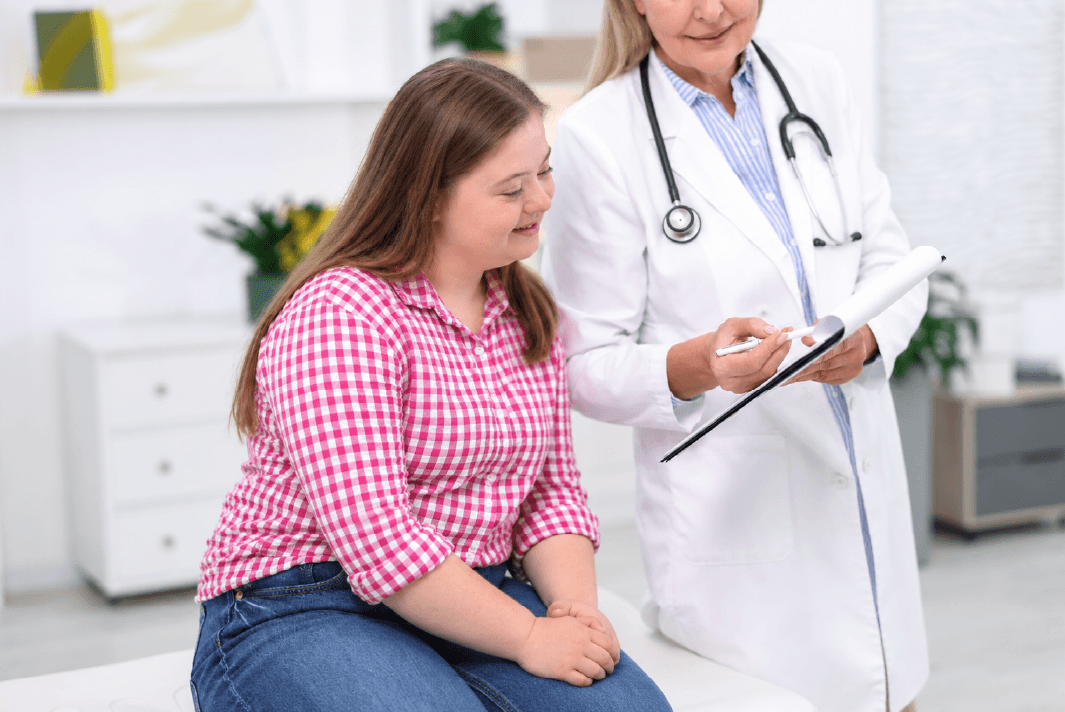
Closing the Gap
The Health & Wellness team at NDSS
Women with Down syndrome deserve the same access to informed, respectful reproductive and gynecological care as anyone else. A new training platform from NDSS is helping clinicians better understand and meet those needs.

Music therapy: What is it?
Katelyn Snyder
Music therapy is much more than playing relaxing music. Board-certified music therapists use live, individualized musical interventions to support goals ranging from movement and communication to coping and emotional well-being.

A Blood Test for Alzheimer’s?
Dr. Seth Keller
A simple blood test may eventually help clinicians identify Alzheimer-related risk earlier and more accessibly. Dr. Seth Keller looks at promising new research on p-tau217 and what it could mean for future evaluation.

From Innovation to Independence
Elena Salgado
Virtual reality is becoming a practical tool for healthcare, rehabilitation, and disability support. From caregiver training to therapy and social-skills practice, immersive technology is opening new paths to greater independence.

AADMD Student Column
Natalie Stagnone
Students are helping push disability education forward in medicine and dentistry. AADMD’s new Student Column creates a space for their ideas, experiences, and advocacy to be heard.
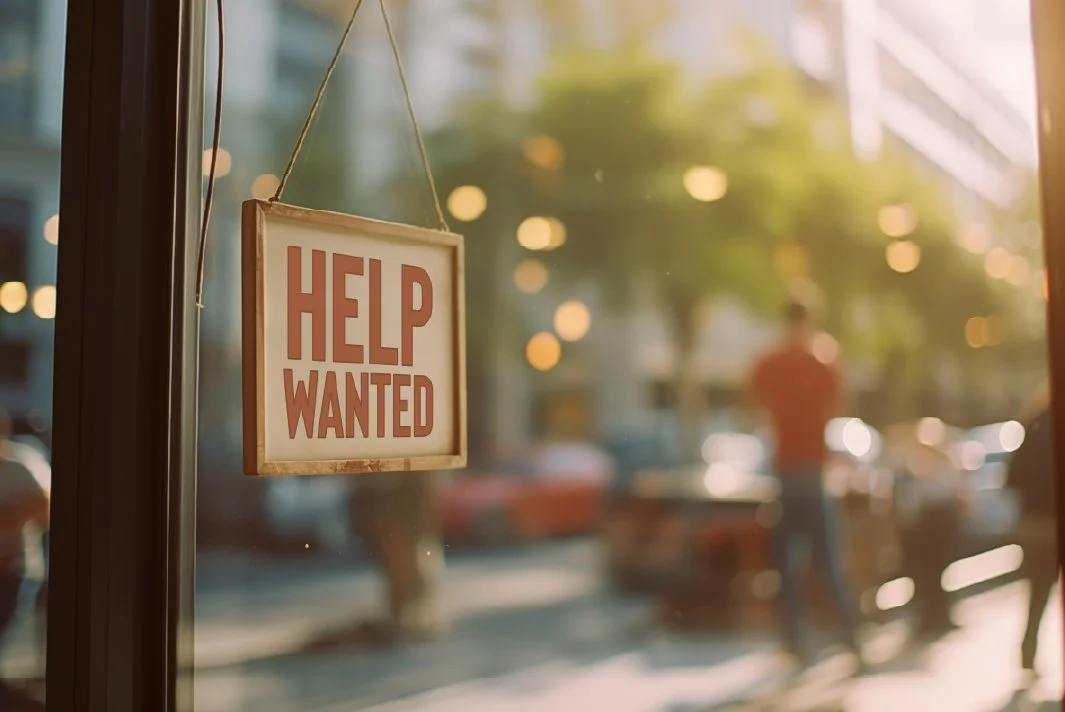
Help Wanted
Jim Brett
People with disabilities want to work, but barriers in hiring, transportation, and workplace access continue to shut many out. Employers have both an opportunity and a responsibility to change that.
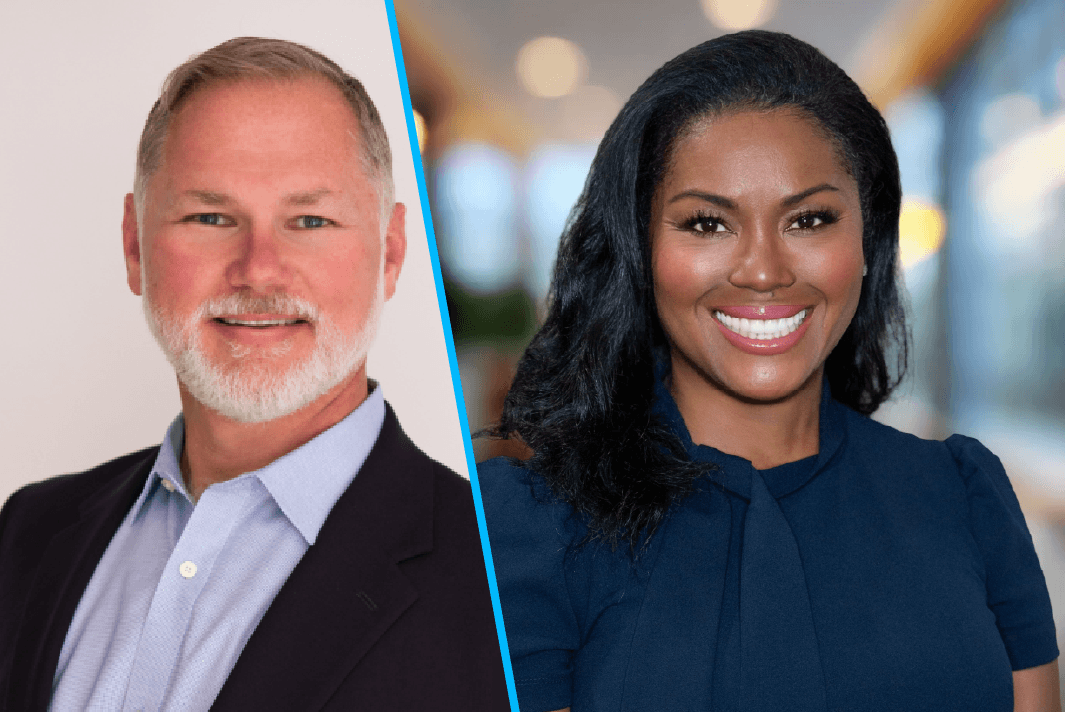
From Parent to Advocate
Dr. Craig Escudé
Kimberly Jackson’s path from parent to advocate grew out of firsthand experience navigating disability and healthcare. She reflects on why lifelong support and genuine inclusion matter far beyond the moment of diagnosis.

The Art of Bedside Care
Kim Bullock, MD
The bedside is where clinical skill and human connection meet. Dr. Kim Bullock reflects on what physicians can learn when they slow down, listen closely, and remember the privilege of being invited into a patient’s life.
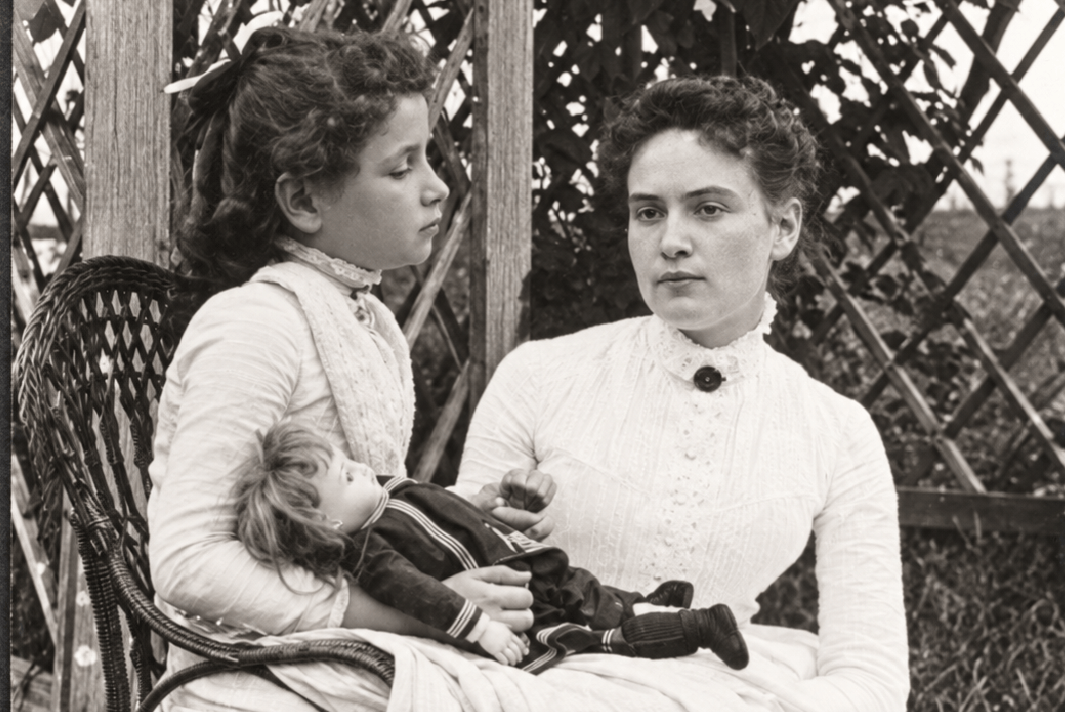
Trevor’s Tidbits
Martha Summa-Chadwick
Trevor learns about Helen Keller and discovers that there is more than one way to communicate, learn, and make yourself understood.
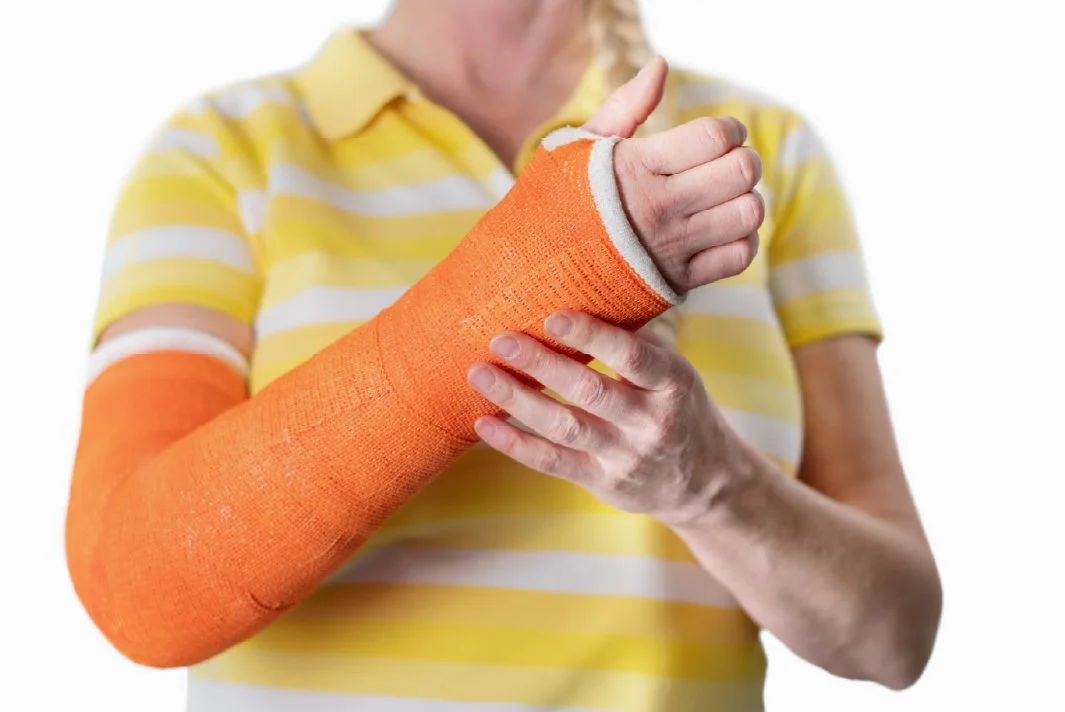
Bone Health in People with IDD
Mary Pittaway
Bone health risks can begin early for people with IDD and may go unnoticed until a fracture occurs. Understanding the factors that weaken bone can help clinicians and caregivers take a more proactive approach.
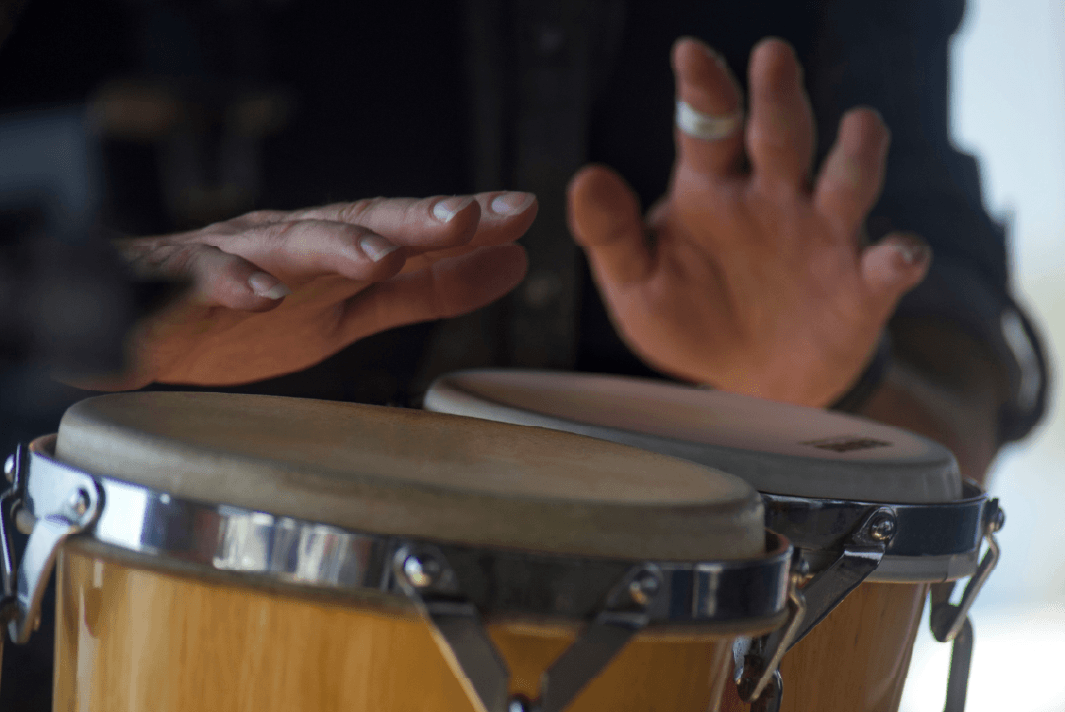
Trap Makes Learning Fun
Eddie Tuduri
A devastating accident changed Eddie Tuduri’s life, but it did not end his creativity. By returning to writing and music, he found a new purpose and built a program that uses rhythm to make learning more engaging.
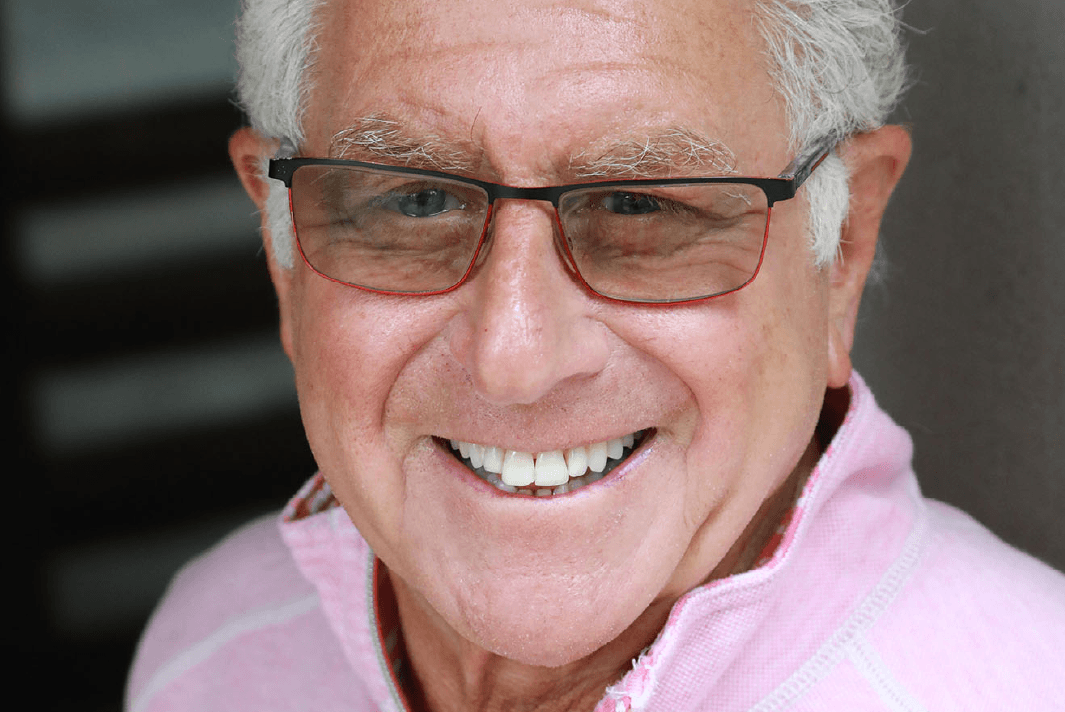
Steven Perlman, DDS
Crissy Renner
Dr. Steven Perlman has spent decades pushing healthcare systems to better serve people with intellectual and developmental disabilities. His work has helped shape programs, professional education, and advocacy efforts that continue to influence the field today.