
How purpose can restore quality of life after a dementia diagnosis
Antony Talia
Summary: When Koji, a man with Down syndrome and Alzheimer’s disease, became withdrawn and agitated, one doctor looked more closely at the life he had lived before dementia. Discovering a passport filled with travel stamps led to a family reunion and a renewed sense of purpose, showing how personal history and meaningful goals can transform quality of life.
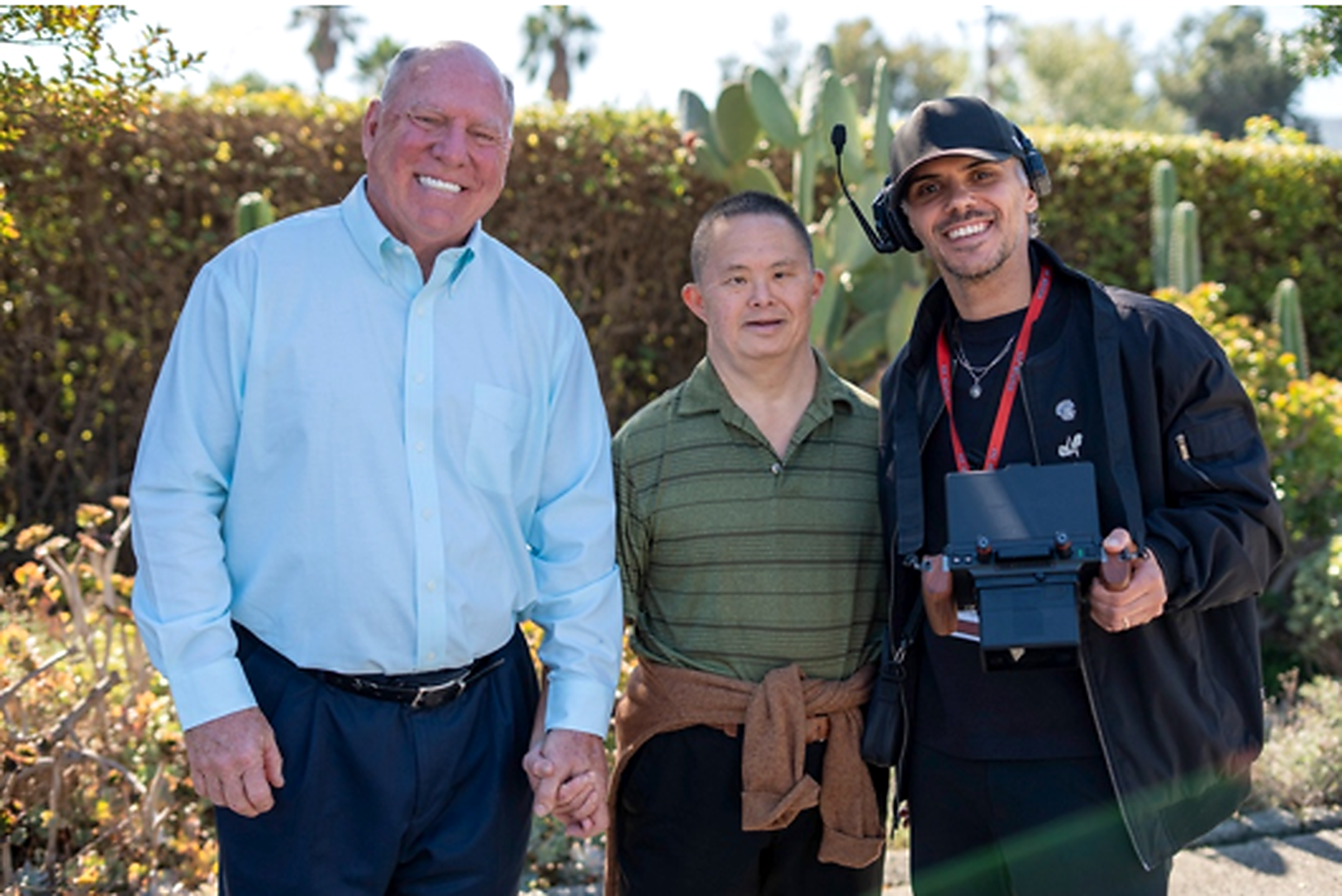
When recalling my first meeting with Koji in September of 2025, to discuss documenting his story on film, one thing stands out vividly.
Here was a man in charge of his own destiny. Hands firmly on the wheel, a clear vision of the destination, and a guiding roadmap.
It was not how I imagined someone with Down syndrome and Alzheimer’s disease, and it ran contradictory to my own experiences with family members diagnosed with dementia. It’s also not how those entrusted with his care described Koji’s disposition from just twelve months prior to our meeting.
What changed? Someone committed to listening, believing, and learning about Koji, and what matters to him.
When Dr. Thomas Buckley arrived to lead The Roland Center in 2023, he found Koji to be quiet, reserved and regularly oscillating between despondent and agitated.
Koji would ask his support team to print him pictures of Japanese castles and far off landmarks, like the Eiffel Tower. He would assert that he had been to these places before arriving at The Roland Center, but these claims were often dismissed as fantasy or vivid imaginings. Koji’s care plan had little information about his past and he has no living relatives residing in the United States who were able to verify these claims.
Koji’s frustrated demeanor coupled with claims of travel and adventure, presented as a curious paradox to Dr. Buckley. He decided to dig a little deeper and see what he could uncover. Over the following months, Dr. Buckley spent dedicated, focused time with Koji. He listened. He asked questions. He engaged with the so-called fantasies. As time passed, questions led to more questions.
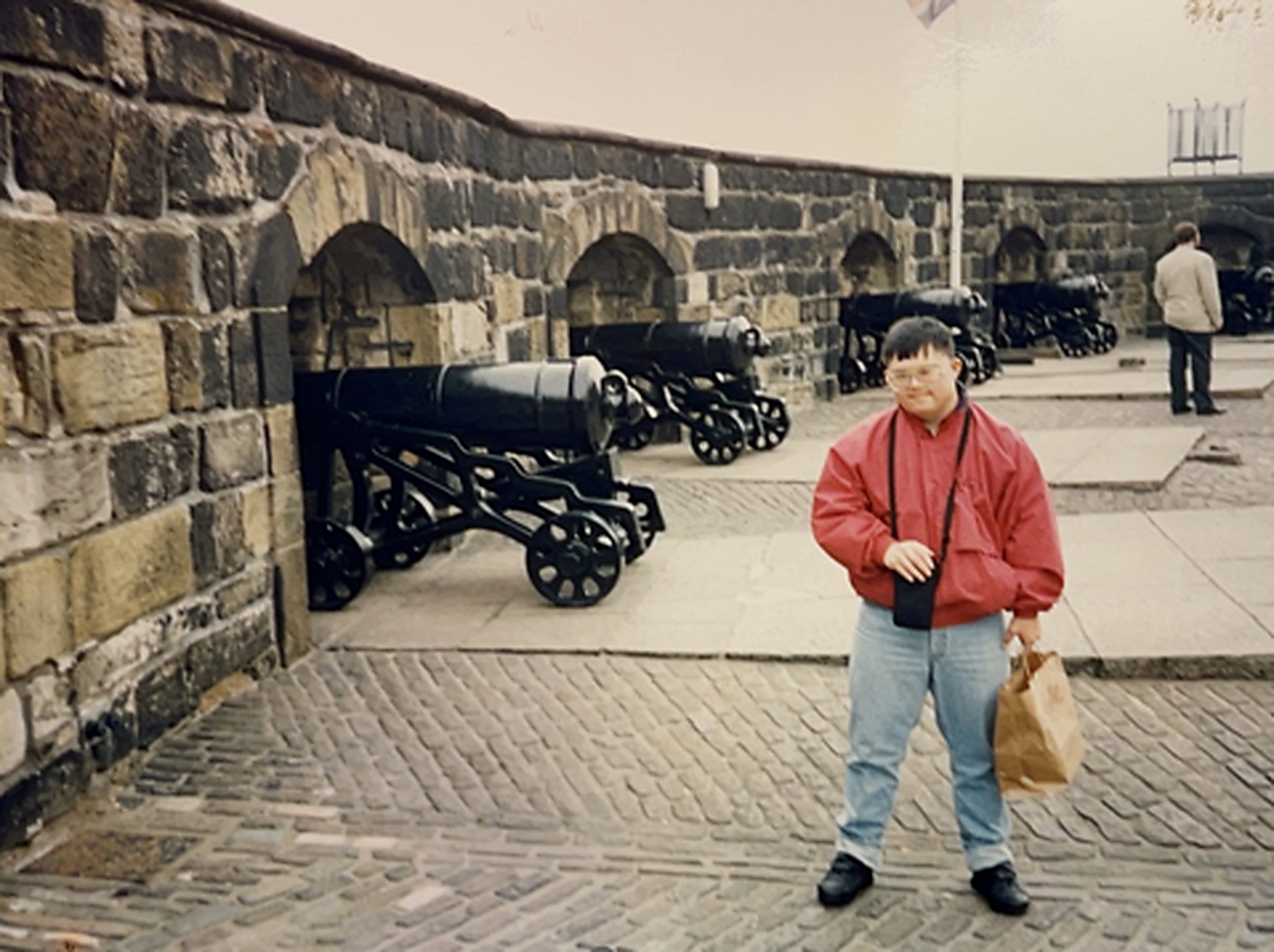
A young Koji on one of his many trips.
Koji knew too many details about these far-off places he supposedly never visited. These names of individuals he would refer to constantly - they remained consistent across conversations, over multiple days, and weeks. Things weren’t adding up.
So, Dr. Buckley investigated further. What he discovered would change the course of Koji’s life.
Amongst Koji’s belongings was an old, expired passport with 28 stamps. Koji had in fact been to many of the places he referenced. Koji’s father before his passing, had been an Executive with Japan Airlines and would take Koji on business trips all over the world, for weeks and months at a time.
How was this information uncovered? Turns out those names Koji often cited, belonged to real people. His sister, brother-in-law and three nephews.
Considering these discoveries, Dr. Buckley posed a question to Koji. “If I could do one thing for you, what would that be?”
“Take me to Tokyo.”
Koji wanted to travel and reunite with his family. In his mind, which meant returning to Tokyo, however, all of Koji’s remaining family members reside in Hong Kong. A minor detail that did not detract from the desire behind the request, and a clarification that Koji’s sister provided in the planning phase of the trip.
Dr. Buckley made the commitment to honor Koji’s request, and by all accounts from those staff closest to Koji, his whole demeanor immediately shifted: From reserved to engaged, from expressing frustration to expressing excitement, from quiet and withdrawn, to talkative and motivated. There were fewer outbursts, greater willingness to participate in activities with peers, and his DSPs recorded that Koji had become far less combative. Koji of today is a happy person. He is fun, cheeky and laughs often. He joins in on senior leadership meetings, enjoys going on outings, sings karaoke, loves shopping and visiting Walmart, and is always ready to greet guests and visitors to The Roland Center.
This shift was not driven by the trip itself – merely the promise of one.
Then came the moment Koji had been waiting for. In October 2025, Dr. Buckley, along with his wife Kathy, accompanied Koji to Hong Kong to reunite with his family in person. In the process, his passport would collect ‘The Last Stamp.’
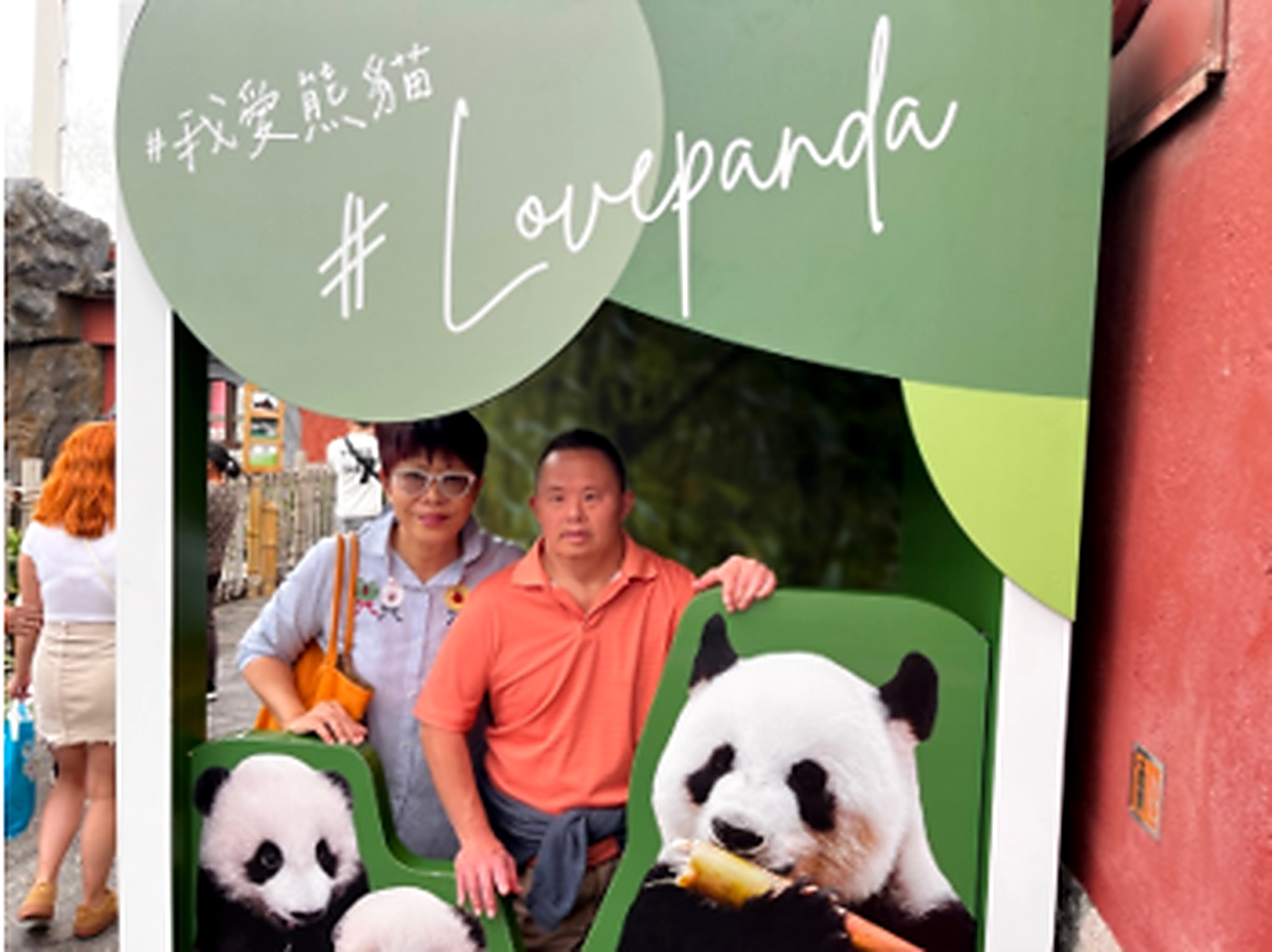
Koji spent quality time in Hong Kong with his family, and for both parties this reunification served to bring a sense of closure to their story. There was some concern around how Koji might be affected by the farewells and departure from Hong Kong, but he took it in stride. For Koji, home is in Los Angeles with his community at The Roland Center. For his sister Christine, the visit proved to be an incredible surprise. Like many people who hear of a dementia diagnosis, she did not expect to experience Koji as lively, engaged, happy and energetic. A sense of purpose can be fuel for living. And for Christine and her family, seeing Koji with a great support system brought them a sense of comfort and deep gratitude for The Roland Center team – which they expressed to Dr. Buckley.
Since that trip and the subsequent short documentary made about it, Koji has premiered the film to his community in Los Angeles, and presented it to national conferences in Boston, Pheonix and Washington D.C.
Reconnecting with family, travelling, sharing his story with people all over the country while self-advocating, has reignited Koji’s purpose. It has restored his enthusiasm for, and experience of, a life fully lived - despite a diagnosis that often resigns people to a sedentary existence with nothing to look forward to but inevitable decline.
How many individuals, all over the world, are quietly (or not so quietly) begging for someone to listen, understand, and act?
Taking the time to listen, acknowledge and investigate what is being communicated and how, could change the life of someone with I/DD. Or simply restore the life they once had.
About the Author
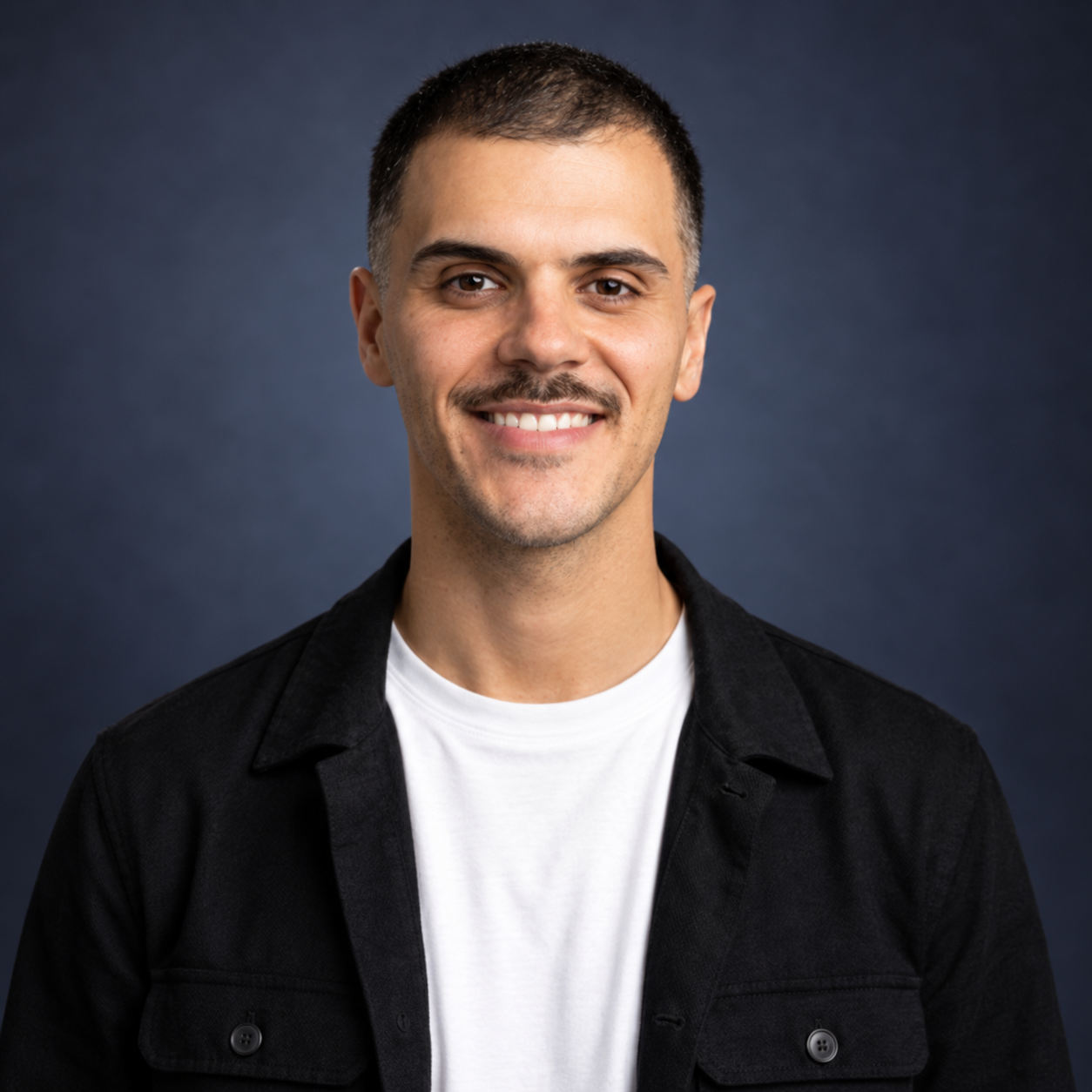
Antony Talia is a storyteller, filmmaker and the Producer/Director of The Last Stamp. Antony has a background in supporting individuals with disabilities, as well as helping to share their stories through his video production company, Sonda Cre8tiv.
Antony currently serves as the Director of Communications and Advancement for The Roland Center.