
A Lifelong Public Health Priority
Mary Pittaway
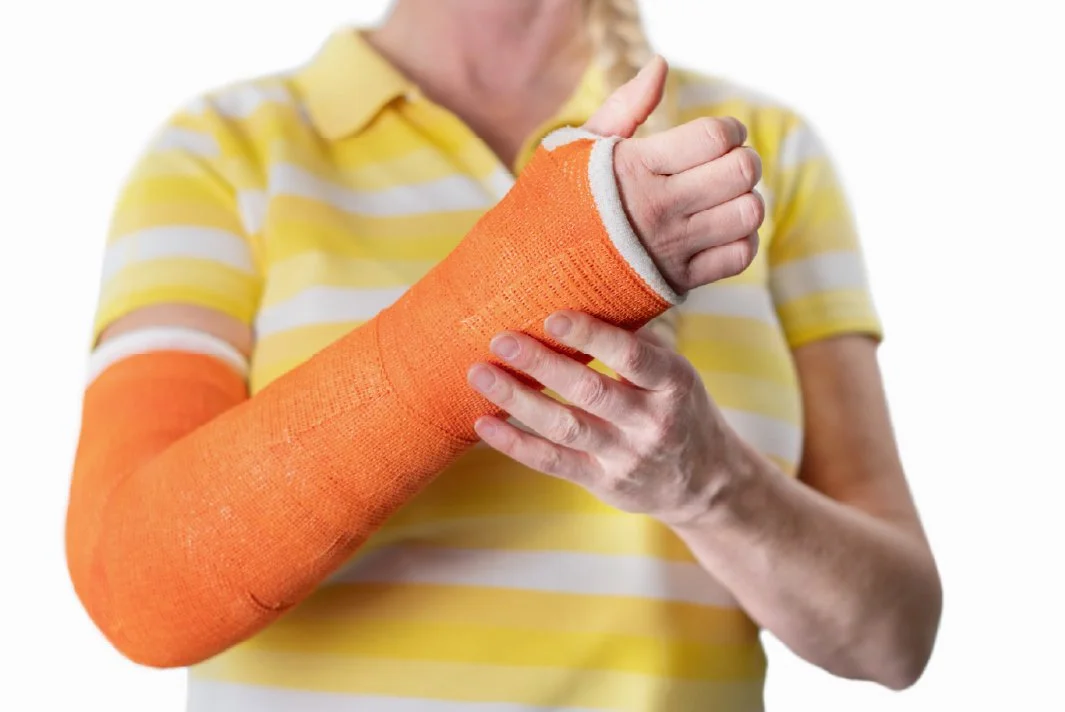
A broken hip can change a person’s life overnight. It can mean surgery, months of rehabilitation, chronic pain, loss of mobility, and reduced independence. Osteoporosis is usually considered a disease of older adulthood, yet for many people with intellectual and developmental disabilities (IDD), loss of bone strength begins decades earlier. Low bone mineral density (BMD) may appear in the twenties rather than the seventies, substantially increasing lifetime fracture risk.
This earlier timeline demands a different approach. Bone health should become a routine part of lifelong IDD care, beginning well before a fracture occurs. Nutrition, physical activity, vitamin D status, medication review, and appropriate screening offer opportunities to build stronger bones, preserve mobility, and protect independence throughout life.
Recent international research using Special Olympics Healthy Athletes data demonstrates the scope of the problem. More than one in four adults with IDD had low BMD, and more than half failed to achieve optimal peak bone mass during early adulthood. Peak bone mass, typically reached by the late twenties, serves as the body’s “bone bank” for the rest of life. Individuals who never develop an adequate skeletal reserve enter adulthood at a disadvantage that becomes increasingly important with age.
The consequences extend far beyond the skeleton. Fractures may result in hospitalization, prolonged rehabilitation, reduced participation in work and community life, greater dependence on caregivers, and increased healthcare costs. Preventing fractures therefore means protecting not only bones, but also mobility, participation, independence, and quality of life.
Why Are People with IDD at Greater Risk?
Bone is living tissue that constantly breaks down and rebuilds itself in response to movement, nutrition, hormones, medications, and overall health. For many people with IDD, several factors that protect bone are disrupted simultaneously.
Reduced mobility, feeding difficulties, restrictive diets, vitamin D deficiency, chronic medical conditions, endocrine disorders, long term medication use, and barriers to preventive healthcare may all contribute to lower BMD. When several of these factors occur together, their cumulative impact can be substantial.
Traditional fracture risk tools may also underestimate risk because they do not adequately account for disability specific factors such as epilepsy, mobility limitations, feeding challenges, medication exposure, and the earlier onset of low bone mass.
Movement Provides the Signal
Physical activity is one of the most important influences on lifelong bone health. Bones respond to mechanical loading. Walking, stair climbing, dancing, resistance exercise, running, and other weightbearing activities provide the signal that tells the body to build and maintain bone.
Muscle strengthening exercise is also important. Stronger muscles support the skeleton, improve balance and mobility, and help reduce falls providing another layer of fracture prevention.
Unfortunately, people with IDD often have fewer opportunities to be physically active. Children may have limited access to inclusive active play. Adolescents may become less active as structured school programs end. Adults can face transportation barriers and limited access to adaptive fitness facilities, recreation programs, or trained professionals.
Creating opportunities for enjoyable, inclusive physical activity throughout life is therefore an essential component of bone health promotion. Special Olympics programs, walking groups, adaptive fitness programs, dancing, community recreation, and other activities can help make movement both accessible and sustainable.
Nutrition Provides the Building Blocks
Exercise provides the signal to build bone, but nutrition supplies the materials.
Healthy bones require adequate energy, protein, vitamins, and minerals throughout life. Although calcium receives considerable attention, bone health requires much more than calcium alone.
Protein is particularly important. It provides the structural framework for bone while supporting muscle strength, balance, mobility, and recovery from illness or injury. Adequate protein should therefore be part of bone health nutrition across the lifespan.
Calcium remains the primary mineral required for bone mineralization. Good sources include milk, yogurt, cheese, fortified plant beverages, calcium set tofu, canned salmon or sardines with edible bones, and calcium fortified foods. When dietary intake is inadequate, supplementation may be appropriate under the guidance of a healthcare professional.
Fruits and vegetables also contribute to important nutrients. They provide vitamin C for collagen formation, potassium and magnesium that support bone metabolism, vitamin K involved in bone mineralization, and antioxidants that support healthy tissues. A varied, nutrient dense diet benefits both skeletal and overall health.
Vitamin D Deserves Special Attention
Vitamin D is essential because it enables the body to absorb and use calcium effectively. Sources include sunlight, fortified foods, fatty fish, egg yolks, and supplements when needed.
People with IDD may be particularly vulnerable to vitamin D deficiency because of reduced outdoor activity, mobility limitations, feeding difficulties, restricted diets, obesity, institutional living, and medications that can interfere with vitamin D metabolism.
Vitamin D status should not simply be assumed. For individuals at increased risk, measurement of serum 25hydroxyvitamin D can identify deficiency and help clinicians individualize supplementation. Supplementation should be based on individual needs and clinical guidance rather than assuming the same dose is appropriate for everyone.
For caregivers and families, the practical message is straightforward: encourage nutrient rich foods and appropriate outdoor activity and use approved vitamin D supplements when needed and recommended by the healthcare team.
Medications Matter
Medication review is another critical and sometimes overlooked component of bone health.
Several medications commonly prescribed to people with IDD have been associated with reduced BMD or increased fracture risk. These include some antiseizure medications, glucocorticoids, selective serotonin reuptake inhibitors, depot medroxyprogesterone acetate, and some psychotropic medications. Depending on the medication, effects may involve vitamin D metabolism, calcium absorption, sex hormones, bone remodeling, falls, or other pathways.
This does not mean that necessary medications should be discontinued. Many are essential to an individual’s health and quality of life. Rather, clinicians should periodically review medications, consider their potential effects on bone, determine whether additional monitoring is warranted, and evaluate alternatives when clinically appropriate.
Patients and caregivers can help by bringing a complete medication list to healthcare appointments and asking a simple question: “Could any of these medicines affect my bones?”
Screening Earlier for a Higher Risk Population
Declining bone density is usually silent. Unlike many chronic conditions, there may be no obvious warning signs until a fracture occurs. That makes prevention, risk assessment, and appropriate screening especially important.
Bone health assessment for people with IDD should consider fracture history, falls, mobility, physical activity, nutrition, medication use, vitamin D status, chronic medical conditions, and other individual risk factors.
Bone mineral density testing should also be considered earlier when significant risk factors are present rather than automatically waiting until the ages commonly recommended for the general population. Clinical judgment is essential because conventional screening guidelines and fracture risk tools may not fully capture the risks experienced by people with IDD.
The goal is not simply to diagnose osteoporosis. It is to identify declining bone health early enough to intervene.
Bone Health Is a Public Health Issue, But IDD Changes the Timeline
Prevention should begin in childhood. During childhood, the priority is building a strong skeletal foundation through active play, nutritious food, adequate calcium and protein, and early recognition of risk factors.
Adolescence and young adulthood provide a critical opportunity to maximize peak bone mass. Regular weightbearing and strengthening activity, adequate nutrition, and appropriate vitamin D status during these years may influence bone health for decades.
During adulthood, the emphasis shifts toward preserving bone and muscle, maintaining mobility, reviewing medications, identifying nutritional deficiencies, reducing falls, monitoring high-risk individuals, and treating osteoporosis when indicated.
Small, consistent actions throughout life are likely to be more effective than waiting to intervene after bone loss or fractures have already occurred.
A Public Health Opportunity
Improving bone health cannot rest solely on individuals and families. Healthcare systems and policymakers also have important responsibilities.
People with IDD need better access to registered dietitians, adaptive physical activity programs, inclusive recreation, preventive healthcare, appropriate laboratory testing, timely bone density assessment, and clinicians who understand disability specific bone health risks.
Bone health conversations should become part of routine preventive care. Healthcare visits provide opportunities to discuss physical activity, protein and calcium intake, fruits and vegetables, vitamin D, medications, falls, previous fractures, and whether bone density testing is appropriate.
Families and caregivers also play a central role by encouraging enjoyable daily movement, providing nutrient dense meals, supporting adequate calcium and protein intake, promoting safe outdoor activity when appropriate, and following individualized recommendations for vitamin D and other supplements.
Most importantly, bone health should no longer be viewed primarily as an issue of old age for people with IDD. It is a lifelong public health priority.
A fracture should never be the event that finally brings attention to bone health. By recognizing the unique risks experienced by people with IDD and intervening decades earlier, we have an opportunity to prevent fractures before they happen.
Earlier risk assessment, evidence-based nutrition reflecting a continuous nutrient rich dietary pattern, regular weightbearing and strengthening activity, appropriate vitamin D monitoring and supplementation, thoughtful medication management, and timely ultrasound and DXA bone density testing can help protect skeletal health throughout life. Protecting bone protects far more than the skeleton. It protects movement, participation, independence, and quality of life. Bone health is not simply an orthopedic concern; it is our public health responsibility.
Medications Commonly Used in People With IDD That May Affect Bone Health
People with IDD may experience substantial cumulative exposure to medications that adversely affect bone metabolism or increase fracture risk through falls. This is especially important in individuals with epilepsy: in a 2025 multicenter study of 484 adults with intellectual disability and epilepsy, 63% received at least one antiseizure medication associated with concern for osteoporosis, and each additional antiseizure medication was associated with increased fracture risk. Medication review should therefore be considered an integral component of bone-health assessment and should include evaluation of continued medication need, cumulative drug burden, potential bone-friendlier alternatives, vitamin D status, calcium intake, falls, mobility, previous fractures and the need for bone-density assessment. Evidence specific to people with IDD is strongest for antiseizure medications. For several other medication classes, recommendations are extrapolated from general-population osteoporosis and fracture literature. Medication changes should always be individualized and made by the prescribing clinician.
Download: “Medications Commonly Used in People With IDD That May Affect Bone Health”
About the Author

Mary Pittaway has worked in public health in state and county governments, non-profit and private organizations since the early 1970’s. During her professional career, she’s initiated and managed state and local public health programs including WIC, community sustainable agriculture start-ups, osteoporosis prevention, population-based breastfeeding work, health department accreditation, obesity prevention, community-based vitamin D interventions, farmer’s market development and population-based health promotion for people with intellectual and developmental disabilities. As a faculty affiliate at the University of Montana Department of Health and Human Performance, she teaches public health nutrition. She filled the role of Health Promotion Global Clinical Advisor with Special Olympics International for 20 years and now consults with Special Olympics on population-based health provides Public Health consultation services for Special Olympics focusing on strategies to identify and support intentional inclusion of people with intellectual disabilities into evidence based public health programs.
Mary owns and manages Diversified Resources, a small business that delivers osteoporosis prevention, screening, education, and referral services.