
Kimberly Jackson on navigating disability, healthcare, and the power of inclusion
Dr. Craig Escudé
Summary: Attorney and advocate Kimberly Jackson shares how personal experience with disability and healthcare shaped her work as an advocate. In conversation with Dr. Craig Escudé, she emphasizes that diagnosis should be viewed as a starting point, not a limitation, and that meaningful inclusion requires support across the lifespan.
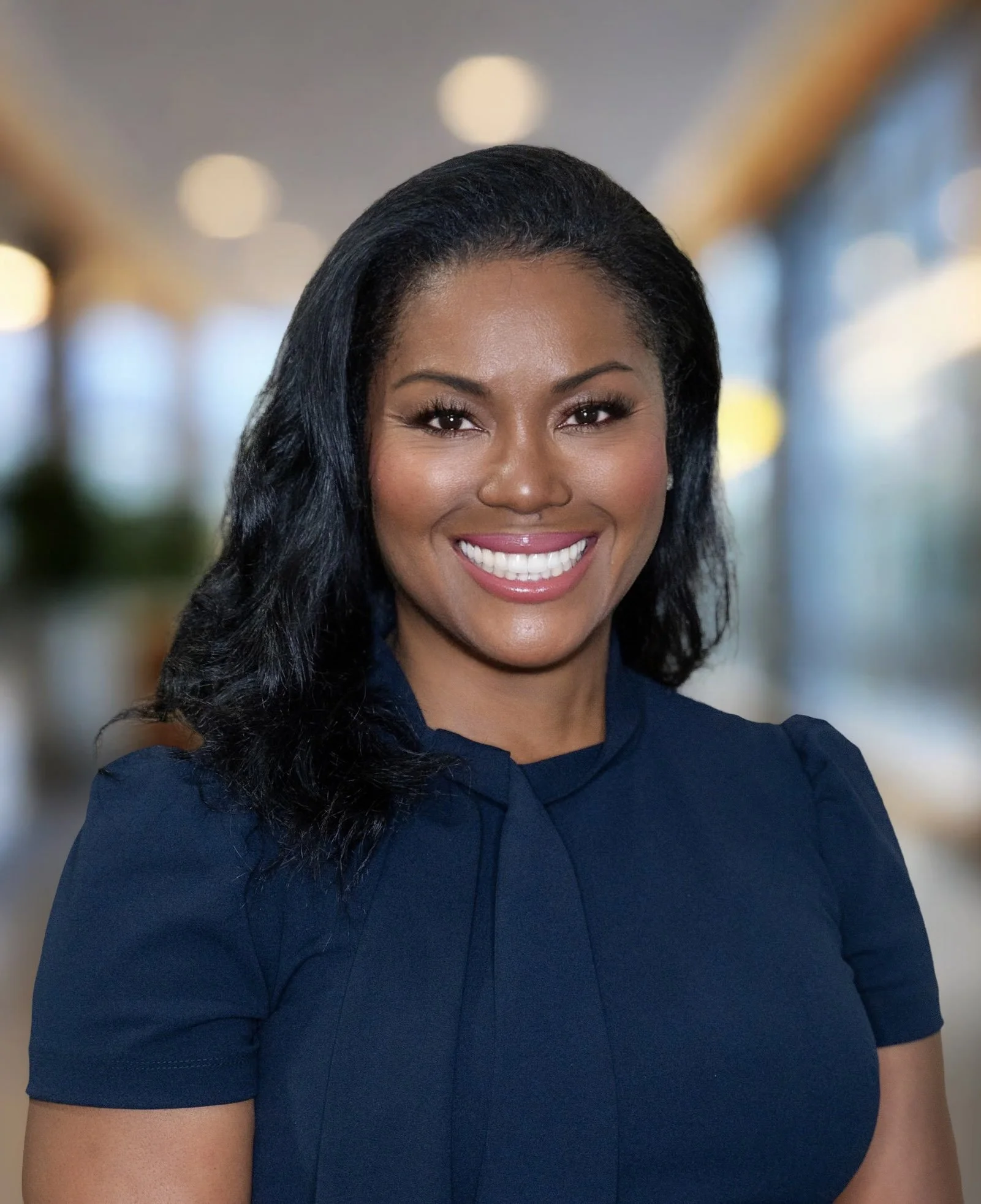
This Q&A was adapted from a full episode of the IDD Health Matters Podcast and edited for clarity and length. The complete conversation is available on YouTube and most major podcast platforms.
Kimberly Jackson is an attorney, advocate, consultant, and, most importantly in her words, the mother of a daughter with autism. Navigating education, healthcare, community supports, and adulthood reshaped her professional life and led her to help other families find their way.
Craig Escudé: Your professional path changed significantly after becoming a mother. What led you into disability advocacy?
Kimberly Jackson: Life happened. I became the mother of a person with autism, and I realized that you only get one chance to raise a child. I was fortunate to have a legal background and connections in the community, and I wanted people to understand that our child had value and should never become invisible.
Over time, advocacy became a much larger part of my life. Today, I help families navigate educational systems, healthcare systems, employment, social supports, and planning. One of the things I try to emphasize is that disability is a lifetime journey. Support cannot simply stop when childhood ends.
Craig: What do families need most when a child first receives a diagnosis?
Kimberly: Understanding the diagnosis is critical. Parents are not handed a blueprint. They receive a diagnosis and then have to figure out what it means for their child and family. They may suddenly need to understand therapies, specialists, community services, and the school system. My goal is to help families develop their own life plan. We cannot predict everything, but preparation makes a tremendous difference.
Craig: What has your experience with healthcare taught you?
Kimberly: One of the biggest challenges is assumptions. My daughter can walk into a room and someone may not immediately recognize that she has autism. Sometimes behavior is misinterpreted as a child being difficult, a parent lacking control, or the person having less intellectual ability.
Healthcare environments are busy and rushed. Families may have to repeat the same information at reception, during intake, to the nurse, and then to the clinician. For someone who communicates differently, that makes a stressful experience even harder.
That stress can have real consequences. Some families become so anxious about the experience that they delay seeking care. When that happens, a health problem that might have been addressed earlier can become much more serious.
Craig: You shared a wonderful example of what true inclusion can look like. Tell us about your daughter's experience with ballet.
Kimberly: An occupational therapist suggested trying an individual sport where my daughter could participate alongside peers. We chose ballet.
Her teacher had said she accepted all students, and she meant it. But something even bigger happened. The experience motivated that teacher to seek additional education and grants so she and her instructors could better teach neurodivergent students and children with disabilities.
It became more than one child taking ballet. It created opportunities for other families to participate, enjoy performances, and watch their child enjoy the spotlight. I am proud of this story because inclusion changed my daughter and the community around her.
Craig: You tell families that a diagnosis is not the end of the story. What do you mean by that?
Kimberly: A diagnostic report is a starting point. It is a snapshot of what a professional was able to observe at that particular moment. It should not automatically define everything a person will or will not be able to do for the rest of their life.
Families need a plan, ongoing conversations, periodic reassessment, and professionals who help them understand what comes next - not simply a piece of paper and good luck.
Craig: What three things would you most like people to remember?
Kimberly: First, do not make assumptions. We have access to more information and more voices of people with disabilities than ever before.
Second, help, do not hurt. Do not approach someone with pity or automatically decide what opportunities are appropriate for them. Ask what they want to do and what their strengths are.
Third, speak up. Professionals, especially healthcare professionals, have knowledge that can help improve systems and lives. We need them engaged in this conversation.
For Jackson, the motivation is deeply personal. She knows that one day her daughter will navigate the world without her, making knowledgeable professionals, supportive communities, and strong allies all the more urgent.
Learn more Kimberly Jackson can be found at KimberlyGJackson.com, where readers can learn more about her consulting and legal work and subscribe to her newsletter.
About the Author
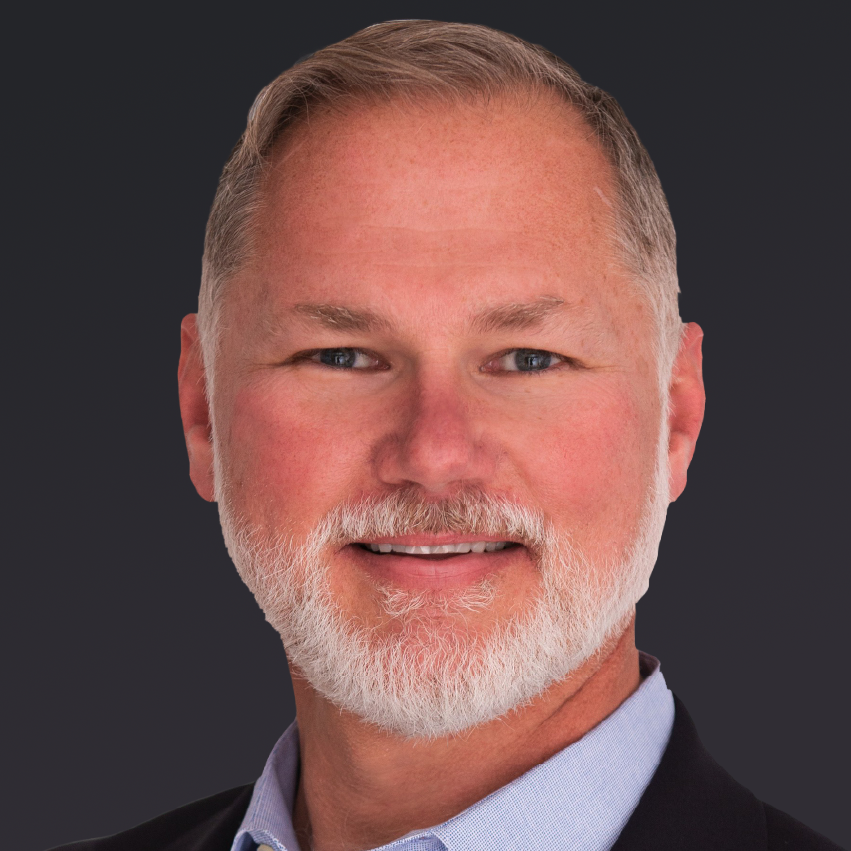
Craig Escudé, MD, FAAFP, FAADM is a board-certified Fellow of the American Academy of Family Physicians and the American Academy of Developmental Medicine. He has more than 20 years of clinical experience providing medical care for people with IDD and complex medical and mental health conditions. He is the author of “Clinical Pearls in IDD Healthcare” and developer of the “Curriculum in IDD Healthcare,” an eLearning course used to train clinicians on the fundamentals of healthcare for people with IDD.