
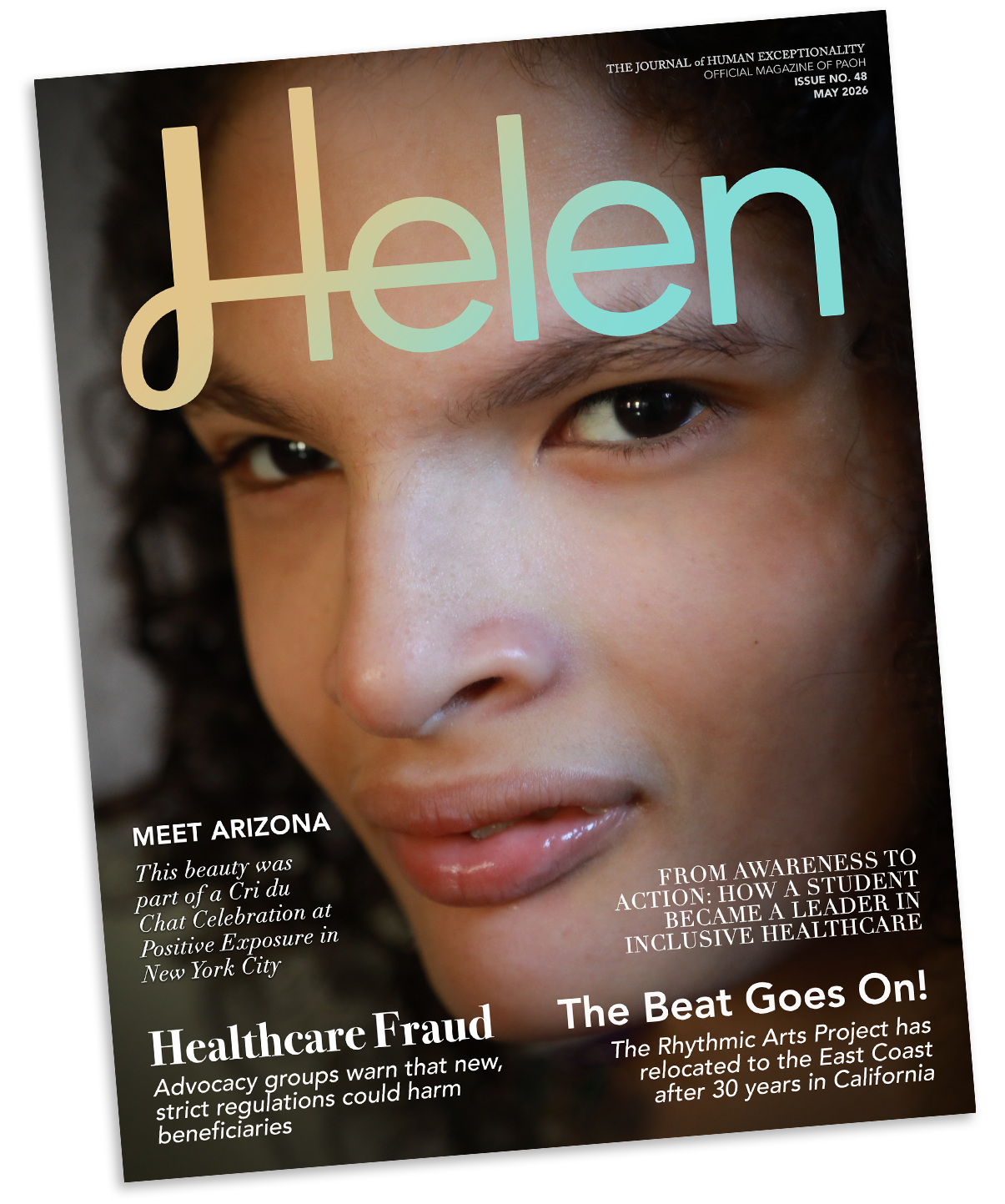
Cover Photo: Rick Guidotti, Positive ExposureMay 2026
Our May cover features the beautiful Arizona, who was part of a Cri du Chat (5p minus) Celebration at Positive Exposure galleries in New York City.
May is Cri du Chat Awareness month.
Each year in the United States, approximately 50 to 60 children are born with Cri Du Chat Syndrome, also known as Cat Cry Syndrome or 5p Minus Syndrome.
Learn more about Cri Du Chat and how to get involved in our cover story below.
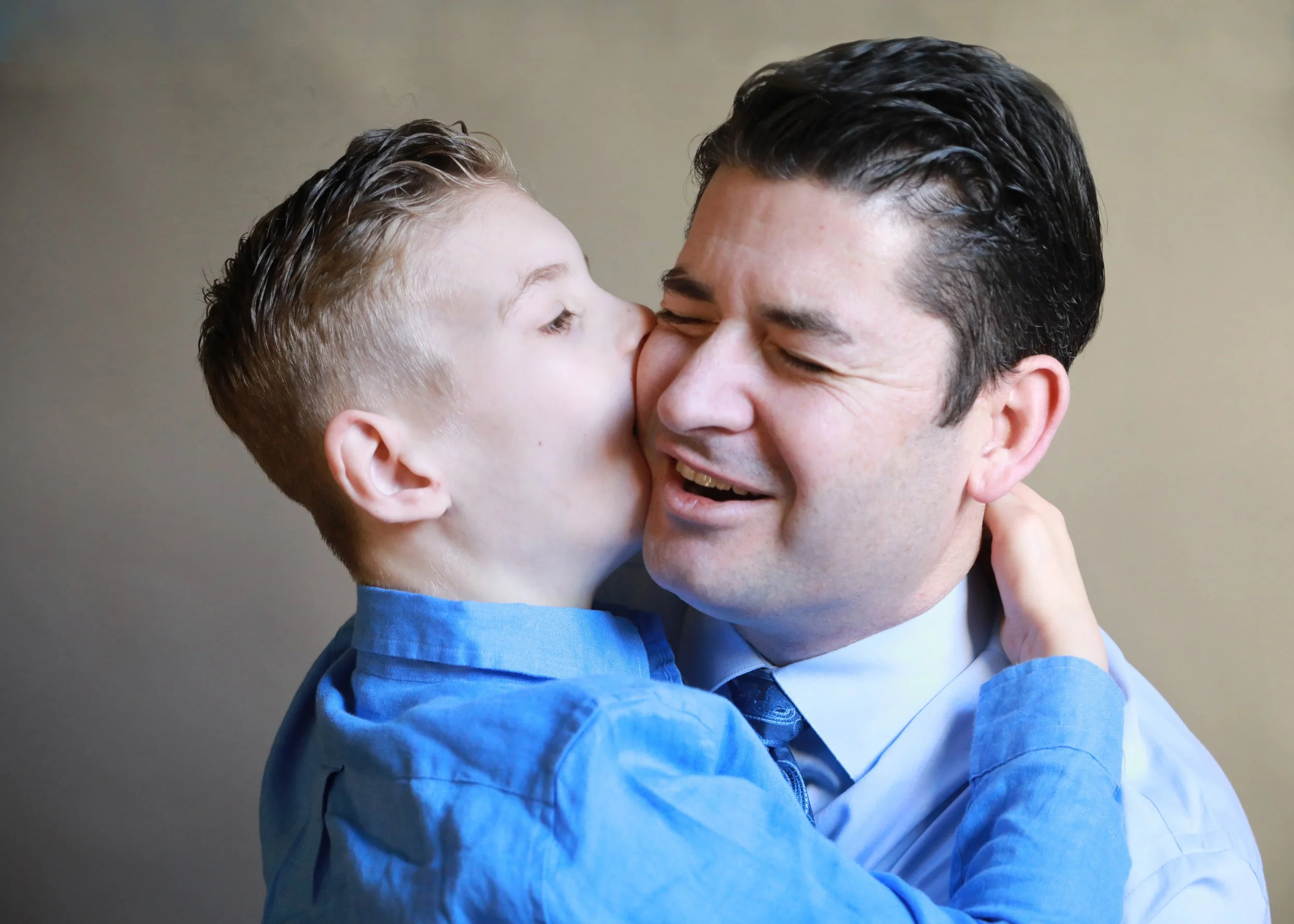
Cri du Chat Syndrome
Rick Guidotti
In recognition of Cri du Chat Awareness Month, this article introduces Cri du Chat syndrome and the work of the Cri du Chat Research Foundation.
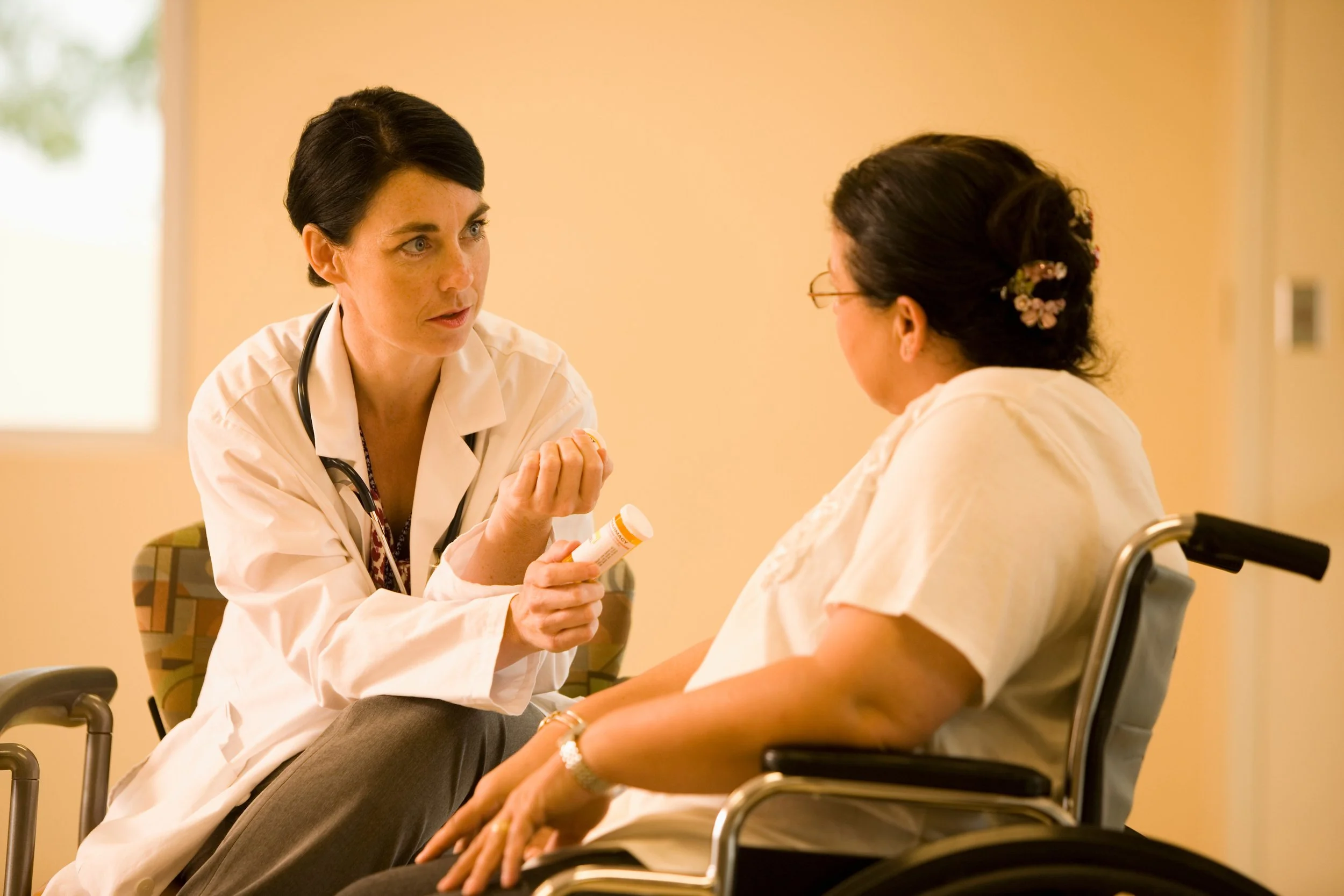
A New Path to Better Disability Care
Dr. Kristina H. Petersen, Dr. Michele Iannuzzi Sucich, Mr. Kevin Larragy
This white paper calls for formal medical training in disability care, outlining how gaps in provider education contribute to health disparities, fragmented care, and poorer outcomes for people with disabilities, especially those with intellectual and developmental disabilities.
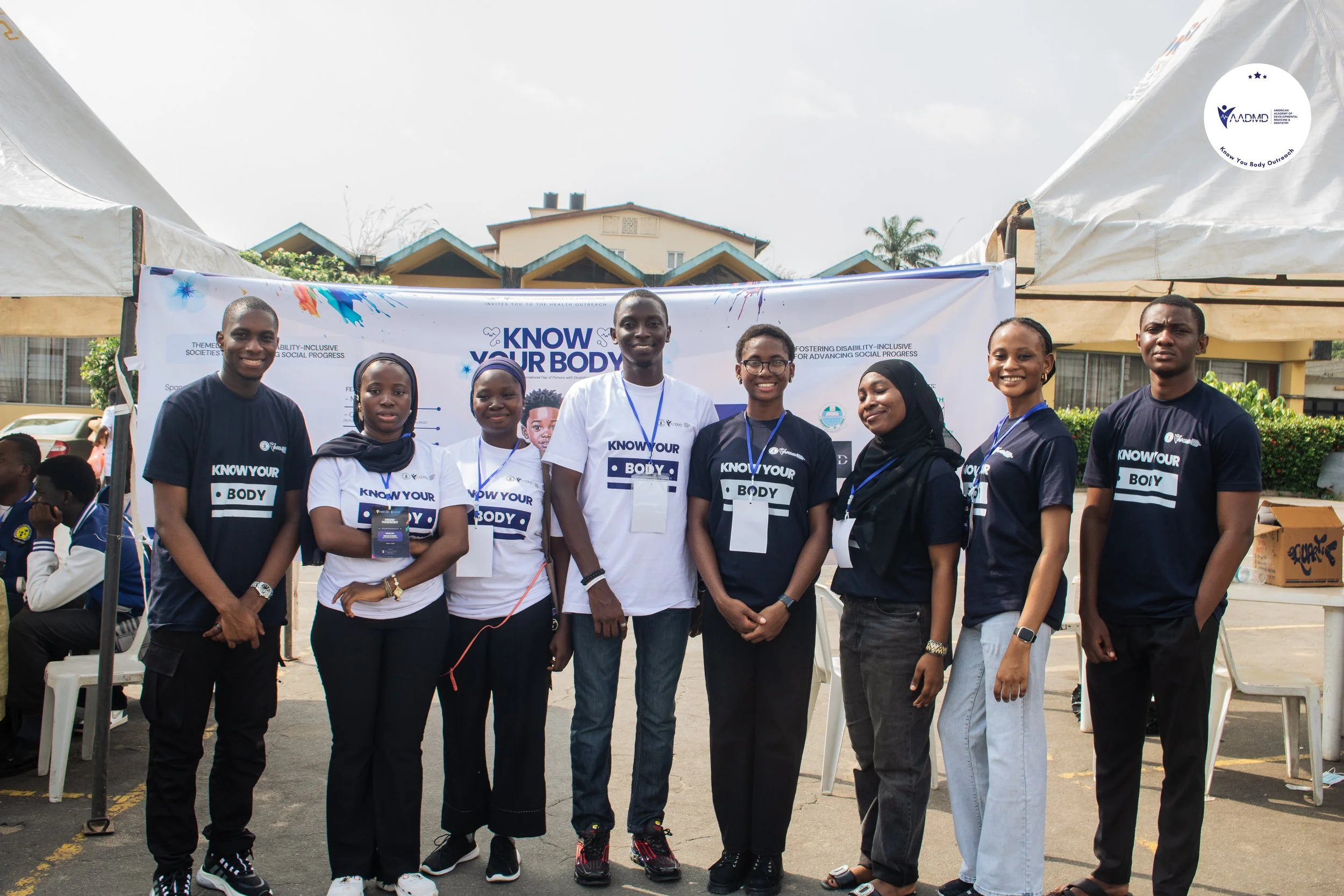
From Awareness to Action
Dr. Mustapha Madehin, BDS
A dental student’s first visit to a home for children with disabilities sparked a journey from curiosity to advocacy. Trace the growth of AADMD in Nigeria, from awareness-building among future healthcare professionals to a multidisciplinary outreach designed to provide more inclusive, dignified care for people with disabilities.

Degrees of Access
David Cox, EdD, MBA
Part III of this series looks beyond the United States to examine how China, India, the United Kingdom, Canada, and regions across Europe are approaching disability inclusion in higher education. While progress is emerging through legal reforms, accommodations, inclusive programs, and international rights frameworks, access remains uneven—especially for students with intellectual disabilities.
President’s Message
Dr. Steve Perlman
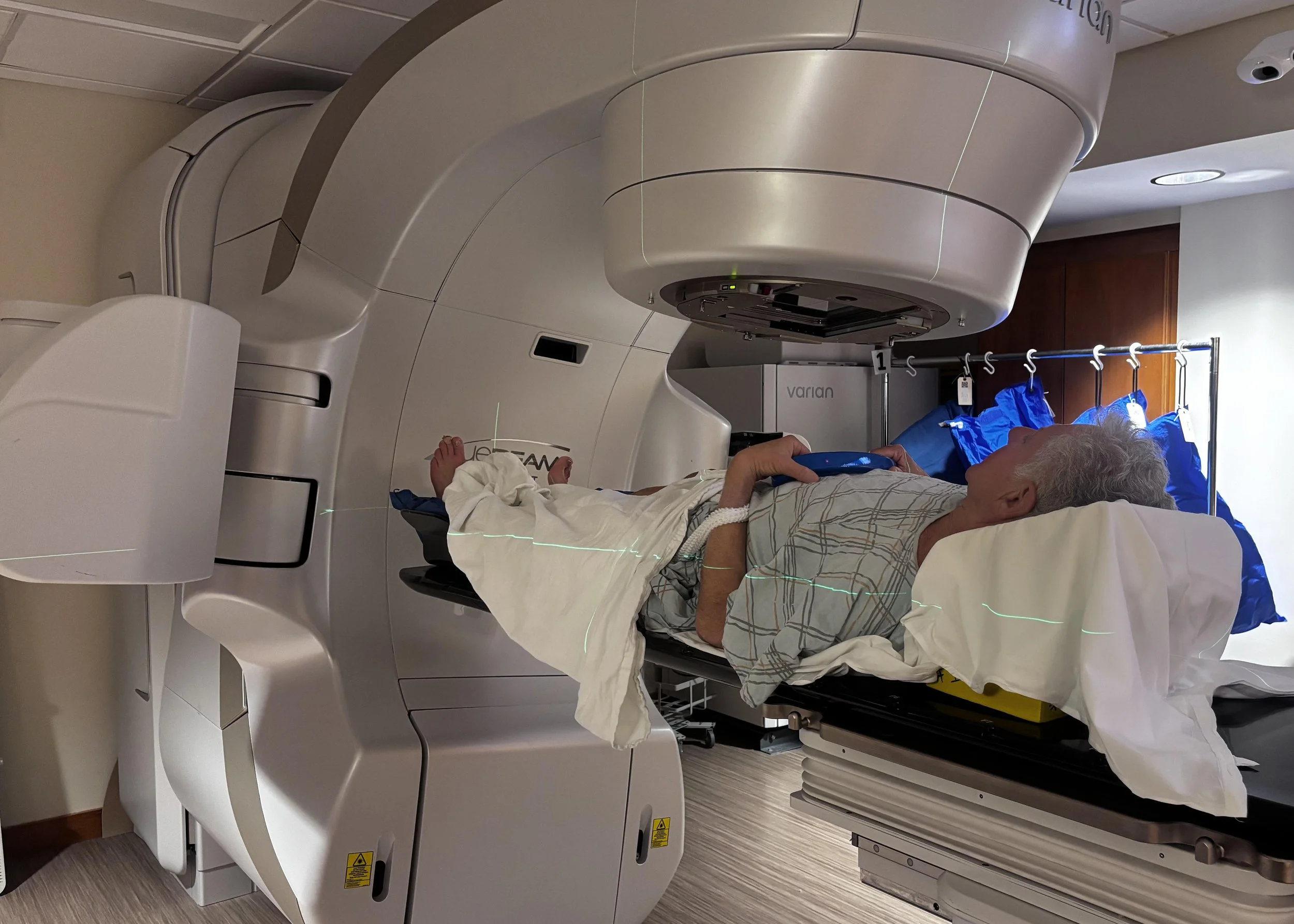
A personal cancer diagnosis leads to a reflection on how healthcare professionals deliver unexpected news, the lasting impact of their words, and the importance of empathy, institutional culture, and patient-centered care. Drawing from his own experience, the author reminds clinicians that medicine is not only about treating disease, but caring for the whole person.

On Becoming a Disabled Gladiator
Rick Rader, MD
A visit to Rome’s Colosseum prompts a reflection on wounded gladiators, ancient trauma care, and the ways society responds to people whose bodies are changed by injury. Drawing a provocative comparison to today’s disability community, this editorial asks what it means to be valued, treated, supported, or discarded when strength is no longer defined by the arena.

Healthcare Fraud
Karl D. Cooper, Esq. and Michelle Sayles, MA
As federal officials examine waste, fraud, and abuse in Medicare and Medicaid through the CRUSH initiative, this article urges policymakers to protect people with disabilities from unintended harm. Rather than adding barriers that could delay care or threaten access to essential services, fraud prevention efforts should focus on provider misconduct, corporate accountability, transparency, and enforcement against the true bad actors in the system.
Disability-Inclusive Nursing
Sarah Ailey, PhD, Dr. Angela Chen, Dr. Patty West, and Anna Quon PhD
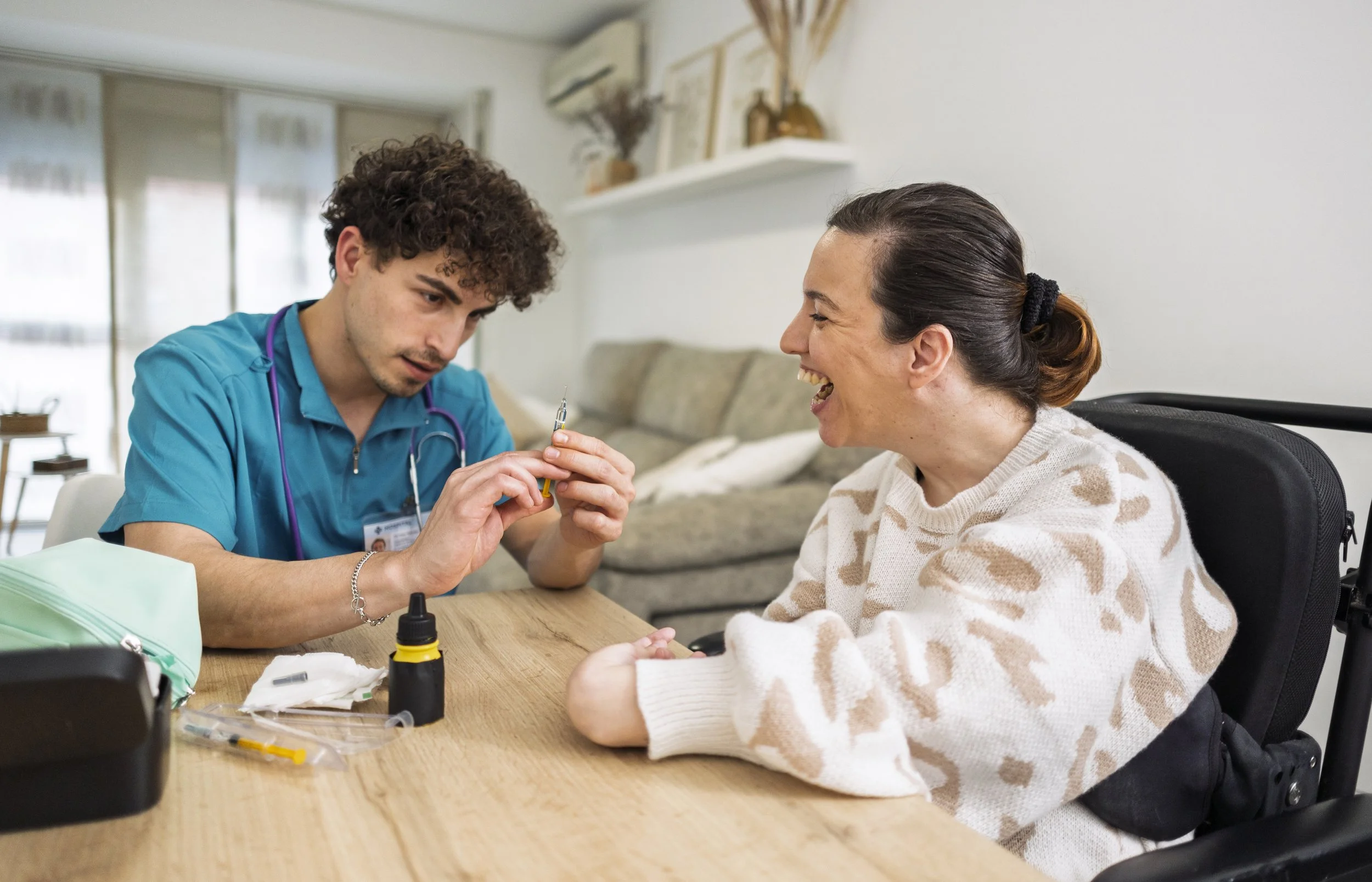
Nurse scientists are calling for a more disability-inclusive approach to research, education, and workforce preparation. See how nursing leadership can help address ableism in healthcare by preparing nurses to better support people with disabilities and multiple chronic conditions across the lifespan.
The Autism Market at a Crossroads
Dr. Seth Keller
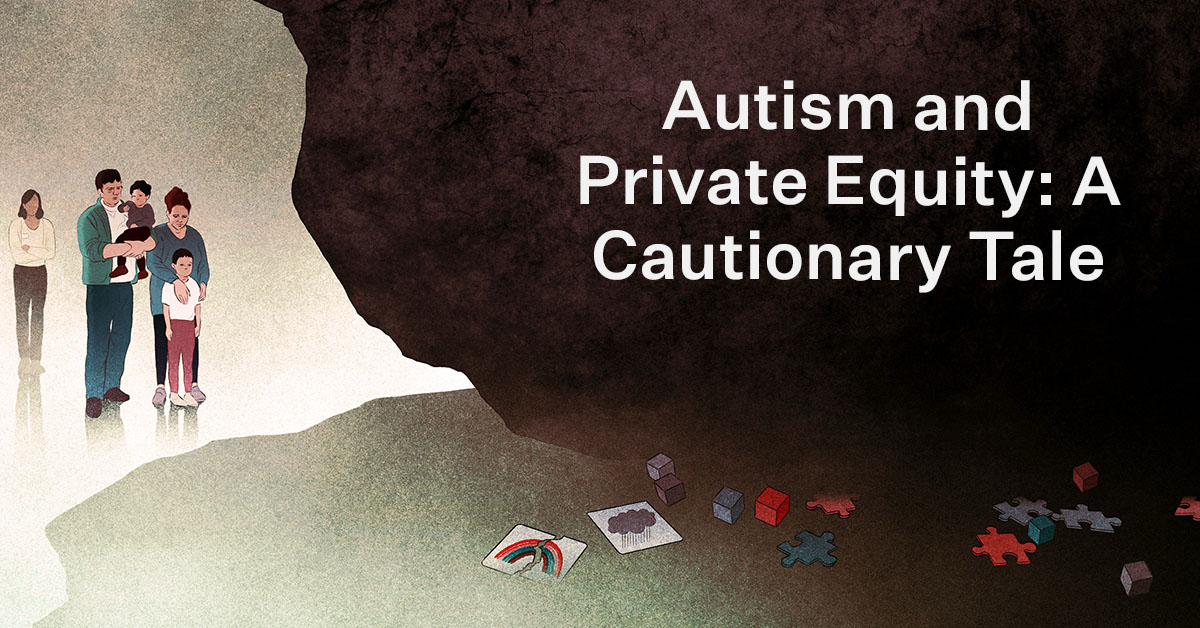
As autism services expand across the United States, this article examines how rising demand, private investment, reimbursement structures, and fragmented care systems are reshaping the field. Rather than framing the issue as profit versus care, it calls for a national, consensus-driven approach that aligns growth with meaningful outcomes, person-centered care, and lifelong support for people with autism and intellectual and developmental disabilities.
Helen’s Heroes
Dr. Bernard A Schwetz, D.V.M., Ph.D.
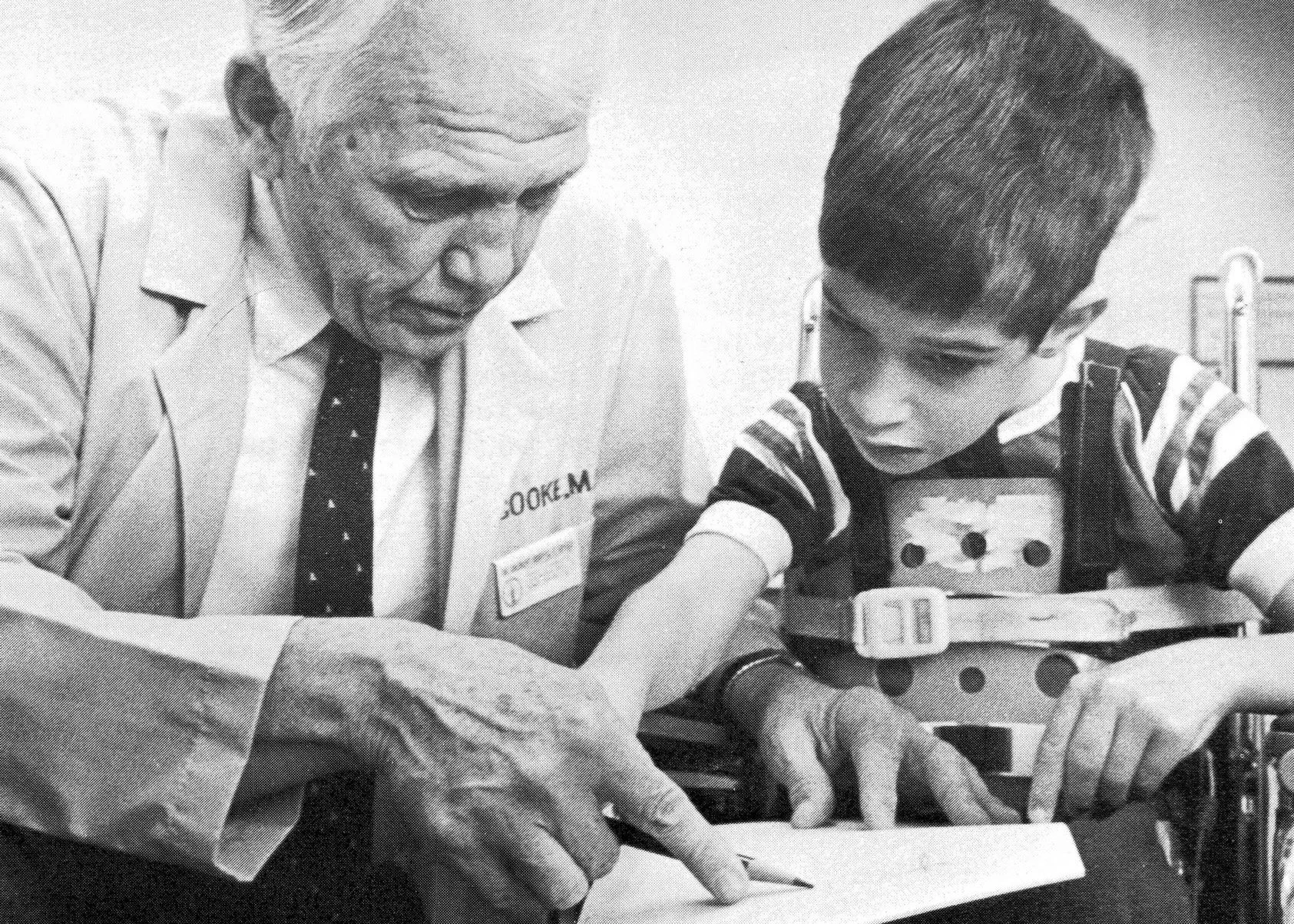
In this oral history interview, Dr. Robert E. Cooke reflects on his work shaping modern research ethics, his deep concern for children and people with intellectual disabilities, and his belief that “respect for persons” means recognizing the inherent worth of every human being—not only those able to speak or consent for themselves.

Autism-Friendly Travel Rehearsals
Breaking Travel News
Emirates’ Travel Rehearsal program is helping individuals with autism prepare for real flights by practicing each step of the airport journey in a supportive, low-pressure setting. The program is designed to reduce anxiety, build confidence, and make air travel more accessible for neurodiverse travelers and their families.
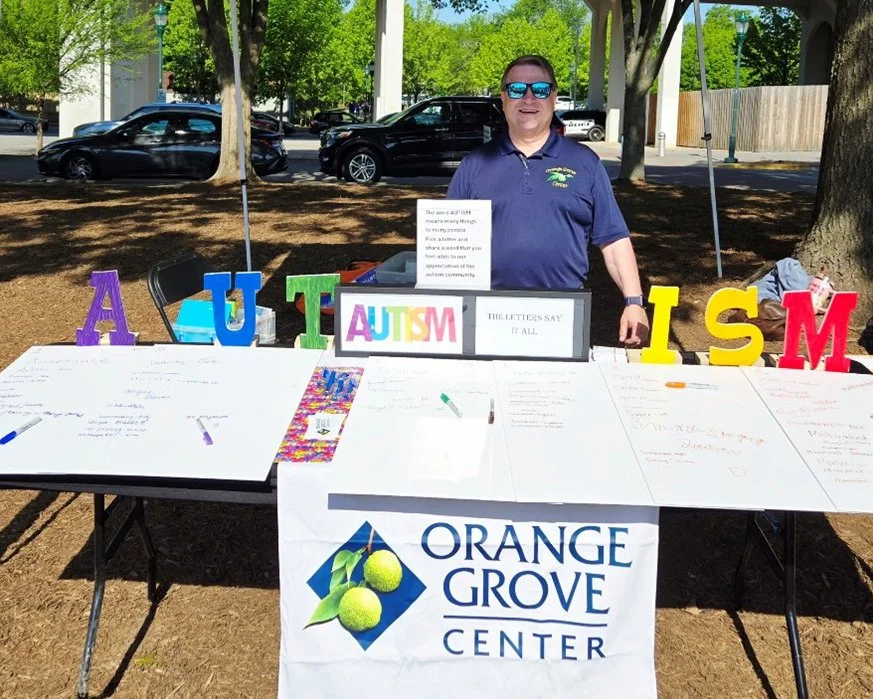
114 Words for Autism
David Cox, EdD, MBA
At the 13th annual Chattanooga Autism Walk, participants were invited to share one word they associate with autism. The 114 responses became a community-created portrait of autism—one shaped by identity, strength, creativity, resilience, belonging, and the full complexity of lived experience.
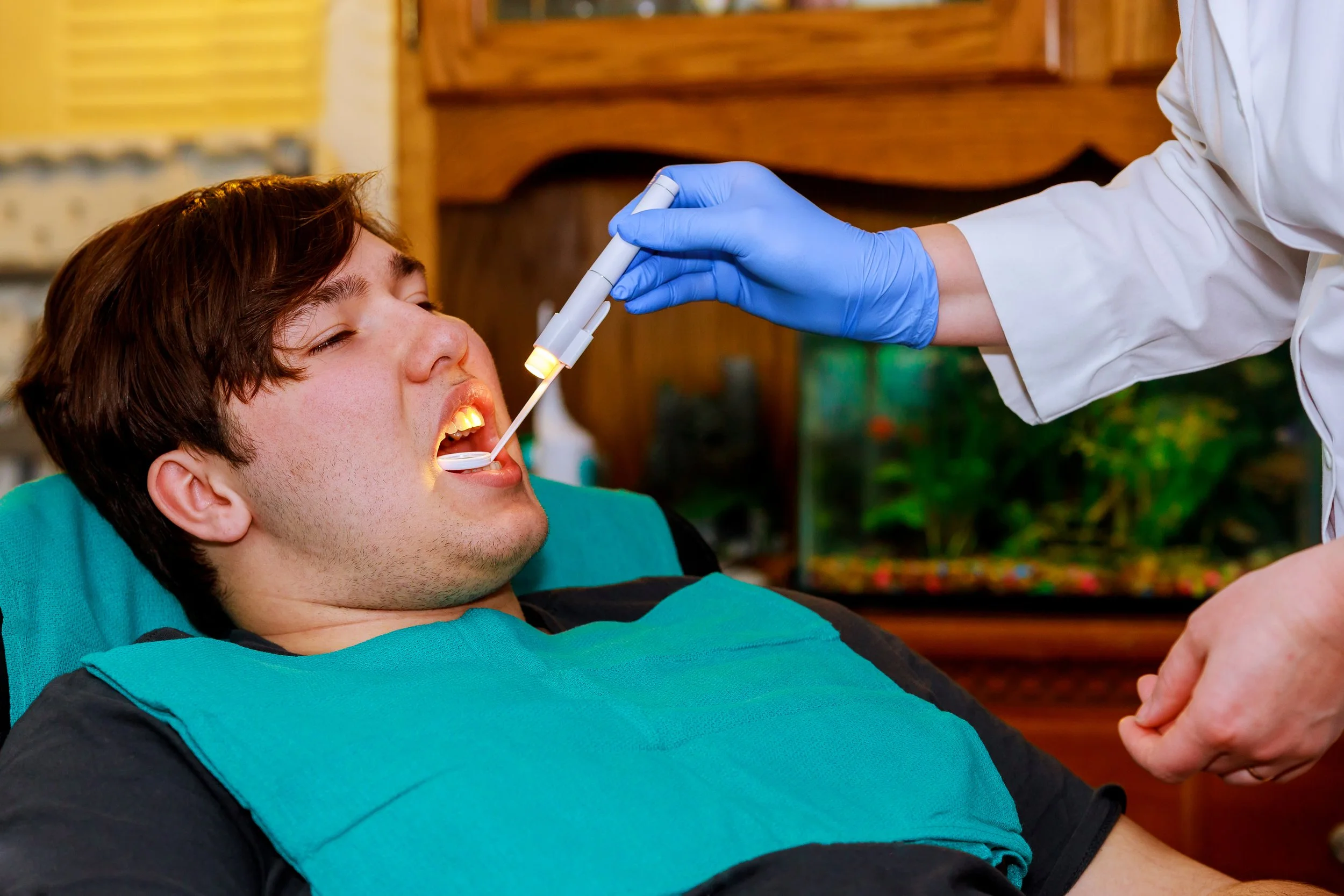
Oral Health and IDD
Dr. Craig Escudé, Dr. Allen Wong, Taylor Neuber
Explore why oral health is often an unmet need for people with intellectual and developmental disabilities, along with practical prevention strategies, dental-visit preparation tips, and minimally invasive tools that can help supporters, caregivers, and providers improve comfort, access, and overall health.

The Beat Goes On!
Eddie Tuduri
After 30 years of teaching through rhythm, Eddie Tuduri reflects on the origins and evolution of The Rhythmic Arts Project, from its beginnings during his own rehabilitation after a surfing accident to its new East Coast chapter and expanding programs for people with intellectual and developmental disabilities, seniors, and learners of all ages.
Key Issues
Revisit Hilda Knobloch’s 1963 article examining how pediatricians and medical educators were beginning to respond to intellectual disability, brain injury, and developmental delay during a pivotal era of expanding medical care, professional training, and national attention to children’s developmental needs.
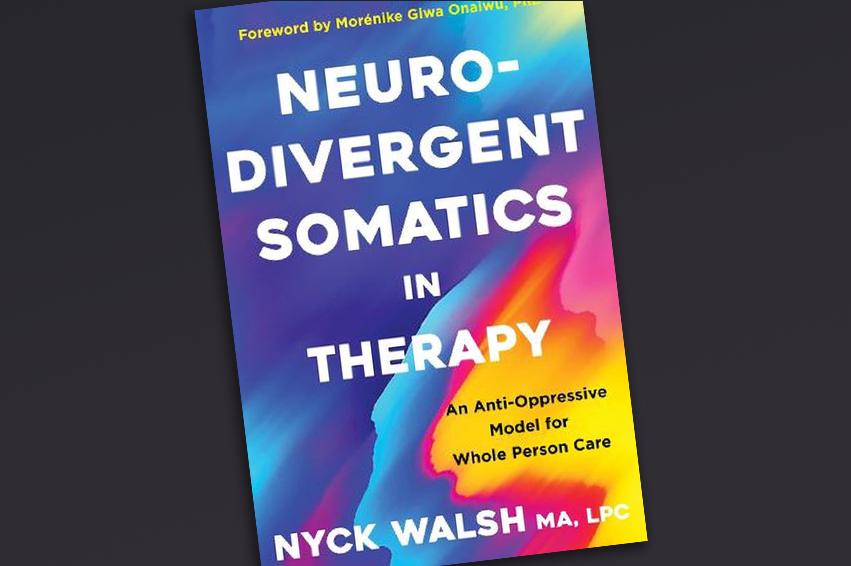
Neurodivergent Somatics in Therapy
Mayra Elena Salgado
This review explores Neurodivergent Somatics in Therapy: An Anti-Oppressive Model for Whole Person Care, a compassionate and thought-provoking book that invites therapists to approach neurodivergence as a natural variation of human experience while creating more inclusive, affirming, and anti-oppressive spaces for care.
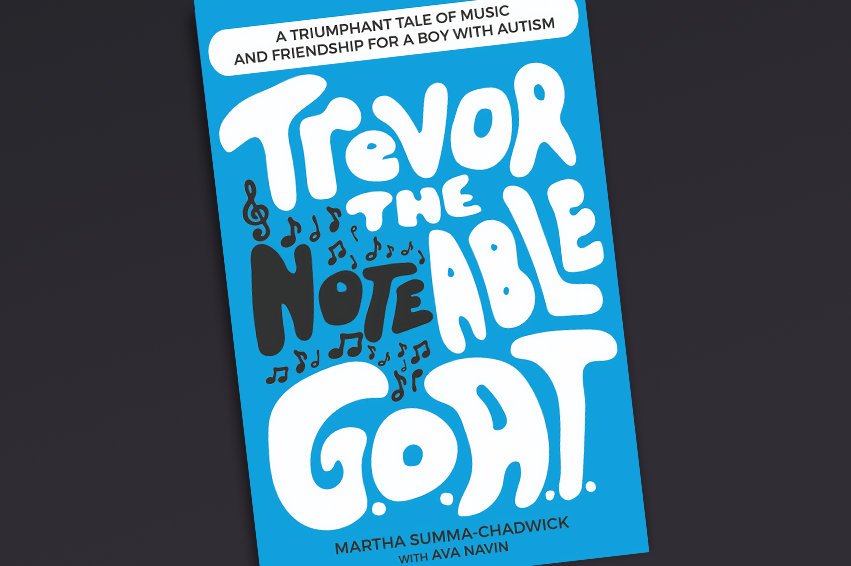
Trevor The Noteable G.O.A.T.
by Martha Summa-Chadwick
In this new book, middle school students learn that just because someone is different, doesn’t mean they don’t have special talents to share.

Events & Webinars
Making Every Medical Visit Count for People with IDD, Special Populations and Dementia Care Navigation, Disability Health Action Summit, and more

From Our Friends
Self-Injury Awareness in the IDD Community, Wearable Technology's Growing Role in Monitoring Brain Health, Family Outcomes After Newborn Screening, The Essentials Of Person-Centered Assessment, and more

From the Stacks
Transitioning to Adult Health Care with Confidence, Health Care Professionals’ Beliefs about People with IDD, Why Patient Voices Belong in Healthcare Education, and more