
Trevor The Noteable G.O.A.T.
by Crissy Renner: A Book Review
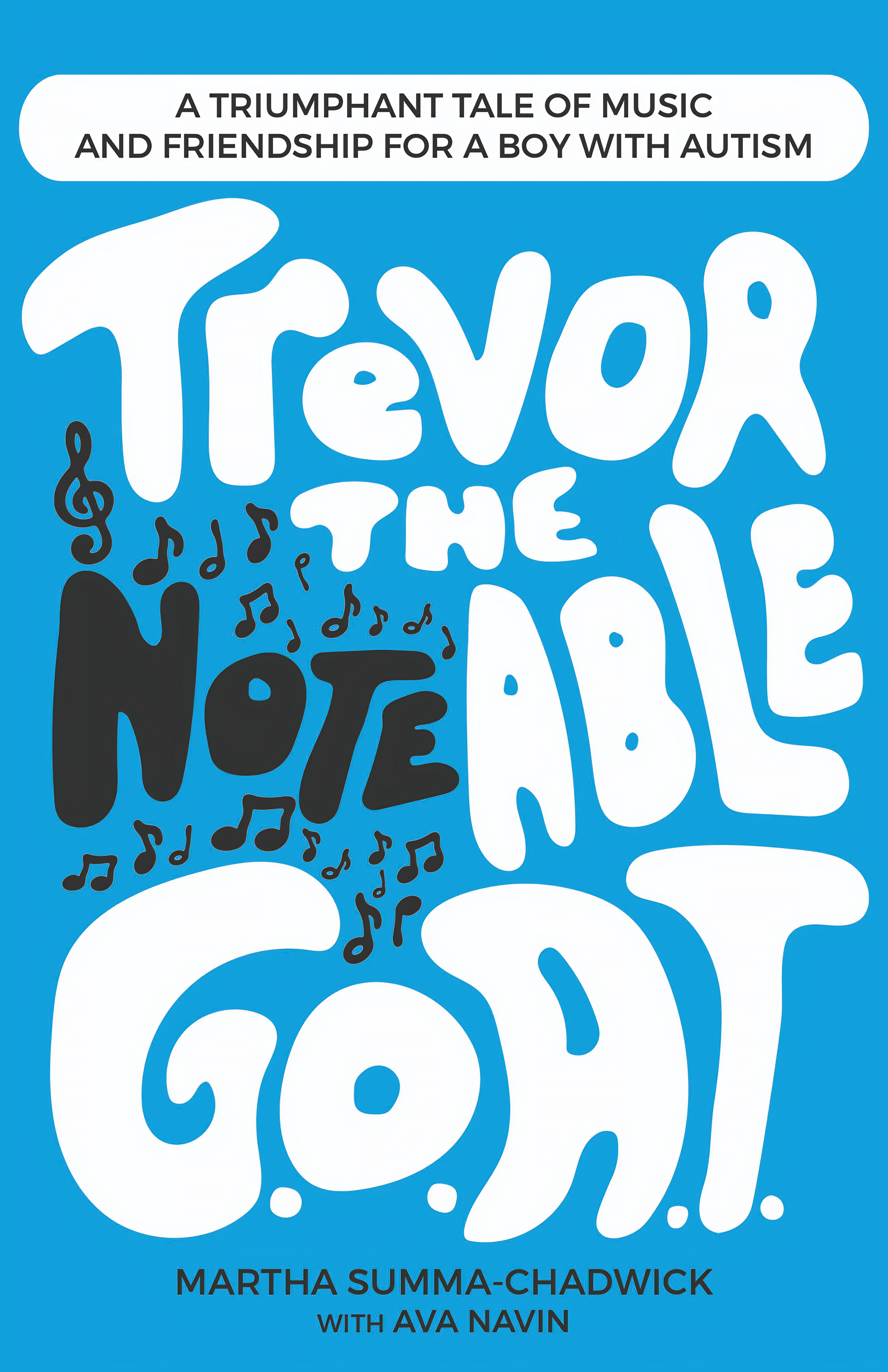
Martha Summa Chadwick has written a book about Trevor, a 5th grader with Autism who is navigating through life and the difficulties of school, being bullied and realizing what he can do with music.
Trevor is a genius at math. He does math problems in his head very fast. His teacher was amazed when she gave a pop quiz and he quickly did all the answers for her. She had expected it to be wrong but was surprised that it was all correct. Trevor made a friend on the playground who could play piano, she offered
to help him with the music if he would help her with the math class.
At this turning point his classmates realized that he was a G.O.A.T. (Greatest Of All Times) at math. Trevor starts to see a music therapist that would go on to help him find himself and gain courage and confidence.
He starts to make friends. Trevor goes on to form a band called “Noteable Einstein and the Rhythm Tramps” which became very popular on YouTube.
The book shows the things that make Trevor different but highlights his strengths that helped boost him up as he grows into himself. Trevor the Noteable GOAT is a great story, and it's a wonderful resource for families of children with autism and also their neurotypical peers.
Please check out the additional links below, including songs, videos and more information about Trevor.
About the Author

Crissy Renner:
Crissy holds a degree as a National Certified Medical Assistant (NCMA). She is currently working at the Orange Grove Center in the Morton J. Kent Habilitation Center with Dr. Rick Rader as his Administrative Assistant. While at her position at Orange Grove, she has accomplished becoming the Special Olympics Coordinator, a Dementia trainer, Managing Editor of HELEN, and the Executive Assistant to Project D.I.M.E.
During her time working for Orange Grove Center, she has grown in many areas and has become an integral part of Project D.I.M.E., and at Orange Grove with the inner workings of many important projects.
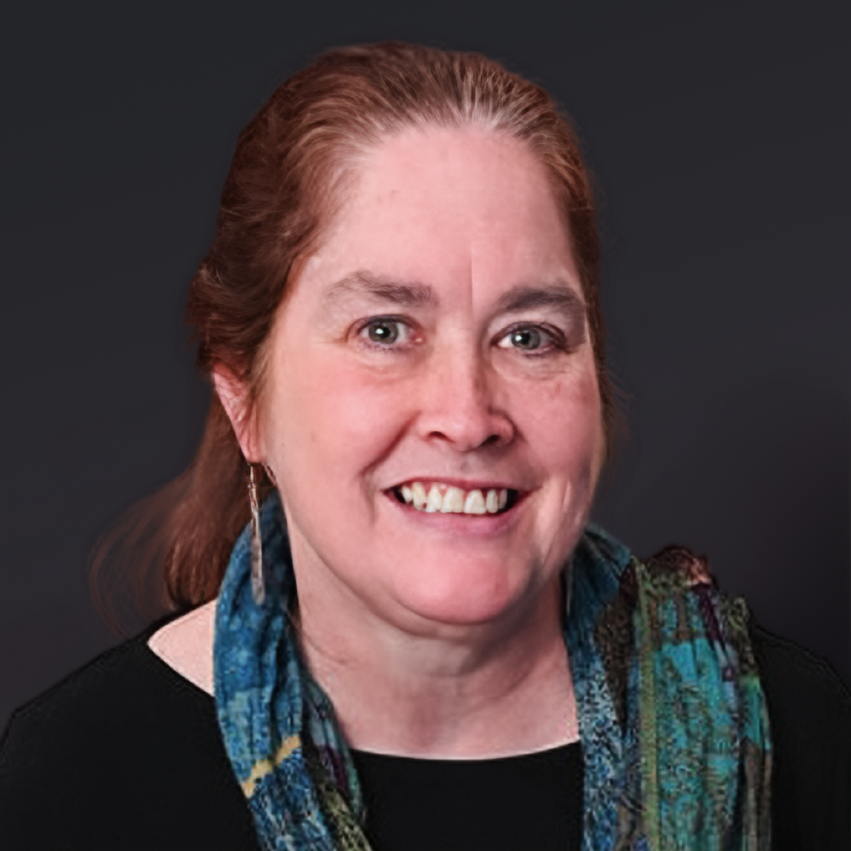
Book Author Bio:
Martha Summa-Chadwick has achieved a national reputation as an educator, presenter, performer, and advocate for the cause of music in therapy. She has performed as piano and harpsichord soloist with orchestras across the country and served for twenty-six years on the faculty of the Cadek Conservatory in Chattanooga, Tennessee. For the past two decades, Dr. Summa-Chadwick has explored various ways to use music for therapeutic as well as aesthetic ends. She is the Executive Director of the nonprofit organization Music Therapy Gateway in Communications, Inc., and a frequent guest speaker at both national and regional conferences, discussing the use of biomedical music techniques for challenged children. She has given three TED talks and established a series of both chamber and solo concerts to help educate diverse audiences in an overview of biomedical music protocols, and how music can be used in collaboration with improved neural learning patterns. She is also exploring how biomedical music protocols could be automated into software applications for persons with motor, speech, or cognition challenges.
Additional Links:
Please check out the additional link below, that includes songs, videos and more information about Trevor.