
A New Path to Better Disability Care
Formalizing Provider Education to Ameliorate Health Disparities for People with Disabilities
Summary: People with disabilities face significant health inequities in the U.S. due to inadequate medical training, resulting in poorer health outcomes, reduced quality of care, and higher costs, particularly for those with intellectual and developmental disabilities (IDD). To address these disparities and the lack of provider preparation, this article proposes a Certificate of Added Qualification (CAQ) in Disability Care to ensure specialized training and improve patient care.
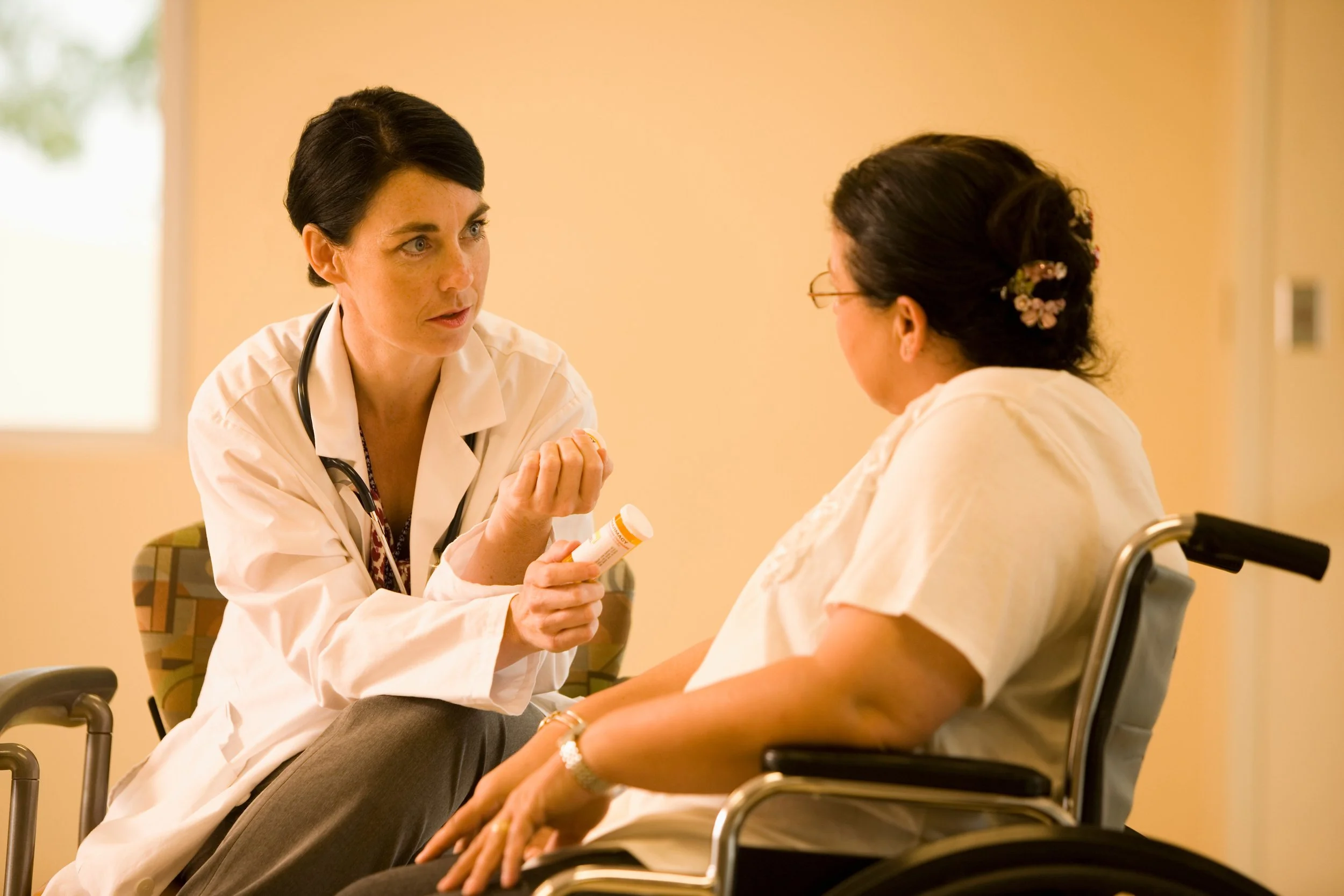
The CDC describes health equity as the opportunity for all people to be as healthy as possible [1]. Health inequity occurs when people experience differences in length of life, quality of life, disease rates, disease severity, and access to care [1]. Health disparities are preventable differences in disease burden, injury, violence, or opportunity to experience optimal health [1].Studies have revealed disparities in people with disabilities for decades, and the causative factors are multi-faceted. A 2015 article by Krahn et. al. noted that, due to cost, people with disabilities avoid or delay seeking medical care at a rate 2.5 times greater than individuals without disabilities [2]. In September 2023, the NIH designated people with disabilities as a population with health disparities based on a report by The National Advisory Council on Minority Health and Health Disparities Working Group on Persons Living with Disabilities and Health Disparities. This designation acknowledges significant disparities in rates of illness, morbidity, mortality, and survival in this population and allows for prioritization of research dollars to further elucidate the causes, as well as potential solutions, to address this inequity [3].
Health disparities among patients with intellectual or developmental disabilities (IDD) warrant special consideration, as it is often the case that members of this cohort may not be positioned to advocate for themselves. In the U.S., between 2% and 3% of U.S. children have some form of intellectual disability [4], with higher rates in adults. In 2016, the CDC analyzed Behavioural Risk Factor Surveillance System Data and found the prevalence of cognitive disability among
noninstitutionalized U.S. adults between ages 18 and 44 was 10.6% while the percentage increased to 11.9% between ages 45 and 64 [5]). In seeking to qualify health disparities for patients with IDD, a 2006 review reported higher prevalence of adverse conditions, inadequate care and health promotion, and inadequate access to quality healthcare among patients with intellectual or developmental disabilities (IDD) [6]. In 2021 a review of 77 studies looked at the prevalence of physical health conditions among patients with IDD compared to the general public. Findings revealed a significantly elevated risk of 16 disease among patients with IDD, including diabetes, epilepsy, asthma, thyroid disorders, constipation, hearing loss, visual impairment, retinopathy of prematurity, injuries, osteoporosis, migraines, Parkinson’s Disease, bronchiectasis, and gallbladder cancer [7]. Despite such data demonstrating health inequitiesfor patients with disabilities, these significant health disparities did not receive formal acknowledgment by the NIH until 2023.
Inherent in the history of healthcare inequity for people with disabilities is failure of the medical education system to properly train physicians to manage the complex issues and diagnoses in this population with competence and empathy. A survey of allopathic and osteopathic U.S.medical schools conducted in 2015 garnered a 45% participation rate, with 75 of 167 total schools responding. Of the respondents, 52% reported some form of disabilities curriculum, most focusing on physical disabilities. The researchers noted that the actual prevalence of such
curricula could be as low as 23%, when accounting for selection bias based on the schools that opted to complete the survey. Furthermore, the survey revealed no standardized approach to integrate this content into medical education [8]. Curriculum specific to IDD is also lacking in medical schools and residency training programs. A 2023 systematic review of 32 studies from international pre-graduate health professional education programs found that 38% of the schools with IDD curricula presented this content in a single session, with an additional 28% of schools integrating this content during a 1 to 3 month time frame. Of the studies reviewed, the best outcomes resulted from a multifaceted pedagogical approach, including experiential clinical encounters, lecture, and virtual delivery of content, as well as involvement of people with IDD and/or caregivers [9][10]. A 2023 study surveyed 423 resident (trainee) physicians regarding comfort level in caring for patients with IDD. Ninety-six percent of residents reported having
treated a patient with IDD, but only 25% reported having formal training on caring for this population [11]. As a consequence of inadequate preparation in medical school and residency, many providers are not equipped to treat people with disabilities or, specifically, patients with IDD. Survey results released in 2021 through HHS Public Access highlighted perceptions of physicians regarding healthcare for patients with disabilities. Of 714 U.S. physicians who participated, only 40.7% were confident that they could provide equitable, quality healthcare to patients with significant disabilities, and 79.5% strongly agreed that understanding their patients who have disabilities is very valuable. Only 56.5% strongly agreed that they would welcome patients with disabilities in their practices [12]. Despite these reports, specific training to manage people with disabilities has not been systematically integrated into medical education in the
United States, leaving providers discomfited and lacking the skills to address the complex needs of this population.
The result of inadequate provider education is fragmented care that fails to meet the needs, as well as the expectations, of patients. Based on December 2022 data from the Urban Institute’s Well-Being and Basic Needs Survey, 32% of disabled adults reported unfair treatment in the healthcare setting, versus 10 percent of the general population expressing a similar perspective [13]. The impact of poorly trained providers is especially notable with regard to patients with
IDD. An April 2024 study, based on responses from over 22,000 adults in the United States who participated in the 2021 federal Medical Expenditure Panel Survey, revealed that patients with IDD reported significantly lower satisfaction with healthcare services relative to the general public. Concerns included failure of providers to listen to patients, as well as failure to explain medical conditions and treatments to patients in a way that could be understood [14]. Lack of provider education fosters attitudinal barriers and ableist assumptions. These data demonstrate the urgent need for this issue to be addressed directly to ensure clinicians are well trained to support their patients with disabilities.
In summary, the experience of patients with disabilities in the U.S. medical system leaves much to be desired, for provider and patient alike. Simply put, clinical training is lacking for providers in this area, resulting in inefficiency, duplicative care, poor outcomes, and frustration for patients as well as providers. The evidence presented in this white paper clearly demonstrates that there are real, documented gaps in medical education that have contributed to fragmented care for people with disabilities, and especially for patients with IDD, leaving these patients with a distrust of the medical establishment and resulting in substantial health inequities. These inequities and care fragmentation drive higher costs. In this context, improving provider education is a critical step to decrease healthcare disparities for patients with disabilities. Single interventions have not consistently proven to have lasting results. The duration and intensity of training must ensure that providers have sufficient time to gain the skills and comfort level to engage with patients with disabilities using a respectful, culturally competent, patient-centered model. A systemic response is required.
Call to Action: Certification of Added Qualification
Addressing healthcare disparities for all people with disabilities through structured training can enhance patient outcomes while improving cost efficiency in healthcare delivery. In order to more effectively establish a workforce with providers who are properly equipped to address the complex needs of patients with disabilities, formal medical training in caring for this population of patients should be implemented through the development of a Certificate of Added Qualification (CAQ) in Disability Care, modeled after the CAQ in Geriatric Medicine. The curriculum for this CAQ could engage providers who completed family practice or internal medicine residencies and could, potentially, be combined with a formal two-year fellowship training program. This level of commitment to training would ultimately result in a cohort of physicians with the knowledge and skills necessary to address the unique needs of individuals with physical, intellectual and developmental disabilities, ensuring that they receive equitable and effective healthcare.
About the Authors

Dr. Kristina H. Petersen is Assistant Dean of Student Success & Access and Associate Professor of Biochemistry & Molecular Biophysics at Washington University School of Medicine in St. Louis. Her scholarly work focuses on inclusive instruction, disability curriculum, medical education, and support for students with disabilities.
She has authored manuscripts and book chapters on dismantling barriers in medicine, improving disability inclusion, and addressing gaps in accommodations for medical students. She also helped implement and evaluate a longitudinal disability curriculum designed to better prepare future physicians and reduce health disparities.
Dr. Petersen has led webinars for organizations including the Association of American Medical Colleges and the American Medical Association, and she is a co-creator of accessibility-focused course modules for the ACCME Academy. Her honors include the 2022 Excellence in Scholarly Work in Disability Inclusion Award, the Alpha Omega Alpha Robert J. Glaser Distinguished Teaching Award, and selection as a 2023–2024 Alpha Omega Alpha Fellow in Leadership.

Dr. Michele Iannuzzi Sucich is a board-certified family physician and professor of Anatomy and Physiology at SUNY Orange, as well as an adjunct instructor at Touro College of Osteopathic Medicine in Middletown, New York. She earned her BS in Biology from Siena College and her MD from SUNY Upstate, then completed a Family Practice residency and Geriatrics fellowship.
A former direct-care physician, Dr. Iannuzzi now focuses on medical education and disability advocacy. Through her work with The Arc Greater Hudson Valley and colleagues at TouroCOM, she is pursuing opportunities to improve training on intellectual and developmental disabilities at the undergraduate, graduate, and post-graduate levels. She has also contributed to continuing education videos on caring for special populations and remains committed to improving healthcare for people with disabilities.

Kevin Larragy serves as Associate Executive Director at The Arc Greater Hudson Valley, a nonprofit organization supporting individuals with intellectual and developmental disabilities across New York’s Hudson Valley region. He began his career with the organization in 2014 as Director of Residential Services for Orange County and has since advanced through senior leadership roles, reflecting a strong track record of operational leadership and organizational impact. In his current role, Mr. Larragy oversees key service areas and contributes to strategic initiatives focused on person-centered supports, program development, and system-wide quality improvement. His work is grounded in a commitment to empowering individuals to live self-directed, meaningful lives within their communities
References:
1. CDC Health Equity (accessed December 11, 2024 10:42 pm EST), https://www.cdc.gov/health-disparities-hiv-std-tb-hepatitis/about/index.html.
2. Krahn GL, Walker DK, Correa-De-Araujo R. Persons with disabilities as an unrecognized health disparity population. Am J Public Health. 2015 Apr;105 Suppl 2(Suppl2):S198-206. doi: 10.2105/AJPH.2014.302182. Epub 2015 Feb 17. PMID: 25689212; PMCID: PMC4355692.
3. National Minority Council on Minority Health and Health Disparities (NACMHD) Working Group on Persons Living with Disabilities: Final Progress Report September 20, 2023 https://www.nih.gov/news-events/news-releases/nih-designates-people-disabilities-population-health-disparities
4. NIH National Institute of Child Health and Human Development website (accessed December 11, 2024) https://www.nichd.nih.gov/health/topics/idds/conditioninfo/risk#:~:text=Current%20estimates%20suggest%20that%202%%20to%203%,conditions%20related%20to%20problems%20in%20prenatal%20development.
5. MMWR Morb Mortal Wkly Rep. 2018 Aug 17;67(32):882-887
6. Krahn, G.L., Hammond, L. and Turner, A. (2006), A cascade of disparities: Health and health care access for people with intellectual disabilities. Ment. Retard. Dev. Disabil. Res. Rev., 12:70-82. https://doi.org/10.1002/mrdd.20098
7. Liao P, Vajdic C, Trollor J, Reppermund S. Prevalence and incidence of physical health conditions in people with intellectual disability - a systematic review. PLoS One. 2021 Aug 24;16(8):e0256294. doi: 10.1371/journal.pone.0256294. PMID: 34428249; PMCID: PMC8384165.
8. Seidel E, Crowe S. The State of Disability Awareness in American Medical Schools. Am J Phys Med Rehabil. 2017 Sep;96(9):673-676. doi:10.1097/PHM.0000000000000719. PMID: 28187005.
9. Vi L, Jiwa MI, Lunsky Y, Thakur A. A systematic review of intellectual and developmental disability curriculum in international pre-graduate health professional education. BMC Med Educ. 2023 May 11;23(1):329. doi: 10.1186/s12909-023-04259-4. PMID: 37170246; PMCID: PMC10176941.
10. Molnar C, Strnadová I, Dunn M, Loblinzk J, Sarfaraz S, Cathcart-King Y, Tso M, Danker J, Hayes S, Willow SA, Hansen J, Lim TQ, Boyle J, Terrill B, Scully JL and Palmer EE (2024) The need for co-educators to drive a new model of inclusive, person-centred and respectful co-healthcare with people with intellectual disability. Front. Psychiatry15:1346423. doi: 10.3389/fpsyt.2024.1346423
11. Shapiro, Hannah F. Johnson, Frueh, Julia S., Chiujdea, Madeline, Sillau, Stefan, Sanders, Jessica Solomon. Education Research: Predictors of Resident Physician Comfort With Individuals With Intellectual and Developmental Disabilities, March 2023. Neurology Education 2(1) doi:10.1212/NE9.0000000000200045
12. Iezzoni LI, Rao SR, Ressalam J, Bolcic-Jankovic D, Agaronnik ND, Donelan K, Lagu T, Campbell EG. Physicians' Perceptions Of People With Disability And Their Health Care. Health Aff (Millwood). 2021 Feb;40(2):297-306. doi: 10.1377/hlthaff.2020.01452. PMID:33523739; PMCID: PMC8722582.
13. Dulce Gonzalez, Genevieve M. Kenney, Michael Karpman, and Sarah Morriss (October 2023) Urban Institute: Four in Ten Adults with Disabilities Experienced Unfair Treatment in Health Care Settings, at Work, or When Applying for Public Benefits in 2022 https://www.urban.org/sites/default/files/2023-10/Four%20in%20Ten%20Adults%20with%20Disabilities%20Experienced%20Unfair%20Treatment%20in%20Health%20Care%20Settings%2C%20at%20Work%2C%20or%20When%20Applying%20for%20Public%20Benefits%20in%202022.pdf (Accessed 12/12/24)
14. Stone EM, Wise E, Stuart EA, McGinty EE. Experiences of health care services among people with cognitive disabilities and mental health conditions. Disabil Health J. 2024 Apr;17(2):101547. doi: 10.1016/j.dhjo.2023.101547. Epub 2023 Nov 5. PMID: 37949697; PMCID: PMC11210385.
15. OPWDD By the Numbers: October 2024 (accessed December 11, 2024) https://opwdd.ny.gov/system/files/documents/2026/01/by-the-numbers-1_13_2026_final_acc.pdf