
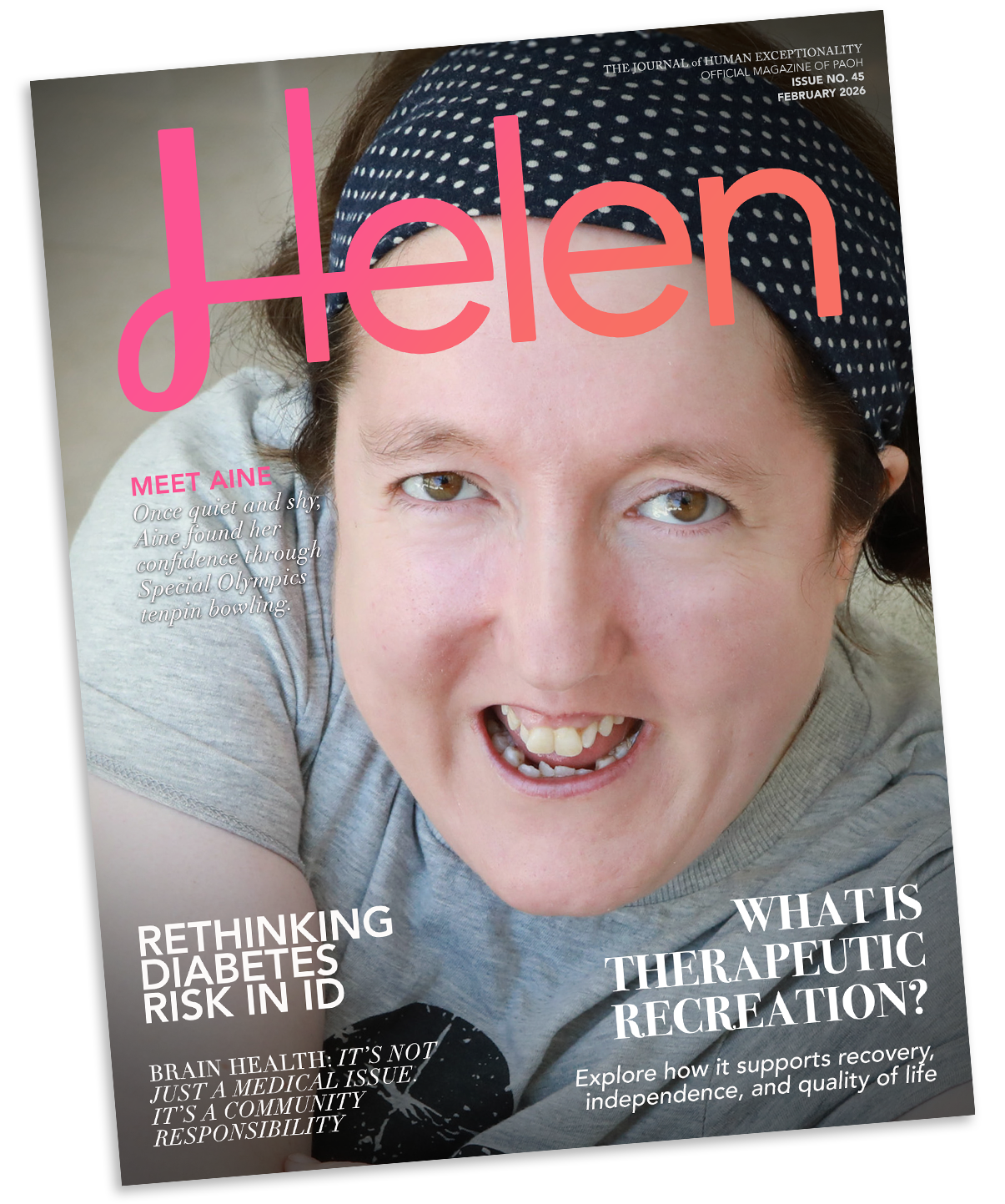
Cover Photo: Rick Guidotti, Positive ExposureMarch 2026
This month’s cover model is 42 year old Aine Lawlor from Scotland. She was diagnosed with 22q 1.2 deletion syndrome at the age of 16. When she was a teenager, she was very quiet and shy. But she learned a lot through the Special Olympics. After finding a bowling club in 2005, it’s now her life’s passion. She started growing into a beautiful human being during that time, socializing, mixing with others and making friends through sport.
Telling the world that she was a Special Olympian gave her the confidence to educate others about 22q. She has earned four Gold medals, three Silver and three Bronze. Nothing makes her happier than to be able to compete and make new friends.
Aine’s tip is to “never be ashamed of who you are and certainly never let fear conquer you!”
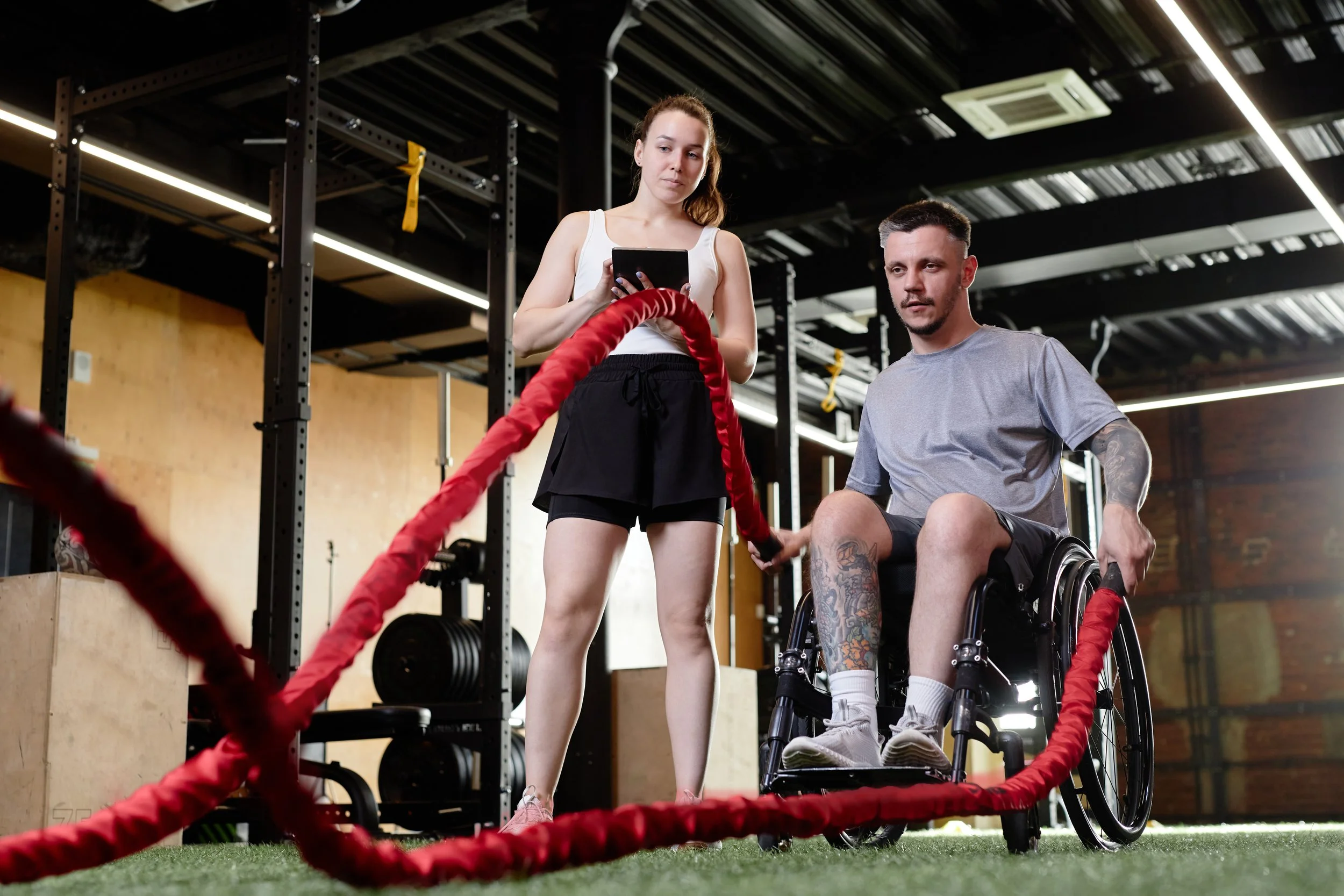
What Is Therapeutic Recreation
Biology Insights
Therapeutic Recreation is a clinical, goal-driven discipline that uses purposeful activity to improve physical, cognitive, and emotional functioning. This article explores how evidence-based recreation supports recovery, independence, and quality of life.
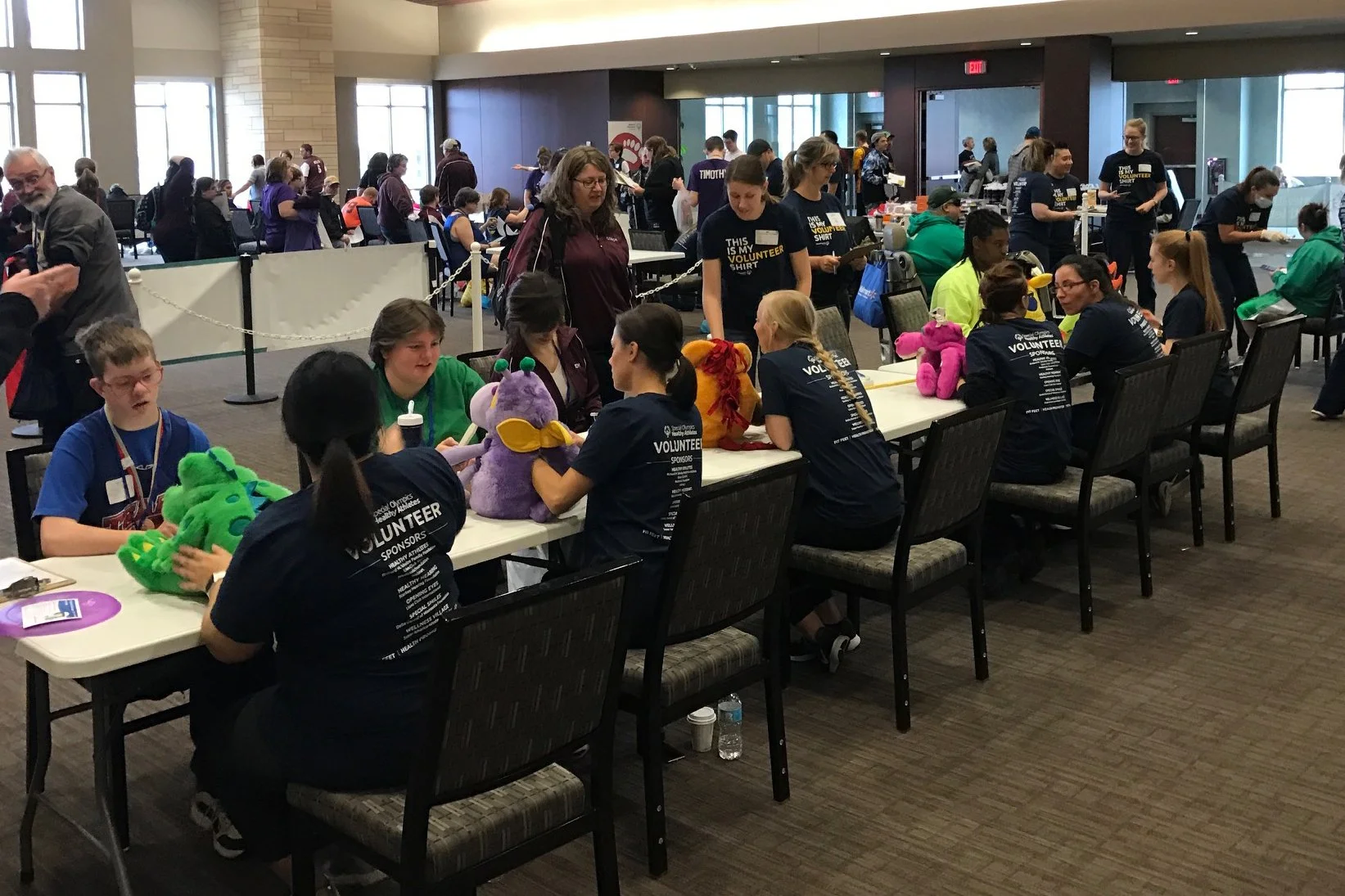
President’s Message
Dr. Steve Perlman
Over his 50 year professional career, Dr. Perlman has received countless letters and messages. Every once in a while, he comes one that touches his heart. This is one of those “Keepers”.
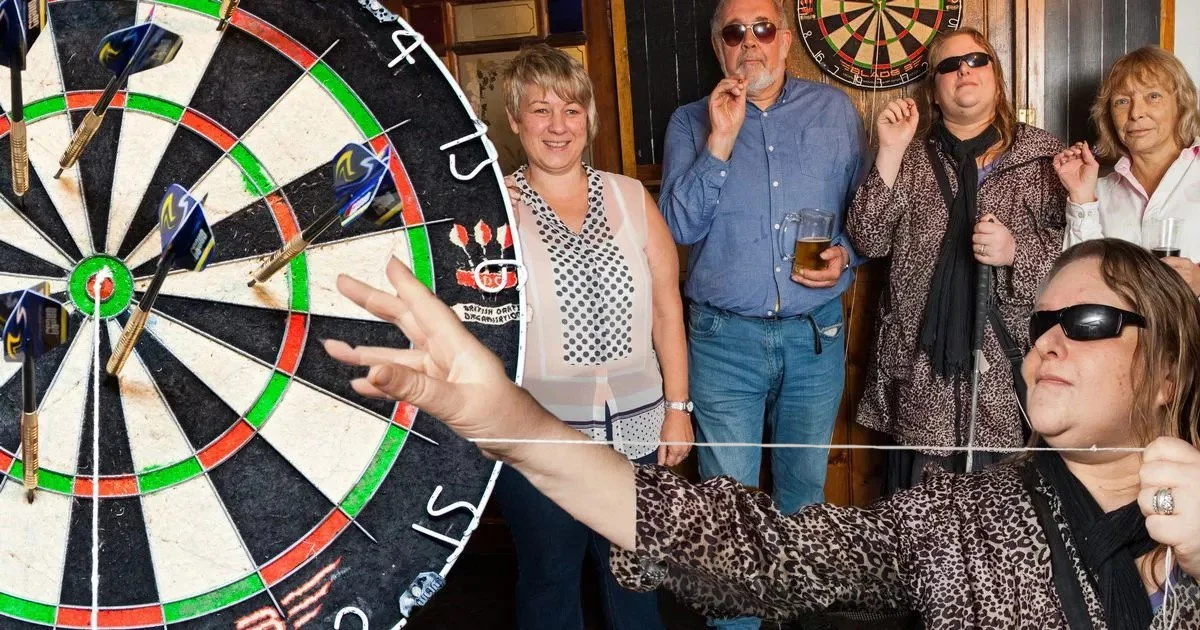
Throwing Darts at The Bricklayers
Dr. Rick Rader
A chance observation in a London pub becomes a powerful lesson in inclusion. This article explores how adaptive darts show that recreation—and belonging—can be designed for everyone, turning simple games into opportunities for connection, dignity, and joy.
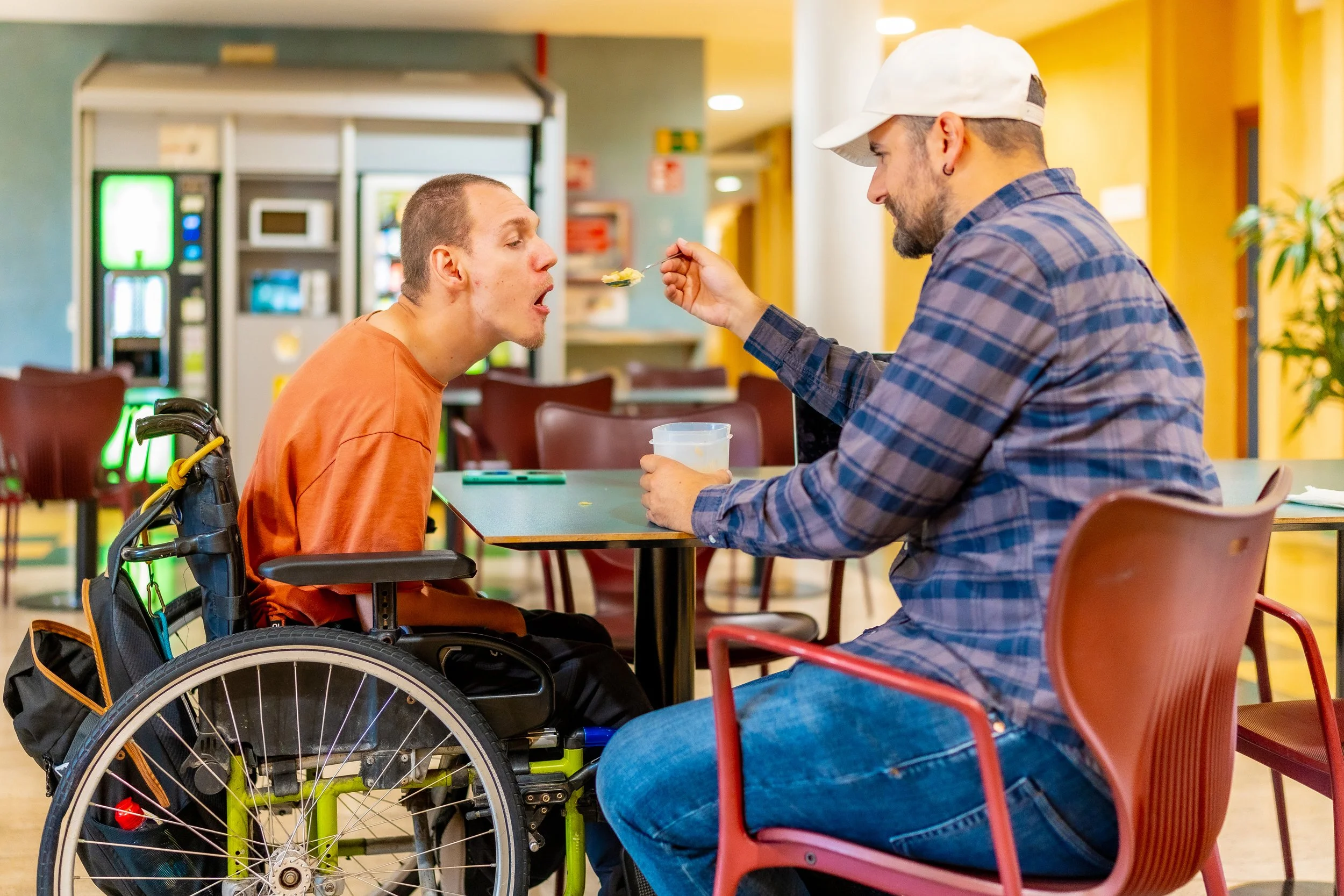
When Prevention No Longer Counts:
Vanessa Rastović, JD
For more than two decades, federal disability policy has rested on a shared assumption: people with disabilities should not have to be harmed by institutionalization before civil rights protections apply.
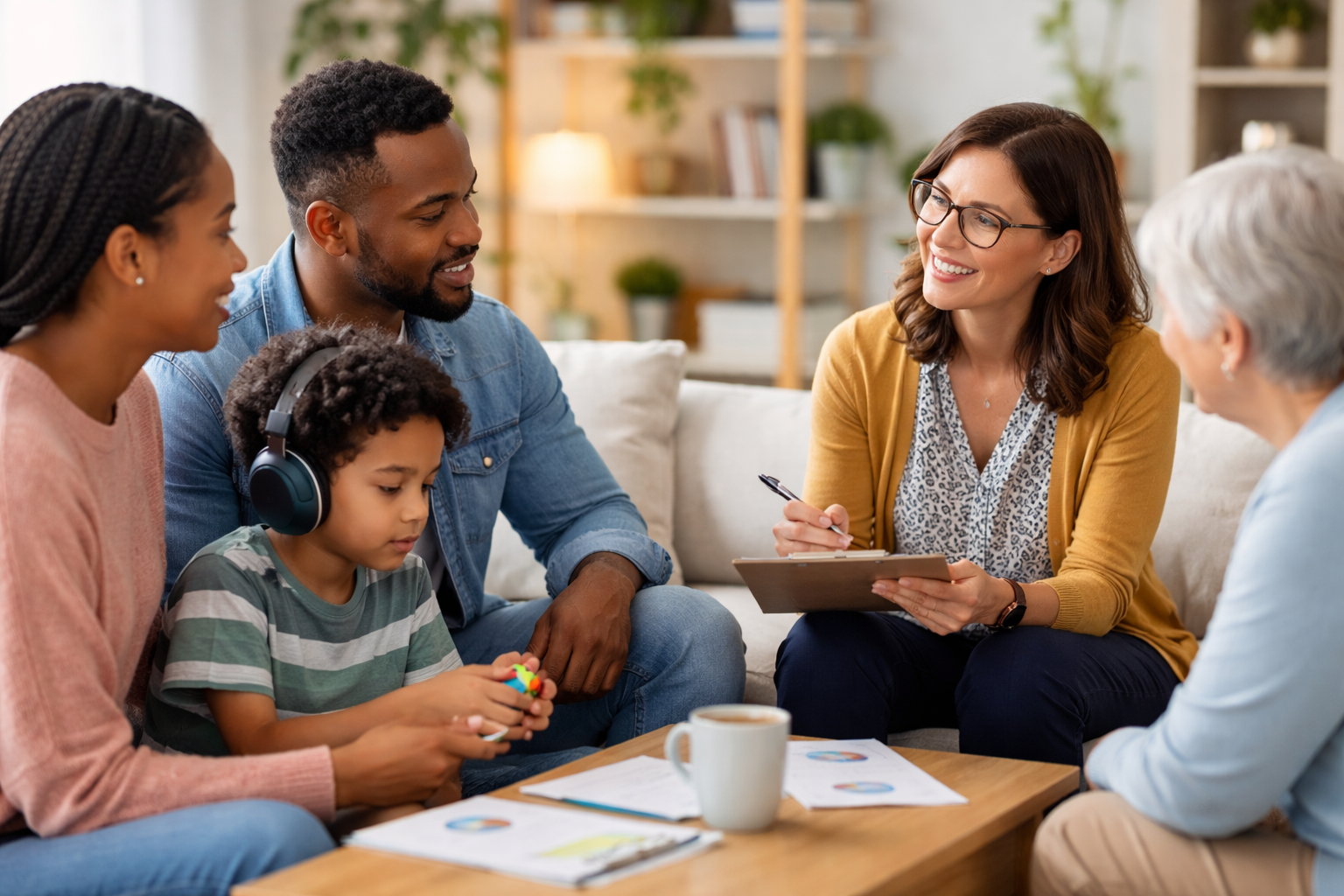
A day in the life of a Family Support Coordinator
Elena Saldago
The Tennessee Family Support Program helps individuals and families across the state access flexible funding for disability-related needs. This article offers a firsthand look at how coordinators connect people to resources that support dignity and quality of life.
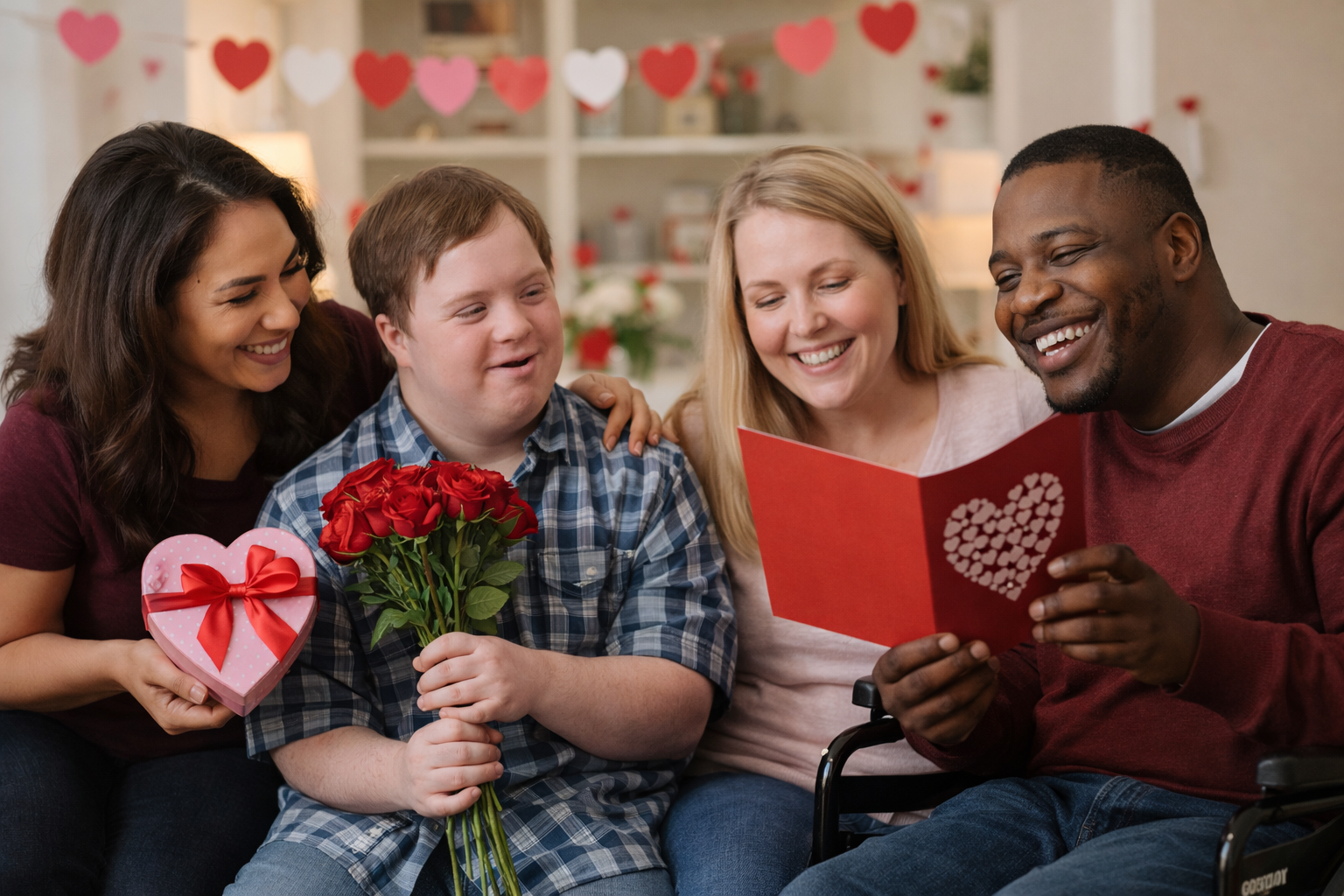
Inclusivity on Valentine’s Day
Elena Saldago
Valentine’s Day highlights how stigma and ableism often limit how people with disabilities are seen in conversations about love, intimacy, and relationships. This article calls for more inclusive, person-centered ways to recognize affection, autonomy, and connection for all.
Sharing Their Stories:
Hannah Bentz, Simonne McCants and Rebecca Weston
Simonne and Hannah have been close friends for years, bonded by shared routines and familiarity. When a nursing school assignment led Simonne to formally interview Hannah about her disability, it opened space for deeper listening and new understanding.
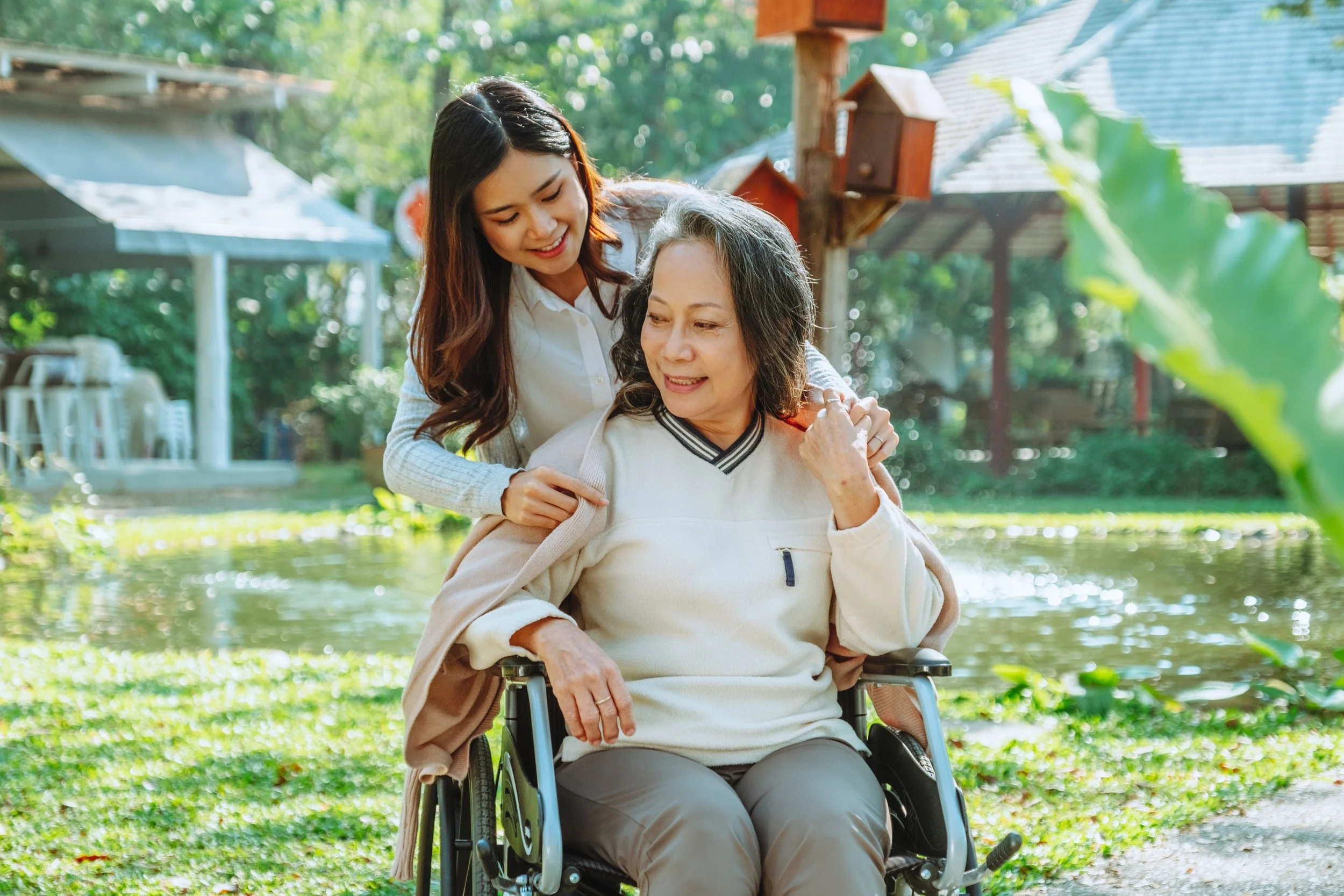
Brain Health for Everyone
Beth A. Marks, Ph.D., FAAN, Jasmina Sisirak, Ph.D., MPH, Matthew P. Janicki, Ph.D., & Kathryn P. Service, RN, M.S., FNP-BC
Brain health is not just a medical issue—it’s a community responsibility. This article explores why people with intellectual and developmental disabilities must be centered to ensure dignity, equity, and belonging across the lifespan.
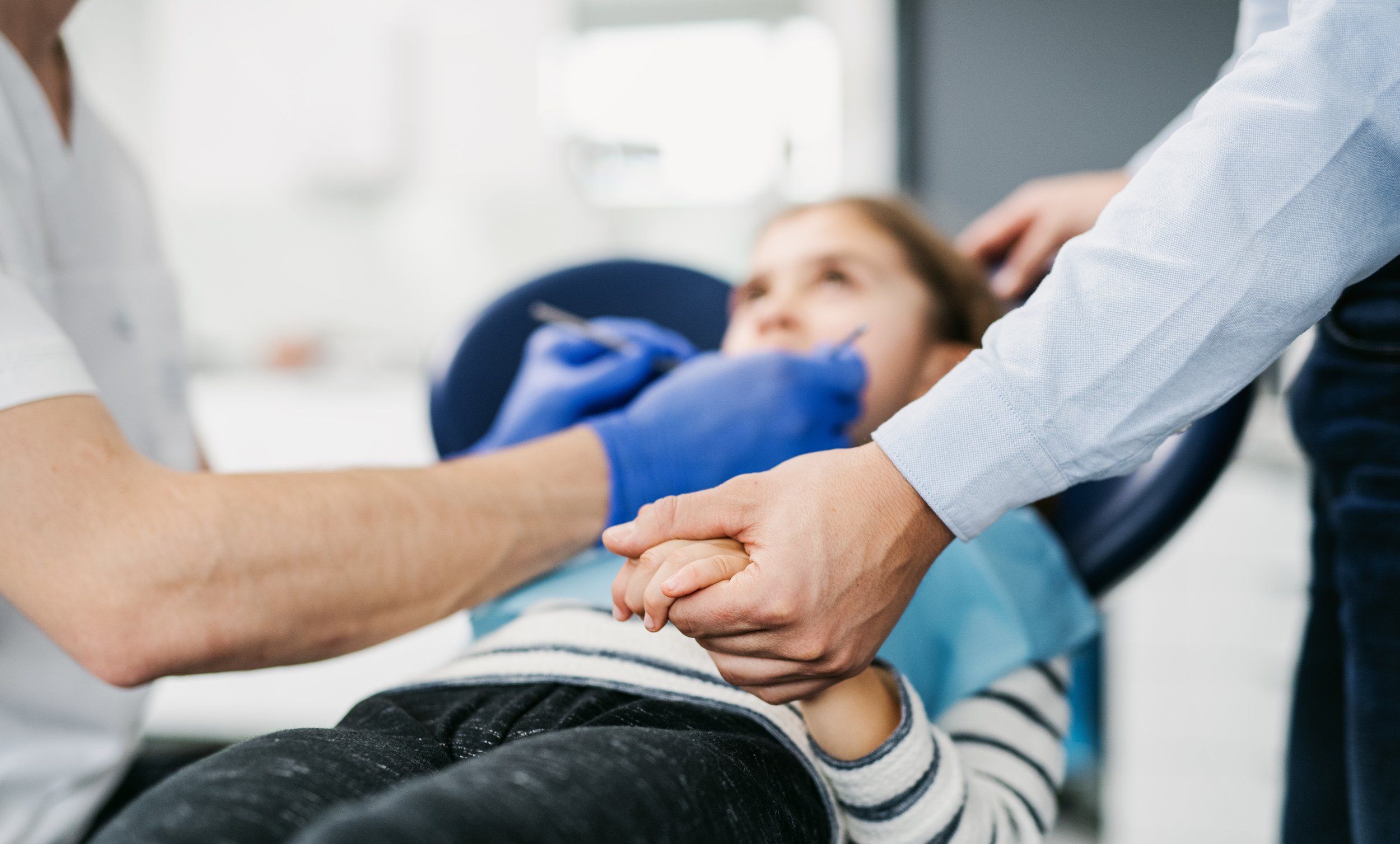
North Carolina Special Care Dentistry
Dr. Bill Milner, D.D.S., M.P.H., Betsy Lee White, RDH, BS, FSCDH, FADHA , Joshua Walker, DMD, & Julie Shore
In the 1990s, the term Special Care Dentistry was not widely recognized. Yet leaders of the North Carolina Dental Society (NCDS) foresaw a looming crisis…
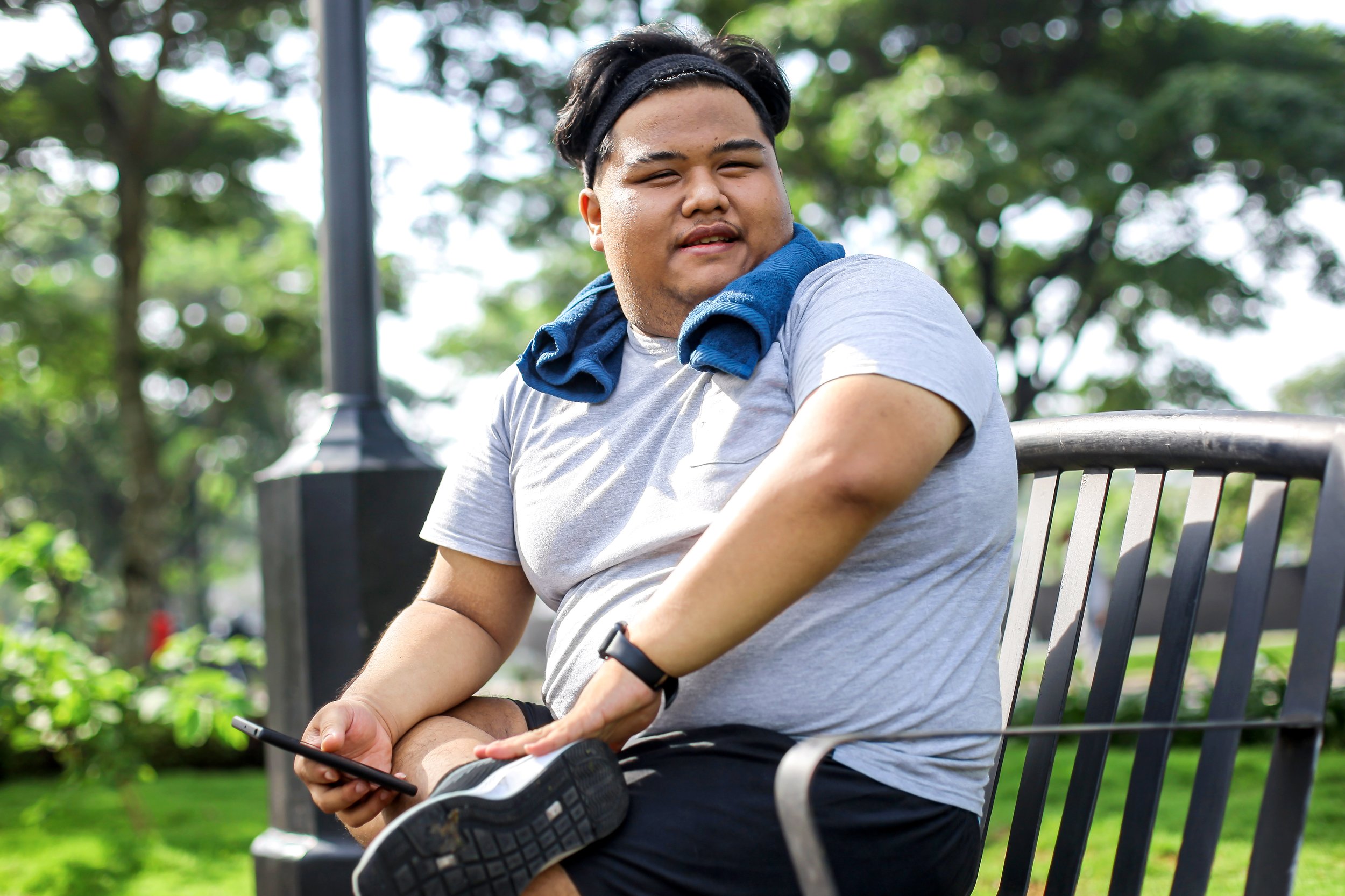
Rethinking Diabetes Risk in ID
Nikki Jacobus, Bethany Robinson, Catherine Ly, and David Jenkins
Due to the high prevalence of diabetes in persons with intellectual disability, the authors propose increased participation in exercise and sports activities.
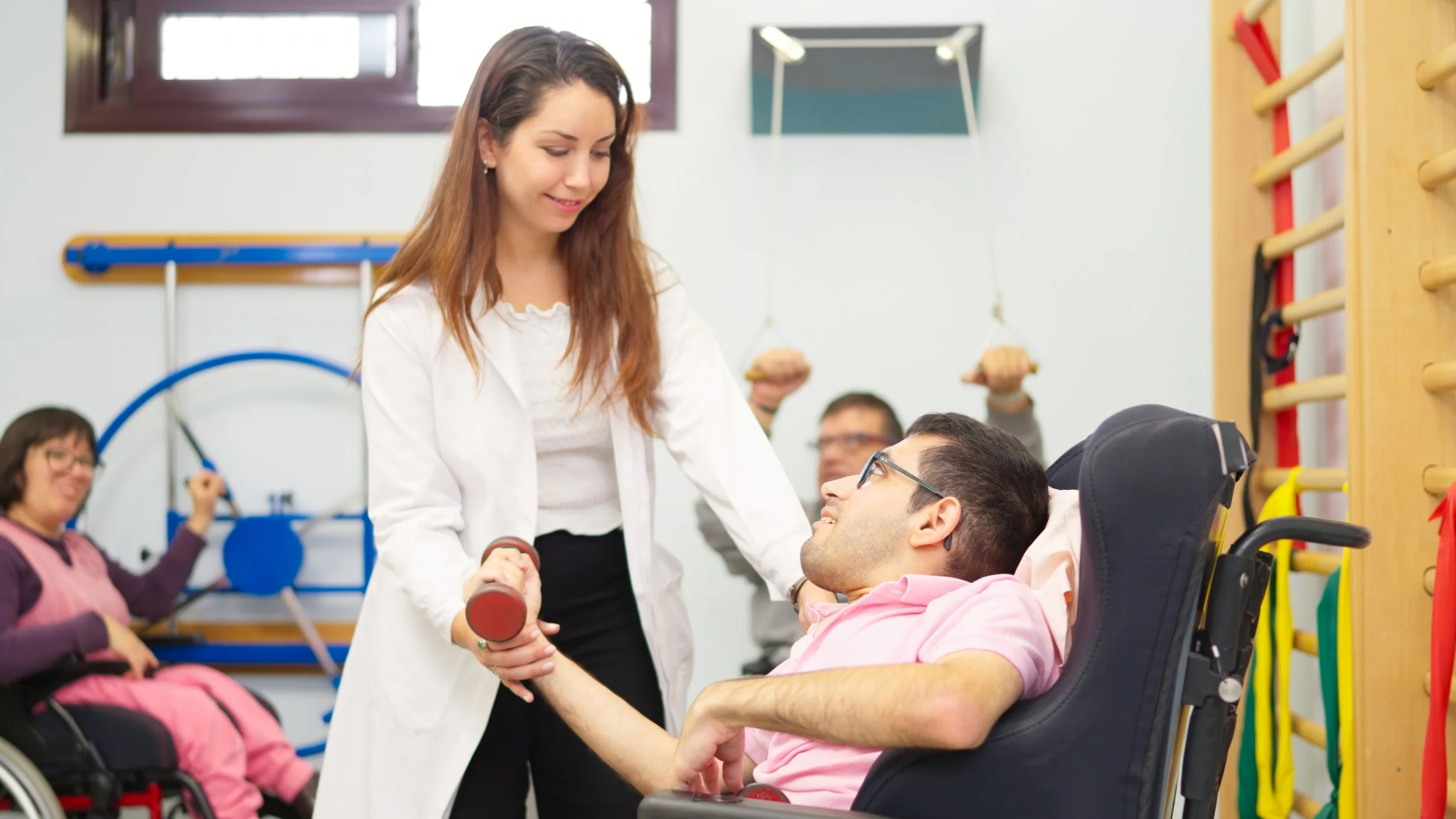
Why DEI Efforts Are Essential
Seth M. Keller, MD & Doreen Bestolarides, RN
Helen Keller’s teacher, Anne Sullivan, opened doors of communication, dignity, and societal inclusion. Their shared legacy reflects the foundational principles of DEI: ensuring every human being is valued, heard, and supported.
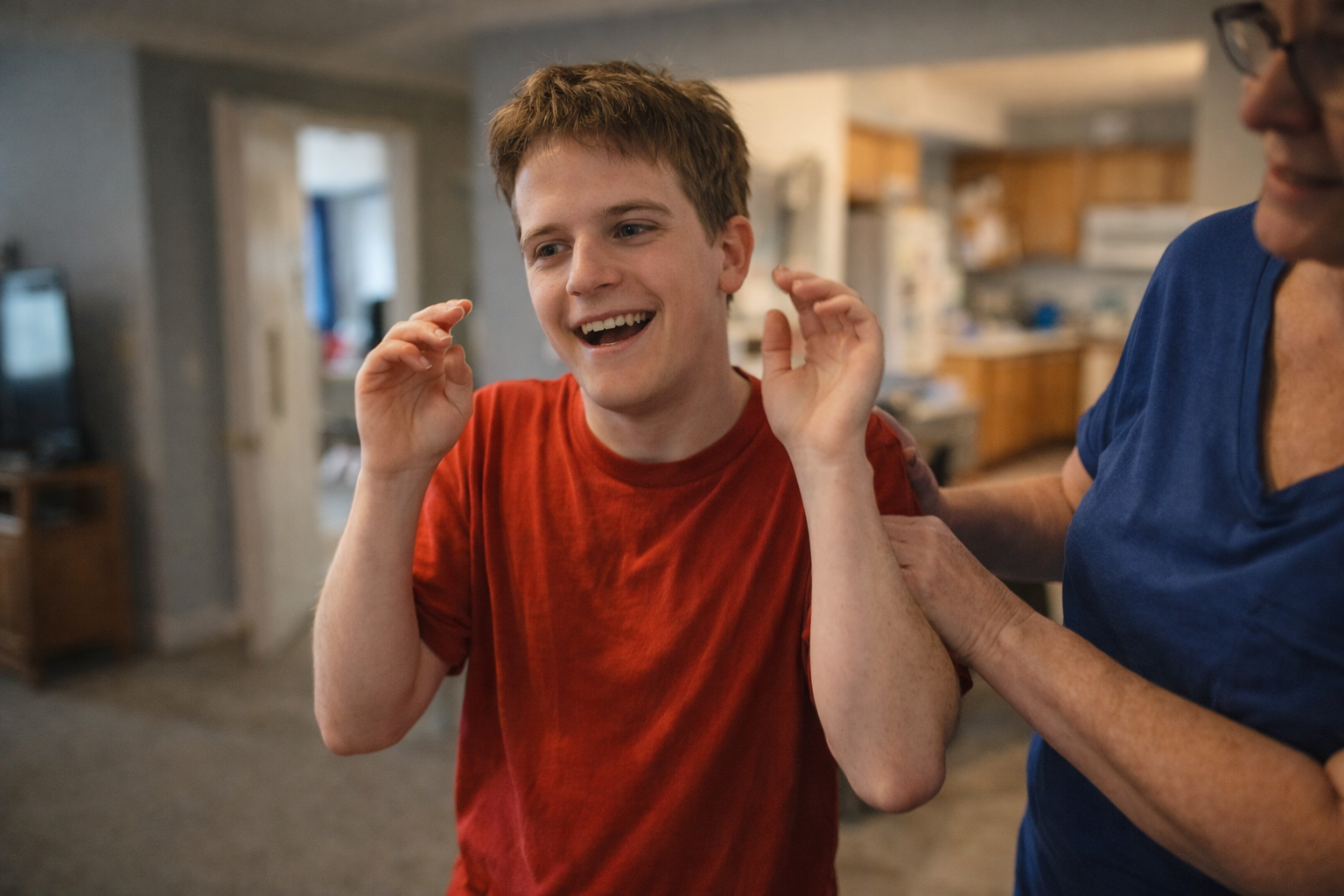
Unlocking Behaviors
Ley Linder, Dr. Craig Escudé, Benjamin Margolis, M.D.
This case study follows a young man with autism, intellectual disability, and complex medical needs, illustrating how sudden behavioral crises can signal underlying medical causes—and why coordinated, multidisciplinary care is essential for safety, dignity, and effective support.
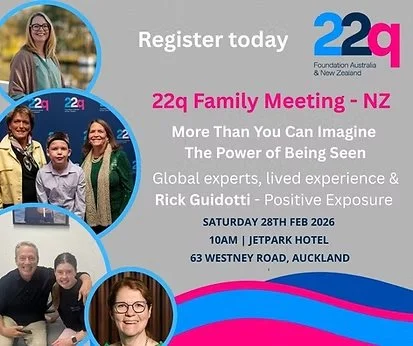
Rare Disease Day 2026
February 28, Aukland, New Zealand
World-renowned photographer, advocate, and founder of Positive Exposure, Rick Guidotti, will headline the 22q Foundation Australia and New Zealand Rare Disease Day 2026 celebration in Auckland, New Zealand.
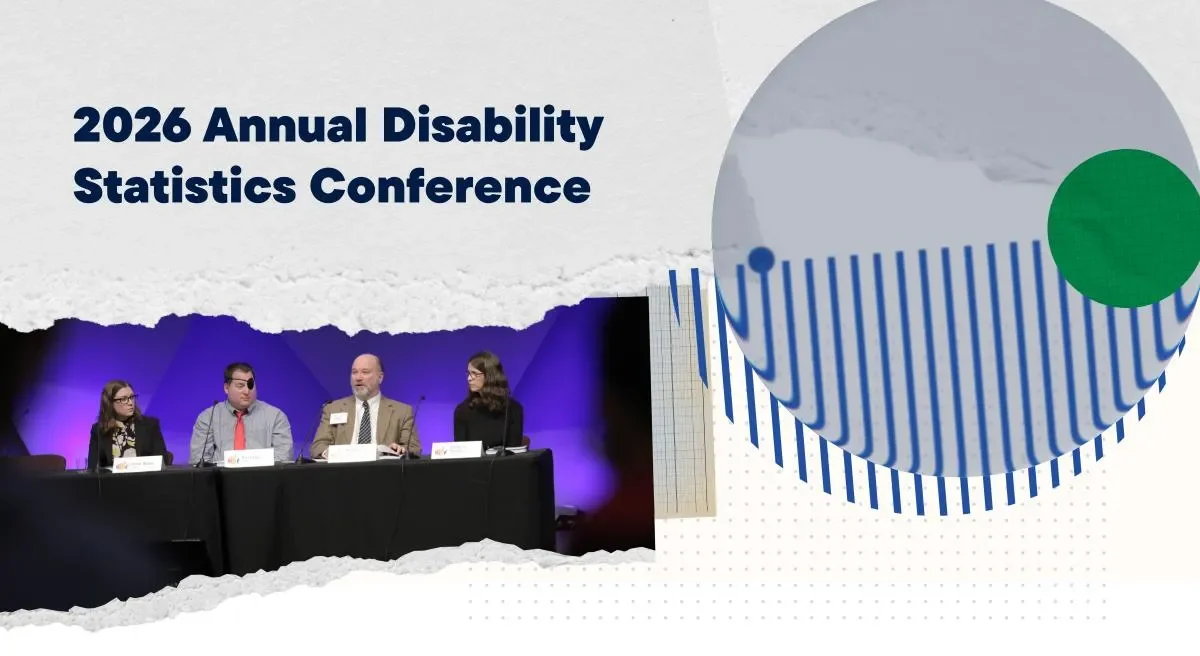
Event Announcement
March 18, Washington DC & Online
The Annual Disability Statistics Conference (ADSC) brings together policymakers, researchers, and advocates to explore the latest disability data and its role in shaping better outcomes for people and communities.
NORD’s Network Grows
National Organization for Rare Disorders (NORD)
NORD’s growing network, now 46 institutions strong, represents a coordinated nationwide effort to strengthen rare disease care and research collaboration
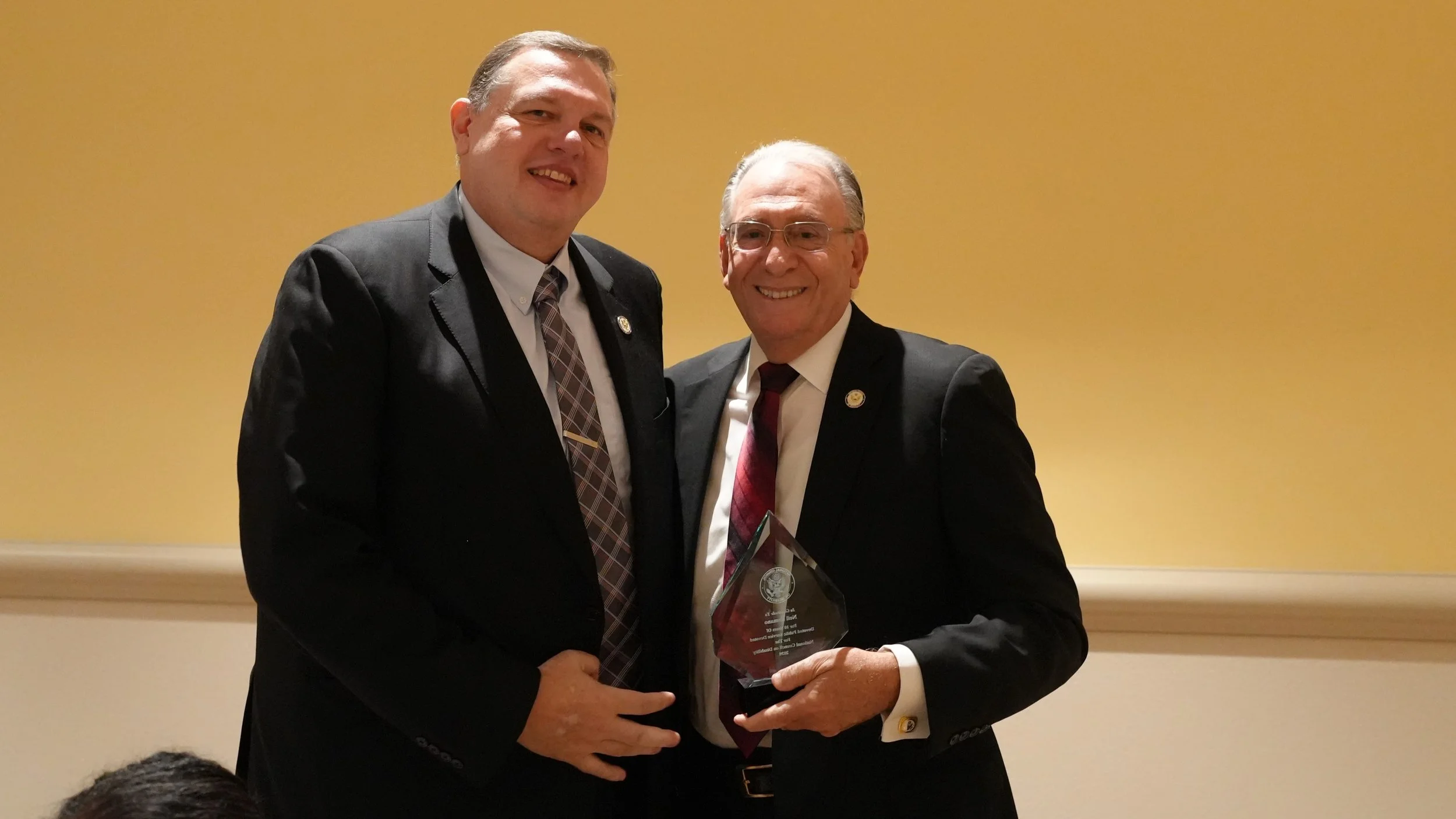
NCD Recognizes Neil Romano
The National Council on Disability
NCD recognized Councilmember and former Chairman Neil Romano during their January 23rd meeting in Orlando, Florida.
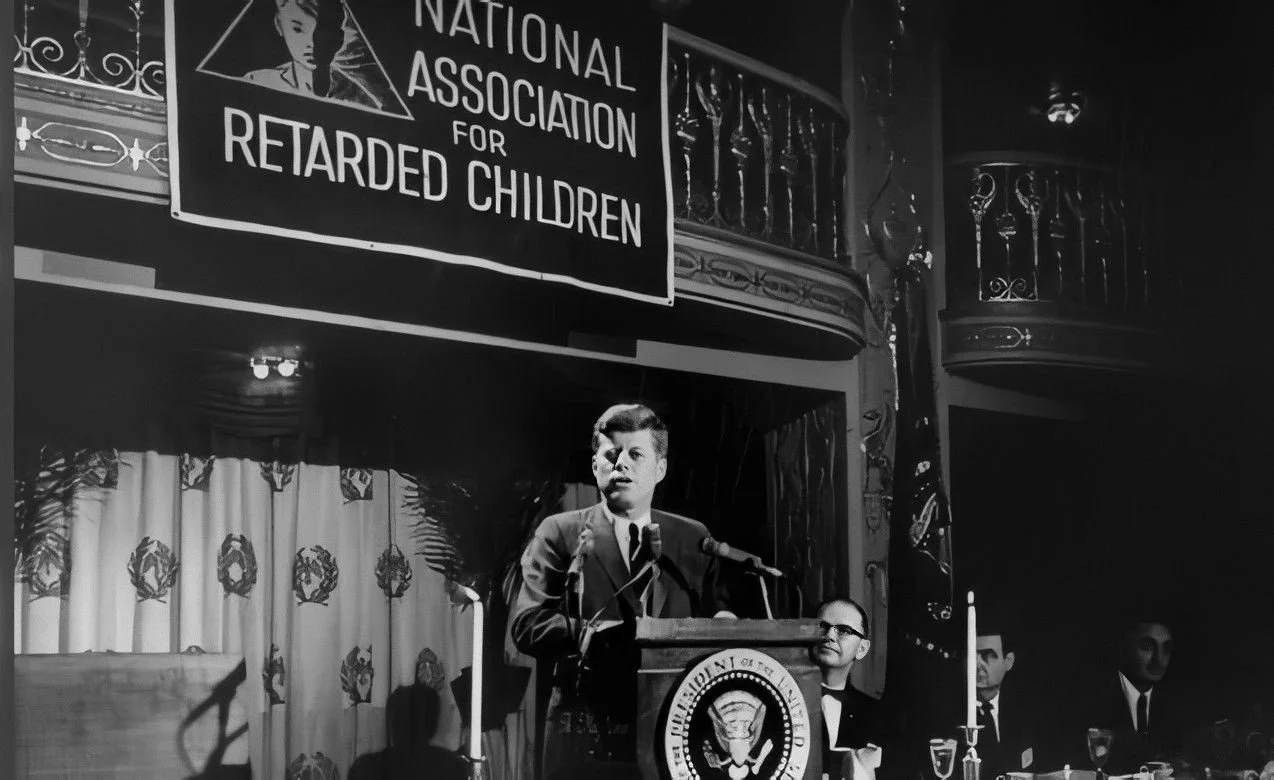
Key Issues
John F. Kennedy
Statement by the President on the Need for a National Program To Combat Mental Retardation. Online by Gerhard Peters and John T. Woolley, The American Presidency Project.

From the Stacks
A Round-up of Journals Published Around the World
An Adult Autism Training for Resident Physicians, Sight Restored to People Blinded in Eye Accidents, Informed Consent, and more.
From Our Friends
Alone we can do so little; Together we can do so much.
ADHD Drugs May Work Differently Than Scientists Once Thought, Alzheimer’s Disease & Down Syndrome, Empowering People In Making Their Own Choices, and more.