
Sharing Their Stories:
A New Conversation with an Old Friend
Hannah Bentz, Simonne McCants, and Rebecca Weston
Simonne and Hannah have been close friends for years. Like many long-standing friendships, theirs was built on shared experiences, routines, and an easy sense of familiarity. But when a nursing school assignment asked Simonne to formally interview someone about their disability story, both women realized there were parts of Hannah’s life they had never fully talked about. What began as a course requirement became an unexpected opportunity for two old friends to listen more closely and learn something new.
This article shares Hannah’s story as reflected through a guided conversation between friends. It explores what can happen when disability conversations take place within trusted relationships and highlights how intentional dialogue between friends, family members, caregivers, or healthcare professionals can deepen understanding and support more collaborative care.
The conversation took place as part of Exploring Disability in Healthcare, an undergraduate nursing course at the University of Maryland School of Nursing, where guided interviews are used to support learning directly from lived experience rather than relying solely on textbooks or case studies. One central assignment invites students to interview a friend, family member, patient, or community member who is willing to share their disability story. Often, these conversations open doors that had never been intentionally opened before.
Hannah’s Story
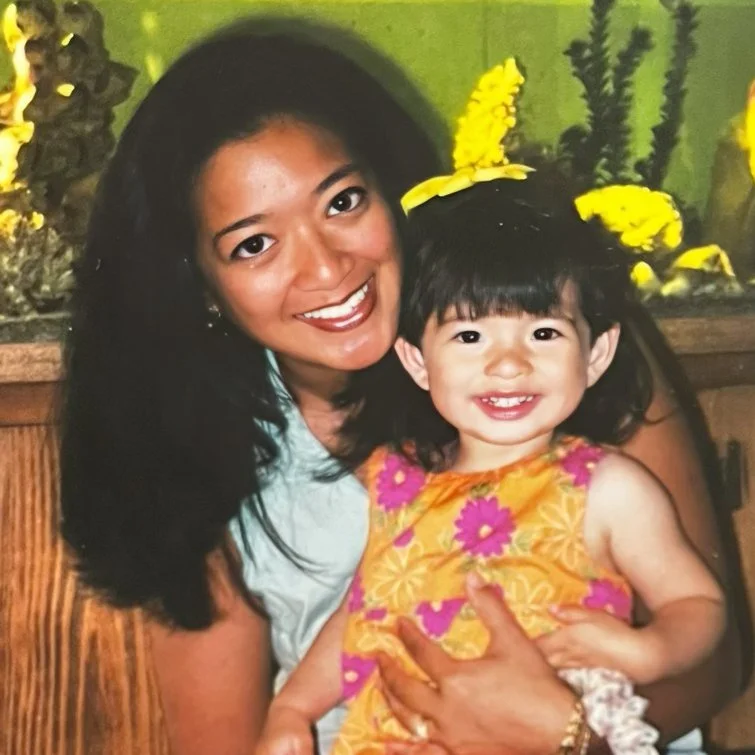
When Simonne asked Hannah to share her story, Hannah spoke about living with mild cerebral palsy, specifically right hemiplegia, which affects the right side of her body. This resulted from a stroke she experienced in utero due to a lack of oxygen to her brain before birth. Because the left side of the brain controls movement and sensation on the right side of the body, Hannah has always had reduced strength, sensation, and dexterity in her right arm, hand, and leg. The muscles and bones on that side developed differently, limiting her range of motion. She naturally holds her right arm close to her body in a way she describes as “looking different” from how other people hold their arms.
Hannah was not diagnosed immediately. Her cerebral palsy was confirmed between six and eight months of age, when differences in movement became more apparent. She began physical therapy, participated in early intervention programs, and wore a foot brace. She learned to walk shortly after turning one year old. Early on, doctors told her parents that she would likely never run, swim, or ride a bike. Hannah has since accomplished all of these things, challenging those early expectations.
Hearing some of these details for the first time shifted how Simonne understood not only Hannah’s disability, but also their friendship.
Learning Through Friendship
Although Simonne had known Hannah for years and often helped her with tasks such as fastening jewelry or cutting her nails, she had never heard the full story of Hannah’s early life. Listening to Hannah describe childhood experiences of shame, insecurity, and being teased helped her recognize that disability is not only physical. It can also shape confidence, self-image, and identity.
Hannah shared that as a child, she rarely advocated for herself because she wanted to appear independent and avoid drawing attention. She often relied on self-deprecating humor as a way to cope. Over time, Hannah learned to embrace her disability and came to understand that asking for help is not a weakness. Today, she feels confident speaking up for her needs and accepting herself as she is.
Healthcare Experiences
Hannah described her healthcare experiences as largely positive. From childhood into adulthood, providers generally communicated respectfully, offered clear explanations, and supported her goals. She appreciated clinicians who focused on what she could do rather than emphasizing limitations.
She contrasted these experiences with everyday challenges such as fastening jewelry, cutting her fingernails, carrying multiple items, or driving. Driving was especially difficult until she had a steering knob installed. Without it, her right hand would slip while turning the wheel, making steering unsafe. She visited a specialized facility to have her car approved for adaptive equipment, and supportive healthcare and occupational therapy interventions played an important role in helping her maintain independence.
When asked what healthcare providers can do to improve care for people with disabilities, Hannah emphasized patience, consistency, and avoiding assumptions. She noted that visible differences do not always reflect ability and that asking patients directly about what they can or cannot do makes a meaningful difference. She also stressed the importance of empowering young patients to understand and advocate for their own needs, reflecting on how supportive providers helped build her confidence over time.
Reflections Moving Forward
For Simonne, this conversation reshaped how she thinks about caring for others. It served as a reminder that even people we know well still have stories we may not fully understand. Rather than assuming needs or abilities, taking time to listen creates space for trust and collaboration. This experience reinforced the value of approaching both care and relationships with curiosity and respect.

Hannah shared that when Simonne first asked to conduct the interview, she felt comfortable and open to the conversation. Being asked thoughtful, nonjudgmental questions allowed her to reflect on experiences she does not often articulate, even with people she knows well. Although she has faced challenges related to her disability since early childhood and continues to encounter them as an adult, she does not see cerebral palsy as defining who she is.
Today, Hannah works as a kindergarten teacher and advocates for students both with and without disabilities.
She spoke with pride about the personal growth it took to reach a place of self-acceptance, noting that this understanding developed gradually over many years. She emphasized that hardship does not determine a person’s potential and that persistence, support, and opportunity play a critical role in shaping outcomes.
Hannah reflected that sharing her story within a trusted relationship made the experience feel meaningful rather than performative. She hoped that conversations like this one might encourage others to move beyond assumptions, recognize both challenges and strengths, and approach disability with openness and respect.

Hannah Bentz is a fifth-year kindergarten teacher in Montgomery County Public Schools with a bachelor’s degree in Early Childhood Education. Growing up with mild cerebral palsy has shaped her perspective as an educator and strengthened her commitment to helping all students feel capable and supported. She encourages her students to believe in themselves, persist through challenges, and work toward their goals.

Simonne McCants earned her Bachelor of Science in Nursing from the University of Maryland School of Nursing and works in neonatal intensive care. She is passionate about advocating for patients and families impacted by intellectual and physical disabilities. Simonne is committed to supporting patients, families, and colleagues through inclusive, compassionate nursing care.

Dr. Rebecca Weston is an assistant professor at the University of Maryland School of Nursing. She holds a Doctor of Education in Developmental Education specializing in Curriculum and Instruction Design, is a Certified Nurse Educator, and is Vice President of the Alliance for Disability in Healthcare Education. Dr. Weston uses her expertise in increasing student engagement and interprofessional collaboration to help improve disability care and advocacy among healthcare students.