
Inclusivity on Valentine’s Day
Elena Saldago
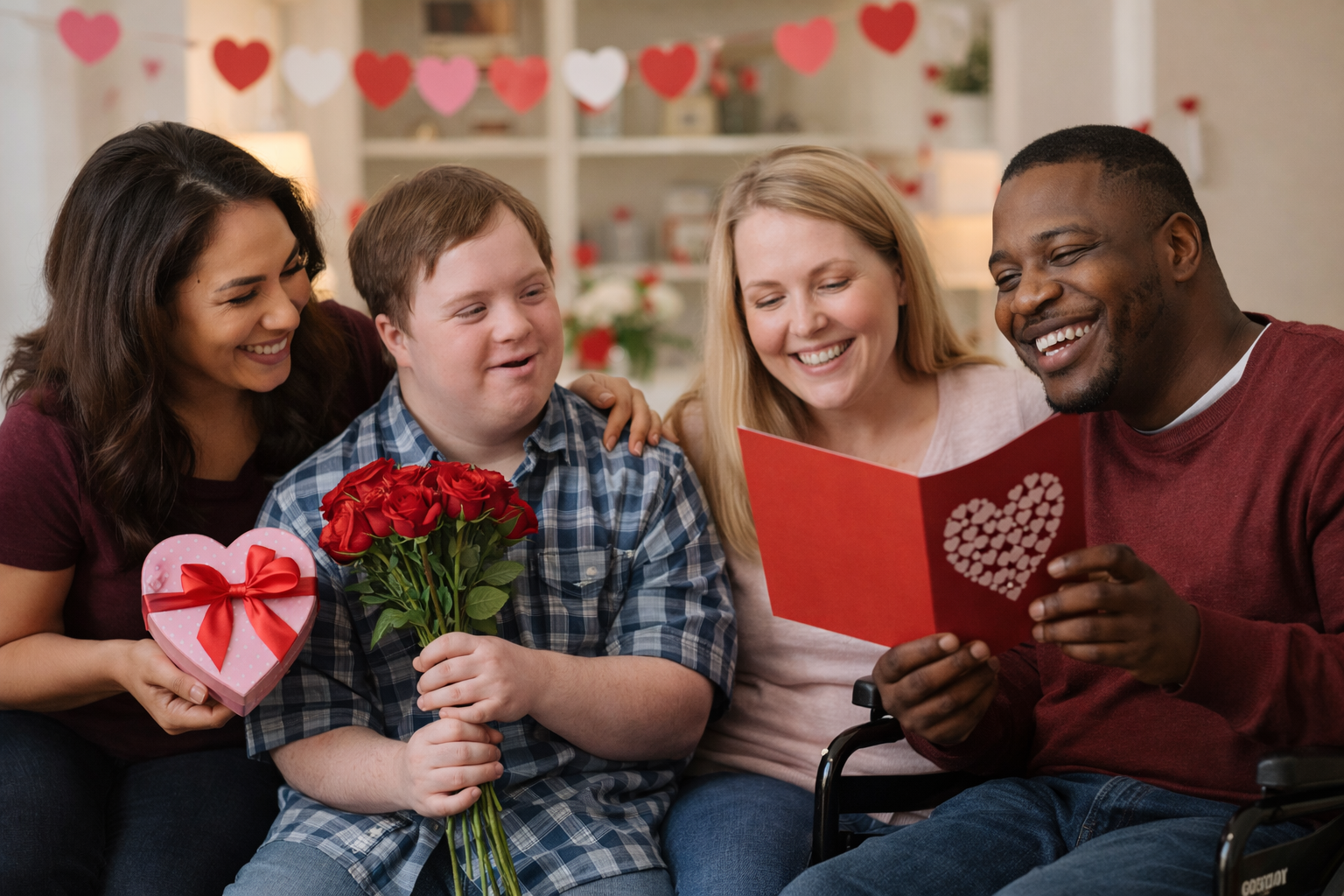
Valentine’s Day: a beloved celebration by many, a distressing day for some, a marketable capitalist holiday for all. Yet even those who find themselves miserable during the day enjoy the pastel colors, hearts, flowers, and chocolates or sweets that come along throughout the month. However, this year I have approached the holiday from a different perspective, which is mainly due to working at an organization that serves adults and children with disabilities. I have realized there are stigmas that affect a large group of people that I have been turning a blind eye to.
Like most everything else in life, people with disabilities (PWD) experience a stigma during Valentine’s Day. PWD face a tougher time seeking love, affection, and sexual fulfillment due to discrimination and expectations enforced upon them (Martino, 2024). This is often reinforced by stereotypes that believe PWD, particularly those with intellectual disabilities or developmental delays, are incapable of comprehending intimacy and the complexities of relationships, whether platonic or romantic. The belief is that PWD lack sexual desires, romantic desires, and thus are incapable of making astute decisions regarding their intimate lives (Dary et al., 2010). Furthermore, there is a lack of comprehensive and accessible sex education for PWD, creating discomfort and unpreparedness, further increasing the belief of the aforementioned stereotype. This is all caused by ableism, which leads to patronizing and condescending attitudes that normalize the undermining of autonomy, increase infantilization, and contribute to a broader narrative.
How does all of this relate to Valentine’s Day? The holiday brings a period saturated by conversations of sex, love, intimacy, and connections, which underscores the significance of making sure everyone feels seen and included (Martino, 2024). Therefore, recognizing the challenges PWD face is a powerful effort to highlight the idea of normalizing the topic and increasing inclusivity. The Developmental Disabilities Association (DDA) stated love and affection can be expressed and celebrated in different ways and by all, regardless of ability. So, this year I encourage all to acknowledge these challenges and redefine the celebrations to include a more person-centered focus!
About the Author
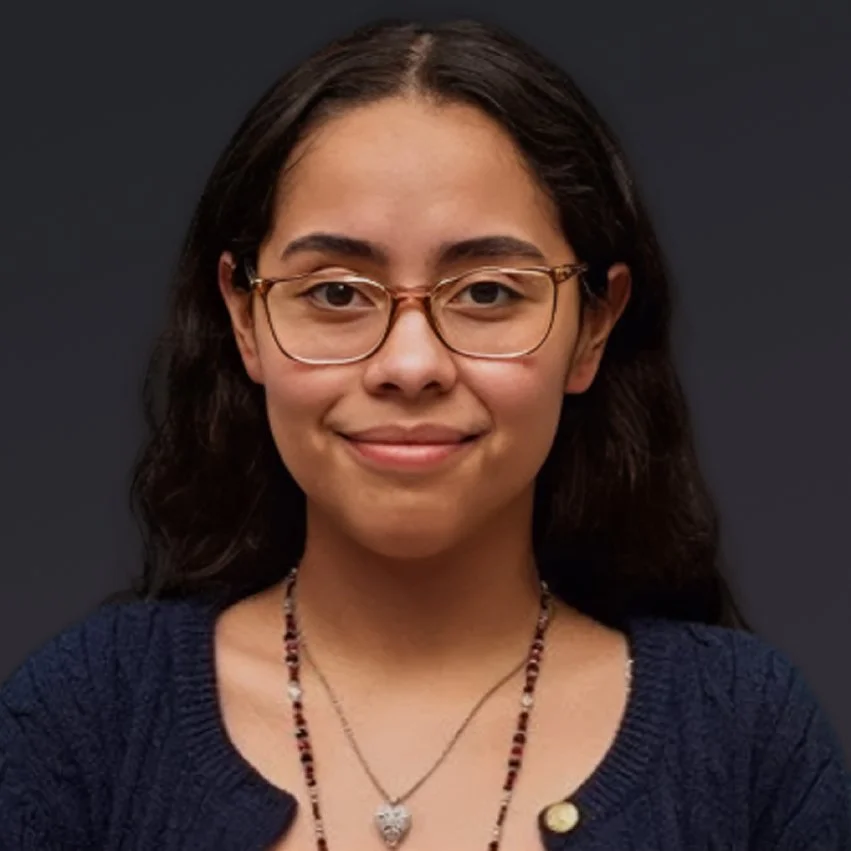
Elena Saldago immigrated from Honduras to the United States at the age of nine. From a young age, it has been her ultimate ambition to be the best in every academic setting. She has been admitted to prestigious societies such as Phi Theta Kappa, the Alpha Society of UTC, and Honor programs because of her high grades and research efforts. She recently graduated with the highest honors from the University of Tennessee of Chattanooga. She is using her BS in psychology to work in a non-profit as a coordinator for the Family Support Program. She intends to continue her education by earning a Master’s degree and then a Doctorate. Her goal is to work as a neuropsychologist and contribute consistently to psychological research.