
North Carolina Special Care Dentistry
A National Model for People with Special Health Care Needs
Dr. Bill Milner, D.D.S., M.P.H., Ms. Betsy Lee White, RDH, BS, FSCDH, FADHA, Joshua Walker, DMD, Julie Shore
In the 1990s, the term Special Care Dentistry was not widely recognized. Yet leaders of the North Carolina Dental Society (NCDS) foresaw a looming crisis: the state’s rapidly growing population of frail elders and the deinstitutionalization of individuals with intellectual and developmental disabilities (I/DD) were straining already limited community resources. Few dental professionals had the training, facilities, or equipment to serve these patients.
The 1990 Americans with Disabilities Act (ADA) and the landmark 1999 Supreme Court case Olmstead v. L.C. created a framework for people with disabilities to live in community settings rather than institutions. While these changes have advanced inclusion, they also exposed profound service gaps. Group home administrators and caregivers often faced impossible choices: pediatric dentists aged their patients out, UNC Chapel Hill’s dental school referral list stretched for months, and hospital operating rooms were difficult to access for routine dental care.
Dentists themselves were unprepared. Training in special care was nearly nonexistent, most private practices were physically inaccessible, and the risks of treating patients with complex needs were poorly defined. Meeting this challenge required innovation. New portable dental equipment had to be designed, facility communication systems developed, and care models tested. Advocacy groups, the NC Board of Dental Examiners, and malpractice carriers all contributed to establishing standards and protecting providers willing to serve this population.
Building a Different Kind of Dental Model
The solution that emerged was a nonprofit delivery system supported by foundation capital, modest retainer fees from facilities, and fee-for-service reimbursements. This represented a sharp departure from traditional practice models but proved to be the only sustainable way to reach patients excluded from mainstream dentistry.
Apple Tree Dental in Minnesota had pioneered a similar approach. Working with founder and CEO Mike Helgeson, Dr. Bill Milner, Dr. Ford Grant, and Betsy Lee White launched a pilot project with Carolinas Healthcare System in 1997. Dr. Grant operated Carolinas Mobile Dental (CMD), while Dr. Milner and White founded a separate nonprofit, Access Dental Care (ADC), in 2000. These sister programs became the backbone of North Carolina’s nonprofit special care dentistry model. In 2015, CMD merged with ADC, creating a unified statewide system.
Their concept was both simple and groundbreaking: bringing comprehensive, high-quality dental care directly on-site to skilled nursing facilities, group homes, and Programs of All-Inclusive Care for the Elderly (PACE), ensuring the same quality of care available in community dental offices.
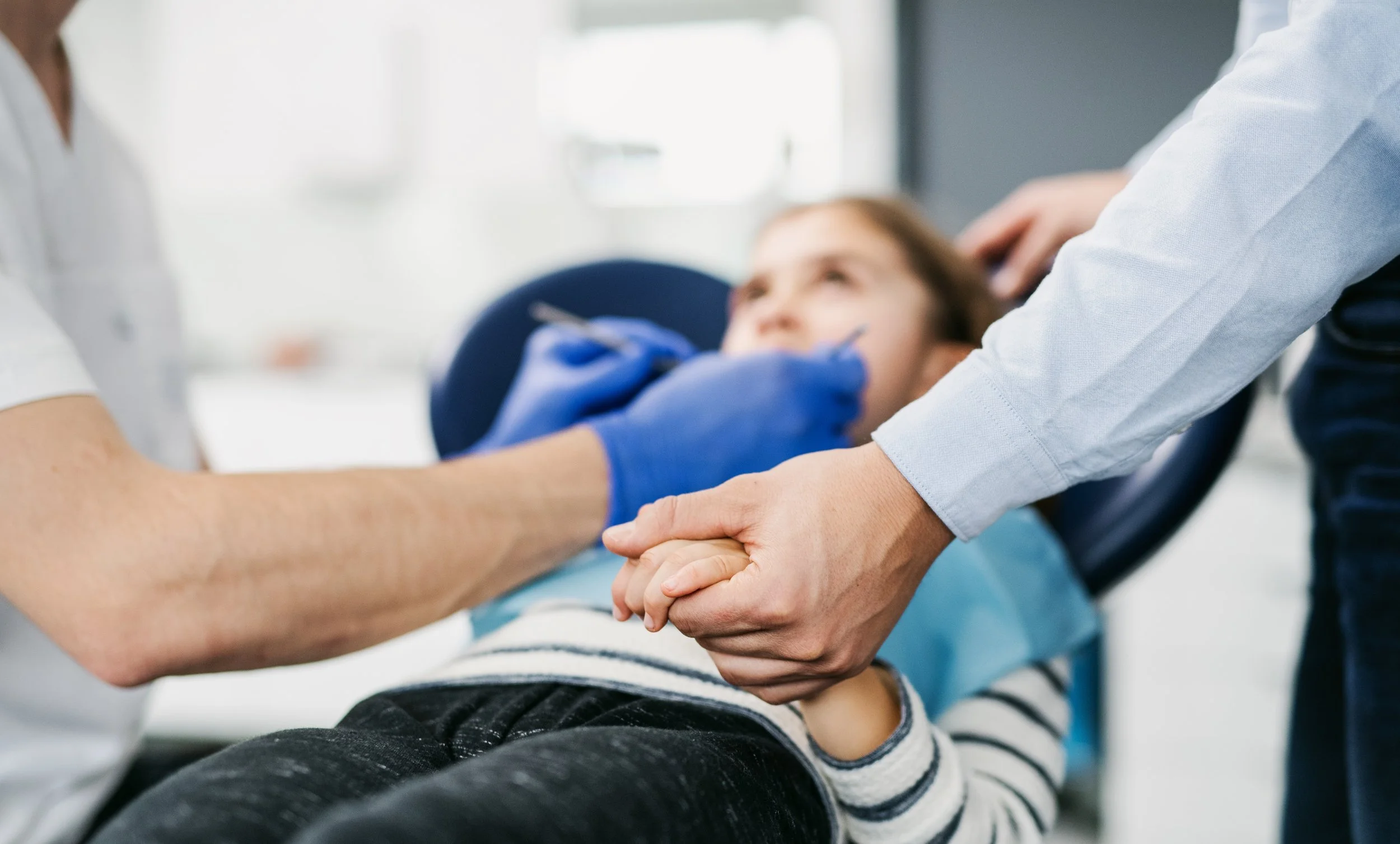
Today, five ADC teams—soon to be seven—cover every region of North Carolina. Each team serves 25–30 facilities within a 90-minute radius. Using a portable two-chair operatory that can be set up in 20 minutes, a dentist, hygienist, and two assistants treat 15–18 patients per day, supported by facility staff who help coordinate patient flow.
A Growing Need
The demand for special care dentistry is rapidly increasing. North Carolina’s older adult population is projected to double over the next 20 years, with the 85+ age group alone growing by 114%. Brunswick County illustrates the trend: nearly 35% of its population is already over 65, and by 2031, older adults will outnumber children under 18 (NC Office of State Budget and Management).
For individuals with I/DD, barriers are even more complex. Guardianship requirements, inadequate provider compensation, extended chair times, and a lack of accessible offices remain common obstacles. National reports—including the 2005 Right to Health from the National Council on Disability and its 2023 briefing to the U.S. President—highlight how oral health continues to be overlooked in the broader healthcare system. Even when physical access is available, inadequate professional training often limits effective care. Most dental schools still provide limited education in special care dentistry, in part because they lack sufficient faculty trained in this area, which contributes to ongoing workforce shortages.
Access Dental Care at 25 Years
This year marks the 25th anniversary of Access Dental Care, a nonprofit program born out of NCDS vision and support. Today, ADC serves more than 200 nursing homes, I/DD group homes, PACE programs, a New Hanover County 55+ community clinic, a Cone Health HIV/AIDS clinic, and two fixed-site community clinics. Altogether, ADC delivers care to over 10,000 patients, providing comprehensive, routine dentistry on par with private practices.
Five mobile teams—each staffed by a dentist, hygienist, and two assistants—cover the state from Murphy to Morehead City and Wilmington to Blowing Rock. ADC now provides care to two-thirds of North Carolina’s intermediate care (ICF) group home residents and offers operating room services in five hospitals for patients with the most profound I/DD needs.
This is no small enterprise. A $5 million annual budget supports daily mobile operations. Every weekday, teams unload two portable operatories from a 16-foot box truck (not a Winnebago), move them into a facility, treat 15–18 patients, and return to their Asheboro home base. Each team uses three laptops for on-site X-rays, electronic charting, and real-time communication with the administrative office. Collaboration with facility medical teams and access to patients’ electronic health records further strengthens care.
Patients, families, and facility staff consistently express appreciation for on-site care and 24/7 emergency responsiveness. Unlike traditional referrals—where local providers often lack the training or environment to treat these patients safely, ADC brings expertise directly to the point of need. Two full-time social workers further support communication among facilities, guardians, and families, addressing complex issues such as consent, scheduling, and follow-up.
Maintaining custom trucks and mobile operatories has required decades of trial and error, ultimately resulting in a state-of-the-art system now marketed nationwide. Revenue from equipment sales and consulting supports ADC’s broader mission, which also includes education, advocacy, and workforce development. Education initiatives are cultivating a pipeline of providers trained in special care, while advocacy efforts are influencing how services are funded and integrated into the healthcare system.
As one of the nation’s largest special-care-only dental programs, Access Dental Care is poised to double in size in the coming years, with plans to add six fixed clinics for patients living in community settings.
Looking Ahead
By 2030, ADC envisions:
Ten mobile dental teams serving every North Carolina facility within one hour’s drive, enabling clinics every four to six weeks and providing 24/7 local emergency coverage.
Six fixed-site clinics for patients living independently or with family.
From its beginnings as an experimental model to its current role as the largest dedicated special care dentistry program in the United States, Access Dental Care demonstrates how organized dentistry can lead in serving vulnerable populations. What started as a North Carolina innovation has become a national model—one that continues to expand, inspire, and transform how oral health is delivered for people with special healthcare needs.
Access Dental Care is MUCH more than Dentistry.
We’re looking for dedicated dentists, hygienists, and assistants who want more than a job—they want impact.
At Access Dental Care, dentistry is about more than teeth—it’s about restoring dignity, comfort, and joy to those who might otherwise go without care. For over 25 years, our nationally recognized mobile model has delivered high-quality, compassionate dental services directly to individuals with intellectual and developmental disabilities, older adults in long-term care, and patients in the community facing barriers to traditional offices.
Our providers often describe this work as the most rewarding chapter of their careers, a place to practice dentistry with heart, free from the pressures of production. Every patient encounter is meaningful, allowing you to make a real difference in someone’s life. We witness the profound impact of your care, see gratitude firsthand, and grow both professionally and personally.
We know great care starts with a great team—and a great team starts with a great you. At Access Dental Care you are recognized and rewarded with:
Built-in flexibility to balance work and life.
Supportive colleagues who collaborate and uplift each other.
Competitive pay and exceptional benefits
Professional growth opportunities and continuing education
A mission that pulses with Purpose
If you’re ready to reignite your passion, create meaningful patient experiences, and join a team that truly has your back, Access Dental Care is the place for you. Together, we can change lives—one smile at a time.
Rediscover why you chose dentistry at AccessDentalCare.org.
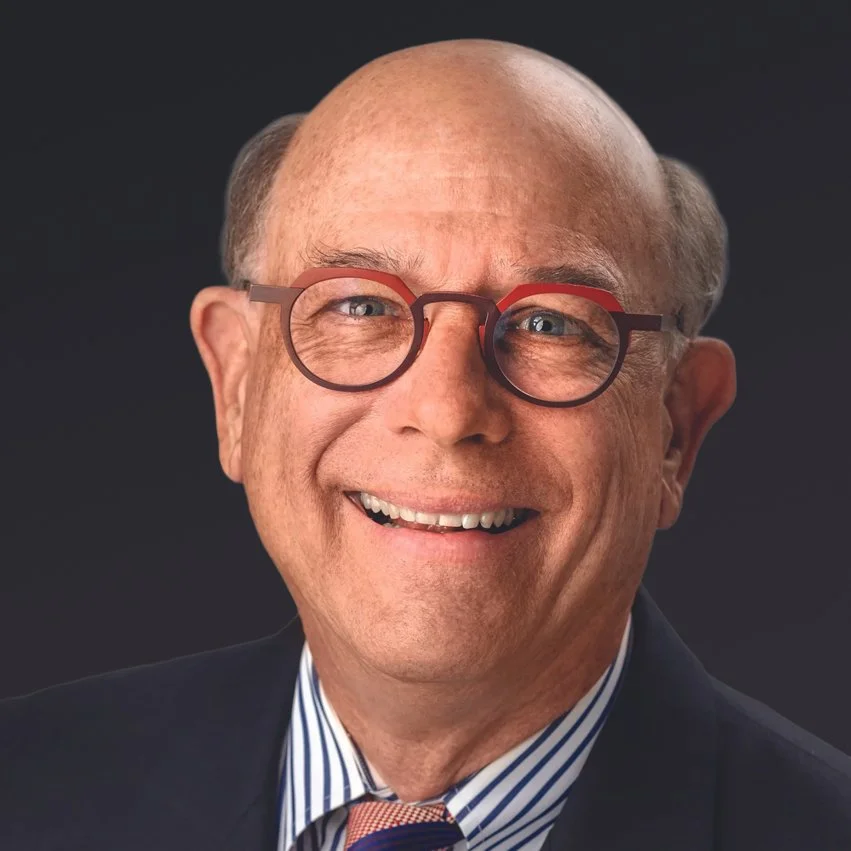
Dr. Bill Milner, D.D.S., M.P.H. earned his dental degree from Baylor College of Dentistry and his M.P.H. from UNC School of Public Health. Founder and president of Access Dental Care (2000), he has dedicated over 30 years to improving care for individuals with disabilities. His program now serves more than 200 facilities statewide, including nursing homes, group homes, PACE centers, an HIV program, and community older adult services. A national leader, author, and lecturer, Dr. Milner received the 2023 ADA Humanitarian Award and has chaired the NC Dental Society’s Special Care Committee since 1985.
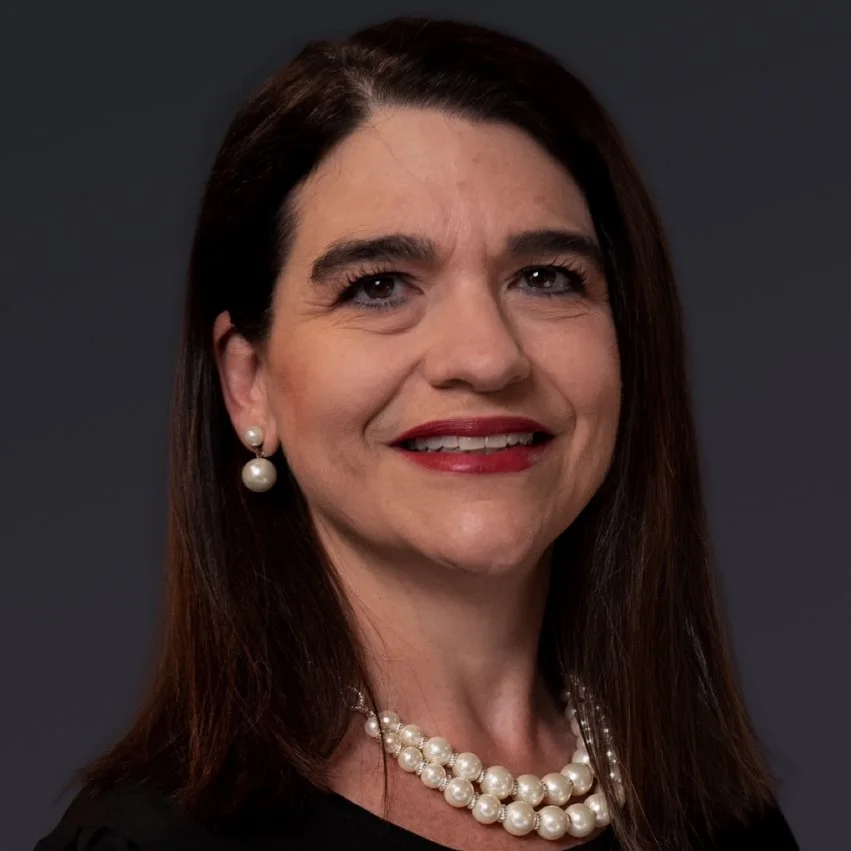
Ms. Betsy Lee White, RDH, BS, FSCDH, FADHA earned her AAS in dental hygiene from Guilford Technical Community College (1995) and her BS from UNC School of Dentistry (1997). A Fellow of the Special Care Dentistry Association and the American Dental Hygiene Association, she co-founded Access Dental Care (2000), now serving 200+ nursing facilities, group homes, PACE programs, an HIV/AIDS center, and community programs for older adults. Betsy has received the Sarah Bradshaw Award and the 2023 Holly Riddle Distinguished Service Award and currently consults with states developing mobile dental programs.
Joshua Walker, DMD is a Catholic, husband, Eagle Scout, and special care dentist with Access Dental Care. He started his career in dentistry as a dental assistant with Access Dental Care prior to attending East Carolina University School of Dental Medicine. As a dental student he served as a student trustee for the North Carolina Dental Society. He also conducted community-focused research as a North Carolina Schweitzer Fellow. Dr. Walker holds a Bachelor of Arts in Economics from the University of North Carolina at Chapel Hill where he completed research focused on dental utilization and unmet dental needs.
Julie Shore is a dedicated dental professional with nearly three decades of experience in patient care and team leadership. A 1995 graduate of Guilford Technical Community College, Julie spent 25 years working in private dental practice, where she built a strong foundation in clinical excellence and compassionate care. In 2020, she joined Access Dental Care as a clinical dental hygienist, bringing her expertise to serve patients with complex needs. Today, Julie serves as a Regional Director, where she supports and mentors dental teams, promotes high-quality care, and advances Access Dental Care’s mission across the communities it serves.