
Why DEI Efforts Are Essential
— and Why Removing Them Would Cause Harm
We are honored to submit this article to HELEN: The Journal of Human Exceptionality. Named in tribute to Helen Keller—who, despite being deaf‑blind, transcended historic barriers of disability, isolation, and prejudice—this journal embodies a commitment to amplifying voices long silenced. Keller’s teacher, Anne Sullivan, opened doors of communication, dignity, and societal inclusion. Their shared legacy reflects the foundational principles of DEI: ensuring every human being is valued, heard, and supported.
Across the country, conversations about Diversity, Equity, and Inclusion (DEI) have become increasingly polarized. Yet for those who work in healthcare, developmental medicine, neurology, aging, and disability advocacy, DEI is not political, it is a continuation of a long civil rights struggle. For people with intellectual and developmental disabilities (IDD), DEI represents the modern extension of a fight that has lasted generations: the fight to be seen, valued, included, and respected as full members of society.
DEI challenges organizations to recognize differences in background, identity, lived experience, communication style, and ability. It pushes systems to remove historic barriers to care and participation. It builds environments where every individual has a fair chance to thrive. These ideals are essential in medicine, where inequities have persisted for decades.
This work echoes the larger history of civil rights in America. For people with disabilities, the struggle for equality led to decades of advocacy, including national protests, sit‑ins, demonstrations, and public testimonies that culminated in the Americans with Disabilities Act (ADA) of 1990. The ADA emerged from extraordinary courage—from parents demanding educational inclusion; from adults with disabilities crawling up the steps of the U.S. Capitol to expose injustice; from advocates insisting that disability rights are civil rights. The ADA affirmed a fundamental truth: people with disabilities are entitled to full participation, access, and equality as citizens.
DEI today is an extension of that same legacy. While the ADA established legal protections, DEI ensures these protections become lived reality through equitable clinical practice, inclusive research, culturally competent communication, and representation within leadership structures.
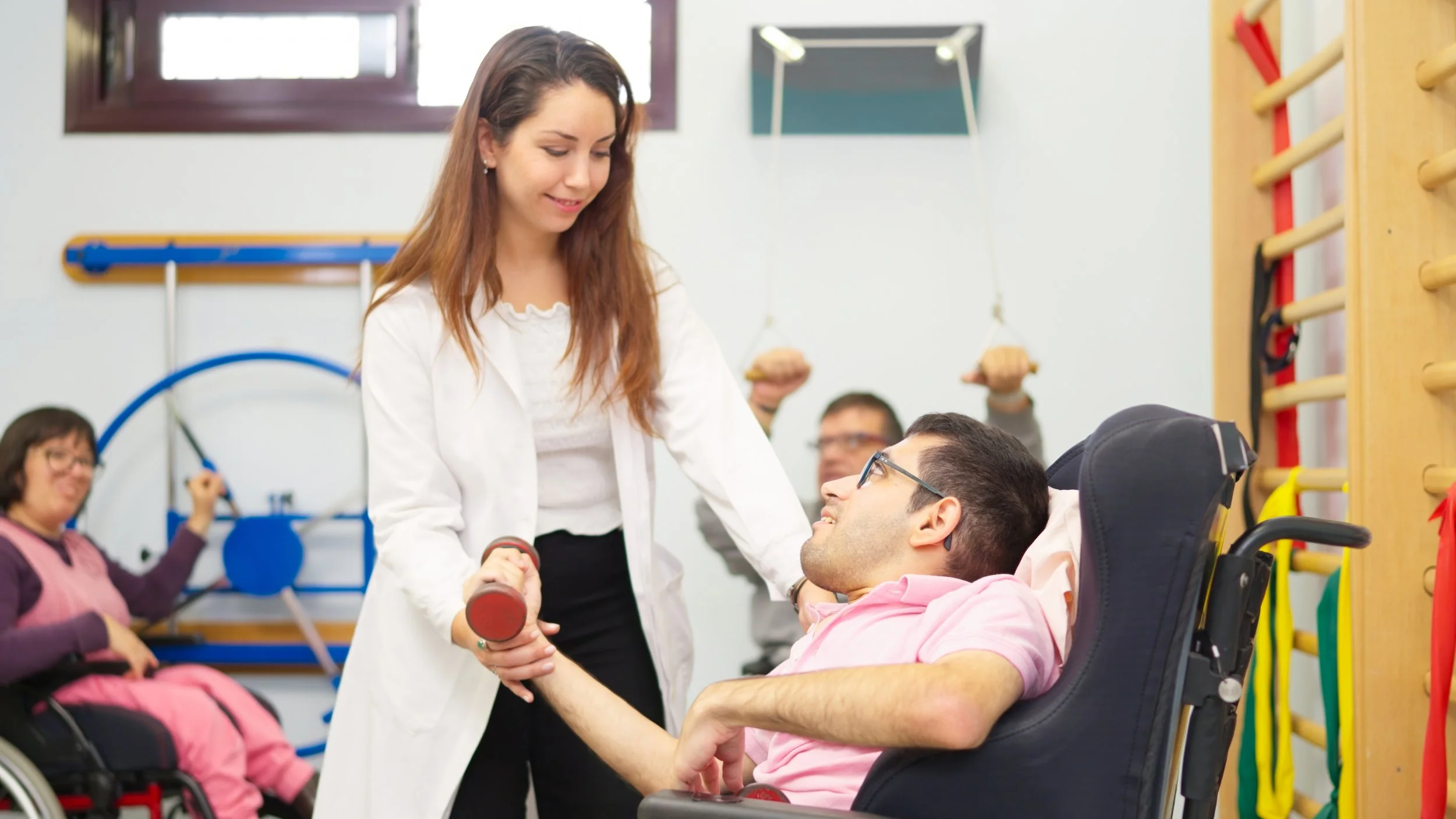
For individuals with IDD, the stakes of inclusion could not be clearer. People with IDD have historically been excluded from research, misdiagnosed due to diagnostic overshadowing, dismissed in clinical settings, and denied appropriate supports. Adults with Down syndrome—at elevated risk for early-onset Alzheimer’s disease—are still too often diagnosed late. Communication differences can create additional vulnerability. DEI provides clinicians and health systems with the tools needed to correct these structural inequities.
Organizations like the American Academy of Developmental Medicine & Dentistry (AADMD) play an essential leadership role. The AADMD’s mission—to advance equitable healthcare for individuals with IDD—is inseparable from DEI. Its interdisciplinary structure thrives on diversity: physicians, dentists, nurses, allied health professionals, direct support workers, families, and self-advocates all contribute their perspectives. Removing DEI commitments would distance the organization from the values that shaped both the disability rights movement and the ADA. It would diminish its influence, credibility, and moral authority.
Eliminating DEI does not create neutrality. It reinforces inequitable defaults. Health disparities widen; research populations become less representative; communities lose trust; and individuals with disabilities become further marginalized. Such regression is counter to the civil rights ethos upon which modern disability advocacy is built.
DEI honors the unfinished work of past generations. It affirms that health equity is civil rights. And it strengthens the moral responsibility of healthcare leaders and systems to confront inequity wherever it persists. We cannot retreat from DEI—not when disparities continue to shape health outcomes, not when individuals with IDD still face barriers the ADA alone could not dismantle, and not when inclusion remains essential to human dignity.
About the Authors

Seth M. Keller, MD, Past President of the American Academy of Developmental Medicine & Dentistry (AADMD), and by Doreen Bestolarides. As co-authors, we write together with a shared commitment to advancing the rights and dignity of individuals with intellectual and developmental disabilities. Dr. Keller, deeply involved since the organization's early formation, brings decades of leadership and advocacy experience.
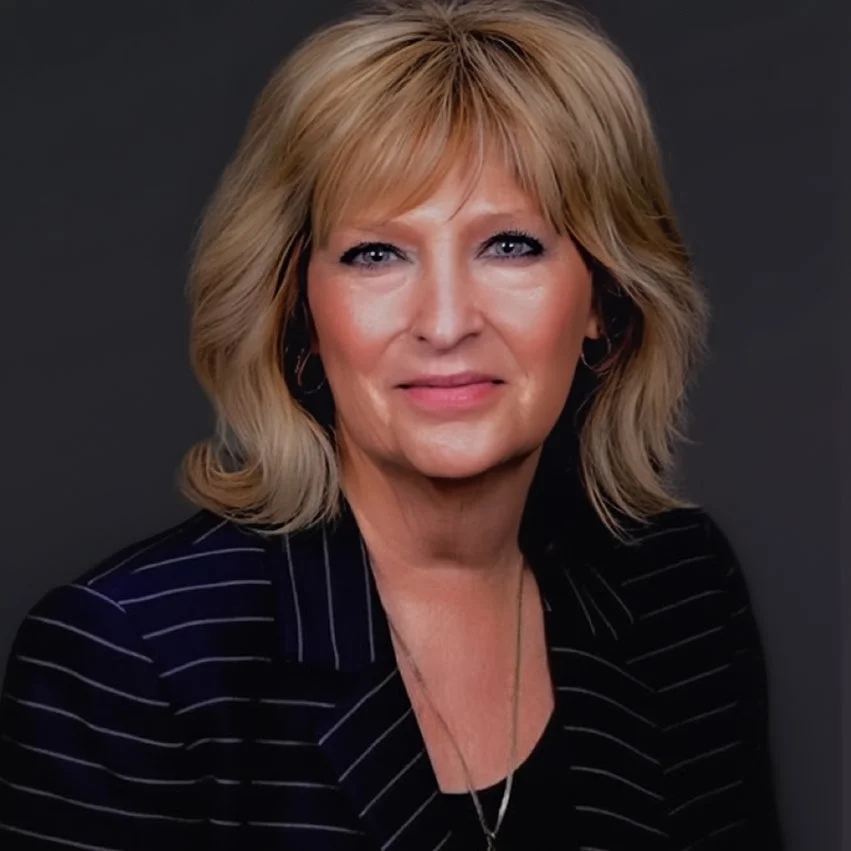
Doreen Bestolarides, RN brings more than three decades of hospital nursing experience, including roles in critical care, developmental disability health, and family support advocacy. She has dedicated her career to improving healthcare for individuals with intellectual and developmental disabilities and currently serves on the Executive Board of the American Academy of Developmental Medicine & Dentistry (AADMD). Her public professional presence reflects meaningful advocacy, care coordination, and a deep commitment to IDD health equity.