
A day in the life of a Family Support Coordinator
Elena Saldago
The Tennessee Family Support Program (FSP) is a grant program focusing on providing funds to help Tennessee residents with severe or life-long disabilities that result in permanent and significant limitations in their daily lives. FSP is more inclusive than other programs since we help individuals of all ages and income levels. We also serve people with a multitude of different disabilities. FSP can help those with ALS, cerebral palsy, spinal cord injuries, Muscular Dystrophy, neurological disorders, intellectual and developmental disabilities, and much more.
Due to the diversity of our applicants, the program is quite popular. FSP is split up into three districts, and they each have assigned counties. Additionally, each district has their own host agencies: The Arc of Washington County, Greene County Skills (District One), Emory Valley Center, Scott Appalachian Industries (District Two), Orange Grove Center (District Three). Therefore, each center has its own way of doing things.

Personally, I have been a coordinator for over a year and have loved every second of it. The main reason is because there is no standard day for an FSP Coordinator. We deal with calls and meetings every day due to a never-ending supply of questions. We meet with individuals and families for many reasons, e.g., discussing paperwork, answering questions, explaining the program, and helping connect them to other resources. We also collaborate with other agencies, such as the Tennessee Early Intervention System (TEIS) and the Tennessee Department of Children’s Services (DCS), both receiving and making referrals as needed.
The diverse clientele also plays a role in the dynamic days of an FSP coordinator. While most of the people we help have common disabilities, we also have extreme cases we help with, like individuals going into hospice or terminal newborns. Additionally, we help cover a wide range of needs related to a person’s disability and improving quality of life, including medication, sensory items, specialized equipment, medical travel, transportation, appointments, home modifications, respite, and personal assistance, among others. One moment I may be helping a senior adult with spinal cord issues cover medical appointment costs, and the next I could be assisting a family with a two-year-old with autism in paying for ABA therapy.
Overall, there is never a normal day in FSP. The level of unpredictability often depends on where we are in the fiscal year. The beginning is utter bedlam with large amounts of paperwork and a surge of calls and emails from both reapplicants and new clients The middle tends to be more manageable, as coordinators settle into routines and workflows. Toward the end of the fiscal year, the pace picks up again as reapplications begin and new applicants enter the process.
For more information about applying to the program, visit the Tennessee Department of Disability and Aging.
About the Author
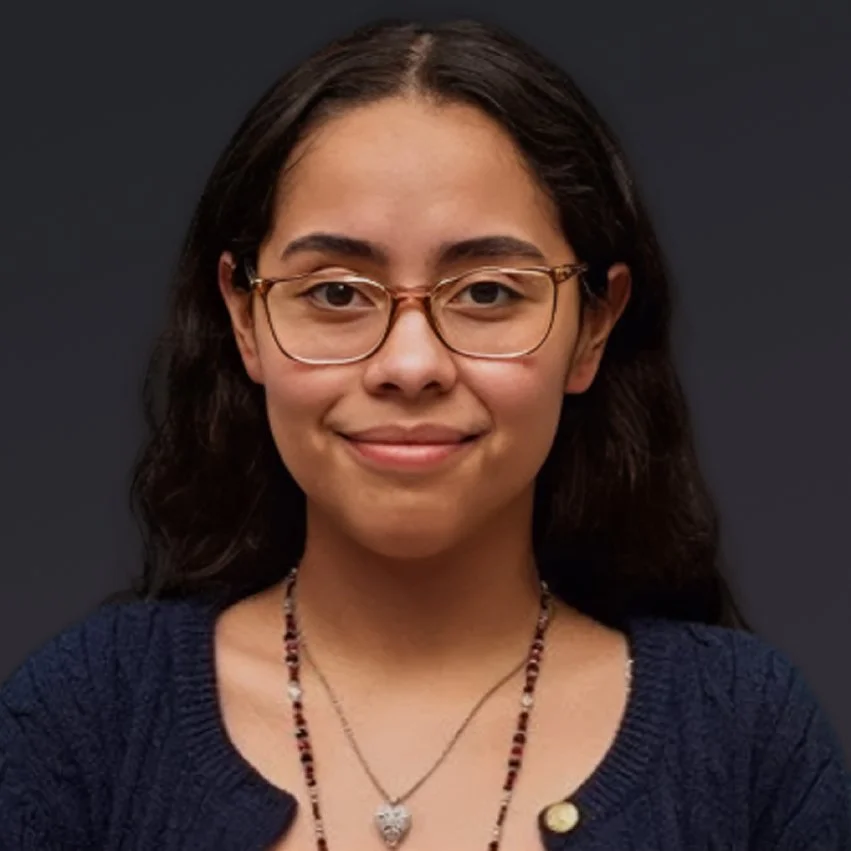
Elena Saldago immigrated from Honduras to the United States at the age of nine. From a young age, it has been her ultimate ambition to be the best in every academic setting. She has been admitted to prestigious societies such as Phi Theta Kappa, the Alpha Society of UTC, and Honor programs because of her high grades and research efforts. She recently graduated with the highest honors from the University of Tennessee of Chattanooga. She is using her BS in psychology to work in a non-profit as a coordinator for the Family Support Program. She intends to continue her education by earning a Master’s degree and then a Doctorate. Her goal is to work as a neuropsychologist and contribute consistently to psychological research.