
The Researcher I Became
A Self-Advocate’s Perspective on Meaningful Inclusion of Individuals with Down Syndrome as Research Team Members
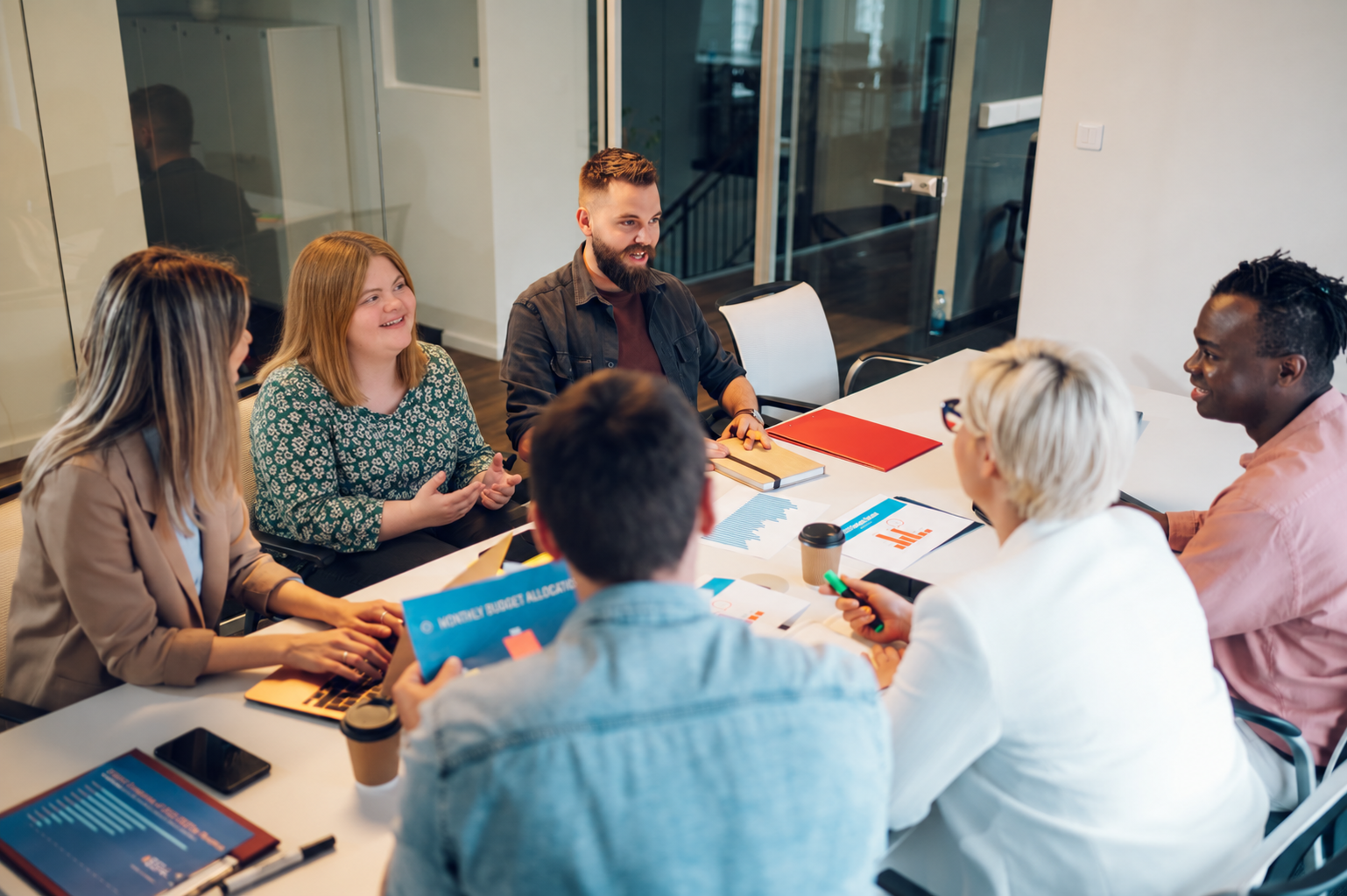
Researchers often include people with Down syndrome as study participants, but we are less often included as collaborators. My experience has shown that when individuals with Down syndrome are employed as research team members, they contribute unique perspectives that improve participant experiences, strengthen community engagement, and make research more inclusive. In this paper, I share my journey to becoming a researcher and describe lessons that may help research teams successfully include individuals with Down syndrome as valued members of their workforce.
Finding My Voice Through Self-Advocacy
My journey toward becoming a researcher began long before I entered the workplace. Growing up, my older brother taught me one of the most important lessons of my life: the importance of standing up for myself and for others. I was often bullied in school, and he was always there to defend me. Watching him advocate for me inspired me to become an advocate for others who needed support.
Even as a young child, I looked for opportunities to help classmates with disabilities. In elementary school, I volunteered to walk students to and from occupational therapy because I thought no one should have to walk alone. Although I sometimes needed help myself, I wanted to make others feel included and supported. These early experiences taught me that everyone benefits from having someone who believes in them.
During middle school, I became more confident speaking in front of others. I participated in school plays, musicals, choir, and track and field. One experience that particularly shaped me was becoming a host for our school broadcast. Speaking to the entire school helped me realize that my voice mattered. I also discovered that I enjoyed debate and public speaking, which helped me become more comfortable sharing my ideas.
High school provided even more opportunities to develop leadership skills. I served as manager for several athletic teams, became president of my school’s Best Buddies chapter, participated in Special Olympics Kansas, and served as a peer mentor for students with disabilities. Supporting classmates who needed assistance helped me recognize that individuals with Down syndrome can be leaders, mentors, and role models within their communities. Being recognized in the school yearbook as the first student with Down syndrome to serve as a peer mentor reinforced my confidence and strengthened my desire to help others.
Discovering Clinical Research
My first exposure to clinical research occurred while I was a participant in a healthy lifestyle study at the University of Kansas Medical Center. Through that study, I worked with a health coach who taught me practical strategies for healthy eating and physical activity. The experience showed me that research could positively impact people’s lives while also helping scientists learn how to improve health care.
At the time, I never imagined I would one day work with the same research team that had supported me as a participant. However, participating in research allowed me to see firsthand how researchers interact with participants and how important it is for participants to feel respected, welcomed, and understood.
Preparing for Employment
Like many young adults, I dreamed of attending college. I enrolled in the THRIVE (Transforming Health, Responsibility, Independence, Vocation, and Education) program at the University of Central Missouri, where I studied communication and public relations. Living independently and developing professional skills helped prepare me for future employment.
Near graduation, I learned about two employment opportunities through Down Syndrome Innovations. One position was with the University of Kansas Medical Center’s intellectual and developmental disabilities research program. I applied independently, interviewed with the research team, and was offered the position shortly after graduation.
Receiving that job changed my life.
My Role as a Research Team Member
As a program assistant and social media manager with CHIP-ID, I contribute to many aspects of our research program. My responsibilities include developing accessible social media content, creating health education materials, promoting research opportunities, participating in educational videos, co-hosting the CHIP Chat podcast, assisting with community outreach, and reviewing study materials to improve accessibility and readability for individuals with IDD and their families.
My lived experience provides insights that researchers without disabilities may not recognize. For example, I can identify language that may be confusing, suggest ways to make materials more welcoming, and recommend approaches that reduce participant anxiety. These contributions help make research more accessible and participant centered.
Community members often tell me they feel more comfortable learning about research when they see someone with Down syndrome representing the research team. My presence helps build trust because participants know that someone with shared experiences understands their concerns.
Supporting Participants During Research
One of my favorite responsibilities is serving as a study buddy during research visits for the Metabolic and Lifestyle in Down Syndrome (MET-DS) study. My role is simple but important: helping participants feel comfortable from the moment they arrive.
Many participants become nervous before procedures such as blood draws or cognitive testing. Because I have participated in research studies myself, I understand these feelings. I can reassure participants, answer questions from my own experience, and encourage them throughout the visit.
Recently, I also became involved in a new initiative within the Alzheimer’s Clinical Trials Consortium–Down Syndrome (ACTC-DS) that places trained and compensated individuals with Down syndrome at participating clinical trial sites. In this role, self-advocates help guide participants and families through the research process while providing feedback to investigators about participant experiences.
This model recognizes that individuals with Down syndrome are not only research participants but also valuable members of research teams whose lived experiences improve study implementation.
Lessons for Building Inclusive Research Teams
My experiences have taught me that successfully including individuals with Down syndrome as research team members requires more than simply offering employment. Meaningful inclusion occurs when individuals are trusted with responsibilities that match their strengths, provided appropriate training and mentorship, and viewed as equal contributors to the research mission.
Researchers should recognize that individuals with Down syndrome bring expertise that cannot be taught through traditional scientific training. Our lived experiences allow us to identify barriers, improve communication, strengthen participant engagement, and foster trust with families who may be considering research participation.
Creating an inclusive workplace also means providing accommodations when needed, communicating clearly, offering opportunities for professional growth, and ensuring that employees with disabilities participate in team meetings, decision-making, and dissemination activities whenever possible.
Importantly, inclusion should extend beyond advisory roles. Individuals with Down syndrome can contribute to participant recruitment, community engagement, social media, health education, protocol review, accessibility testing, participant navigation, and dissemination of research findings. These contributions improve both the quality of research and the participant experience.
Recommendations for Improving the Participant Experience
My experience as both a research participant and research team member has also shown me ways that studies can become more welcoming for participants with Down syndrome.
Simple changes can make a significant difference. For example:
Introduce participants to the research team before study procedures begin.
Have a familiar or trusted individual available during stressful procedures whenever possible.
Use tools such as vein finders to reduce unsuccessful blood draw attempts.
Provide distraction techniques, such as stress balls or conversation, during blood collection.
Offer positive encouragement throughout the visit and celebrate participants’ accomplishments.
Explain each procedure using clear, accessible language before beginning.
These strategies reduce anxiety, improve participant satisfaction, and demonstrate respect for individuals with intellectual disabilities.
Conclusion
People with Down syndrome are much more than a diagnosis. We can become leaders, advocates, college graduates, researchers, actors, business owners, and professionals across many fields. My journey from research participant to research team member demonstrates what becomes possible when researchers recognize the value of lived experience.
Including individuals with Down syndrome as members of research teams benefits everyone involved. Participants feel more comfortable and represented, families develop greater trust in the research process, and investigators gain perspectives that improve study design and implementation. True inclusion means partnering with individuals with Down syndrome not only as research participants but also as colleagues whose experiences strengthen the science.
As research continues to focus on improving health outcomes for individuals with intellectual and developmental disabilities, we should ensure that people with Down syndrome are not only the subjects of research but also active contributors to its success. Their voices, experiences, and leadership can help create research that is more inclusive, more participant-centered, and ultimately more impactful.
About the Author
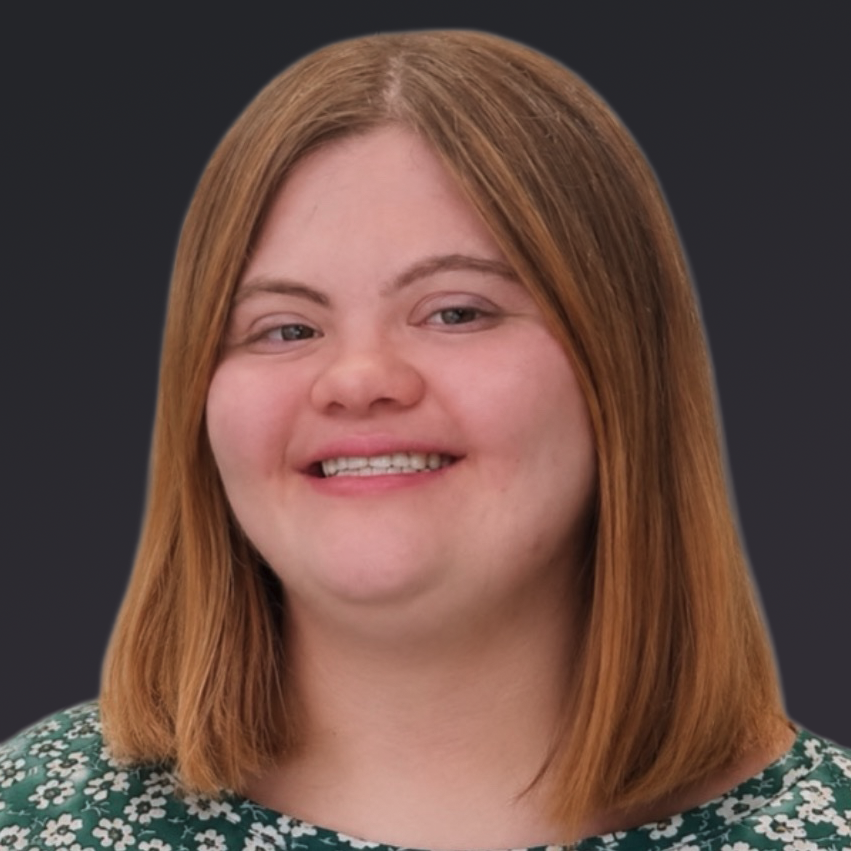
Katie Morrison works at the University of Kansas Medical Center in the Department of Internal Medicine. She is a Program Assistant and social media content creator in the Community Health Improvement Program for Intellectual Disabilities (CHIP-ID) research program. Katie knows the power of speaking up for others. She is inspired to advocate for individuals with Down syndrome and other intellectual and developmental disabilities to pursue inclusive employment opportunities in research settings.