
Improving Oral Health Care Through Collaboration and Inclusion
Elisabeth Thompson
Summary: Children with IDD may face sensory, communication, anxiety, and access barriers during dental care. TeamSmile’s inclusive model uses individualized accommodations, family insight, flexible environments, and collaboration among dental professionals, occupational therapists, and educators to improve participation and build trust.
Discussions about oral health for children with disabilities often focus on barriers: anxiety, sensory sensitivities, communication differences, physical challenges, and limited access to care. Provider discomfort or lack of preparation can further complicate the experience, making it difficult for some children to fully participate in dental care.
While these challenges are real, they do not tell the whole story. Too often, children with disabilities are defined by what they cannot do rather than given opportunities to demonstrate what they can do.
This raises an important question: What if improving oral health for children with disabilities begins not with changing the child, but with creating environments where every child can participate and succeed?
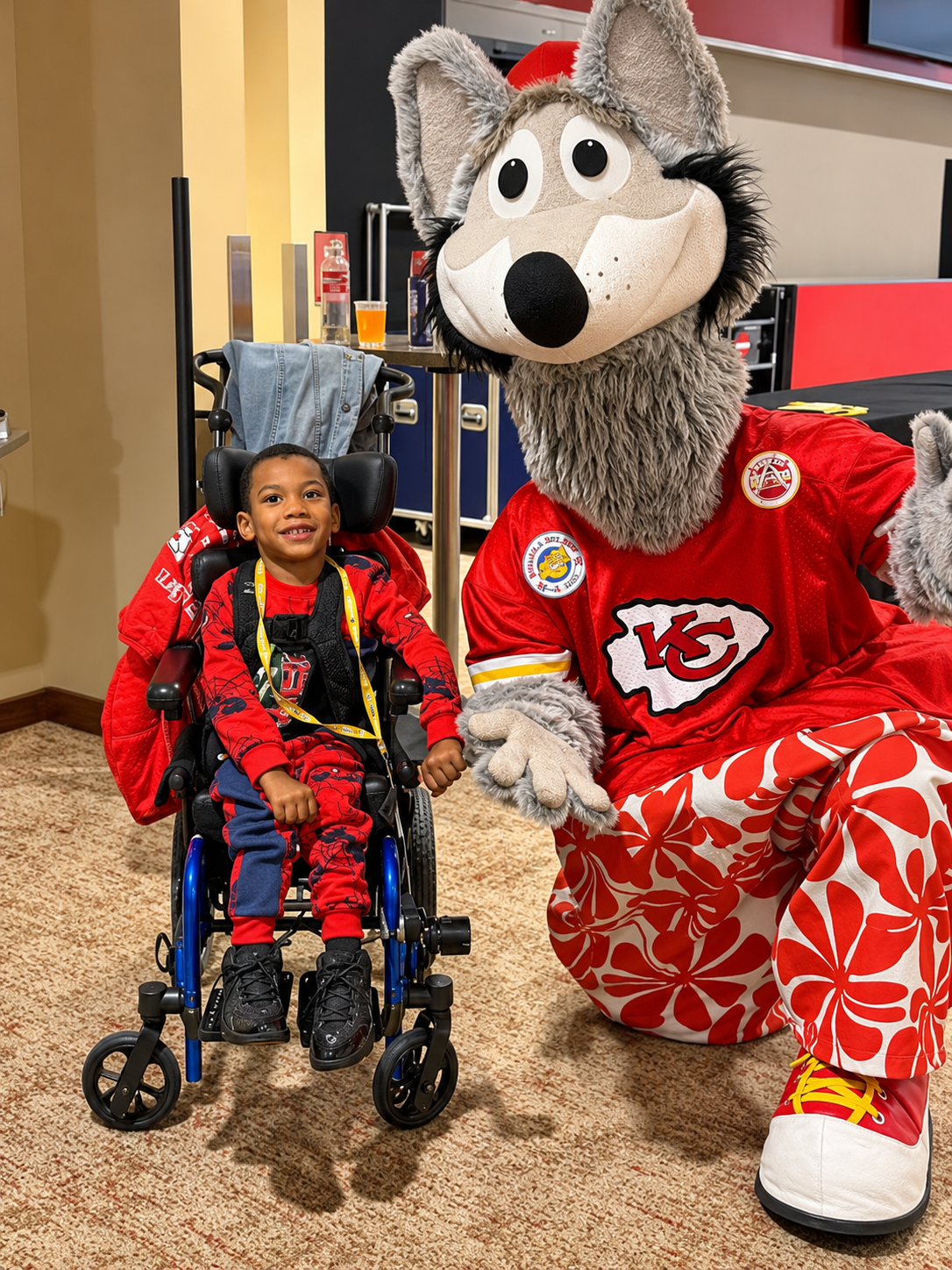
For more than 20 years, TeamSmile, a nonprofit organization, has helped provide free dental care and oral health education to underserved children through partnerships with dental professionals, community volunteers, and professional sports organizations. In 2024, TeamSmile expanded its programming to include children with Intellectual and Developmental Disabilities (IDD). When children with IDD participate in TeamSmile events, a different picture emerges. Children are laughing with mascots, interacting with athletes, connecting with peers, and engaging in experiences that many families describe as rare opportunities for inclusion.
The center of this approach is a collaborative model intentionally designed to support participation. By bringing together occupational therapy, dental medicine, educators, and families, the program helps create environments where children can successfully participate in oral healthcare and engage meaningfully in their communities. Understanding how this model works, and the impact it has on children and those who support them, offers important insights for improving oral health care for individuals with IDD.
Inclusion Means More Than Access
One of the most powerful lessons emerging from this work is that children with disabilities want opportunities to participate alongside their peers as active members of their communities. Like all children, they want to connect with others and share in meaningful experiences. With appropriate supports, such as quieter spaces, flexible processes, and willing, trained volunteers, children can participate successfully while remaining part of the broader TeamSmile experience.
Ms. Allyson Gardner, school social worker from Grover L Priess (GLP) Primary School (Eden, New York) reflected on the gratitude expressed by parents: “A lot of parents were thankful that we were taking them to this event that would give their child an opportunity to know that a dental environment is a safe place.”
Families and Educators Are Essential Partners
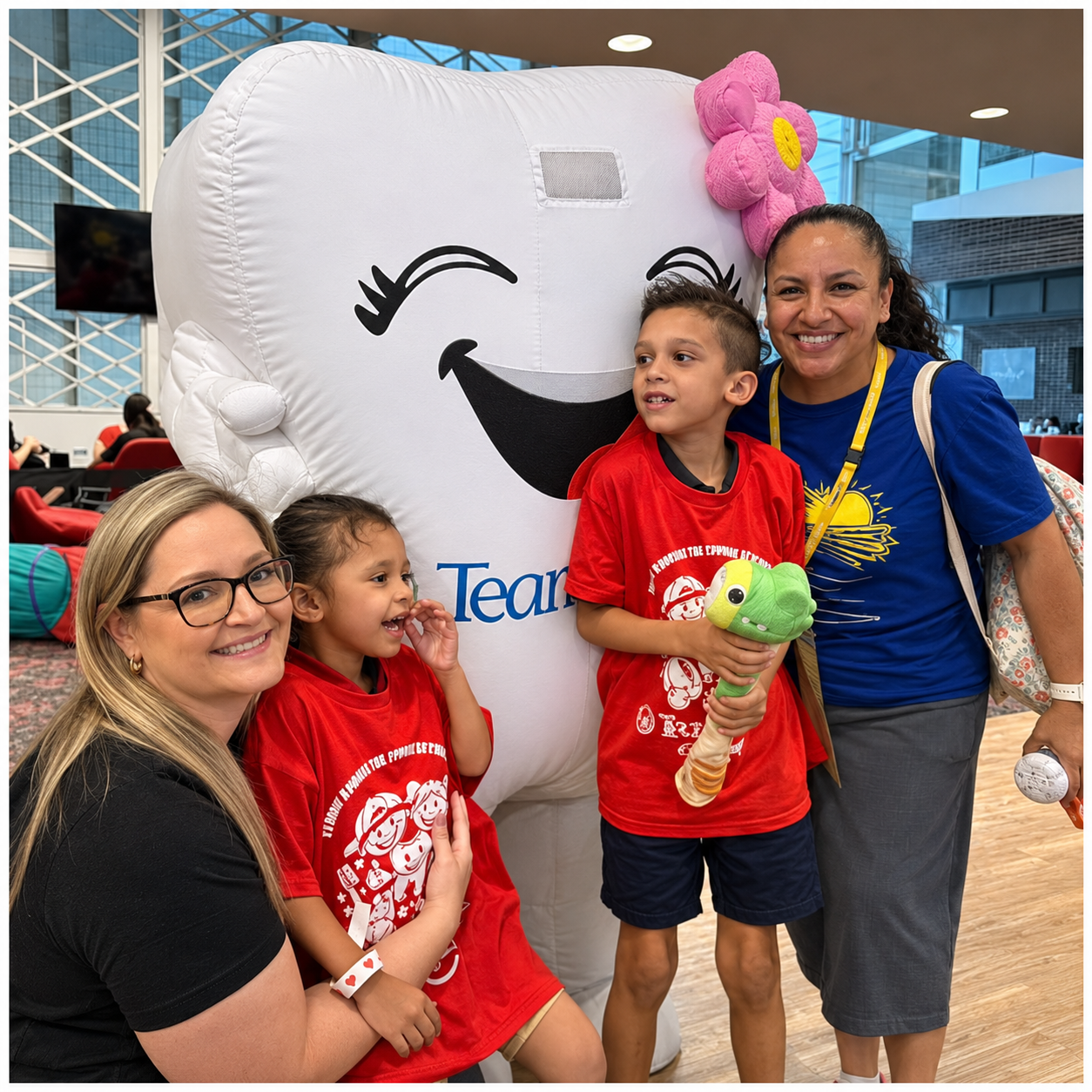
A key principle underpinning this work is the recognition that parents and educators are experts on the children they support. Their knowledge of communication styles, sensory preferences, motivators, routines, and successful support strategies help shape each child’s experience.
Information from families, educators, and consent forms helps the team understand each child’s medical history, strengths, needs, and previous experiences, allowing support to be tailored to each child rather than expecting the child to adapt to a standardized approach.
Principal Loran Carter, from GLP Primary School who attended the event described the impact of this individualized and compassionate care: “The tools and resources that were there for children made all the difference in the world.”
These partnerships highlight an important lesson: meaningful participation begins with listening to those who know the child best.
The Value of Occupational Therapy and Dental Medicine Collaboration Rather than asking, “How do we get this child to tolerate dental care?” a more meaningful question is, “How can we adapt the environment so the child can succeed?”
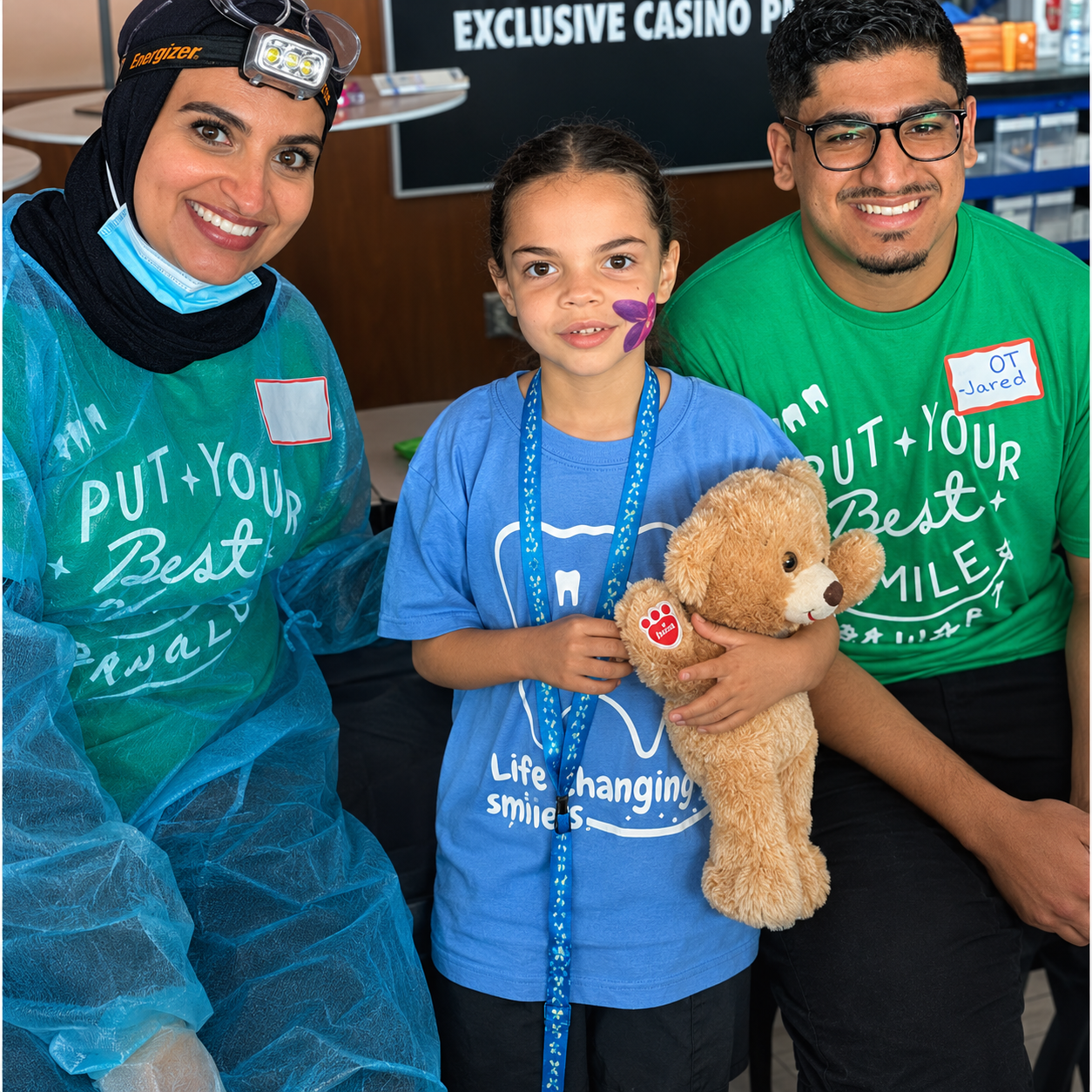
This shift is central to the collaboration between dental medicine and occupational therapy. Dental medicine contributes expertise in oral health assessment, prevention, and treatment, while occupational therapy contributes expertise in participation, sensory processing, communication, motor function, self-regulation, and environmental modifications. Together, they help identify barriers, adapt the environment, and develop individualized strategies that support care.
A variety of supports may be used to increase comfort and participation including a Sensory-Adapted Dental Environment (SADE) (Duker et al., 2023), flexibility in the pace of care, time to build trust and process information, opportunities for choice, social stories, pre-visit preparation, and interactive practice with dental procedures. These strategies can help children understand what to expect and participate at a pace that meets their individual needs.
Adaptations may also extend to the dental products and procedures. When appropriate, providers may offer fluoride varnishes or prophylaxis pastes with different flavors, tastes, or textures to better match a child’s sensory preferences. These small adjustments can increase comfort, reduce aversive sensory experiences, and help children participate in care that may once have seemed impossible.
Principal Christine Storey from Buffalo Hearing & Speech Center (Cheektowaga, New York) reflected on the impact of this individualize approach: “The care they receive is phenomenal. To be able to provide this for our kiddos and their families is huge because it is very stressful for families to take their child to the dentist and wonder, ‘Are you going to be able to meet my child’s needs?’ ” Her observations highlight the importance of individualized, responsive care in supporting participation in oral healthcare.
World Cup and Olympic Champion, Abbey Wambach stated, “I never scored a goal in my life without getting a pass from a teammate.” This reflects the collaborative approach at the heart of TeamSmile’s IDD programming. By bringing together families, educators, occupational therapy, dental professionals, and community partners, TeamSmile creates opportunities for participation, confidence, and success. Since launching in 2024, the program has expanded from one city to three cities in 2025 and five cities in 2026, reflecting growing recognition of collaborative approaches to accessible oral health care.
Preparing the Next Generation of Providers
The impact of TeamSmile extends beyond the children and families who attend. The program also helps shape future healthcare professionals, with many graduates returning to participate because of the meaningful learning opportunities it provides.
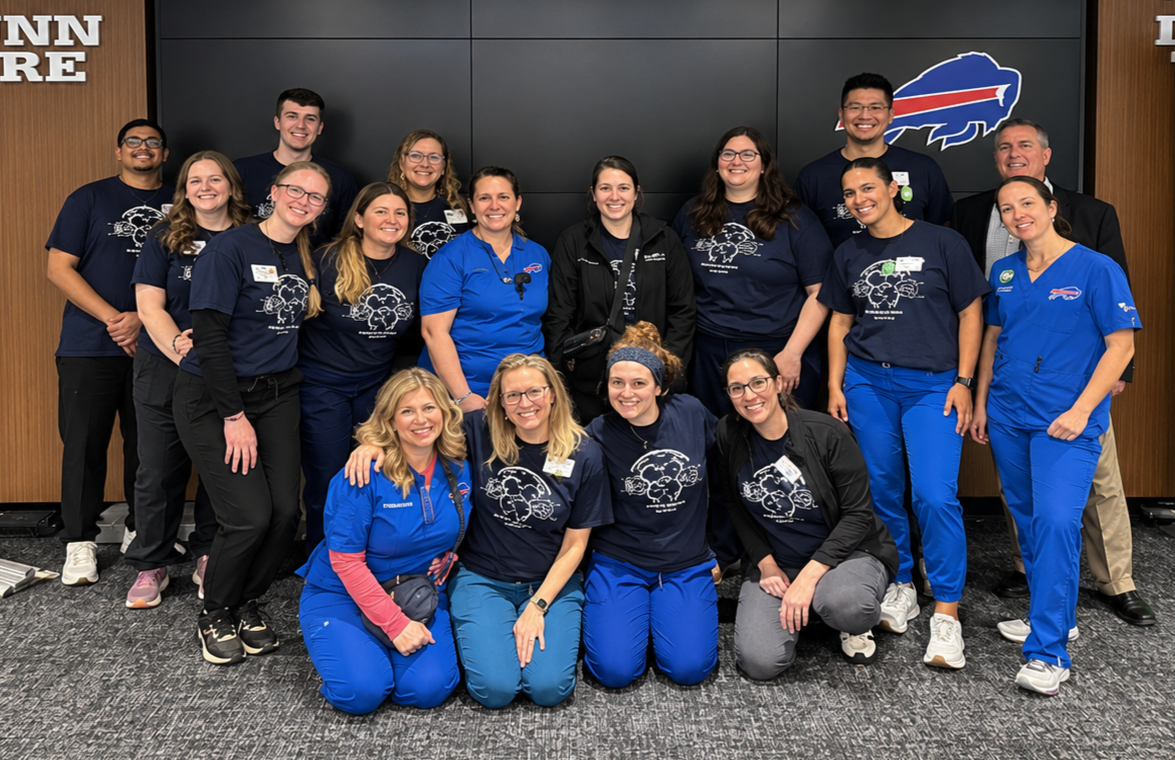
Julia Olphas, a 2026 graduate of the University at Buffalo School of Dental Medicine, reflected on the value of interdisciplinary learning: “We can learn a lot from each other. Working closely with occupational therapy students showed me how effective collaboration can be in supporting patients in the dental chair.”
Nicole Whitecroft, an occupational therapy graduate from Western University, shared: “Seeing the impact of occupational therapy keeps me coming back. Through adaptations and interventions, you can watch children become comfortable in what might otherwise be an anxiety-provoking situation.”
These experiences help develop future healthcare professionals who value inclusion, collaboration, and patient-centered care.
Research Supporting TeamSmile IDD Programming
To better understand the impact of this model, research initiatives were launched through the University at Buffalo School of Dental Medicine in 2025 and 2026. Early findings highlight the value of interprofessional collaboration and suggest increased provider confidence and knowledge. Research conducted during the 2026 events also examines disability stigma, provider perceptions, and preparedness to support children with disabilities. Participants include dental and occupational therapy professionals and students, as well as educators, support staff, and community volunteers. Early feedback also suggests positive perceptions of inclusive practice during patient interactions and increased provider confidence in caring for children with IDD.
Looking Ahead
The most important lesson from this work is that children thrive when barriers are reduced and participation is prioritized. Preparing children for what to expect, building trust, and providing individualized supports can make oral healthcare more accessible and meaningful. TeamSmile demonstrates that inclusive care is about more than treating teeth. It is about giving every child the opportunity to engage, build confidence, experience success, and know they belong.
About the Author
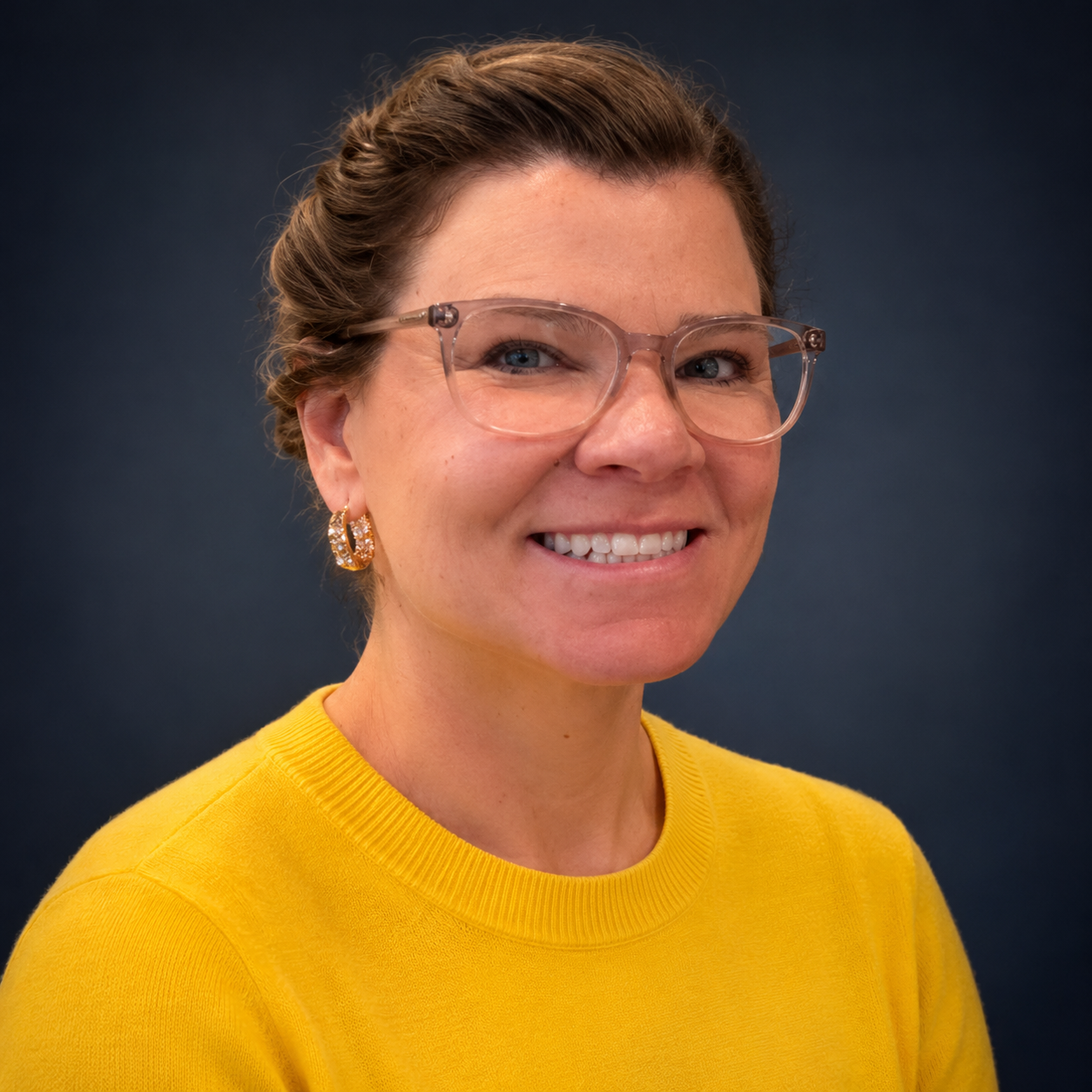
Elisabeth Thompson is a clinical instructor and occupational therapy practitioner at the University at Buffalo School of Dental Medicine. With 27 years of experience, her career has focused on caring for individuals with intellectual and developmental disabilities (IDD).
Elisabeth proposed a collaborative care model expanding TeamSmile’s services for children with IDD. Approved by Executive Director John McCarthy and the TeamSmile Board, the initiative launched in 2024. Elisabeth has since helped with implementation at TeamSmile events.