
The Power of Inclusion: How Unified Models Impact Students without IDD
Natalie Stagnone
Summary: Inclusive programs benefit students with and without IDD. Natalie Stagnone explains how early friendships with peers with disabilities helped build communication skills, confidence, and a lifelong commitment to inclusion while inspiring careers and advocacy in healthcare and other fields.
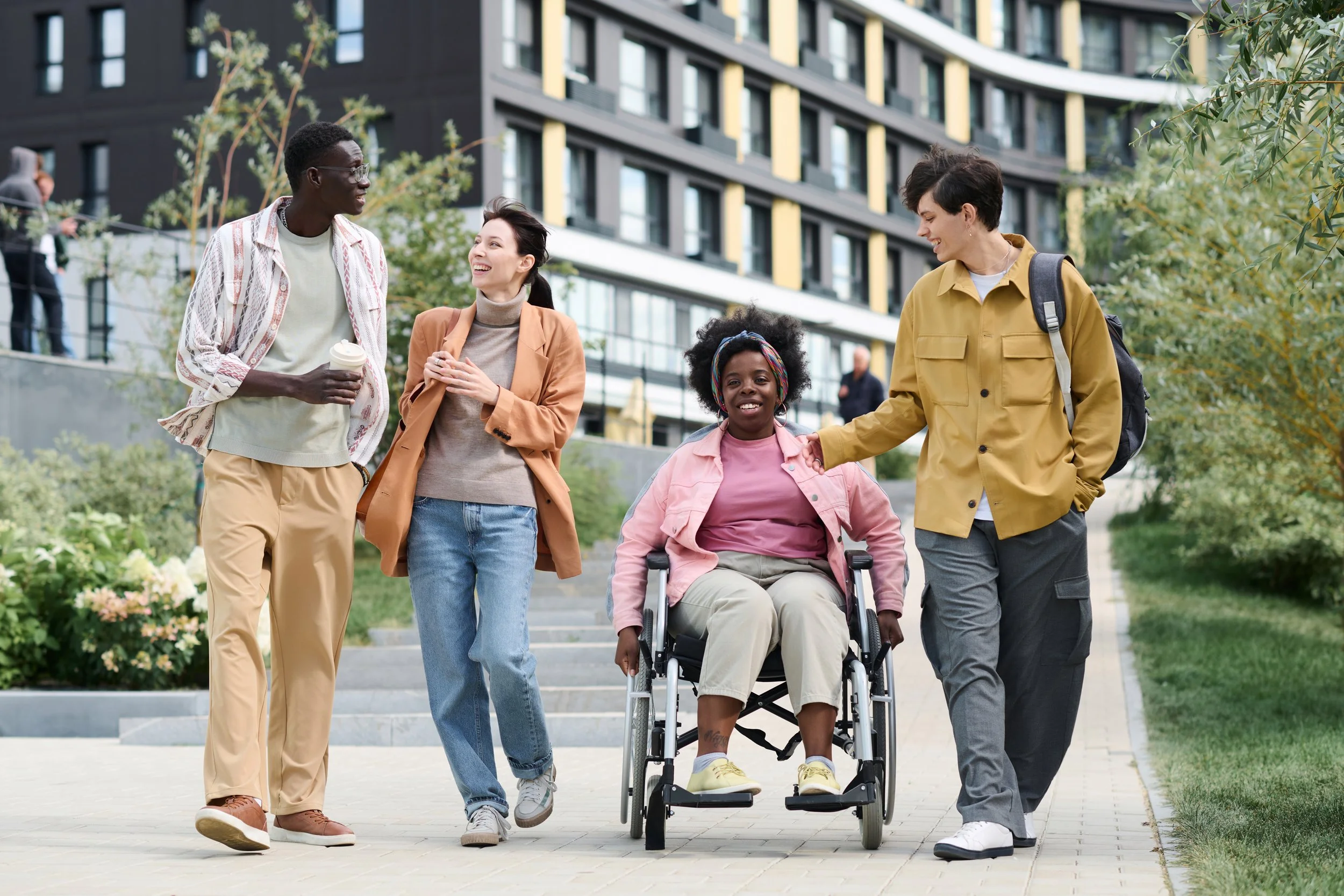
As a middle school student, I found my community among my peers with intellectual and developmental disabilities (IDD). We bonded over shared interests like recess activities, Seahawk scores, and weekend plans. As I moved into high school, these friendships continued to grow and helped me develop as a person – building my confidence, developing my communication skills, and sparking my passion for inclusion and access for people with intellectual and developmental disabilities.
While engaging with my friends with IDD was (and is) natural for me, many of my nondisabled friends have never had the opportunity to build similar relationships with their disabled peers. While inclusion is often discussed through the lens of benefiting people with IDD, its equally profound impact on peers without IDD remains largely overlooked. Too often, relationships between people with and without disabilities are described as “amazing” or “inspirational,” rather than recognized for what they are: friendships. Like any friendship, they are unique, complex, and mutually meaningful. I have experienced firsthand how these relationships can shape the person without an IDD, too.
As my friendships grew with my peers with IDD, I became increasingly aware of the lack of inclusive opportunities available. This inspired me to co-found a nonprofit organization whose mission is to provide free opportunities for youth with and without disabilities to form meaningful relationships. My peers with IDD were critical in starting this organization as well. They provided meaningful guidance on what types of activities were needed in our community, supported recruitment of participants and volunteers, and continue to hold meaningful positions on our board. Together, we transformed the impact of our friendships from something personal into opportunities for an entire community.
As I progressed in my journey, I found new ways to advocate for people with IDD. After graduating high school, I studied Disability Studies and Neuroscience at the University of Washington. I am now a four-year medical student at Washington State University, planning to become a physician who directly serves kids and adults with IDD. I have also continued to find new avenues to promote inclusion - such as participating in and helping start Special Olympics Unified teams, conducting disability research, and chairing the Student Committee of the American Academy of Developmental Medicine and Dentistry, a national organization working to improve healthcare for people with intellectual and developmental disabilities. But more than anything, throughout this journey, I have stayed grounded through my friendships with people with IDD.
And my story is just one example. A medical student classmate shared how participating in Unified basketball reminds him to celebrate successes and find joy in everyday life - like making sure to celebrate after bowling a strike, every time. A high school classmate learned what a world could look like when everyone is included, inspiring her to become a speech-language pathologist and support children in finding the best form of communication for them. Lastly, another high school classmate went on to pursue a degree in engineering, but continues to volunteer weekly with a local adaptive sports group so that she can stay involved with the disability community. I share these stories because I hope that you come away realizing that inclusion doesn’t just change a moment - it shapes people, careers, and communities.
My passion, excitement, and these friendships guided my path. I believe that all young people should have the opportunities to interact with their peers with IDD and, with it, our world would all become more unified.
About the Author
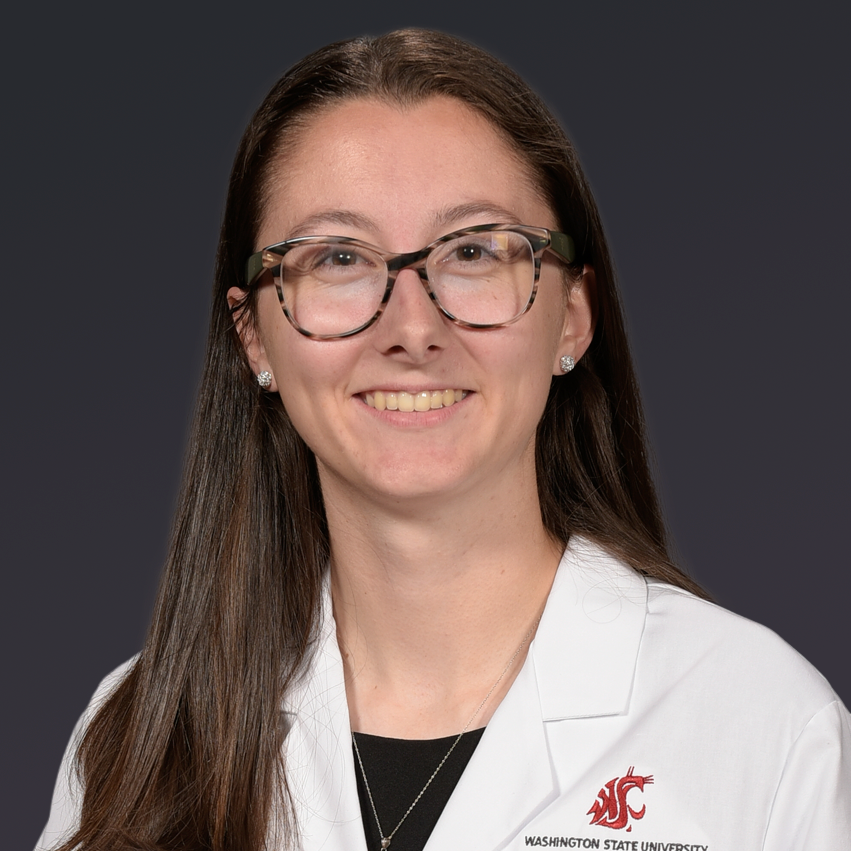
Natalie Stagnone (she/her/hers) is a fourth year medical student at the Elson S. Floyd College of Medicine. She was born and raised in Olympia, Washington. She attended the University of Washington – Seattle where she received dual degrees in Neuroscience and Disability Studies. She is passionate about making her communities more inclusive and accessible for people with and without intellectual/developmental disabilities (IDD). During college, she co-founded Thurston County Inclusion, a nonprofit organization that creates activities for youth with and without IDD in her home community, and she currently sits on the board of directors.
Natalie is also currently serving as the Chair of the Student Committee for the American Academy of Developmental Medicine and Dentistry. She has also been involved in the IDD community in many other ways including through Special Olympics, volunteering with other local organizations, leading ThinkCollege Initiatives, and more. Her career goals include becoming a Physiatrist, with particular interests in serving those with developmental disabilities and those who are medically complex.