
Our patient population is changing, and medical professionals need to learn to adapt through novel, innovative means
Maria Majid, M.S.
Summary: Operation House Call teaches future healthcare professionals about IDD through lived experience. By learning directly from people with disabilities and their families, students gain practical insight into communication, diagnostic overshadowing, implicit bias, and compassionate care.
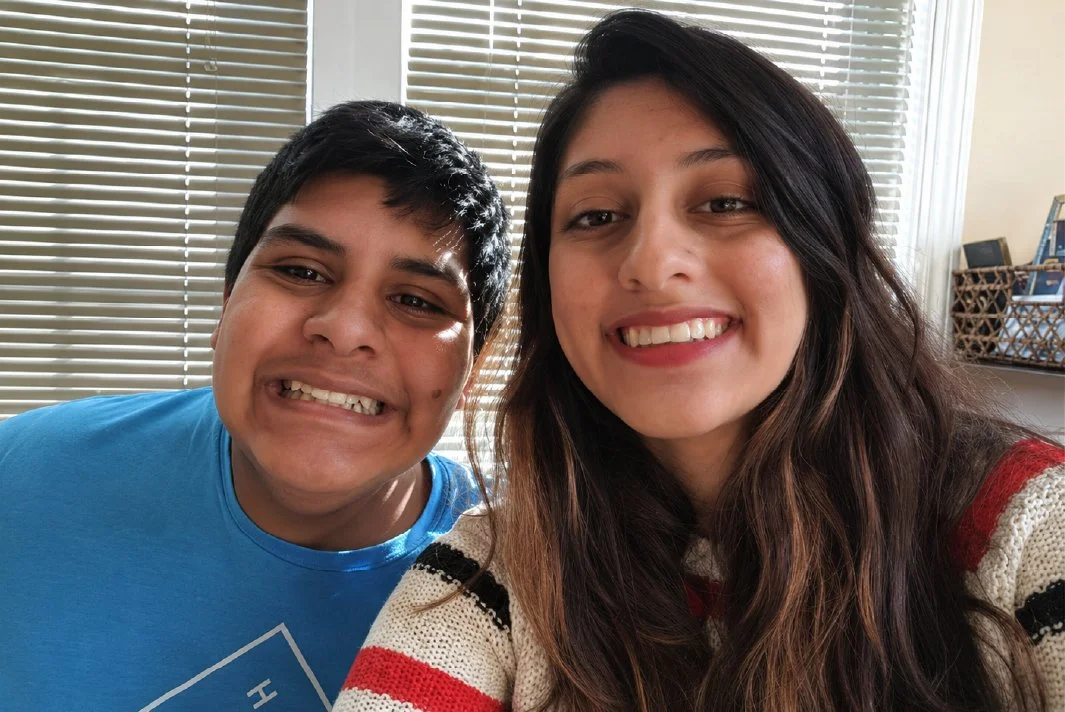
The Best Lessons are Taught by Opening up to New Perspectives I’ve always had a hard time paying attention in school. I mean, it made sense when I was later diagnosed with ADHD, but before that, I just thought I was sleep-deprived or that I wasn’t drinking enough caffeine. It was noticeably worse in medical school, where slides felt like they went as fast as a mile a minute, and each was full of information that could certainly end up on the exam. I would need to warn friends to wake me up if they saw me slipping, so I didn’t miss the content.
However, there were some classes that I was fully absorbed in. At Tufts, these classes were our ‘Perspectives in Medicine’ (PiM) sessions, where we were taught about a range of topics outside of the realm of science. These topics included focusing on patient experiences, understanding structural and social determinants of health, hearing from other healthcare providers, and many others. I loved hearing directly from patients and families because their viewpoint provided insight I could apply to my future practice. It was invaluable knowledge I couldn’t get from a traditional lecture.
At the beginning of my second year of school, we had a PiM session that especially struck a chord with me. A woman named Maura Sullivan introduced herself to our class as not only the CEO of The Arc of Massachusetts, but also a mother and caregiver of a loved one with a developmental disability. She had introduced our class to her family and her story as if we were close friends, with a down-to-earth honesty that made me teary-eyed. She also talked about Operation House Call (OHC), a program of The Arc of Massachusetts that teaches medical, nursing, and other professional students the skills and mindsets to provide equitable and inclusive care to people with intellectual and developmental disabilities (IDD). I looked forward to the day during clerkships when we would formally experience OHC, because I knew from my own experience just how important hearing from families could be in changing how we view and interact with the world.
Learning from My Khandan
Growing up, every day was an adventure. I tell countless stories to friends and peers about my childhood, laughing at their dismay at how outlandish my tales are. These experiences, though fun to tell, were a way for those around me to understand my family and me in ways that are hard to forget.
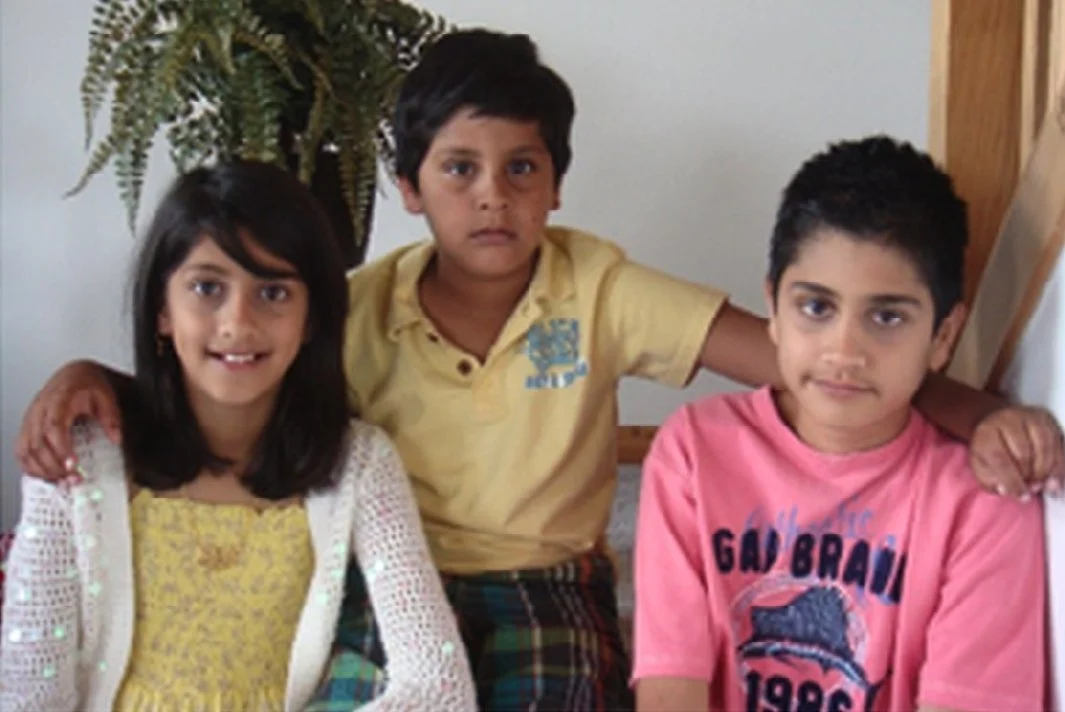
They all know my youngest brother, Saad, who is nonverbal and completely dependent on my parents. They also know that he’s one of the smartest people in our family, able to comprehend words in English and Urdu (my family’s native tongue); he is also the perpetrator of what I call ‘the Great Escape.’ When we were younger, he unlocked the apartment door and went out onto the rainy streets of Philadelphia in his pajamas, all without my parents finding out. Yes, the experience greatly traumatized my mother, but once you think about it further, he wasn’t older than three or four years old, and no one had shown him how to use a door or a lock! His observational skills make you wonder about how much he knows and what thoughts he cannot express aloud.
My older brother, Fahad, is also well known among my friends. Though verbal, he always needed an extra hand in school and processes things differently from how you or I do. He is also notorious for being creative and curious, constantly asking questions in rapid succession until a five-minute topic becomes an in-depth discussion spanning the better part of two hours. He can poke holes in an argument at the drop of a hat, driven by his need to understand something fully before accepting it as truth. One of my most poignant memories was when I was attempting to explain to him what anxiety was, leading me down the path of explaining the nervous system and how psychological perceptions can cause physical manifestations. As frustrating as it was to try explaining the same thing in ten different ways, he’d inadvertently trained me to learn how to simplify complex topics for others to understand.
During school, no textbook could teach me the lesson I’d learned from experience—the importance of humility, adaptability, and communication when caring for patients with IDD and their loved ones. This is precisely why the mission of OHC resonated so deeply with me because I want to see my peers practice these same principles to provide care for families like mine in the future.
Looking and Moving Forward
Participating in OHC was a personal highlight of my pediatrics rotation. We had an in-class session, where we heard from multiple presenters. There were two parent instructors, each of whom shared about their own families, and weaved the stories around a curriculum that included important concepts in providing medical care, such as implicit bias, diagnostic overshadowing, and the idea that behavior is communication.
There was also a ‘co-teacher,’ an individual with IDD who shared their own life, including their experiences with doctors and other medical providers, both good and not so good. After class, we were matched in small groups with families that hosted us for visits, where we had the chance to learn in depth about a family, ask questions, and engage in an even deeper way.
As I participated in OHC, I felt like my story was seen and understood, even shared in some way amongst others. Many of my classmates who did not have lived experiences also found this to be an eye-opening experience, learning so much more about people with IDD than they would in a textbook or typical lecture. I also saw firsthand how many families were using this background to advocate for their loved ones. In fact, sharing my family story in a thank-you email to the OHC family we were paired with was a catalyst for this piece, and spurred me to get more involved with The Arc.
It has been difficult to determine the prevalence of intellectual and developmental disabilities. One statistic by the Institute for Exceptional Care estimates that 3-5% of the U.S. population currently lives with IDD, equating to approximately 17.3 million Americans. It is well known that this subsect of our population faces greater health disparities than the general population, with higher mortality and morbidity rates. Though there are many reasons for these inequities, our generation of physicians must acknowledge our role in these disparities.
In an article published in Health Affairs, a survey of 714 Massachusetts physicians across specialties revealed that although 82.4% reported people with significant disability have worse quality of life than those without, only 40.7% indicated they were 'very confident' about providing the same quality of care to these disabled patients. It is clear from these statistics that the information we have learned through traditional means clearly has not dispelled the health disparities that people with IDD face—the health disparities that my own brothers face.
These patients will be in our clinics across all specialties, as our general patient population is living longer with chronic, complex diseases, thanks to modern medicine. Patients with IDD and their families will especially require a nuanced approach that physicians must learn to adopt to help improve their patients' lives.
We can help all providers learn the necessary skills needed to provide care for patients with IDD. It just takes a different, nontraditional approach. The solution, I believe, lies in schools adapting their curriculum to include programs like OHC to provide much-needed glimpses into the lives of these patients and their families. These caregivers and patients are invaluable resources whose lived experience imparts wisdom not found in scientific literature, wisdom that healthcare professionals should engage with from the early training stages.
About the Author
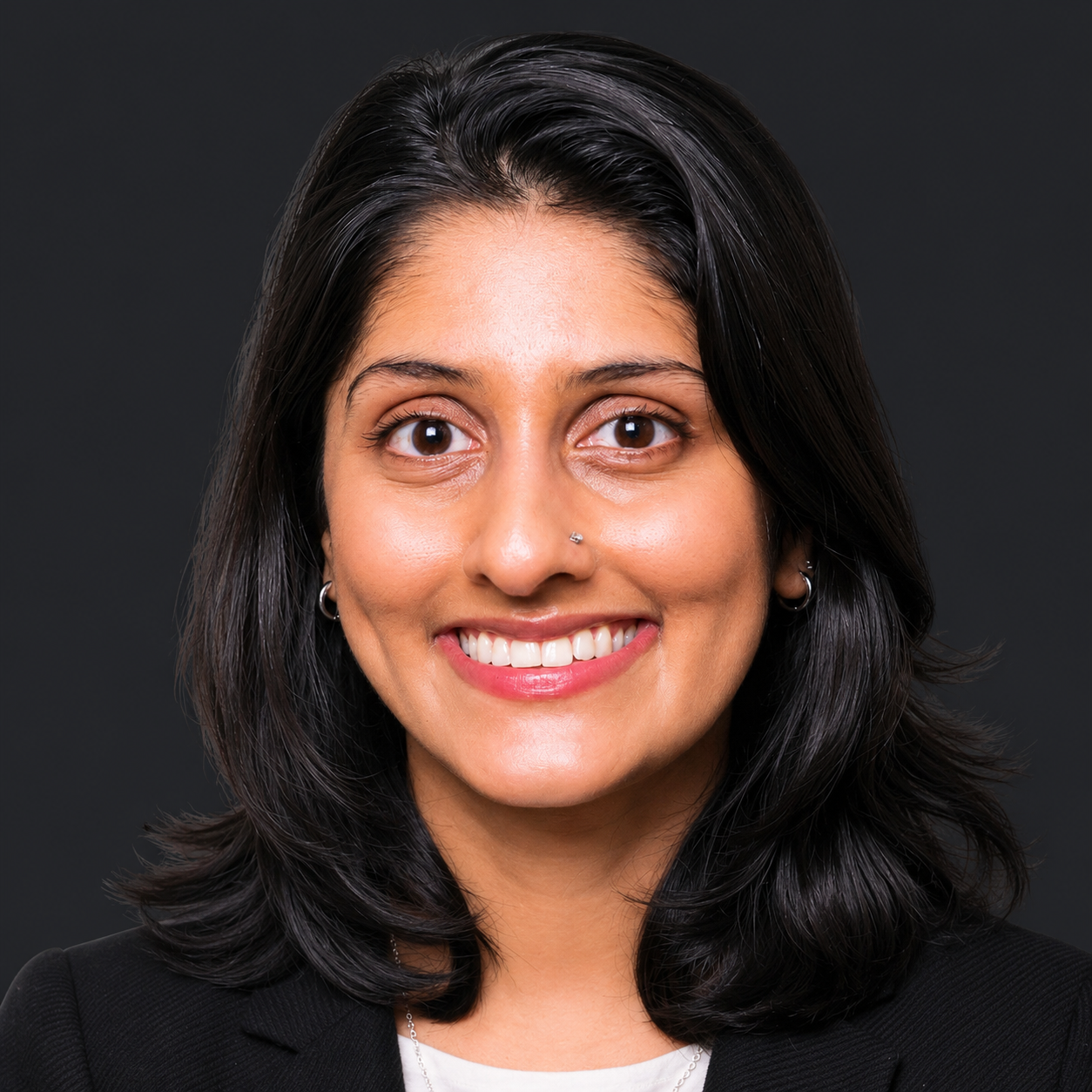
Maria Majid, M.S. is currently a fourth-year medical student at Tufts University School of Medicine in Boston, MA. She received her B.S. in Biology from University of Rochester and her M.S. in Biomedical Sciences from Tufts University. Her inspiration to pursue medicine comes from growing up with siblings with IDD/ASD and motivates her to continue showing patients empathetic, comprehensive care.