
Meet PCORI
Engaging IDD Communities in Health Research
Summary: The Patient-Centered Outcomes Research Institute (PCORI) is a nonprofit organization that funds patient-centered comparative clinical effectiveness research (CER). Patient-centered CER compares two or more medical treatments, services, or health practices to help people make better informed health decisions. PCORI also funds Engagement Awards, which are projects that help build the capacity and skills of patients, families, caregivers, and the broader healthcare community to engage in and with patient-centered CER and disseminate PCORI-funded research results to those who need them. PCORI includes intellectual and developmental disabilities (IDD) in a set of Topic Themes that informs focused funding opportunities for patient-centered CER. Further, PCORI has released several IDD funding opportunities and has funded nearly 130 IDD patient-centered projects. PCORI regularly engages with the IDD community to inform areas that are important for patient-centered CER while also offering opportunities for community members to get involved in the work.

The Patient-Centered Outcomes Research Institute (PCORI) is a non-profit organization. PCORI helps people make informed healthcare decisions, and improves healthcare delivery and outcomes, by producing and promoting high-integrity, evidence-based information that comes from research guided by patients, caregivers, and the broader healthcare community . PCORI funds research that produces results guided by patients, caregivers, and the broader healthcare community to make decisions that reflect their desired health outcomes.
This article will introduce you to PCORI, what the organization funds, the funding process, and how PCORI-funded work aims to improve health outcomes for people with intellectual and developmental disabilities (IDD). The foundation of PCORI’s work is built on engagement and collaboration with a broad community of partners, including, but not limited to, people with lived experience, family members, caregivers, researchers, and clinicians. It is our hope that all readers can see how they might fit into the work PCORI does.
What kinds of research and projects does PCORI fund?
PCORI offers several types of funding opportunities that focus on improving health outcomes. This article highlights two types of funding opportunities in which PCORI has funded numerous projects related to IDD. The first type of funding opportunity is Comparative Clinical Effectiveness Research (CER), which “compare[s] outcomes, including risks and benefits, of two or more approaches to healthcare.” PCORI-funded patient-centered CER includes a wide range of conditions, populations, and settings. Patient-centered CER that PCORI might fund includes the comparison of two or more medications or medical treatments, two or more behavioral interventions, or a combination of the two (Table 1). Others might include the comparison of the mode of delivery for an intervention, such as peer-led versus staff/provider-led, or in-person versus remote interventions. Studies may also compare care coordination or care management strategies. PCORI research is person-centered, meaning that patients and other partners are actively involved in all stages of the research, from identifying the research question to disseminating the research findings. The outcomes captured by PCORI-funded research are meaningful to patients, their families, caregivers, and clinicians, helping to fill critical gaps in knowledge and improve healthcare decision-making.
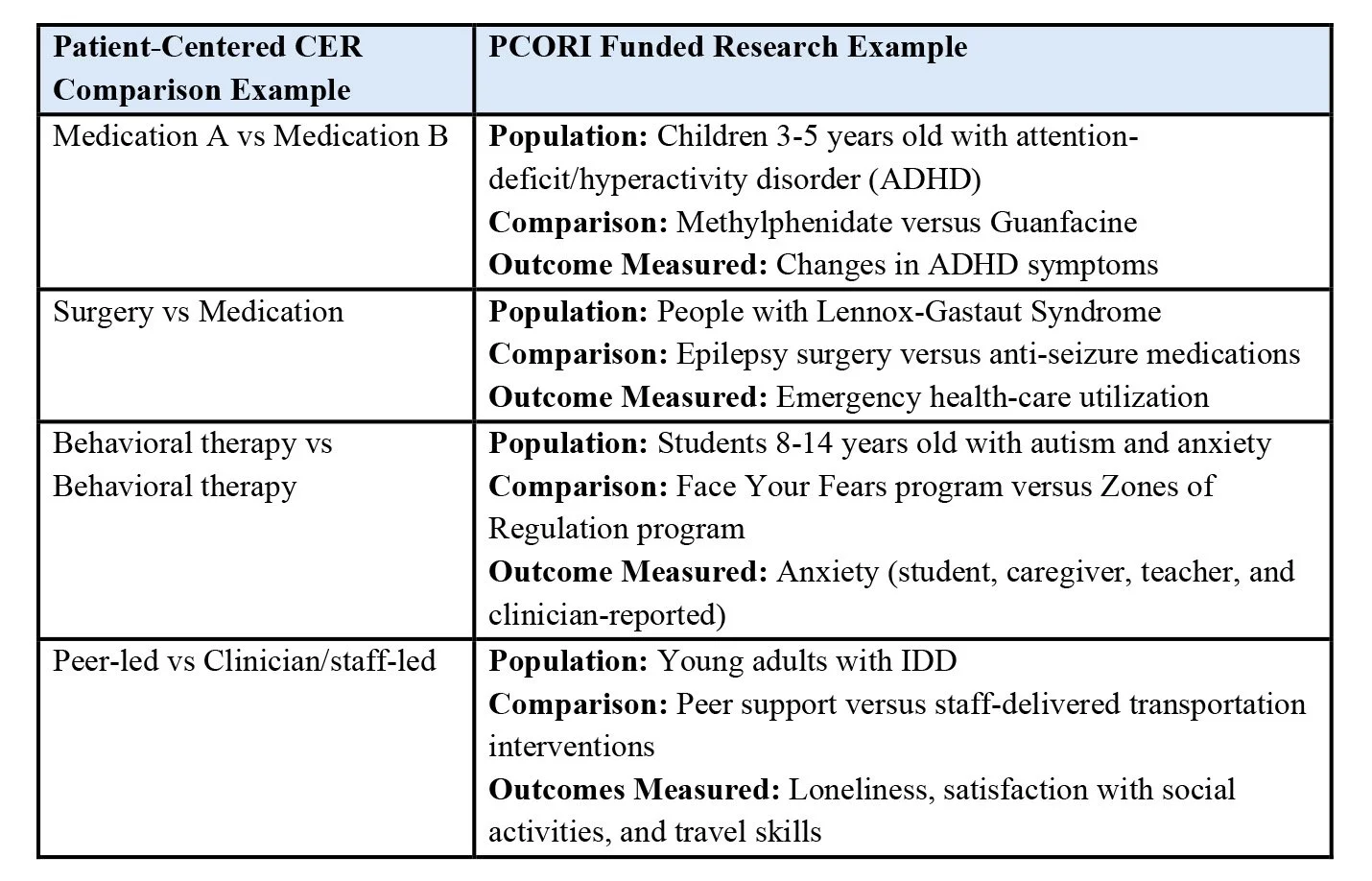
Table 1. Examples of PCORI-funded patient-centered CER in IDD
The second type of funding opportunity is through the Eugene Washington PCORI Engagement Award (EA) Program. The EA Program funds projects that help build communities equipped to engage in patient-centered CER and help to disseminate PCORI-funded research results to those who need them. The EA Program helps ensure that patients, families, caregivers, and the broader healthcare community actively participate in and shape the research that impacts them. EA projects are not research studies.
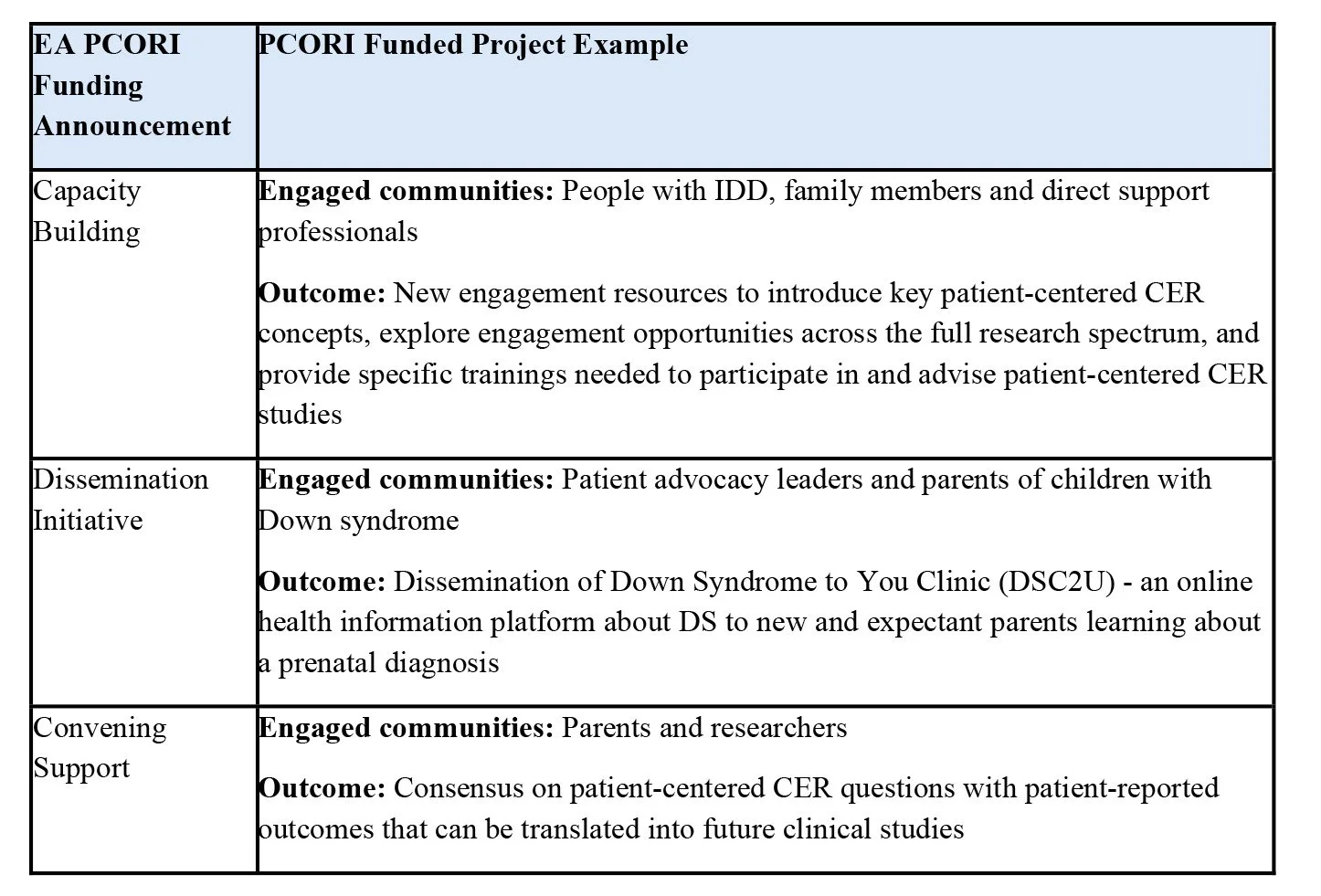
Table 2. Examples of PCORI-funded EA in IDD
What is the PCORI funding process?
PCORI Funding Announcements (PFAs) for patient-centered CER are offered several times per year. There are several types of PFAs, notably the Broad Pragmatic Studies (BPS), Phased Large Awards for Comparative Effectiveness Research (PLACER), and varying topic-specific PFAs. These funding opportunities are explained in Table 3 below:
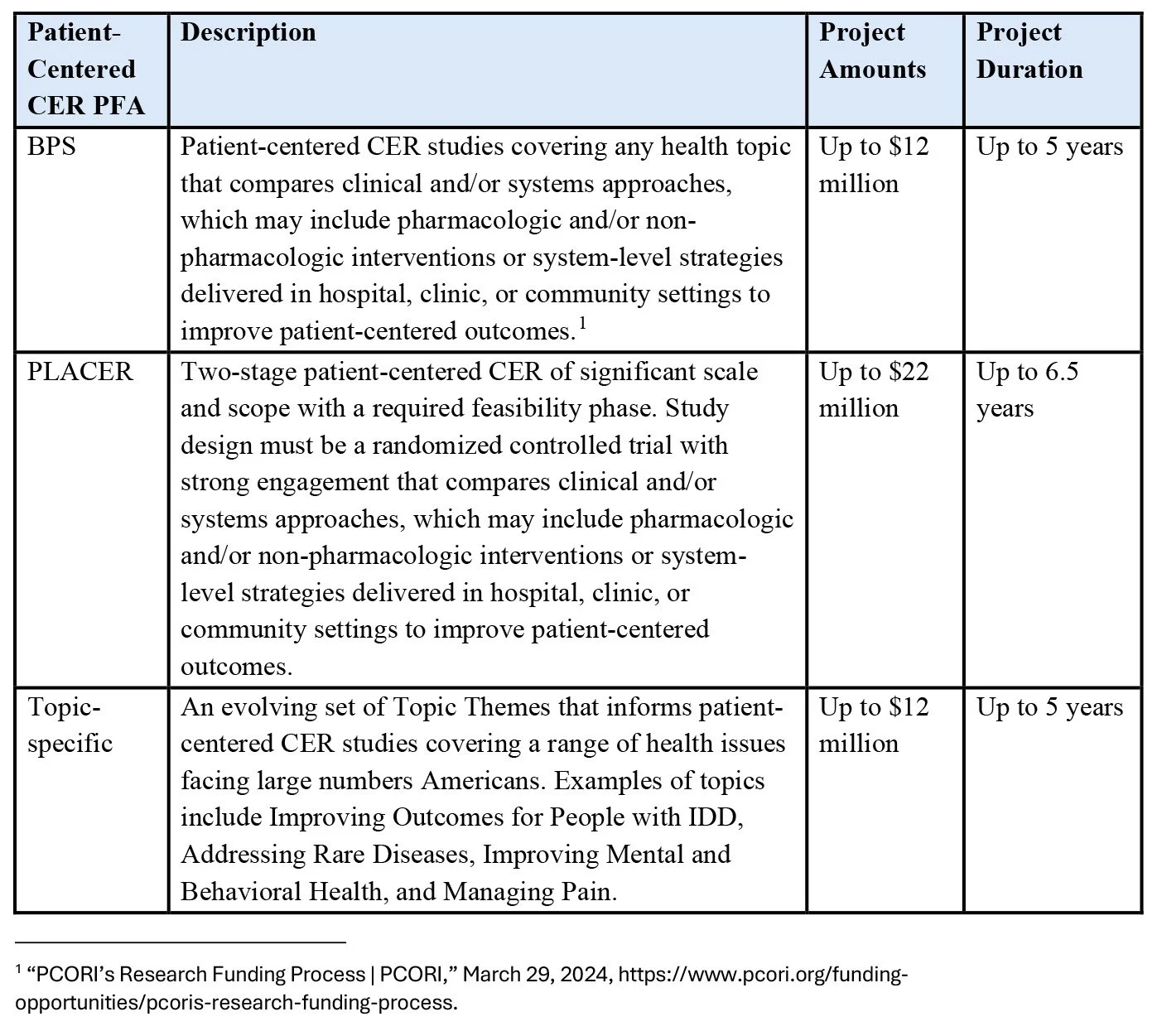
Table 3. Types of PCORI Funding Announcements for patient-centered CER
To apply for PCORI patient-centered CER funding, applicants must first submit a Letter of Intent (LOI) to their desired PFA (Figure 1). The LOI captures the most salient information about the study, including the specific health decision the research is intended to inform, the population(s) for whom the health decision is pertinent, and how the study results will inform the health decisions. Applicants are invited to submit a full application if their LOI is accepted. The application should provide detailed documentation about the proposed study, including information on how the research will be conducted and how patients will be engaged. The full application is evaluated at Merit Review, where patients, scientists and other stakeholders assess the application’s merits both individually and in a panel discussion. After Merit Review, some applicants may be asked to clarify questions raised within merit review about their study (programmatic review). PCORI makes recommendations for funding, which are presented to a committee comprised of members of PCORI’s Board of Governors. The Committee reviews proposed recommendations for funding and recommends studies for approval of funding by PCORI’s Executive Director. Lastly, PCORI’s Executive Director makes a final determination on funding. For information on who is eligible to apply for PCORI funding, please visit What & Who We Fund | PCORI.
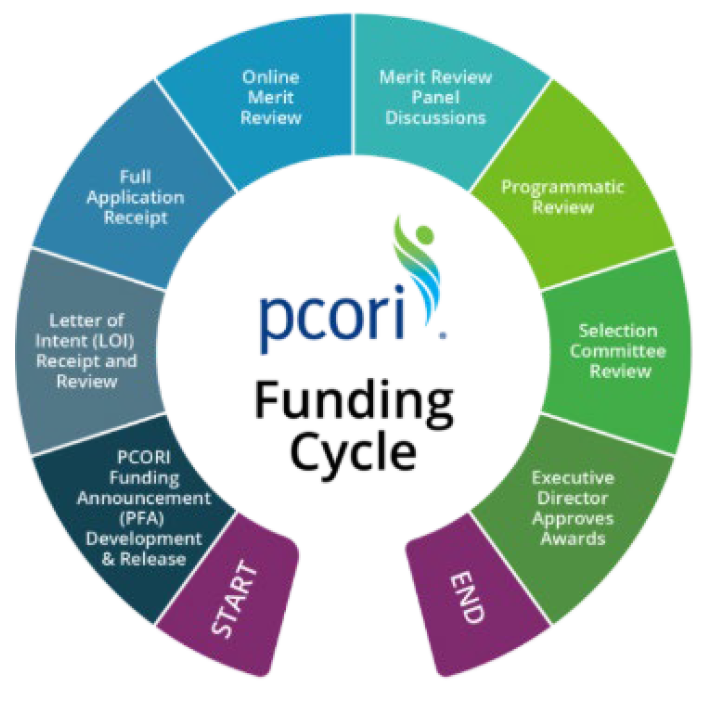
Figure 1. PCORI Funding Cycle. Graphic courtesy of PCORI.
PCORI typically offers three types of Engagement Award PFAs twice per year (Capacity Building, Dissemination Initiative, and Convening Support) and other types of PFAs periodically (Building Capacity for Small Organizations). These award types are described in Table 4 below:
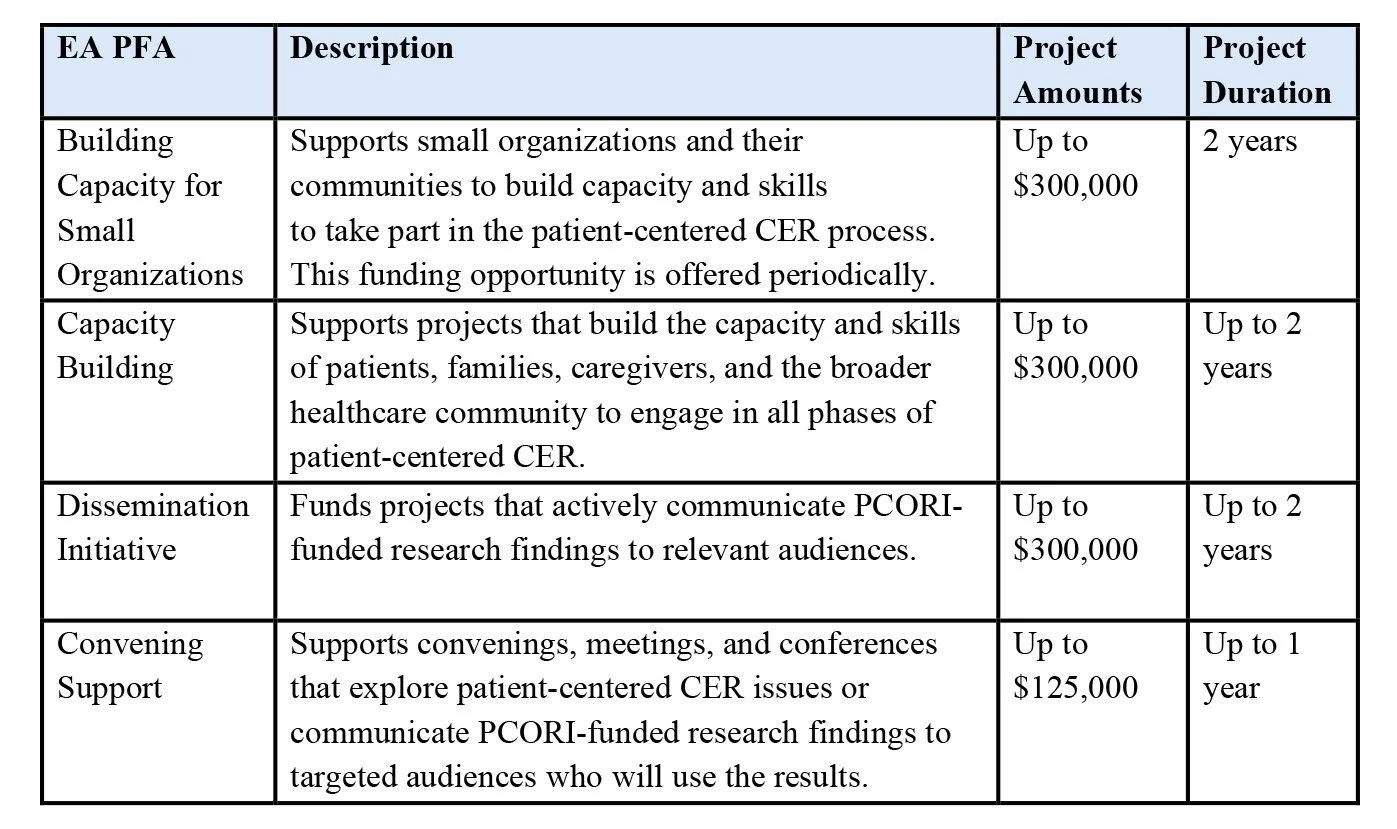
Table 4. Types of PCORI Funding Announcements for Engagement Awards
Like the patient-centered CER opportunities, applying for Engagement Award funding is a two-step process. First, applicants must submit a LOI. Applicants with an accepted LOI are then invited to submit a full proposal. The LOI provides a summary of the proposed project, including the objectives, activities, and outputs, a brief patient and stakeholder engagement plan, and a budget overview. Applicants with an accepted LOI will be invited to submit a full application, which includes a project workplan, timeline, and milestones, among other documents. At both the LOI and application stages, applicants must clearly demonstrate their project’s connection to patient-centered CER.
Organizations funded through PCORI’s Engagement Award Program engage IDD communities as advisory board members, team members, and consultants to co-develop resources, tools, and systems that support future patient-centered CER on IDD.
What kind of work does PCORI do in Intellectual and Developmental Disabilities?
PCORI prioritizes funding research to improve the health of people with IDD. To date, PCORI has issued several funding opportunities specific to the IDD population, summarized in Table 5 below:
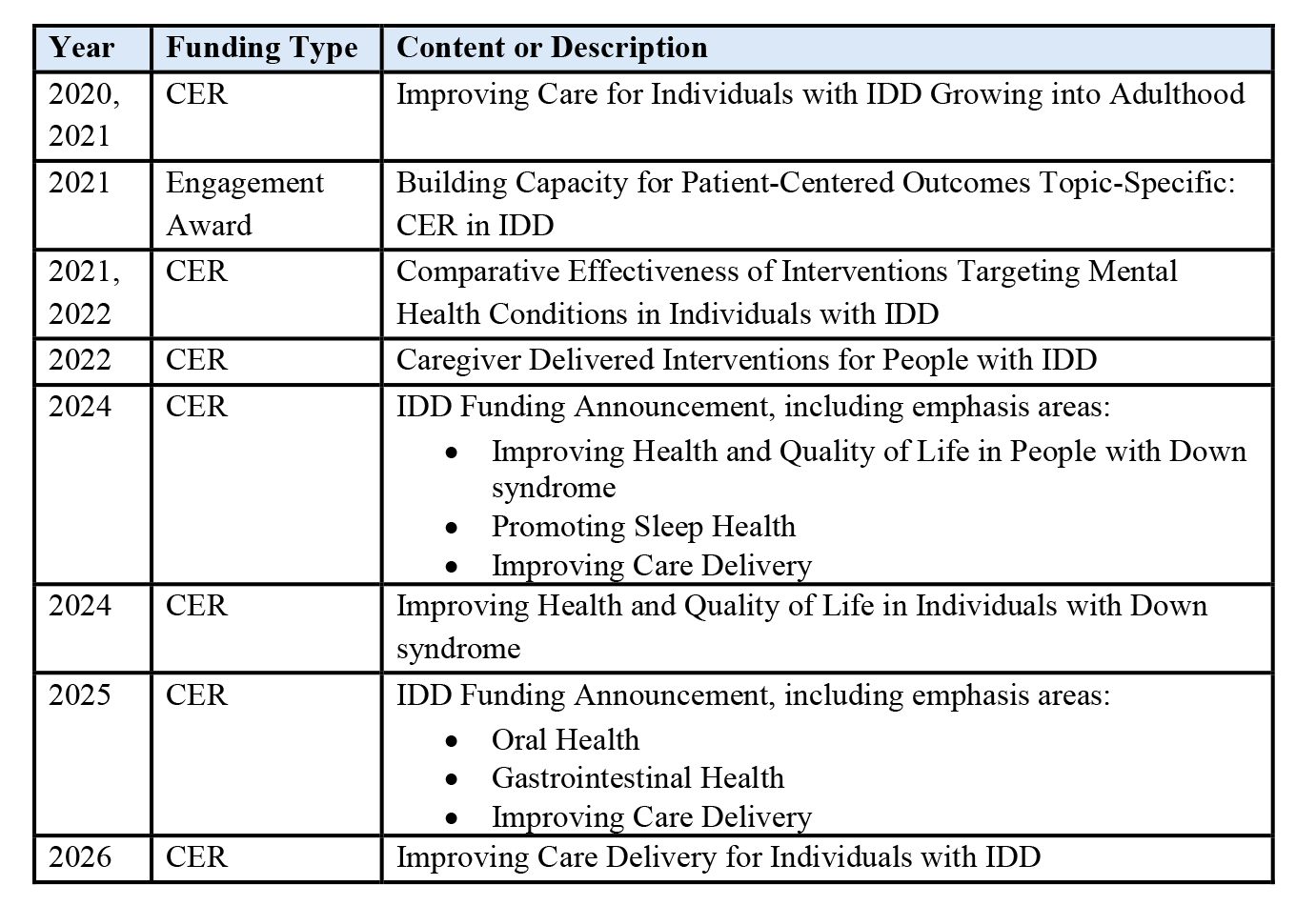
Table 5. PCORI funding opportunities in IDD from the past several years
As of March 2026, PCORI has funded 38 patient-centered CER studies focused on the health of people with IDD. Nearly three-quarters of studies focus on children and youth (74%), and about half are focused on improving mental and behavioral health (45%). Many PCORI funded projects include a broad IDD population, but some focus on more defined populations (e.g., autism, cerebral palsy). Other populations captured in the portfolio include spina bifida, Down syndrome, Chiari type 1 malformation, and Lennox-Gastaut syndrome, among others.
PCORI has also funded more than 80 Engagement Awards focused on IDD to date. Examples of resources developed by these awardees include community-informed research agendas focused on autism, Down syndrome, and IDD; an accessible research ethics education curriculum for community research partners; and engagement strategies for researchers who partner with IDD communities on patient-centered CER.
How does PCORI engage with the IDD community?
PCORI works closely with the IDD community to identify research questions and gaps so that funding opportunities and funded research are more likely to produce findings that are meaningful to patients, caregivers, and the broader health and health care community. Prior to developing IDD-focused PFAs, PCORI staff review the literature and meet with community members and other experts to gather information about topics that are important to these groups. Next, PCORI sends out communications that initially announce the funding opportunity. PCORI also hosts town halls to provide information on the funding opportunity and how to best approach the LOI and application processes.
PCORI frequently presents updates on funding opportunities and its portfolio of research at conferences across the United States, including the PCORI Annual Meeting, which is free to attend. PCORI also engages with staff from other health-focused organizations and agencies.
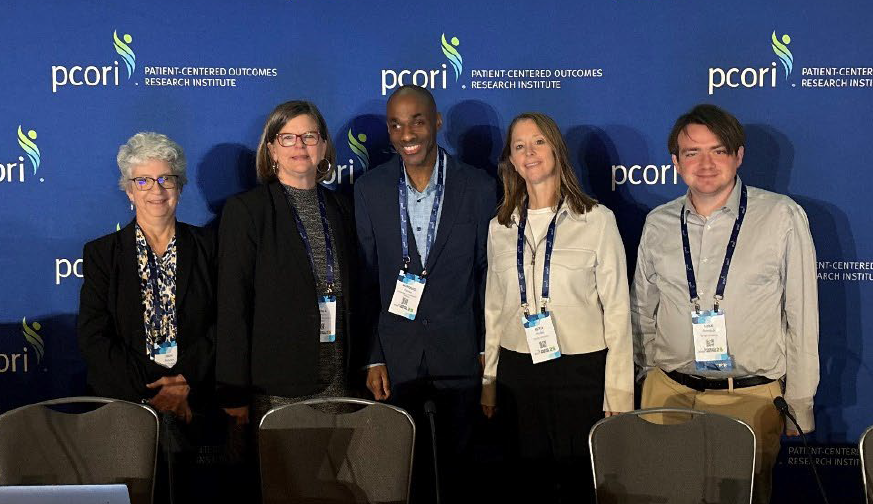
PCORI IDD awardees Judy Reaven, Karla Ausderau, Marquis Garner, Beth Pfeiffer, and Luke Tomczuk at the 2025 PCORI Annual Meeting. Photo courtesy of Megan Leimkuhler.
How can I learn more about PCORI and get involved?
PCORI offers several opportunities to get involved, including serving as a Merit Reviewer, Ambassador, Advisory Panelist, and Peer Reviewer, among other roles. More information on PCORI, the research, and how to get involved can be found at pcori.org.
About the Authors

Megan E. Leimkuhler, MPH is a Senior Program Associate in the Clinical CER program at PCORI. Her work is primarily focused on research related to IDD. She is actively involved in IDD award management, funding announcement development, and community engagement efforts.
Heather J. Williamson, DrPH, FAAIDD is a Senior Program Officer in the Systems CER program at PCORI. She co-leads the intellectual and developmental disabilities research efforts at PCORI. This includes IDD award management, funding development, and community engagement efforts. Prior to joining PCORI, she worked as an occupational therapist and then faculty member at Northern Arizona University where her research focused on the health of people with IDD.
Dasha Migunov, MHS is a Senior Program Officer with the Engagement Award Program at PCORI. Her portfolio includes a number of awardees who develop research engagement resources for the IDD community.
Courtney Clyatt, MPH is a Senior Program Officer with the Engagement Award Program at PCORI. Her portfolio includes several projects focused on engaging IDD communities underrepresented in research.
Meghan Warren, PT, MPH, PhD is a Program Officer at PCORI. She co-leads the IDD CER funding efforts at PCORI. Prior to joining PCORI, she worked as a physical therapist and then faculty member at Northern Arizona University as a health services researcher.
Disclaimer: The views presented in this article are solely the responsibility of the authors and do not necessarily represent the views of the Patient-Centered Outcomes Research Institute (PCORI), its Board of Governors, or its Methodology Committee.
References:
“About Our Research | PCORI.” March 19, 2017.
“Our Vision & Mission | PCORI.” August 7, 2014.
“PCORI’s Research Funding Process | PCORI.” March 29, 2024.
“The PCORI Approach to Patient-Centered Outcomes Research: Research Fundamentals Learning Package Interactive PDF | PCORI.” July 8, 2020.