
Introduction to The Bangkok Declaration: A Global Mandate for Oral Health Research and Universal Health Coverage
Summary: Dr. Allen Wong’s commentary on the 2024 Bangkok Declaration highlights the WHO’s mandate to integrate oral health into Universal Health Coverage by 2030, emphasizing the need to overcome barriers to health equity. Dr. Wong calls for the inclusion of individuals with intellectual and developmental disabilities (IDD) in clinical research and argues for fair compensation to incentivize clinicians to treat underserved populations.
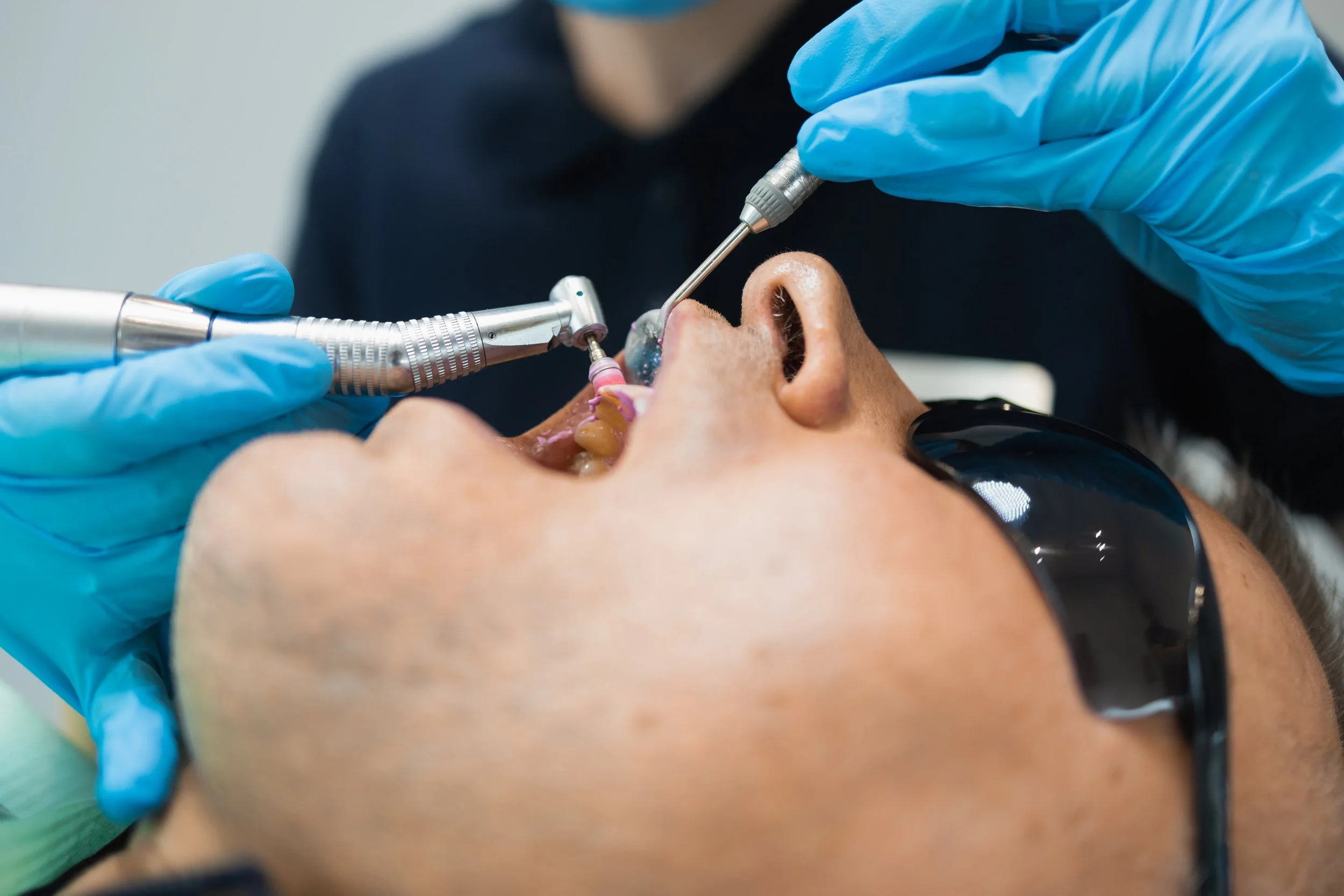
The article “The Bangkok Declaration: A Global Mandate for Oral Health Research and Universal Health Coverage Article” highlights another healthcare disparity and a call for action. The adoption from the World Health Organization Global Oral Health Meeting (GOHM) in November 2024 brings attention on concentrated effort towards recognition of the importance of oral health in overall health through research and efforts to transform Universal Health coverage by 2030.
The concept of attention of the connection of oral health relationships to overall health is not new. Surgeon General David Satcher on May 25, 2000, Surgeon General Report was dedicated to oral health, and it emphasized that oral health is essential to general health and well-being—not separate from it. Since 2000, according to internet research, there has been thousands of studies done in the United State with many systematic reviews and meta-analyses showing substantive evidence linking oral health to general health.
The WHO Declarations are helpful to call attention to a collaboration of nations to improve a concern on a Global scale. Oral health effects on individuals are a major contributor to quality of life as well as economic concerns. Health equity has many barriers from insurance coverage, government limitations, financial, social, access to care, and education. Improving good research in this area helps to drive changes in the direction of health and hopefully cost savings.
The major limitations of declarations are that they are usually non-binding, non-funded, leadership in implementation, workforce, and sustainability of efforts.
The implications of any declarations should include all populations as much as possible. In the past, people with intellectual/developmental disabilities have been underrepresented in oral health clinical research. Some challenges were biased that the population could not make informed decisions, unable to fully cooperate, ability to communicate, caregiver involvement inconsistent, reliability concerns, institutional permissions and increase time sometimes needed. There is a perceived increased risk of liability and adverse effects.
As a reminder to the WHO, do not leave the disabled and IDD population behind in the emphasis of research as they have the same if not more health challenges that need to be investigated. Both IDD and neurotypical populations can benefit greatly from researching all populations without discrimination.
Good research designs and analysis can help make the case for improved healthcare protocols that may improve and maintain healthy individuals.
Insurance or lack of insurance can be a huge barrier to access to care. Having a safety net or Universal Health Care coverage could focus on the prevention of health to minimize the need for medications and surgery.
Education of the next generation of healthcare providers and continuing education of current clinicians is important. But what good are well trained clinicians if they are not willing to see those individuals that cannot pay or have insurance that reasonably reimburses for time and effort. Currently, many families relocate to find services and access to care. Universal Health Care, which has fair compensation, can help incentivize more clinicians to see more patients in their community.
Resource:
Bangkok Declaration – No Health Without Oral Health
Towards Universal Health Coverage for Oral Health by 2030
31 January 2025
Overview
In 2024, WHO convened the first-ever Global oral health meeting in Bangkok, Thailand, as part of the preparatory process for the 4th United Nations High-level Meeting (HLM4) on NCDs in 2025. This landmark event aimed to accelerate and scale up the prevention and control of noncommunicable diseases (NCDs), with a particular emphasis on oral diseases, to achieve universal health coverage (UHC) for all. A significant outcome of this meeting was the adoption of the Bangkok Declaration: “No Health Without Oral Health”. This Declaration advocates for elevating oral diseases as a global public health priority. The Bangkok Declaration reiterates Member States' commitment to the landmark 2021 resolution on oral health, which advances the prevention and control of oral diseases as part of the NCD, UHC, and environmental agendas. It emphasizes the need to strengthen health systems through primary health care approaches, ensuring that environmental sustainability and climate resilience are central components.
About the Author
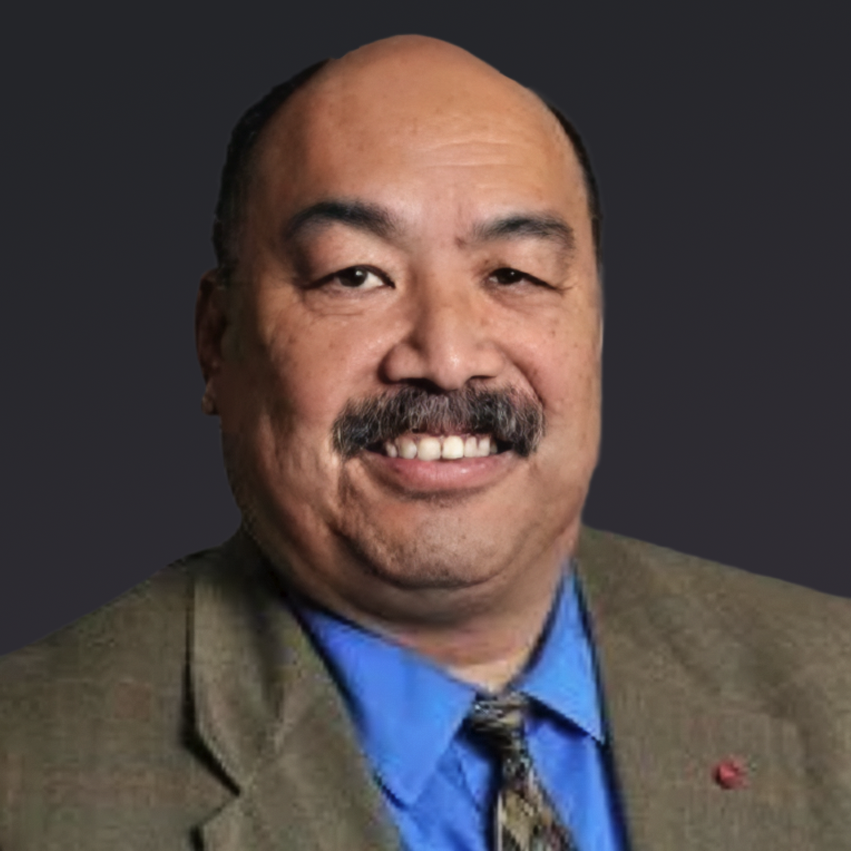
Dr. Allen Wong is a professor at the University of the Pacific Arthur A. Dugoni School of Dentistry and a nationally recognized leader in special care dentistry. He serves as a Global Clinical Advisor for Special Olympics Special Smiles and is a past president of both the American Academy of Developmental Medicine and Dentistry (AADMD) and the Special Care Dentistry Association (SCDA). He lectures internationally on improving oral health care for individuals with intellectual and developmental disabilities.