
Medical Schools Lack Disability Competency Education; Report Due
By Jim Brett & Maura Sullivan
Summary: For decades, healthcare has emphasized diagnosis and treatment while often overlooking the unique needs of people with disabilities, contributing to significant health disparities. Individuals with intellectual, developmental, and physical disabilities experience lower life expectancy, more preventable illnesses, frequent misdiagnoses, and limited access to quality care. Many healthcare professionals feel unprepared to treat patients with disabilities because medical education provides minimal disability competency training. Programs such as Operation House Call and Project DIME address this gap by teaching students through classroom instruction and direct interaction with individuals with disabilities and their families. Massachusetts has already mandated disability competency training, demonstrating a successful model. Expanding this education nationwide could reduce inequities and improve healthcare outcomes.
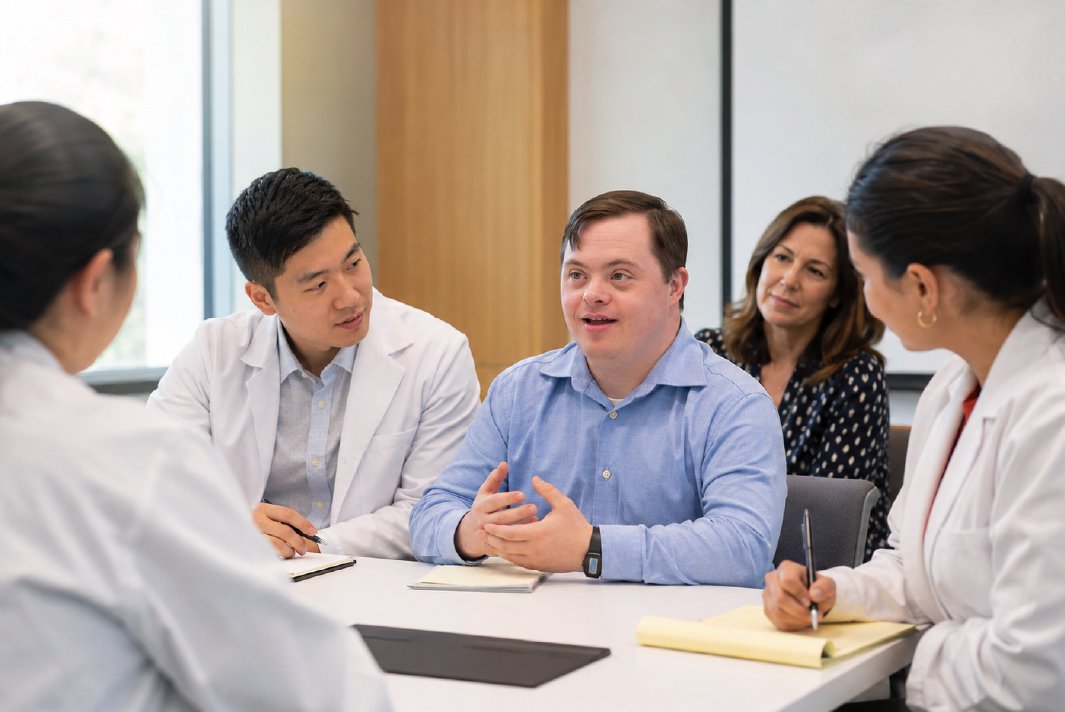
For decades, the medical profession has focused on the pursuit of diagnoses, treatment plans and cures. Yet for the 1-in-4 Americans living with a disability, this strictly clinical focus often results in a profound, sometimes dangerous, blind spot when treating individuals with autism and intellectual and developmental disabilities (IDD). Nationally, we are facing a quiet public health crisis that fuels stark health disparities, limits access to care and perpetuates systemic inequities.
People with intellectual, developmental and physical disabilities face lower life expectancy, higher rates of preventable illness, more emergency department usage, more misdiagnoses and longer hospital stays. A devastating lack of access to quality, culturally competent healthcare is at the core of this issue.
Each year, more than 50,000 medical, physician assistant and nurse-practitioner students graduate in the United States. In a survey of physicians, the majority reported they do not feel competent to care for patients with disabilities. In fact, the 30,000 medical school students who graduate every year have typically received less than 11 minutes of clinical training in treating patients with disabilities.
This issue is deeply personal to us as a mother of two sons with autism who have limited verbal abilities and a sibling to a brother with IDD. We have seen the consequences of a healthcare system that at times has been filled with systemic and attitudinal barriers and views disability as a ‘niche’ issue. We have experienced moments when medical concerns were overlooked because of a disability, as well as the life-saving impact clinicians can have when they treat our loved ones not as bystanders, but as they would any other patient.
We are charting a different course in Massachusetts through The Arc of Massachusetts’ Operation House Call, which educates more than 1,200 medical, dental and nursing students each year through a six-hour course. The curriculum includes classroom instruction taught by parent caregivers and individuals with autism or other disabilities and a home visit where families and individuals share with students their experiences with the healthcare system.
Project DIME (Disability Inspired Medical Education), operating under the guidance of its director, Dr. Rick Rader, and with funding by the board of directors at the Orange Grove Center in Chattanooga, Tennessee, has a goal of mandating that all of the nation’s 200 medical schools, 500 nurse-practitioner programs, and 300 physician assistant programs include clinical disability competency training in their curriculum. The key to real change, they believe, is "mandating" the curriculum, not simply suggesting, proposing or recommending the training.
In Massachusetts, we are well ahead of the curve. DIME’s curriculum has been implemented across all four medical schools, and it was even codified into state law in 2023.
Momentum is building. In recent weeks, Family Voices of the U.S., a national, family-led organization dedicated to improving health care systems for children with special healthcare needs, signed a memorandum of understanding with Project DIME to expand training across its vast national network.
In the coming months, the National Council on Disability (NCD), an independent federal agency that advises the president and Congress, will be releasing a report that is expected to make recommendations on disability clinical competency requirements in medical schools. The report will include an exhaustive study, with public input, that focuses on the lack of medical education as a major contributing factor in the healthcare disparities experienced by the disability community.
The opportunity is historic. Introducing disability competency courses into medical education is a highly viable, tested solution that goes a long way to remedy the inequities that have existed for too long.
We urge medical educators, healthcare providers and lawmakers across the country to follow Massachusetts’ lead. It is time to treat disability competency as a non-negotiable pillar of medical education.
About the Authors

James “Jim” Brett is President and CEO of The New England Council, a regional business organization. He is the chair of both the Massachusetts Governor’s Commission for People with Intellectual Disabilities and the Massachusetts Disabled Persons Protection Commission. He is the Past Chairman of the President’s Committee for People with Intellectual Disabilities. (PCPID) He is the Past Vice Chairman of the National Council on Disability (NCD). Jim’s late brother Jack was the inspiration for Jim’s lifelong work as an advocate for people with disabilities, and people who have no voice.
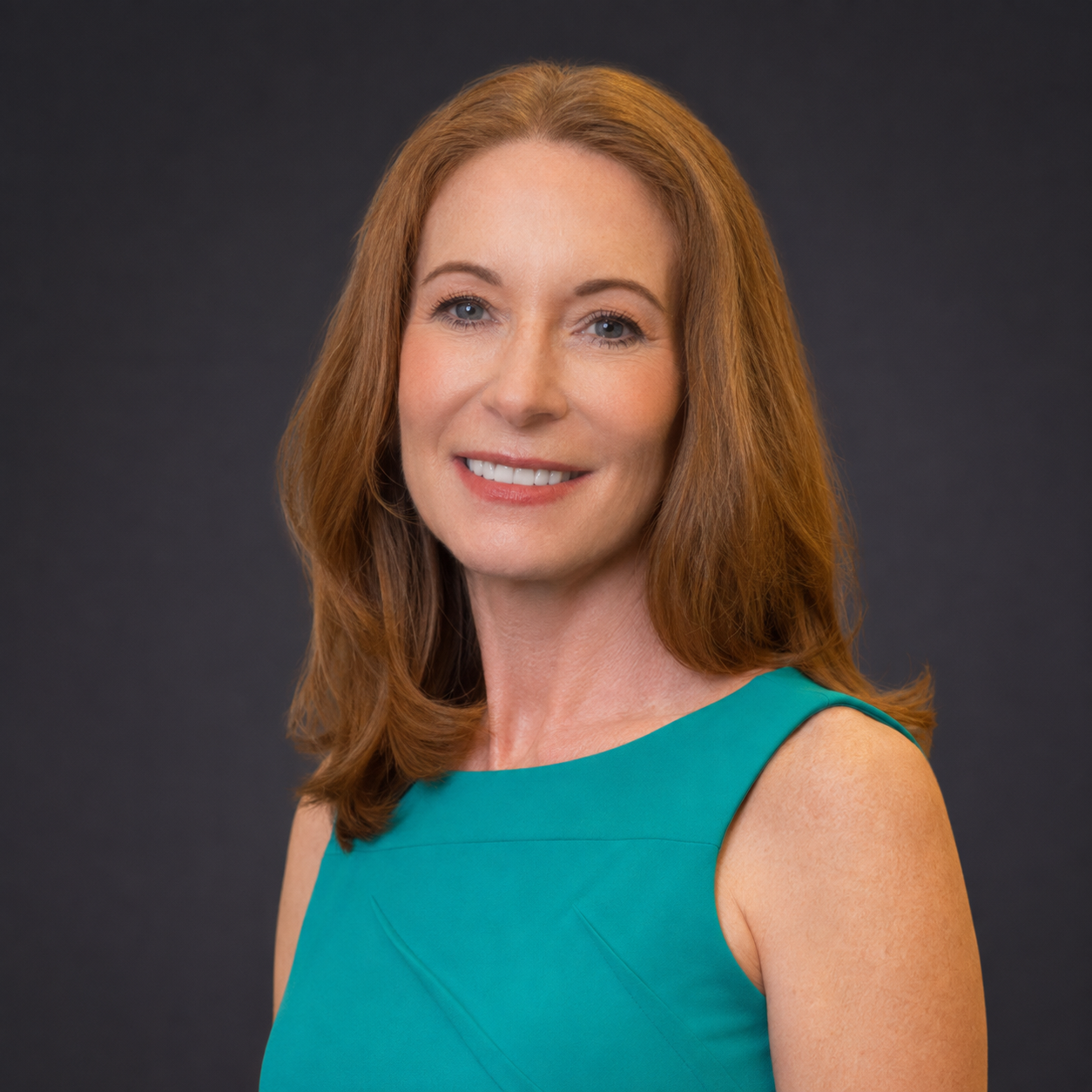
Maura Sullivan is the CEO of The Arc of Massachusetts. She has been leading Government Affairs for The Arc for the last decade. She is also the Director of Operation House Call, a nationally recognized training program and partnership between The Arc and all Massachusetts Medical Schools. This program focuses on best practices when treating patients with autism or intellectual and developmental disabilities and it reaches 1,000 medical and graduate nursing students each year and provides foundational and experiential learning. OHC is growing in Massachusetts to include dental training and growing nationally through the Arc of The United States. Maura, the mother of three, has two young adult sons with autism and intellectual disability.