
Oklahoma woman, the last American in an iron lung, dies at 78
Summary: Recent, frequent severe weather in New Jersey highlighted the extreme vulnerability of individuals with disabilities in group homes during power outages, prompting a call for improved emergency preparedness. Author Jason Rechtman advocates for volunteering with the Medical Reserve Corps (MRC), which provides specialized, FEMA-aligned training to prepare for emergencies, including addressing specific needs related to intellectual and developmental disabilities (IDD). Individuals, including those with IDD and their families, are encouraged to contact their local health department to join the MRC and strengthen local response efforts.For more details, visit the Medical Reserve Corps at mrc.hhs.gov.
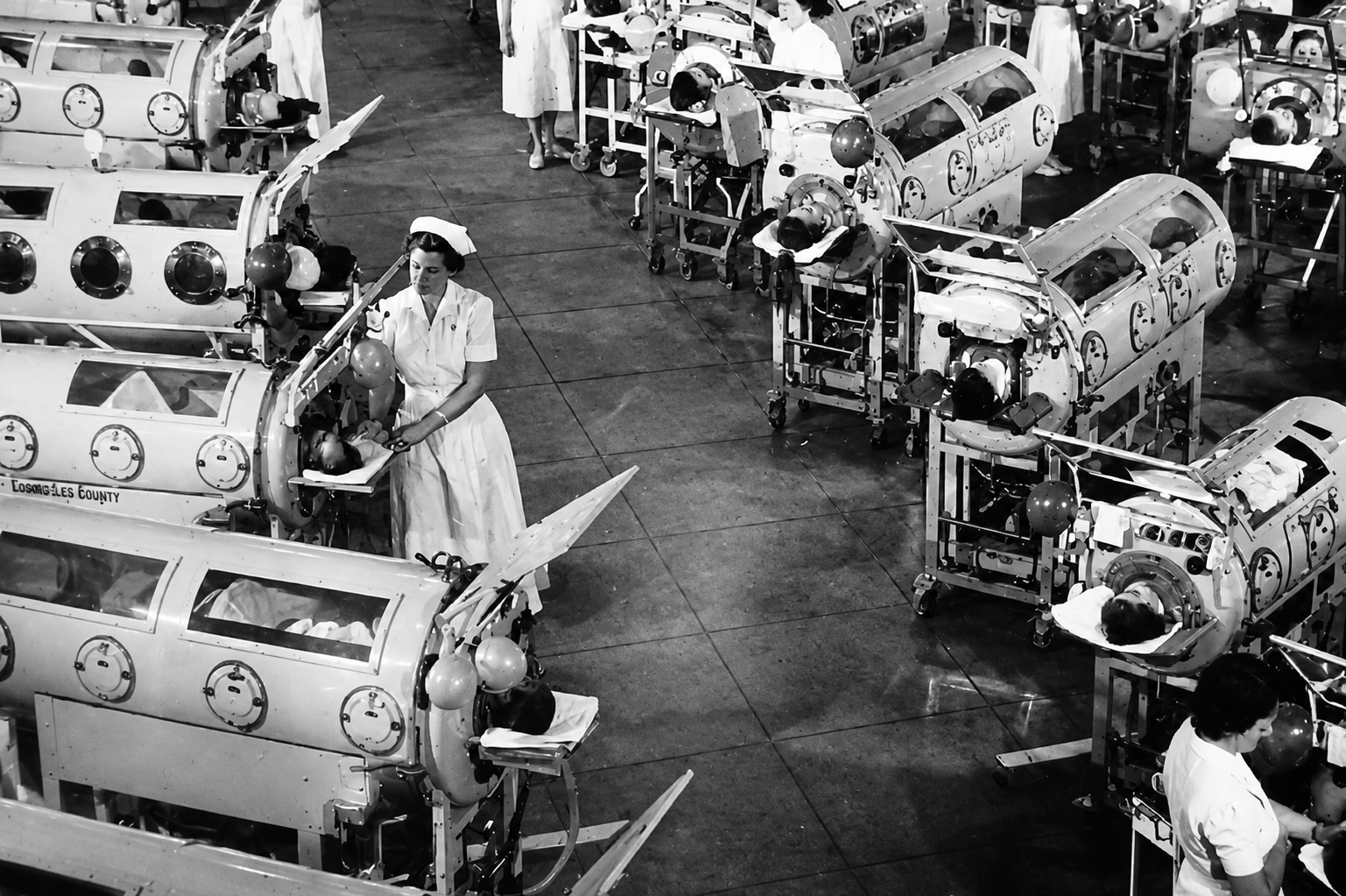
Martha Ann Lillard, believed to be the last American living in an iron lung, died in June 2026 at the age of 78 after spending more than 73 years dependent on the life-sustaining machine. She contracted polio on her fifth birthday in 1953, two years before the polio vaccine became widely available. The disease left her completely paralyzed and unable to breathe independently, making the iron lung essential to her survival.
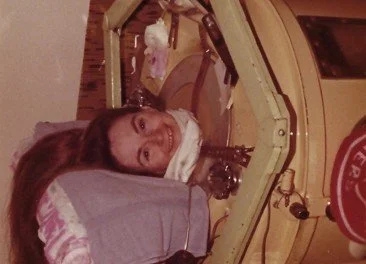
Despite enormous physical challenges, Lillard rebuilt her life. She taught herself to walk again, lived independently for many years, created artwork and poetry, rescued animals, and found love, marrying her husband, Baha Seleh, in 2026. Although modern ventilators were available, none could meet her unique respiratory needs as effectively as the iron lung.
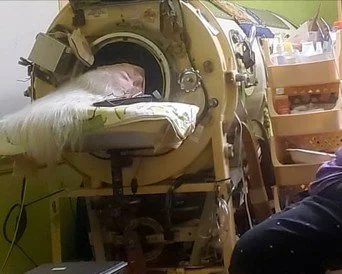
In later years, post-polio syndrome, repeated COVID-19 infections, shingles, and long COVID severely weakened her health, eventually confining her to the iron lung full time. Aging equipment, power outages, and the dwindling number of people able to maintain the machine added to her struggles.
Lillard’s extraordinary life embodied both the devastating consequences of polio and the lifesaving impact of vaccination. Her story serves as a powerful reminder of the importance of immunization, resilience in the face of adversity, and the lasting effects of diseases that many generations have never witnessed firsthand.
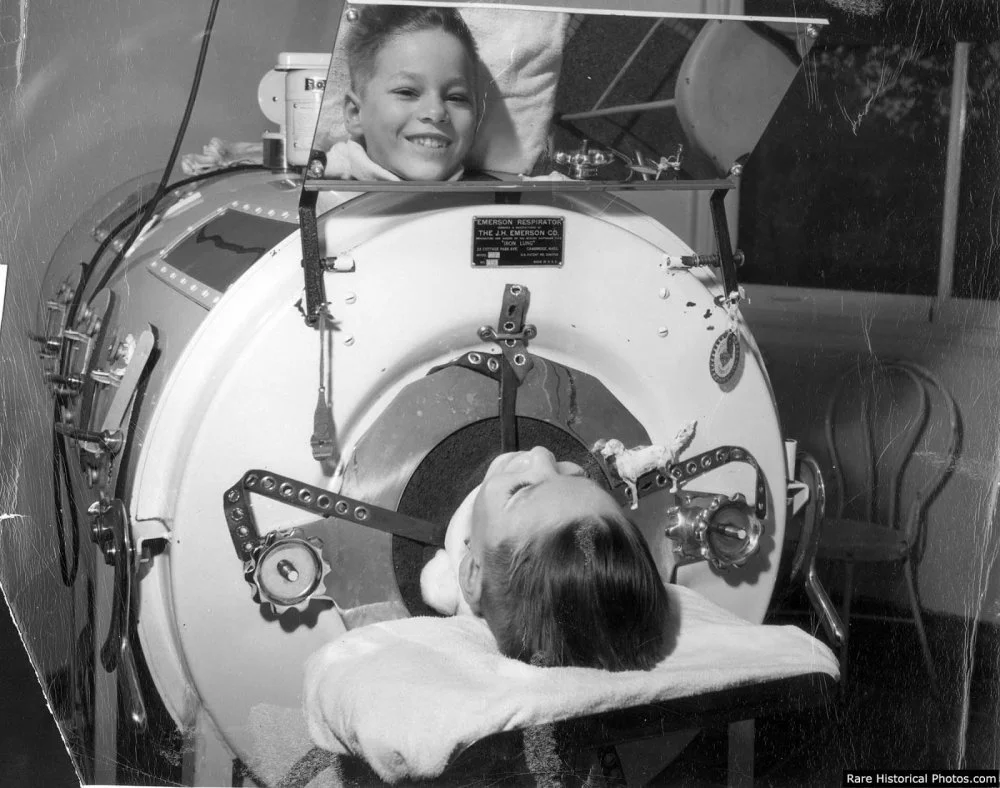
More history on the Iron Lung
The iron lung is a type of negative-pressure ventilator that mechanically assists breathing by enclosing most of a patient's body in a sealed chamber while leaving the head outside. By alternating air pressure inside the chamber, the device causes the chest to expand and contract, allowing patients who have lost control of their breathing muscles to inhale and exhale naturally. It became an essential lifesaving treatment during the devastating polio epidemics of the 1940s and 1950s, when hospital wards were filled with iron lungs supporting patients with respiratory paralysis.
Invented by Philip Drinker and Louis Shaw in 1928 and later improved by John Haven Emerson, the iron lung was eventually replaced by positive-pressure ventilators, which are more practical and effective in most clinical situations. Widespread polio vaccination further reduced the need for the device. Although largely obsolete today, negative-pressure ventilation remains useful for a small number of patients with rare respiratory disorders. Following the death of the last known U.S. iron lung user in 2026, the machine has become primarily a historical symbol of the fight against polio and an important milestone in the evolution of respiratory care.
Life inside an iron lung was physically and emotionally challenging. Patients often spent weeks or months confined to the machine, while caregivers performed nearly all medical and personal care through small access ports. Some individuals remained dependent on iron lungs for life, undergoing intensive rehabilitation to regain breathing strength.
The development of the polio vaccine in the 1950s dramatically reduced the need for iron lungs. They were eventually replaced by modern positive-pressure ventilators, which provide better patient access, monitor vital signs, and remain essential in intensive care and surgery today. Although obsolete, the iron lung’s legacy lives on as a pioneering medical technology that saved thousands of lives and laid the foundation for modern mechanical ventilation.