
HELEN Editorial on Dropping the “L” Word
Summary: From ancient fear to modern stigma, this reflection traces how leprosy—now known as Hansen’s disease—became one of history’s clearest examples of social exclusion. Moving from a childhood memory of Ben-Hur to present-day public health realities, the article explores how disease can strip people of identity through stigma and isolation, and argues that the lasting lesson of leprosy is the need for compassion, inclusion, and empathy.

Rick Rader, MD, FAAIDD, FAADM, Editor-in-Chief, Helen Journal
“The biggest disease today is not leprosy or cancer or tuberculosis, but rather the feeling or being unwanted, uncared for, deserted by everybody.”
-Mother Teresa (1910 – 1997)
I was eleven years old when I first found out about lepers.
Ben-Hur (1959), directed by William Wyler, was an epic dramatic music centered on Judah Ben-Hur, a Jewish prince betrayed by his Roman friend Messala. After years of slavery, Judah returns seeking vengeance, only to find spiritual redemption through the teachings of Christ. It was a blockbuster movie and set a record for winning the most Emmys (eleven) of any movie. One of the most memorable parts of the movie was the “leper scene.”
Ben-Hur’s mother and sister were unjustly arrested and imprisoned for over three years, and Ben-Hur makes his miraculous return to Jerusalem and demands their release. The order is given to retrieve them, but it was revealed they had contracted leprosy and Ben-Hur finds them in the Valley of the Lepers, where they live in hiding.
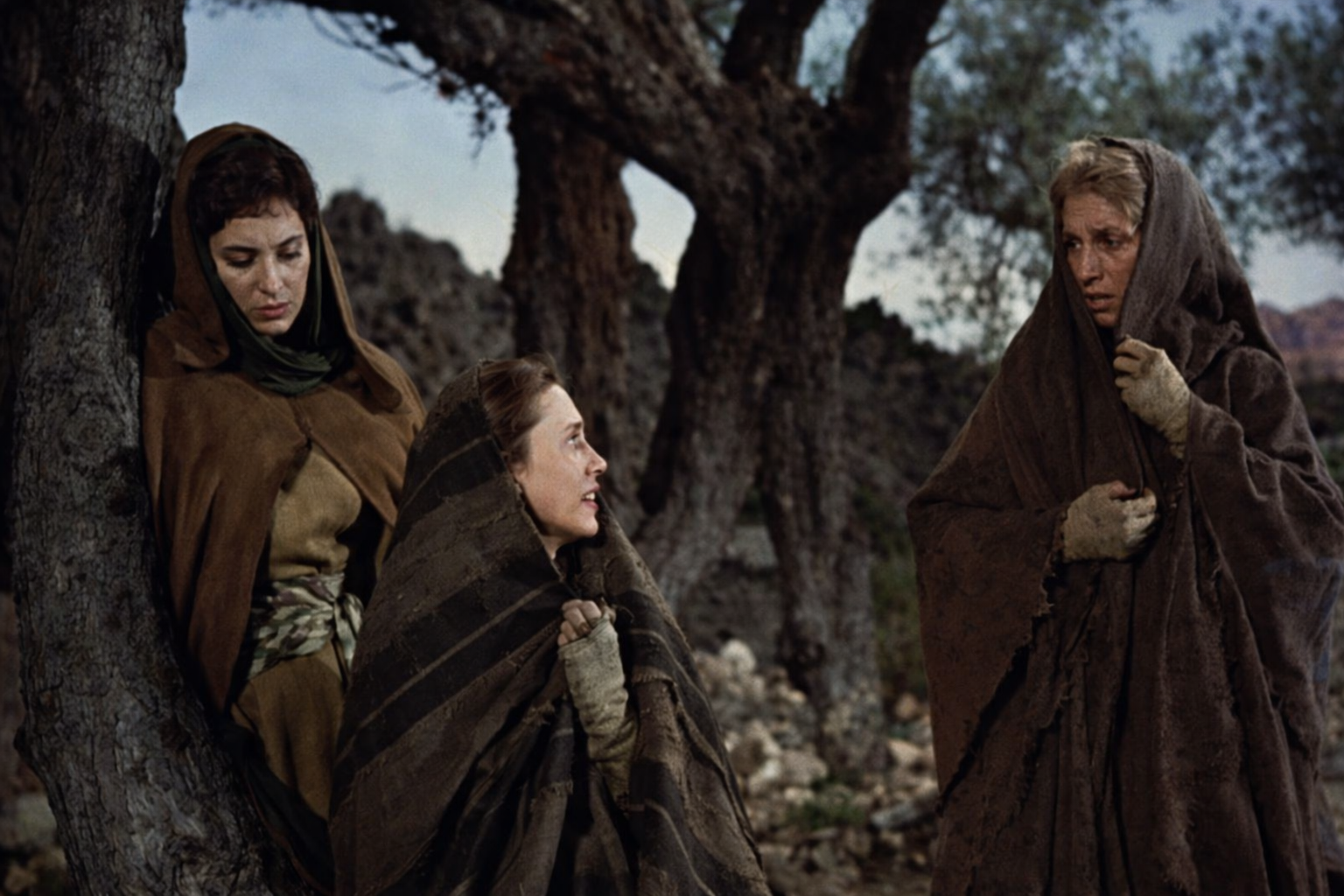
Still from Ben-Hur (1959), directed by William Wyler. Courtesy of Metro-Goldwyn-Mayer.
While leprosy is treatable today, back in the ancient world, contracting leprosy was a slow death sentence, and those who suffered from the disease were condemned to live out their lives in isolation, shunned by the world. We could not see Ben-Hur’s mother and sister because the images would have been too graphic for late 1950s cinema. The dramatic music was used to dramatize the shock of seeing them ravaged by the disease.
Jump cut from Biblical times to the present.
Chile has become the first country in the Americas and second country in the world to be officially verified by the World Health Organization and the Pan American Health Organization for eliminating leprosy. It’s been more than 30 years since the country saw a locally acquired case of the bacterial infection, which can develop slowly over up to 20 years, manifesting as painless lesions or lumps on the skin.
Globally, there are about 200,000 new leprosy cases reported annually in more than 120 countries. Here in the U.S., cases of leprosy are rare, with locally acquired cases even more so. But there’s evidence that the disease is on the rise in Florida and could become endemic. There were at least 36 cases reported in the state in 2025, as compared to 20 in 2024. (But take comfort: Leprosy does not spread easily, and it is curable with antibiotics. Doctors say there’s no cause for alarm with the Florida cases.)
Leprosy is our first experience in transforming a disease into an experiment in social isolation, social injustice, and social stigmatism.
Cassandra Wright observes in “Clinical and Social Aspects of Leprosy (Hansen's Disease) and Contemporary Challenges to Elimination” Journal of Dermatology and Clinical Research (2017)
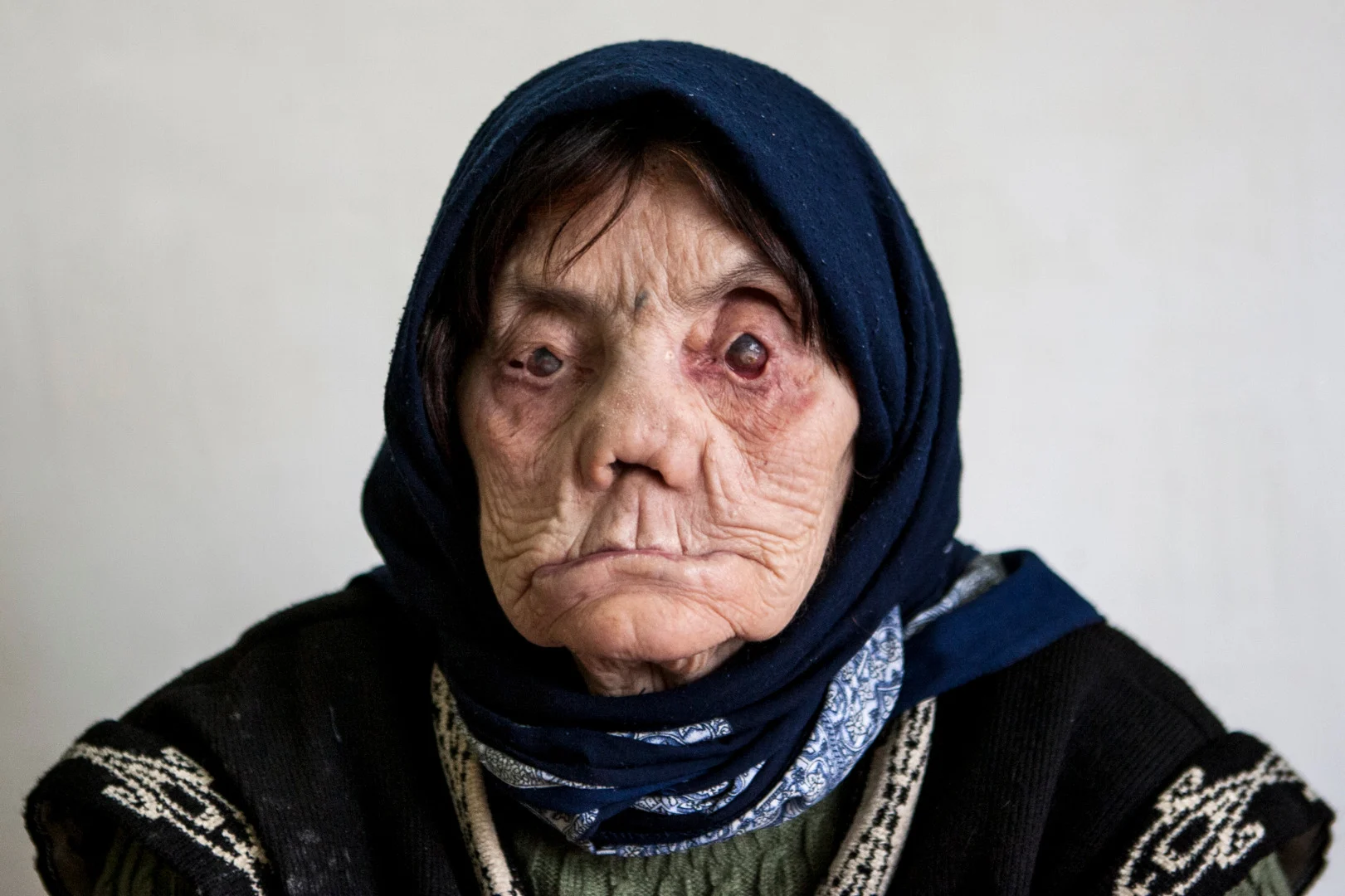
Facial disfigurement caused by Hansen's Disease (leprosy).
Leprosy stigma is a type of social stigma, a strong negative feeling towards a person with leprosy relating to their moral status in society. It is also referred to as leprosy-related stigma, “lepro stigma,” and stigma of leprosy. Since ancient times, leprosy instilled the practice of fear and avoidance in many societies because of the associated physical disfigurement and lack of understanding behind its cause. Because of the historical trauma the word leprosy invokes, the disease is now referred to as Hansen’s disease, named after Gerhard Armauer Hansen, who discovered Mycobacterium leprae, the bacterial agent that causes Hansen’s disease.
Those who have suffered from Hansen’s disease describe the impact of social stigma as far worse than the physical manifestations despite it being only mildly contagious and pharmacologically curable. This sentiment is echoed by Weis and Ramakrishna, who noted that “the impact of the meaning of the disease may be a greater source of suffering than symptoms of the disease.”
The American sociologist Erving Goffman defined stigma as “spoiled identity.” In most cases of disability-based stigma we not only remove the individual’s identity, but we reassign it, we relabel them and we reassign a negative societal value and role to them. Hence, we take individuals who happened to be overcome by a bacteria and give them the dreaded “L” word…. leper.
While the disability community has rallied to the campaign to End the “R” Word, perhaps there is a need to rekindle the assault against the “L” Word. We have witnessed the emergence of new strands of bacterial and viral agents and perhaps there is a strain that is currently incubating that could unleash another Biblical feared condition. The last thing we need is to punish people for being downwind to disease supporting winds.
If the legacy of leprosy has taught us anything it’s the needed values of a compassionate society…. inclusion, tolerance, and empathy.
Dr. Rader has visited defunct leper colonies in Trinidad (Chachas’re Island), Louisiana (Carville Leprosarium) and South Africa (Robben Island).