
Sensory Sunrise
Small Sensory Moments, Big Therapeutic Change
Dr. Janice Ryan

Catch the moment before it disappears: a hand reaches toward soft light, breathing slows near a familiar sound, or a client returns repeatedly to one comforting sensory choice. In those small moments, a clinical story is already beginning.
Stories help us understand what we notice, what matters, and what to do next. Every person, community, and nation uses stories to make sense of experience and share what they have learned.
This human habit is ancient. In notched bones from 20,000 years ago, we can see early people counting, tracking, and organizing daily life. Today, we might call this story sensemaking.
A bone tally may have helped a group remember passing days, animal movement, or how food was shared. The marks were more than numbers. They helped people hold an experience long enough to understand it.
In AAMSE Certified practice, story sensemaking helps us see what is happening in a therapeutic multisensory environment (MSE). It also helps us explain the approach in a clear, practical way. From these stories, useful clinical insights emerge.
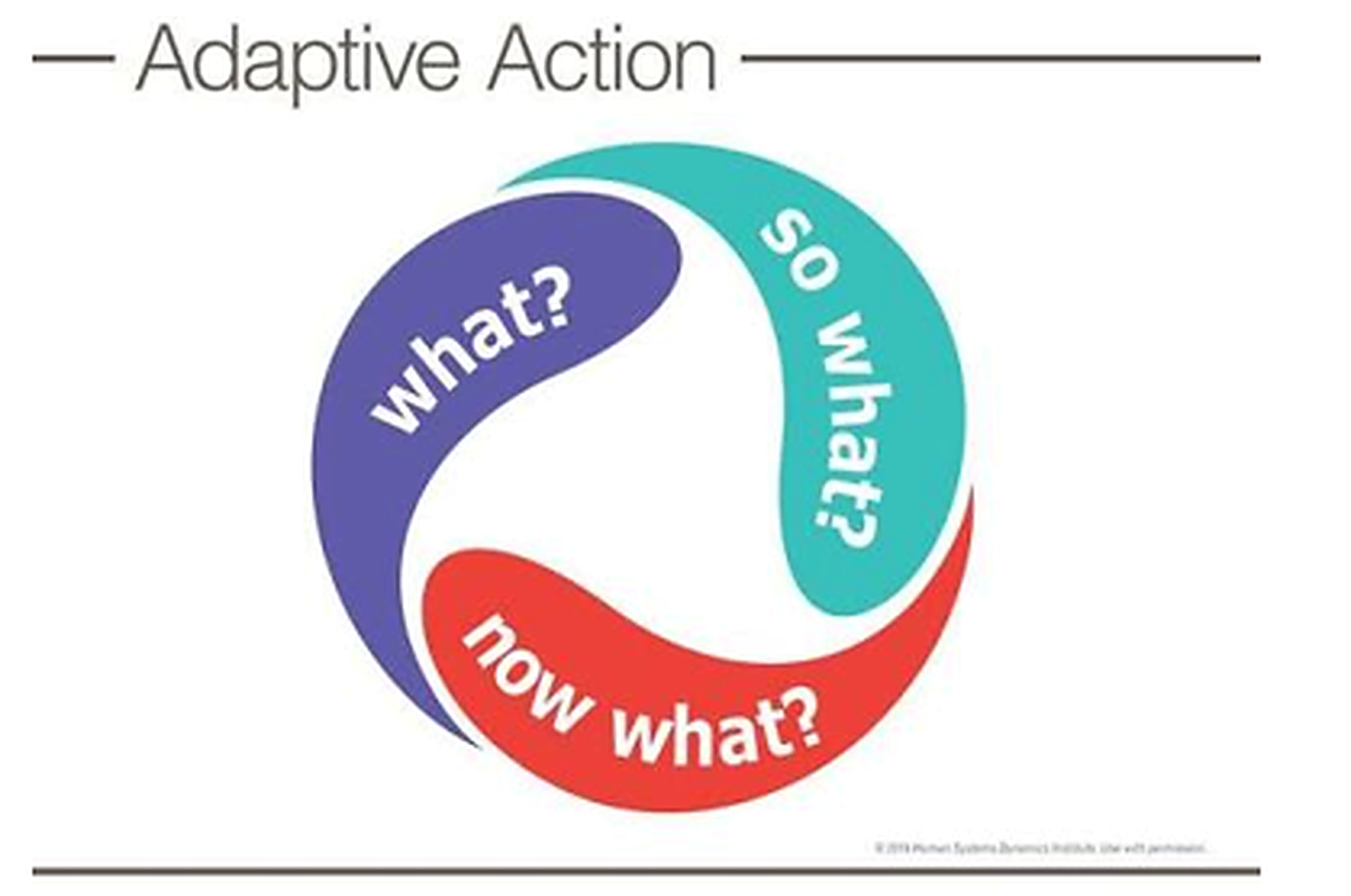
AAMSE Certified Practitioner Stories The process begins with a simple rhythm: notice carefully, make sense of what is happening, and decide what to offer next. AAMSE Certified Practitioners use a clinical action plan built around three guiding questions: What? So what? Now what?
An AAMSE Certified Practitioner Story grows through small exchanges among the client, the practitioner, and the MSE effects. A client may reach toward a light, pause when a sound begins, or return to a preferred sensory experience. Each action gives the practitioner useful information. Together, these moments form a simple three-chapter story.
Chapter 1 Keeps Asking “What?”
A practitioner may begin by asking, “What happens when this client has a safe place to choose what they want to do?” When pressure is removed, the client often has more room to relax, enter, and explore the therapeutic MSE. Even entering the room is a choice. When the client can see what is available, the room may begin to feel safe enough to enter and interesting enough to explore.
This is called choice architecture. In a therapeutic MSE, choice architecture means arranging visible, inviting options so the client can decide what feels safe and interesting.
Visible choices may prompt the client’s first “What?” question. The client does not have to explain or perform. The invitation is simply there, allowing the client to enter on their own terms. In this first chapter, the practitioner watches for what the client notices. The story begins not with instruction, but with discovery.

Chapter 2 Keeps Asking “So What?”
For example, a practitioner might offer nature sounds, white noise, music, and silence. If nature sounds help the client breathe more slowly or stay near the sound source longer, that small response matters. It may point to comfort, curiosity, or regulation.
Each MSE effect offers information. A client may discover, “When I touch this fiber optic, something changes.” That discovery can lead to the next question: “So what does this mean for me?”
At this stage, the practitioner does not rush the client into a decision. Instead, they wait and watch as the client begins to understand, “I can make this feel-good experience happen again.”
The practitioner keeps asking, “What small feel-good changes are showing up in this client’s independent choices?” The answer may be subtle, such as slower breathing, longer calm attention, or a repeated return to one sensory effect.
If a client approaches the bubble tubes and then steps away, that change still matters. It tells the practitioner something about preference, timing, or readiness.
If a client goes straight to the fiber optic strands, the practitioner may gently build on that interest by offering a related choice, such as another texture, a new color, or a slightly more complex action.
Chapter 3 Keeps Asking “Now What?”
When a client makes a clear, repeated choice, the practitioner asks, “Now what can I offer to help this small change grow?” This is where the therapeutic MSE becomes a place for expanding comfort, agency, and meaningful participation.
For example, favorite music may add energy and motivation for more coordinated movement in a hammock swing. The client’s experience begins to move from noticing, to meaning, to action.
Movement on a swing is never forced. It is made available in a warm, respectful way. When rhythm, music, and movement are meaningful to the client, small feel-good changes can grow into play, participation, and stronger behavioral agency.
Each Clinical Story is Shaped by Adaptive Action Cycles Together, the three questions create an adaptive rhythm: What? So what? Now what? In Human Systems Dynamics (HSD), this is called Adaptive Action Cycle. Over time, the cycle helps practitioners move from observation, to meaning making to thoughtful action.
A clinical story might begin when a client chooses fiber optics. It may continue when the practitioner sees that the choice supports calm attention. The next action might be to offer a related visual effect that is slightly more complex. The story keeps unfolding at the client’s pace.
In the next post, I will show how the AAMSE Certified Practitioner’s Clinical Story Sensemaking Process can help demonstrate the benefits of this therapeutic approach. We will look at how small feel-good changes can build over time into more complex and meaningful client behavior.
Closing take-away: In AAMSE Certified practice, meaningful change often begins quietly. When practitioners notice carefully, make sense of small responses, and offer the next respectful choice, sensory experiences become more than activities—they become pathways to comfort, agency, and participation.
About the Author

Dr. Janice Ryan, OT, HSDP, is a certification trainer for the American Association of Multisensory Environments (AAMSE) and Founder/Director of Attunement Solutions, where she helps improve quality of life and relationships for neurodivergent children and adults. With five decades of clinical psychology experience, advanced degrees in Occupational Therapy, and 20 years as a Certified Human Systems Dynamics Practitioner, Dr. Ryan brings a broad, whole-person view of mental health and well-being. Her approach supports small, meaningful life changes that help clients build more satisfying lifestyles. She has published peer-reviewed articles and family-focused resources, trains new practitioners in her treatment model, and develops online quality-of-life communities for neurodivergent adults.
Connect with Dr. Ryan at janice@attunementsolutions.com.