
A Book Review of Cross-Cultural Quality of Life: Enhancing the Lives of People with Intellectual Disability (Second Edition)
Elena Salgado
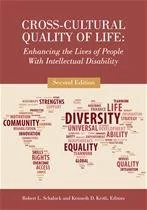
Cross-Cultural Quality of Life: Enhancing the Lives of People with Intellectual Disability (Second Edition), edited by Robert L. Schalock and Kenneth D. Keith, is a valuable resource for understanding quality of life and how to research, assess, and improve it for people with intellectual disabilities. This book is dense and complex, particularly in its presentation of evidence-based research. Its multifaceted approach and practical applications at the individual, organizational, and societal levels demonstrate how quality-of-life research can inform person-centered practices, strengthen advocacy, and guide the development of individualized support.
Another great strength of the book is its discussion of the people around Cody. Cody’s family and the iThe book’s greatest strength is its approach to cross-cultural research. This approach emphasizes the importance of considering the many dimensions of a meaningful life rather than reducing individuals to diagnoses or isolated measurements. Its attention to assessment methods, ethical considerations, and the humanity of people with disabilities is particularly valuable. The inclusion of personal stories reflecting diverse backgrounds, abilities, interests, and experiences further reinforces the importance of recognizing each person as an individual rather than making assumptions based on a disability.
My interest in neuropsychology made this book particularly engaging to me, as I found the discussions of assessments and research especially engaging. However, its highly academic writing made it remarkably challenging, which means it is even less accessible to general readers. I would recommend this book to researchers, clinicians, advocacy leaders, and organizations that provide services to people with disabilities. Overall, I believe this book should be required reading for organizations in the disability field because it would provide both a research-based framework for improving quality of life and a compelling reminder that services should be guided by the needs, preferences, and dignity of the people they support.
About the Author
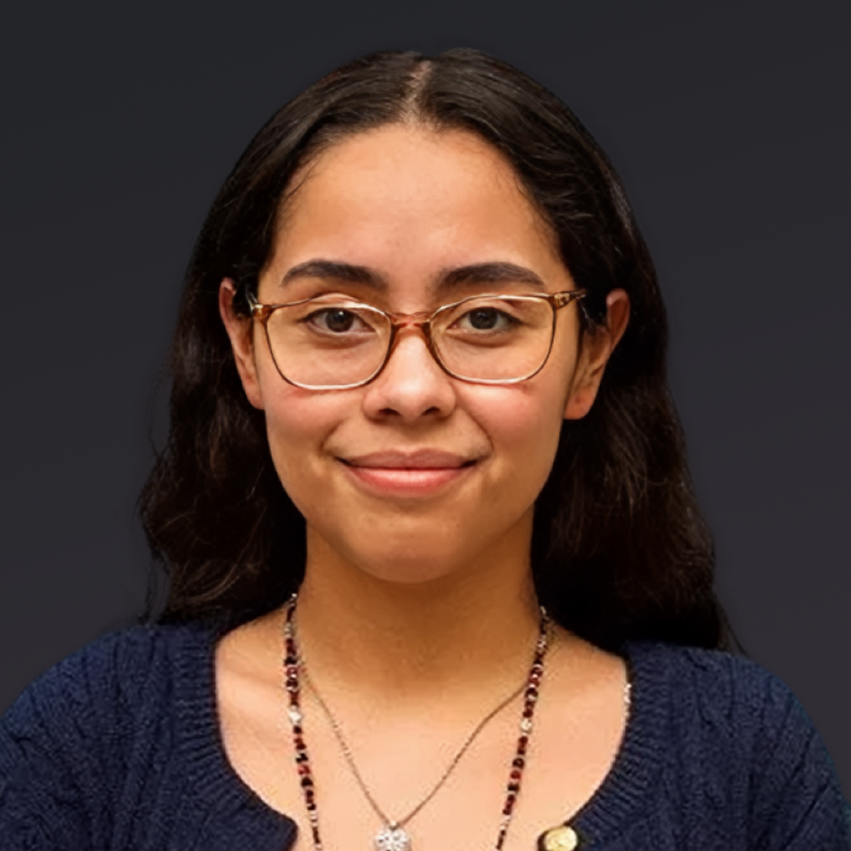
Mayra Elena Salgado immigrated from Honduras to the United States at age nine. She graduated with highest honors from the University of Tennessee at Chattanooga, where she was inducted into Phi Theta Kappa and the Alpha Society for her academic and research achievements. She currently works as a coordinator for the Family Support Program at a nonprofit organization. Salgado plans to pursue a master’s degree and doctorate in psychology and hopes to become a neuropsychologist contributing to research and advocacy.