
Disability Awareness and Disaster Preparedness; How can you help?
By Jason Rechtman, MA, MBA, LPC, NADD-DDS
Summary: Recent, frequent severe weather in New Jersey highlighted the extreme vulnerability of individuals with disabilities in group homes during power outages, prompting a call for improved emergency preparedness. Author Jason Rechtman advocates for volunteering with the Medical Reserve Corps (MRC), which provides specialized, FEMA-aligned training to prepare for emergencies, including addressing specific needs related to intellectual and developmental disabilities (IDD). Individuals, including those with IDD and their families, are encouraged to contact their local health department to join the MRC and strengthen local response efforts.For more details, visit the Medical Reserve Corps at mrc.hhs.gov.
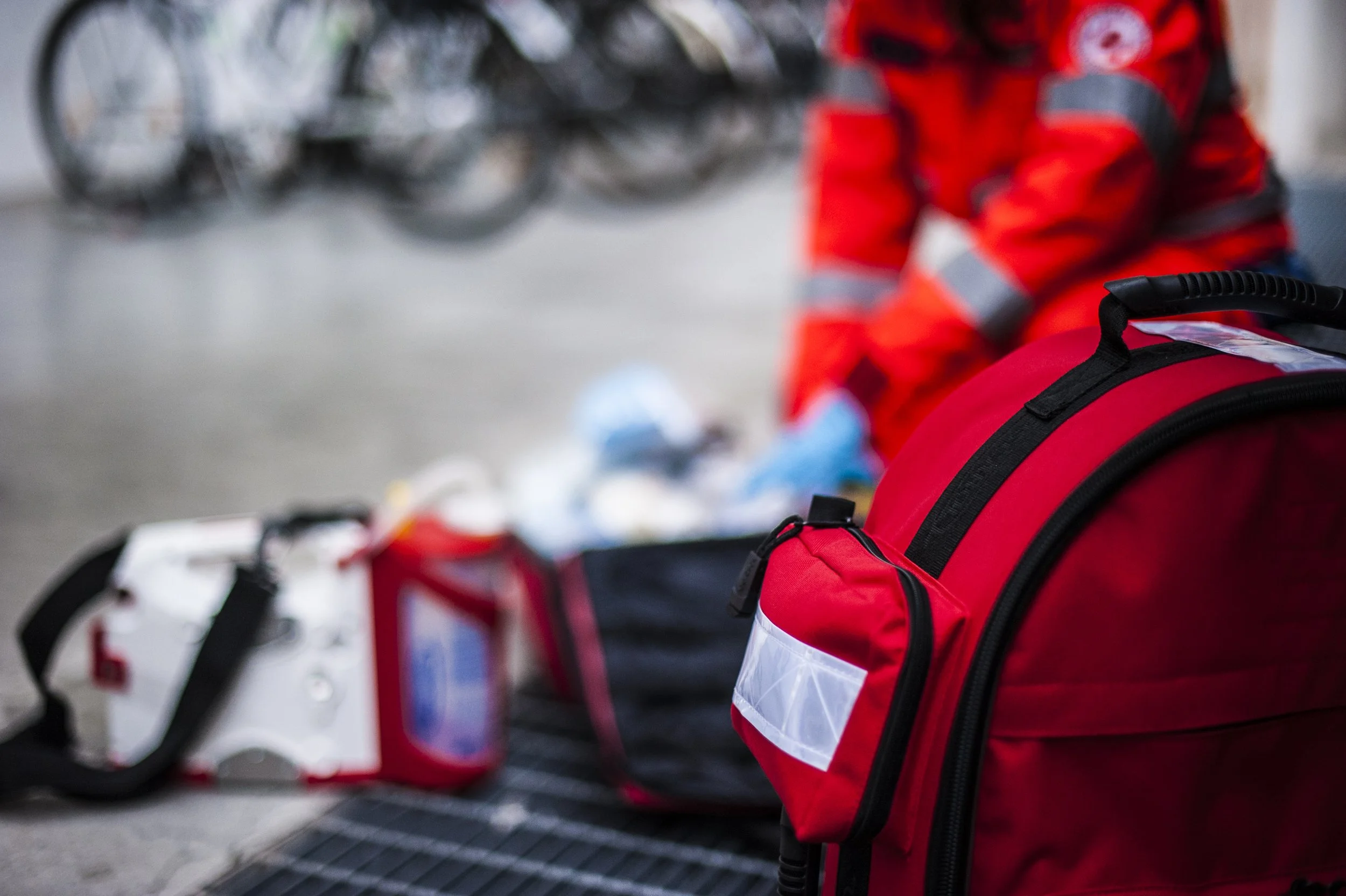
A recent heatwave in the NJ area with subsequent power outages caused “unexpected” issues across the area. Specifically, at group homes, and other forms of congregant housing to support people with disabilities, these outages lasted for several days. It's important to note; these were not hurricanes, they were typical summer afternoon thunderstorms. They continue to get larger, more frequent, and more costly; both metaphorically and financially. In recent years, we have had tornadoes which were unheard of in this area.
This is not an article about the weather; however, it is a call to action for anyone consuming this information. Emergency managers and first responders need our support. As you may know, people with disabilities are particularly more vulnerable during emergencies and disasters (NCD, 2023). This is due to a few factors, none of which the person with a disability has control over. What they, and those in their lives do have, is control over preparing for circumstances that are out of their control, before they occur.
Talking about disaster preparedness through the lens of developmental disabilities adds yet another level of complexity into a chaotic formula. This is where you, the reader/advocate, can engage, regardless of your background and experience. If you are consuming this information in any capacity, you can help this effort from almost any county in The United States.
Founded shortly after the horrific events of September 11th, 2001, The Medical Reserve Corps (MRC) was created to serve as a backup cadre of trained medical and healthcare professionals that could support the healthcare system during surges in demand. Deployments range from preventive and minor, local scenarios to broad emergencies or disasters such as their COVID-19 response and involvement in H1N1/Ebola screenings. They are a network of units across the country made up of volunteers as well as county/city health department employees that follow a unique model.
Sitting under Health and Human Services and within the Administration for Strategic Preparedness and Response, the MRC volunteers are provided with required training that are often similar or the very same training being provided for FEMA deployments, adjusted for volunteers. The volunteers are tasked with a multitude of responsibilities depending on having a healthcare background or not, but everyone volunteering is assigned meaningful tasks, ranging from signing people into a disaster shelter, to administering vaccines, drawing blood, and assisting in search and rescue.
As a volunteer, I was able to demonstrate to the health department that there were needs not being addressed in their training courses while offering free training to the unit. Once I was able to show the unit the clear needs for basic understanding of common comorbidities, communication needs, hypersensitivity, the fatal five, etc., it became evident that there was buy in. We have since created and provided a 7-part training series to the Philadelphia MRC. These trainings include real-world scenario discussions surrounding the unit’s experiences and challenges specific to supporting people with disabilities. One example is showing evacuation vehicles that are clearly not designed with anyone in mind, outside of those without ambulatory difficulties, let alone more complex medical and/or mental health related needs.
These granular discussions often lead to ethical considerations for what it means to triage during a disaster and emergency as it is happening. These sobering conversations are provocative by design so as to engage decision makers to be more inclusive in their policy creation. We are also aiming to train beyond how we approach people with disabilities during disasters and emergencies, we are training to be preventive and prepared as well.
Our (MRC) preparedness focus in 2026, was preparing for the FIFA World Cup. As a result, there were MRC volunteers, deployed at the World Cup, who had training on IDD and neurodiversity. Some of the topics included understanding hypersensitivities, communication needs, hidden disabilities, diagnostic overshadowing, and basic understanding of both mental and physical comorbidities. Due to the expected influx of people with diverse backgrounds, cultures, spoken languages, and abilities, The World Cup presented itself as an opportune time to demonstrate the need for these training sessions.
Reflecting on my experience having traveled to Paris for the 2024 Summer Olympics, combined with feedback from others with lived experience, we combined both anecdotal story-telling, alongside academically styled lectures to provide a novel and compelling training series.
Whether you are a medical doctor, therapist, someone with IDD, or a family member of someone who does, you can volunteer and change your local unit for the better. Reach out to your local department of health and ask about joining the Medical Reserve Corps in your catchment area. If you are interested in becoming involved in your neighborhood, please reach out to your local MRC, or email me at jrechtman@performcare.org.
About the Author
Jason Rechtman, MA, MBA, LPC, NADD-DDS, is the Strategic Development Director with PerformCare/AmeriHealth Caritas and a national advocate for people with intellectual and developmental disabilities (IDD). A licensed professional counselor, he has spent his career advancing more inclusive behavioral health, crisis response, and community-based support systems.
Jason serves on the Board of Directors for NADD and the co-chair of the Board of Directors for the Mental Wellness and Supportive Services Board of Directors. He has contributed to the field through national trainings, conference presentations, journal articles, and public health initiatives focused on health equity, disaster preparedness, and dual diagnosis. He is especially passionate about reducing diagnostic overshadowing and ensuring that individuals with disabilities and their families have a meaningful voice in shaping the systems intended to support them.
References
National Council on Disability. (2023, May 4). The impacts of extreme weather events on people with disabilities. National Council on Disability.
Rechtman, J. (2026, June). Addressing gaps in intellectual and developmental disability (I/DD) disaster preparedness [Conference presentation]. American Academy of Developmental Medicine and Dentistry (AADMD) Annual Conference
Administration for Strategic Preparedness and Response. (n.d.). History of the Medical Reserve Corps. U.S. Department of Health and Human Services. Retrieved April 29, 2026, from the Medical Reserve Corps historical fact sheet
Baksh, R. A., Pape, S. E., Smith, J., & Strydom, A. (2021). Understanding inequalities in COVID-19 outcomes following hospital admission for people with intellectual disability compared to the general population: A matched cohort study in the UK. BMJ Open, 11(10), e052482