
We are happy to share news from our partner organizations because, as Helen Keller once said, “Alone we can do so little; Together we can do so much.”
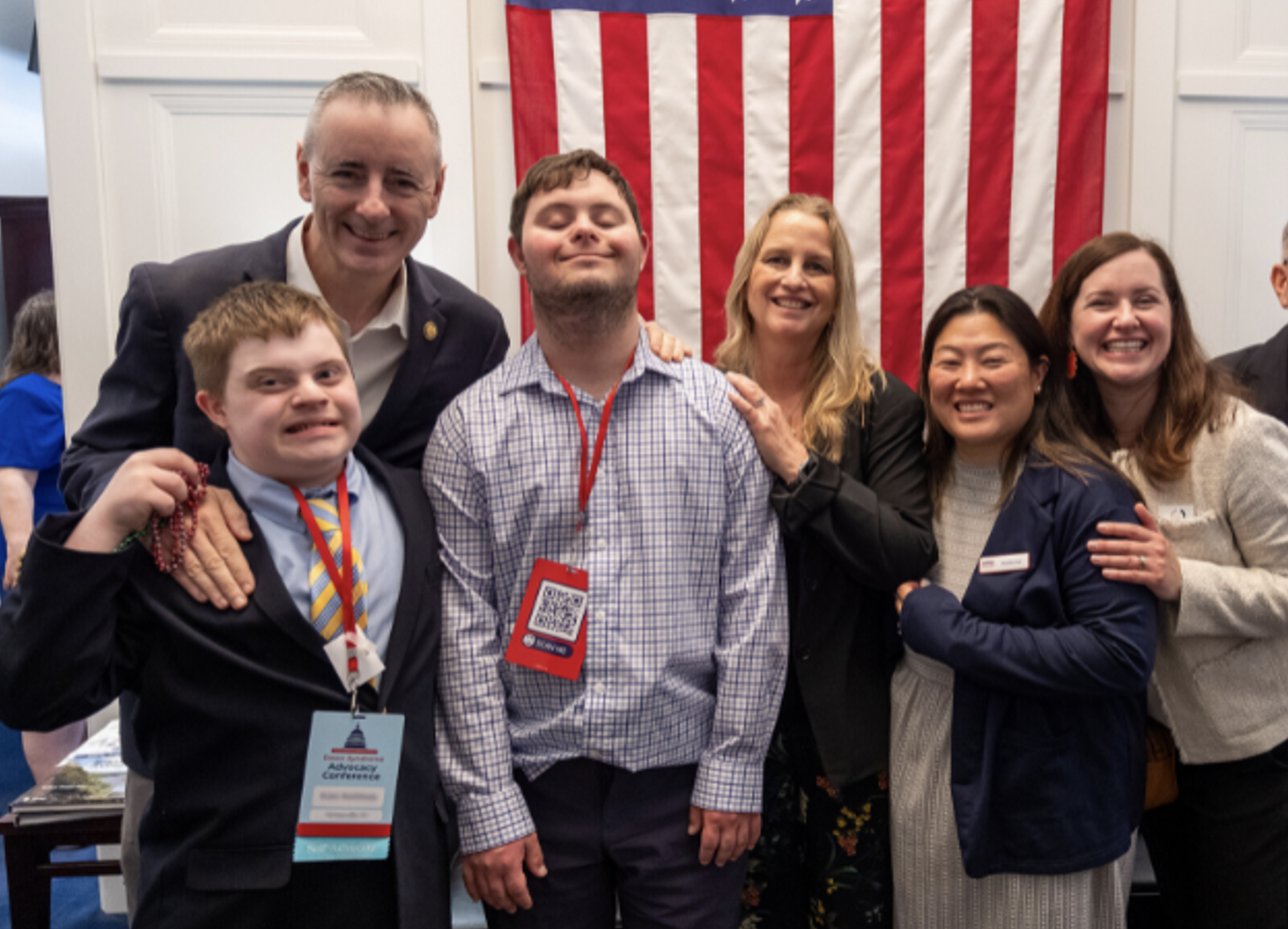
NDSS Down Syndrome Advocacy Conference
The NDSS Down Syndrome Advocacy Conference will be held on May 11-13, 2026, in Washington, D.C. This transformative event brings together advocates, families, professionals, and self-advocates with Down syndrome from across the country to advance meaningful policy change.
The first two days of our conference feature informative workshops preparing attendees to engage with legislators on Capitol Hill, May 13! Attendees are invited to connect with like-minded advocates at our evening reception and dance party.
General Registration ends April 27th 2026.
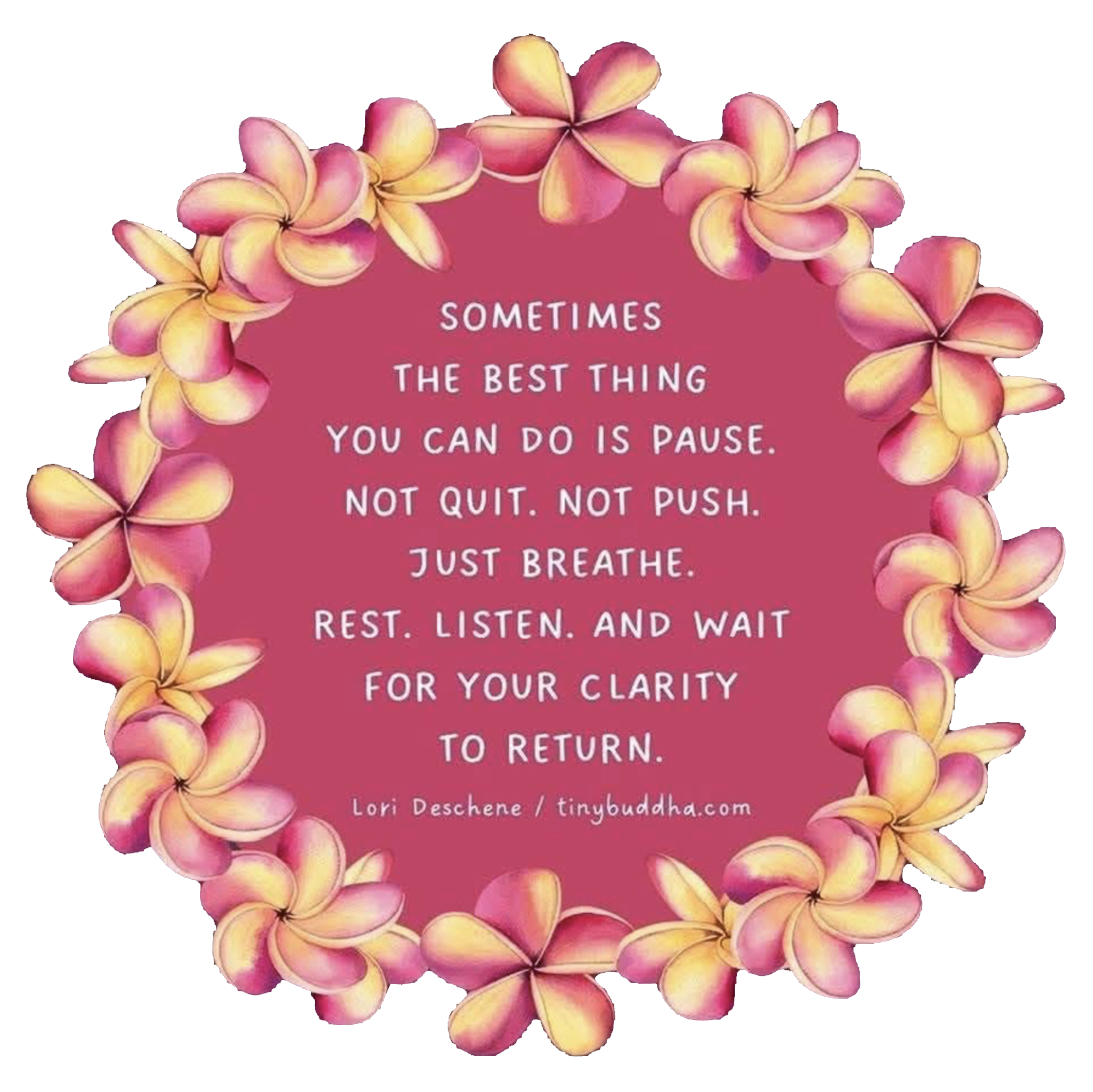
How do you gain clarity? Do you build in time for pausing and resetting?
- Steve Eidelman, National Leadership Consortium Co-Founder
Catch up on all things National Leadership Consortium on Developmental Disabilities
Connect with NLCDD, find out what trainings and events are currently being offered, and access free resources such as the Bulletin!
DSPs as a Social Determinant of Health of People with IDD
We examined their impact on health outcomes and supports
January 13, 2026
By Carli Friedman, CQL Director of Research
Direct support professionals (DSPs) play a vital role in helping promote the health, safety, community integration, and quality of life of people with intellectual and developmental disabilities (IDD). On the other hand, the instability of the DSP workforce – what’s often referred to as the DSP ‘crisis’ – results in people with IDD having worse outcomes.
That’s why I believe the availability, stability, and quality of the DSP workforce should be considered a social determinant of health of people with IDD. Social determinants of health are factors in our lives that, while not necessarily directly related to our health, can either hurt or improve our health. Social determinants of health as a concept are important because they remind us that we have to do so much more than just provide health services in order to promote people’s health and quality of life; as such, we need large structural solutions, rather than individual ones, to improve people’s lives. In this study, to further examine my argument that the DSP workforce should be considered a social determinants of health for people with IDD, I analyzed Personal Outcome Measures® data from 5,457 people with IDD to examine the impact the workforce can have on the health outcomes, health supports, and social determinants of health-related outcomes of people with IDD.
Between 2018 and 2024, 64% of people with IDD experienced DSP turnover. Those people with IDD who experienced DSP turnover were significantly less likely to have the best possible health, including being less likely to have health care professionals identify their best possible health situation, be involved in selecting health interventions, have effective health interventions, and have the health devices and equipment they need (see figure below). For example, regardless of their other demographics, people with IDD who experienced DSP turnover were 1.63 times less likely to have effective health interventions compared to people with IDD who did not experience turnover.
DSP Turnover and Health Outcomes
Relationship between direct support professional turnover and health outcomes. When people with IDD experience DSP turnover, they have: 1.42 times lower odds Health care professionals identify current best possible health situation; 2.01 times lower odds Health interventions selected by person with the health care professional; 1.63 times lower odds Health interventions effective; 1.45 times lower odds Health devices or equipment available and in good repair (if applicable).
When people with IDD experienced DSP turnover, they were also significantly less likely to receive individualized supports to promote their best possible health. When there was DSP turnover, organizations were less likely to know about people with IDD’s wants and needs, provide them adequate support and access to care, and involve the person in their care (see figure below). For example, people with IDD who experienced DSP turnover were 1.55 times less likely to obtain regular medical and health services than people with IDD who did not experience DSP turnover, regardless of their demographics.
DSP Turnover and Health Supports
Relationship between direct support professional turnover and health supports. When people with IDD experience DSP turnover, they have: 1.40 times lower odds Organization knows person’s definition of best possible health' 1.30 times lower odds Supports provided to promote and maintain best possible health; 1.55 times lower odds Organization assures person obtains regular medical and health services; 1.58 times lower odds Organization responds to person’s changing health needs and preferences; 1.57 times lower odds Person supported to be aware of their medical issues and their impact; 1.46 times lower odds Person supported to self-manage their health.
In addition, DSPs also had an impact on outcomes which serve as social determinants of health. In fact, regardless of people with IDD’s demographics, when people with IDD experienced DSP turnover, they had a 19.10% decrease in social determinants of health-related outcomes present, compared to people with IDD who did not experience DSP turnover.
“Our findings suggest the DSP workforce not only has an impact on health and health services, but also on other outcomes which serve as social determinants of health. People with IDD in our study had significantly more social determinants of health-related outcomes when they did not experience DSP turnover, while experiencing turnover hindered their outcomes. Thus, the harms of an unstable workforce can be two-fold, in that it both negatively impacts people with IDD’s health outcomes and health services that aim to promote those health outcomes, and it negatively impacts other areas of people with IDD’s lives that serve as social determinants of health (e.g., employment, community, rights, safety, etc.), which also go on to hinder people with IDD’s health outcomes. The ways the DSP workforce can both directly and indirectly impact people with IDD’s health is precisely why we believe the availability, stability, and quality of the DSP workforce should be considered a social determinant of health for people with IDD” (Friedman, 2025, p. 5).
New York Expands Certification Pathways for Direct Support Professionals
The State of New York’s Office for People With Developmental Disabilities’ (OPWDD) Workforce Development Grants
Direct Support Professionals (DSPs) are the backbone of the OPWDD service system, and targeted investments are needed to recruit, train, and retain these professionals who are so integral to the lives of people with developmental disabilities. OPWDD dedicated a significant portion of its American Rescue Plan Act (ARPA) funds to initiatives designed to recognize the work of DSPs, support recruitment and retention, and enhance workforce skills and capacity. Funds were invested to offer several grant programs that support the professional development, capacity, and tenure of the direct support workforce.
NYS NADSP Certification Grant Program: The New York State National Alliance for Direct Support Professionals (NADSP) Certification Grant Program was launched in August 2022 to expand access to the NADSP E-Badge Academy for Direct Support Professionals (DSPs) and Frontline 1 Supervisors (FLSs). The E-Badge Academy is a national pathway to stackable certifications for DSPs and FLSs (National Alliance for Direct Support Professionals, 2021). At each level of certification, participants in the E-Badge Academy complete a specified number of hours of accredited learning and written testimonials where they reflect on competencies and ethical decision-making exhibited in their work. The levels of certification are DSPI, DSP-II, DSP-III, and FLS. Participants in the FLS certification can choose to participate in the DSP certification levels, but those levels are not required for FLS certification. The NYS NADSP Certification Grant Program aimed to improve workforce quality by providing DSPs and FLSs a structured path toward national certification, while reducing financial and organizational barriers. Through the program, incumbent DSPs and FLSs could access the E-Badge Academy at no cost, receive bonuses upon certification, and count training hours toward compensated work time. Participants accessed the E-Badge Academy through their employers who were selected to participate in the Certification Grant Program.
To read more on this article: opwdd-workforce-project-evaluation-final-report-12-18-25_1
Dr. Arthur Kemoli Co-authors Lancet Article
“Integrating oral health into Kenya’s primary health care system: opportunities and challenges” was published in the November 2025 issue of The Lancet.
A new article published in The Lancet Primary Care & Community Health brings attention to the need to better integrate oral health into primary health care systems in Kenya. The paper, titled “Integrating oral health into Kenya’s primary health care system: Opportunities and challenges” was co-authored by Dr. Arthur Kemoli, a colleague of the University of Washington Timothy A. DeRouen Center for Global Oral Health, whose longstanding work in pediatric dentistry and public health has focused on improving access to care for children and underserved populations. Drawing on local and global expertise, the article examines how oral diseases remain overlooked within primary care despite their high prevalence and close links to other non-communicable diseases, and it calls for stronger policy alignment, workforce training, and prevention-focused strategies.
The publication emphasizes that integrating oral health into primary care is essential for advancing universal health coverage and reducing health inequities, particularly in low- and middle-income countries. Dr. Kemoli’s contribution reflects his leadership in oral health education and research in East Africa. By highlighting practical pathways for integration, the article provides policymakers, health professionals, and global health advocates working to ensure oral health is recognized as a fundamental component of overall health.
NIH prioritizing disability health research
The National Institutes of Health just announced its first strategic plan for disability health research. Disability advocates are thrilled. The federal government has been slow to recognize the unique health needs of this group, only formally recognizing people with disabilities as a population with health disparities in 2023. The report will shape which studies and projects receive funding through 2030.
Embrace The Dignity of Risk: Virtual Training
March 18th, 2026 ● 9:00am - 1:00pm CT ● $75 per registrant
People learn in all sorts of ways! Sure, you could watch videos, read books, or browse online, but one of the most effective methods is to truly put yourself out there, live your life, and actually try new things. However, as with any experience, there are inherent risks involved. Whether you’re playing a sport, picking up a hobby, or broadening your social circle – you could fail, you could get hurt, you could be disappointed.
In the disability services system, which can have risk-averse approaches and more ‘paternal-style’ practices, people with disabilities are often not supported to have new experiences due to the perceived risks involved.
In this virtual training titled ‘Embrace the Dignity of Risk,’ attendees will discover how to help people in building new knowledge, having new experiences, and gaining new skills, all while understanding the value that risk can often provide. There will be time to consider how to advocate with someone or on someone’s behalf either in a formal meeting or in day-to-day conversation. We’ll delve into the impact of informed choice and how that can influence decision-making. You’ll also learn how the Three E’s (Education, Experience, and Exposure) can help drive your supports. By the end of this training, you’ll have specific takeaways to help shift not only your mindset, but also your practices, from being hesitant and not sure how to support risk-taking to understanding the very real benefits of risk!
Training Objectives
Realize how aversion to risk can negatively impact quality of life
Connect the dots between Dignity of Risk and demonstrating respect
Find out how the Three E’s (Education, Experience, and Exposure) can support the Dignity of Risk
Explore strategies for shifting mindsets and day-to-day practices
Understand the real-world benefits of people taking risks
Click the button below to sign up for the virtual training. The registration fee is $75 per attendee. Registrants from organizations that are pursuing or have achieved CQL Accreditation can receive a 5% discount. To obtain the discount, please contact CQL prior to registering to receive a coupon code.
2026 United Cerebral Palsy Affiliate Leadership Summit: Together We Rise
At the 2026 Affiliate Leadership Summit in January, leaders from across the UCP Network gathered for three days of strategic planning, leadership development, and peer-to-peer learning. Together, affiliate leaders explored shared challenges, exchanged innovative ideas, and strengthened collaboration in support of the disability community.
Through open dialogue and focused discussion, participants aligned around four collective goals that will help guide UCP’s direction and elevate the impact of affiliates across the network.
The relationships built and insights gained during the summit reinforced the power of working together as a unified network — because progress is strongest when it’s shared.
Momentum Builds for Recognizing Direct Support Professionals
In the three months since the Recognizing the Role of Direct Support Professionals Act (H.R. 6137/S. 3211) was reintroduced, dozens of members of Congress have added their support for establishing a Standard Occupational Classification (SOC) for Direct Support Professionals (DSPs). Advocates are now encouraging continued outreach to build momentum and expand bipartisan backing for the legislation.
» Ask your members of Congress to cosponsor this bill!
Direct Support Professionals are widely recognized as the backbone of the home- and community-based services system. They provide essential supports that allow people with intellectual and developmental disabilities to live independently, pursue meaningful employment, and remain connected to family, friends, and their communities.
Despite their critical role, the direct support workforce faces significant challenges. Without a distinct SOC defining DSPs as a profession, policymakers lack the comprehensive workforce data needed to fully understand the field’s high turnover rates and chronic staffing shortages. Advocates argue that formally recognizing DSPs within federal labor classifications would help strengthen workforce data collection and inform policies aimed at stabilizing and growing the profession.
Supporters of the bill are encouraging community members, providers, and advocates to contact their members of Congress and urge them to cosponsor the Recognizing the Role of Direct Support Professionals Act. Expanding congressional support, they say, is an important step toward strengthening the workforce that supports millions of Americans with disabilities.
Celebrate the Lives of Those with Down Syndrome
World Down Syndrome Day was created to celebrate the lives of people with Down syndrome and to make sure they have the same freedoms and opportunities as everybody else.
21st March (21/3) matches the 3 copies of chromosome 21. This is unique to people with Down syndrome.
World Down Syndrome Day has been an official part of the United Nations calendar since 2012. You can read the full history of World Down Syndrome Day at the bottom of this page.
On 21st March each year, Down Syndrome International calls everyone to action with a theme to ensure the human rights of people with Down syndrome and works with members to organize worldwide activities and discussions.
Join us to promote full inclusion on World Down Syndrome Day!
More ways to get involved.
We want everyone to know that 21 March is World Down Syndrome Day. But how? The answer is socks!! On 21 March, we wear our boldest, brightest, most eye-catching socks. It’s our way of saying, “Listen up, the Down syndrome community has something to say!”
Project ECHO® Spring 2026 Series Announced
Growing Older with Lifelong Intellectual Disabilities:
When Dementia is Suspected or Diagnosed: Spring 2026 Series
Differential Diagnosis in Aging Adults with Intellectual Disability: Common Treatable Conditions
This Project ECHO series is a free, case-based education program for health care and human service providers seeking to strengthen their skills in supporting people with intellectual and developmental disabilities affected by dementia. Each session features a brief expert presentation, a participant-submitted case and a facilitated group discussion focused on shared learning and practical application.
All sessions are from Noon - 1:15 pm ET
Mar. 30
Recognizing and Managing Gastrointestinal Conditions in Older Adults with IDD and Dementia
Craig Escudé, MD, FAAFP, FAADM, FAAIDD
President, Intellect Ability
Apr. 13
Diabetes and Heart Disease in Adults with IDD and Dementia: What It Looks Like and How to Help
Catherine Conway, MS, RDN, CDN, CDCES
Chief of Nutritional Services and Diabetes Program, YAI National Institute
Apr. 27
Differentiating Psychiatric Conditions from Dementia in Older Adults with IDD
Benjamin Margolis, MD
Co-chair, AADMD Behavioral Health Task Group, American Academy on Developmental Medicine and Dentistry
May 11
Recognizing, Preventing and Managing Delirium in Adults with IDD and Dementia
Seth Keller, MD
Neurologist, Neurology Associates of South Jersey and Co-President, National Task Group on Intellectual Disabilities and Dementia Practices
*May 18
Wrap-Up Discussion
* Please note that the final two sessions are scheduled one week apart.
Our Interprofessional Hub Team of Experts:
Gerontologist Kathleen Bishop, PhD
Administrator Ashara Edwards, MS
Psychologist Matthew P. Janicki, PhD
Nutritionist Catherine Conway, MS, RDN, CDN, CDCES
Neurologist Seth M. Keller, MD
Gerontologist Phillip Clark, ScD
Gerontologist Edward Ansello, PhD
Nurse Practitioner Kathy Service, RN, MS, FNP-BC, CDDN