
Behind the Writing of From Shack to White House
Summary: A Raw, Unforgettable American Story of Survival, Faith, Disability, Leadership and Destiny
Harrisburg, PA — December 7, 2025. Disability rights leader Theo W. Braddy releases his first memoir, From Shack to White House: A Memoir of Four Lives, a powerful, deeply personal chronicle of a journey few could imagine.
Born in a shack in Augusta, Georgia with no running water… paralyzed at fifteen on a Friday night football field… rising to become one of the nation’s strongest voices for disability rights… and finally stepping into the White House as a Presidential appointee — Braddy’s story is a living testimony of resilience, purpose, and the belief that disabled lives are not just valuable, but extraordinary.
Told through “four lives,” each representing a rebirth, a loss, and a hard-won beginning, this memoir reveals:
The trauma of institutionalization
The love of a family that saved his life
His unexpected rise as a national disability rights leader
Private moments with Vice President Harris, President Biden, Judy Heumann, and other icons
His lifelong battle against ableism — and the victories that changed federal policy
A spiritual journey from survival to calling
Braddy says:
“I’ve lived four different lives, each one shaped by pain, faith, and purpose. This book is my story, but it is also the story of every person who has ever had to start over.”
A memoir grounded in truth, vulnerability, and hope, From Shack to White House is not a disability story — it is an American story.
Behind the Writing of From Shack to White House: A Memoir of Four Lives
By Theo W. Braddy
People often ask me, “What made you finally decide to write your story?”
The honest answer? I didn’t write this book because I thought my life was extraordinary. I was actually fearful that readers would reveal it wasn’t impactful at all.
It was only after I wrote it, I realized how many times my life ended and started over again, which led me to believe my memoir might very well be impactful.
In my memoir I write about my four very distinct lives. A childhood in poverty. A life-changing spinal cord injury at fifteen. A life discovering my voice as a leader. And a fourth life that brought me into rooms I never imagined I would enter, even the White House.
Each life began with loss. Each life forced me to start over.
For many years, I carried these stories quietly. I was busy building programs, leading organizations, mentoring others, and fighting for disability rights. I told myself there would be time later to reflect. But later has a way of turning into never.
But there is another reason I wrote this book.
I learned a lot from my mistakes. From my failures. From the times I made the wrong decision, trusted the wrong people, or doubted myself when I shouldn’t have. As painful as some of those lessons were, they shaped me. They helped build the man, father, husband, and leader I eventually became.
And I often think about that fifteen-year-old boy lying in a hospital bed after a football injury, convinced his life was over.
I wish someone could have handed him a book like this.
A book that said:
You are going to fall. You are going to mess up. You are going to hurt and doubt and struggle.
But also:
You are going to rise. You are going to love deeply. You are going to lead. You are going to matter.
That is when I realized this book wasn’t just about looking backward. It was about leaving a guidebook for forward movement, especially for someone standing at the beginning of a life they didn’t choose.
Writing this memoir was harder than I expected.
Not because I didn’t have stories. I have a lifetime of them, but because writing truthfully requires vulnerability. It means reopening moments of pain, fear, embarrassment, and doubt. It means admitting I didn’t always know what I was doing. It means telling the parts where I was scared, angry, or felt forgotten.
There were days I stopped writing because I wondered, “Who would even want to read about my life?”
Then I would remember that this isn’t just my story. It’s a story about resilience, about family, faith, leadership, second chances, and hard-earned lessons. And yes, about living with a disability too.
That kept me going.
If there is one thing I want readers to walk away with, it’s this:
An ending is not the end. It is the beginning of a new life you haven’t discovered yet.
I became paralyzed at fifteen and thought my life was over. It wasn’t.
I lost friendships, dreams, and plans. But I found purpose, love, leadership, and a voice.
Every setback was a set up for a comeback! I didn’t always see it at the time, but looking back, the pattern is undeniable.
This book is my way of telling readers:
You are not finished. Not after the diagnosis. Not after the loss. Not after the failure. You may just be at the doorway of your next life.
I believe this book can speak to many people, but especially:
People living with disabilities who are trying to redefine their future
Families learning how to support someone through life-changing events
Leaders who want to lead with empathy and lived experience
Anyone who has ever had their life take a turn they didn’t choose
But more than any group, I hope this book reaches people who feel unseen, underestimated, or stuck in a moment that feels like the end. I want them to know their story is still being written and their next chapter can be more powerful than the last.
This memoir is not just a record of my life, it is a love letter to the people, mentors, family members, advocates, and friends who walked beside me through each of my four lives.
If readers close this book feeling a little more hopeful, a little more courageous, and a little more willing to begin again, then every vulnerable word was worth it.
Because the truth is, we don’t just live one life.
Sometimes, if we are brave enough to begin again, we get to live four. And who knows, maybe there is a fifth one.
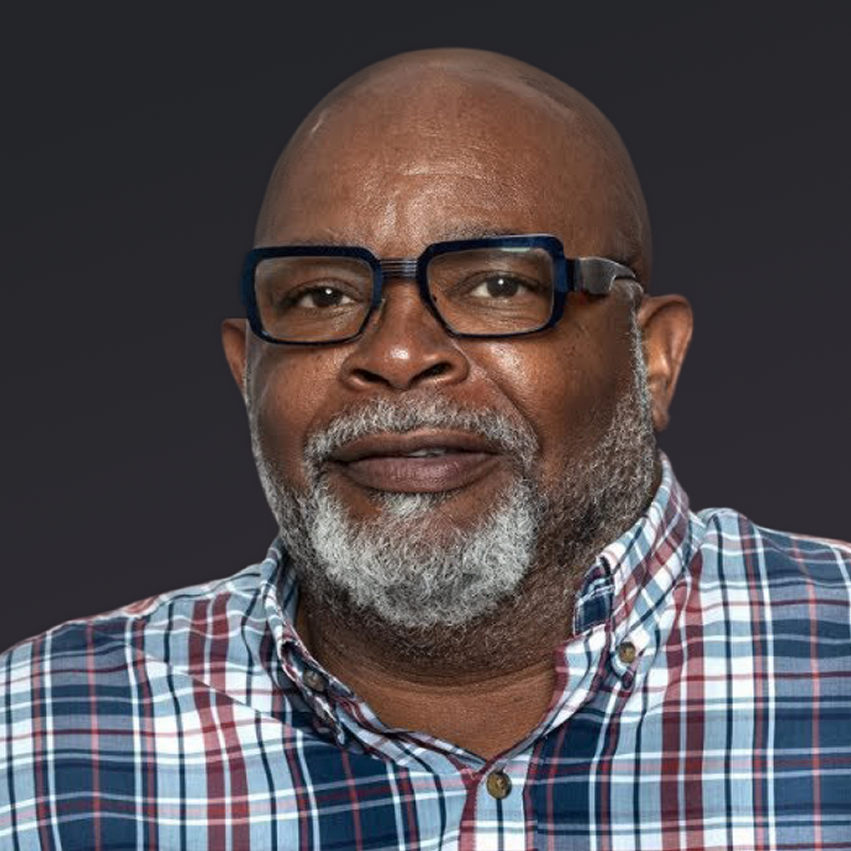
Theo W. Braddy is a national disability rights leader, policy strategist, speaker, and current Executive Director of the National Council on Independent Living (NCIL). Paralyzed at age fifteen, he went on to earn a master’s degree in social work, lead a Center for Independent Living for 37 years, and serve as a Presidential appointee to the National Council on Disability. Theo has shaped state and federal civil rights policy, testified before Congress, and advised the White House on disability issues — all while mentoring the next generation of leaders. He lives in Harrisburg, PA, with his wife Roe, and is the proud father of Kimmi and Theo Jr.