
In Reflection and Gratitude
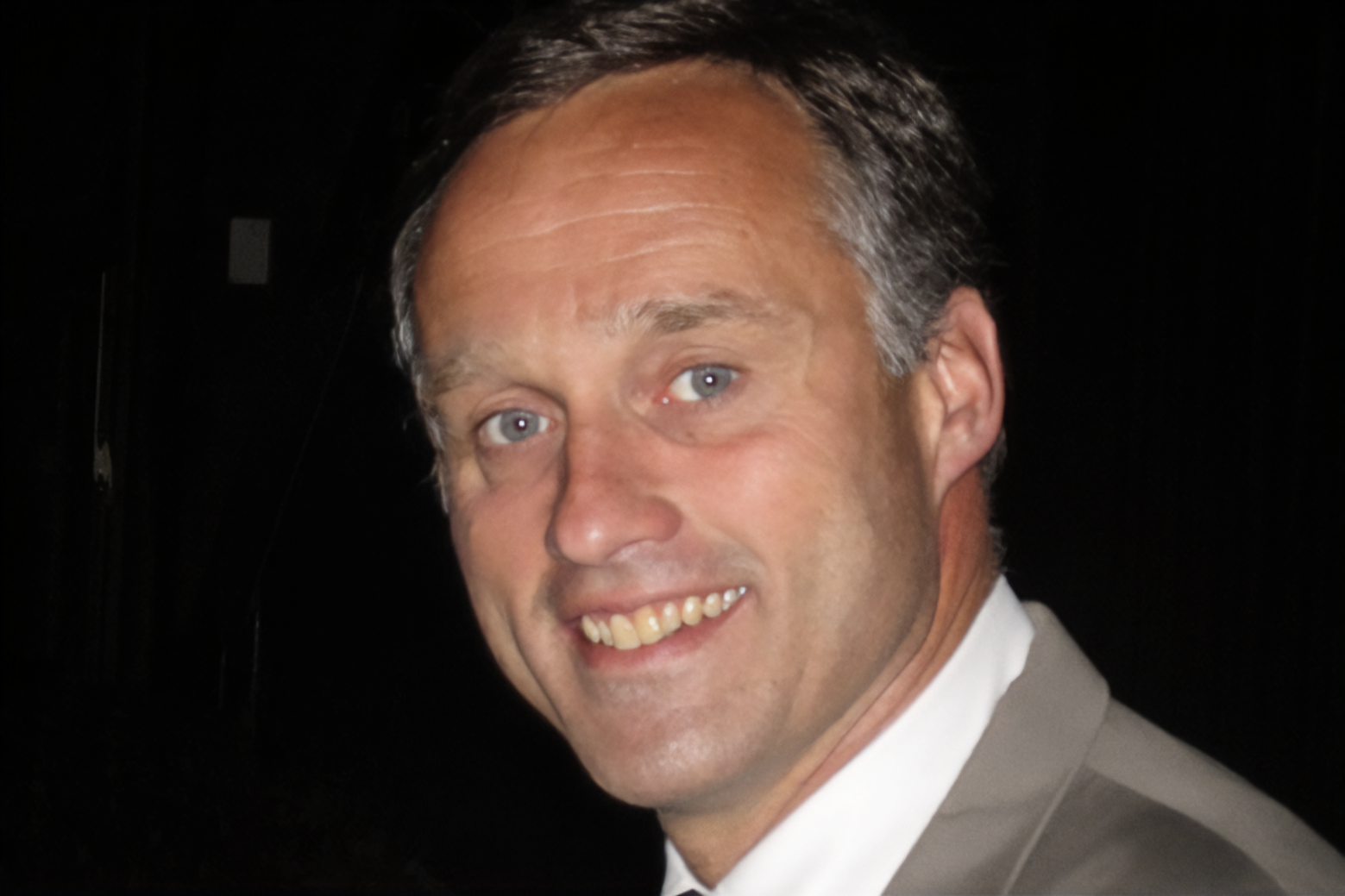
In Memorial: Dr. Paul Creighton 1957-2025
Dian Chin Kit Wells, DDS, MEd
As my role as President of the American Academy of Developmental Medicine and Dentistry (AADMD) comes to a close, I find myself reflecting on the individuals who profoundly shaped my journey. Among them, none looms larger than Dr. Paul Creighton. We lost Dr. Creighton toward the end of 2025, and it feels both necessary and urgent to tell his story.
Dr. Creighton was a pediatric dentist of extraordinary bandwidth. He was always thinking beyond the immediate moment, always one step ahead. His vision extended far past the dental chair. He wanted the very best: for the community, for pediatric dental residents in training, and for dental students still discovering who they might become. That was his purpose. That was his joy.
Some have described what he built as an empire for patient care. He would never have used those words himself, but they are fitting. What he created was expansive, intentional, and deeply rooted in service. Every decision centered on access, dignity, and excellence, especially for those most often overlooked.
My own story with Dr. Creighton began before I truly understood its significance. As a young dental student at the University at Buffalo School of Dental Medicine, I once overheard him speaking with an upperclassman about a patient. Rather than focusing solely on decay or treatment plans, he asked the student to return to the patient and learn something personal, what they liked, what mattered to them. At that moment, I understood that dentistry could be both clinically excellent and profoundly human.
That philosophy defined everything he did.
Months later, during my pediatric dental rotation, Dr. Creighton, whom I was admittedly intimidated by, approached me and asked if I had ever considered pediatric dentistry. At the time, I was a mother of two young children, newly aware of the weight and responsibility that caring for children truly carries. I did not yet see myself as a pediatric dentist, even though he clearly did.
This was a recurring theme in Dr. Creighton’s mentorship. He saw potential long before we recognized it in ourselves. He pushed us, sometimes gently, sometimes firmly, beyond our comfort zones. He was present in the early mornings and late nights, always accessible, always paying attention. We joked that he somehow knew everything that was happening, as if nothing escaped his notice. In truth, he simply cared that much.
After I graduated from dental school, he called me again. At the time, I was preparing to direct the Geneva B. Scruggs Community Dental Center, a clinic deeply embedded in the community I loved. Then, on a Sunday morning after church, Dr. Creighton called and asked me to reconsider pediatric dentistry. I took it as a sign.
He told me, candidly, that he was being selfish. “I’m using you for the community,” he said. I accepted that responsibility with humility and pride. He asked only one thing in return: that I commit to becoming board certified.
I completed the residency. I taught the courses he asked me to teach. I ran the community dentistry programs he built. He worked harder than anyone I have ever known. His dedication to patients, students, and colleagues never wavered.
When it came to individuals with intellectual and developmental disabilities, Dr. Creighton was unwavering. He was all in, long before such commitment was widely recognized or supported. He created programs that allowed dental hygienists to provide preventive care to patients who otherwise might not have had access. He welcomed collaboration with occupational therapy, social work, and other disciplines, understanding that true care is never siloed. He wanted a solid IDD program and asked that we have Dr. Steve Perlman fly in to be in person for our patients and providers, he wanted to assure that we learn from the best.
He fought relentlessly to maintain access to operating room dentistry for patients who could not be treated safely or comfortably in a traditional dental chair. He gave parents his personal phone number, fully aware of the challenges they faced, medical, emotional, and systemic. He did not distance himself from those realities; he stepped into them.
I recall one moment clearly. He asked me to drive more than an hour to follow up on a patient with cerebral palsy and significant brain injury. The home was small and dimly lit, initially unsettling. But when the family opened the door and asked, “Where is Dr. Paul?” explaining that he came every other week...the space transformed. What felt frightening became sacred.
That was Dr. Creighton.
Beyond clinical care, his commitment to community dentistry was unmatched. He supported and expanded Give Kids A Smile initiatives, eventually serving hundreds of children each year with free dental care and education. He helped establish annual Smile Education Days reaching thousands of children in Buffalo Public and Parochial Schools. Dental students participated by the hundreds, each receiving supplies, and yes, T-shirts emblazoned with messages like Choose Kindness and We All Smile in the Same Language. He believed in joy as a tool for learning and connection.
When I spoke to him about TeamSmile years ago, he immediately offered to send students and residents—covering flights and lodging, because he understood the lifelong impact of that experience. He later encouraged us to bring the program to Buffalo and insisted that children with disabilities be included. He supported summer camps in Trinidad following my mother’s passing and sponsored free dental days for underserved communities abroad. My mother adored him.
Faith was central to his life. Every morning, he attended early Mass, lighting three candles, not for himself, but for others in pain, grief, or illness. He carried the burdens of many quietly, consistently, and without expectation of return.
During the COVID-19 pandemic, when we developed the Virtual Medical STEP program, he encouraged us to think globally, connecting students in Buffalo with peers in Africa, the UK, and Trinidad. He supported introducing virtual patient cases including complex cases and cases with patients with disabilities. He believed in early introduction and deeply in opening doors and making young people feel they belonged in healthcare professions. He fought for fairness and opportunity, often placing others at the forefront while remaining behind the scenes himself.
The list of programs he nurtured is long: integrated occupational therapy and dentistry, social work collaboration, orthodontic and sedation services, innovative internships, prenatal and adolescent programs, Special Smiles, refugee outreach, and more. Each reflected his belief that healthcare must be comprehensive, compassionate, and accessible.
I'd like to expand on the innovative internship program. One of the clearest examples of Dr. Creighton’s forward-thinking compassion emerged from what began as a simple outreach event with The Down Syndrome Parents Group of Western New York. That day, we invited teenagers with Down syndrome into the dental clinic, not as patients, but as our guests. Dental students became the patients. Our guests were the dentists. They taught brushing and flossing, explored instruments, and even took rides in the dental chair. Laughter filled the space, barriers dissolved, and roles were joyfully reversed.
What none of us anticipated was what followed.
After the event, a mother approached me quietly. Her son had loved the experience, so much so that he had begun talking about becoming a dentist. She shared a deeper concern: his current internship was ending, and without structure or purpose, she feared he would retreat into his room and that his quality of life would diminish. She asked, almost hesitantly, whether there might be a place for him at our clinic.
I brought the question to Dr. Paul Creighton.
His response was immediate. There was no hesitation, no committee, no concern about feasibility. He simply said, yes. And then, as was so often his way, he expanded the idea. What began as one young man’s opportunity became what Dr. Creighton named the Innovative Internship Program, a structured, meaningful role within the dental clinic for individuals with disabilities.
That young man, Chris, continues to work in Dr. Creighton’s practice to this day. He is not a token presence; he is a valued team member, a role model, and an asset to the office. His presence reshaped how staff, students, and patients understood capability, contribution, and belonging.
This was Dr. Creighton’s genius. He did not see limitations, he saw possibility. He did not create programs for the sake of innovation; he created them because he listened to families, trusted individuals, and believed deeply that everyone deserves purpose, dignity, and a place where they are needed.
The Innovative Internship Program was never about charity. It was about community. About recognizing that healthcare spaces can and should reflect the world we hope to build.
Dr. Creighton never sought recognition. He allowed others to stand in the light. And yet, his influence is unmistakable.
As I step away from my role as AADMD President, I recognize that much of what I have been able to contribute is, in some small way, an extension of his enduring goodness. While we have lost a remarkable leader, we have gained immeasurably from the life he lived and the generosity he gave until his final day.
His legacy lives on ...in programs, in people, and in the countless moments of care that continue because he taught us how to truly see.
So, he was a great loss and all I can say is as we move forward, each of us carrying our own responsibilities in care, education, and leadership, I hope we pause to ask the questions Dr. Creighton always asked: Who is this patient? What do they need to feel safe, seen, and valued? His legacy does not rest solely in programs or buildings, but in the way he taught us to practice, with humility, courage, and deep regard for human dignity. While we may grieve his loss, we continue his work every time we choose compassion over convenience and community over comfort. In that way, Dr. Paul Creighton remains with us, present in the care we give, the students we mentor, and the lives we touch.
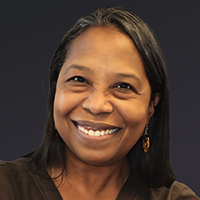
Dian Chin Kit Wells, DDS, MEd
Retired clinical associate professor and pediatric dental program director UBSDM. Board certified pediatric dentist PDS Health Foundation Special Needs Clinic, Co owner of Wells Dental Tucson