
The Case for Designating People with Intellectual and Developmental Disabilities as a Medically Underserved Population
By Crissy Renner
Summary: People with intellectual and developmental disabilities (I/DD) experience significant healthcare disparities, including limited access to trained providers, higher rates of chronic conditions, poverty, and poorer health outcomes. Barbara Kornblau argues that individuals with I/DD should be designated as a Medically Underserved Population (MUP) because they meet many existing criteria, including inadequate access to healthcare, increased infant mortality, and an aging population. However, the current MUP system relies on geographic location, preventing the I/DD population from qualifying because they live throughout integrated communities rather than in concentrated areas. This creates a barrier that conflicts with disability rights principles promoting inclusion and community living. MUP designation would provide access to federal funding, workforce training, research opportunities, and specialized healthcare services. Recognizing I/DD as medically underserved is essential to reducing health disparities and improving healthcare equity.

I have prepared a structured report summarizing the article “The Case for Designating People with Intellectual and Developmental Disabilities as a Medically Underserved Population” by Barbara L. Kornblau, JD, OTR, FAOTA.
Report: The Case for Designating People with Intellectual and Developmental Disabilities as a Medically Underserved Population
Introduction
People with intellectual and developmental disabilities (I/DD) experience significant health disparities, limited access to healthcare, and poorer health outcomes compared with the general population. Barbara L. Kornblau argues that individuals with I/DD should be formally designated as a Medically Underserved Population (MUP) by the federal government to address these longstanding inequities. Although the I/DD population meets many of the existing criteria used to identify underserved groups, including limited access to providers, poverty, increased infant mortality, and an aging population, they remain excluded because the current system relies heavily on geographic location rather than healthcare needs.
The author argues that MUP designation should be based on unmet healthcare needs, not where people live. Because individuals with I/DD have successfully moved from institutional settings into integrated community living through decades of disability rights advocacy, they are dispersed throughout society and cannot meet the geographic requirements of the current designation process.
Background of the Medically Underserved Population Designation
The MUP designation was created in the 1960s to improve healthcare access for populations experiencing shortages of primary care services. Programs were developed to support communities with limited healthcare resources, including migrant farm workers, individuals experiencing homelessness, residents of public housing, and Native Hawaiian communities.
The current MUP designation process uses the Index of Medical Underservice (IMU), which evaluates four primary factors:
Availability of primary care physicians
Infant mortality rates
Percentage of older adults in the population
Percentage of individuals living below the poverty level
Populations that score below a certain threshold are considered medically underserved and become eligible for federal resources, including healthcare programs, workforce development initiatives, and research funding.
Why People with I/DD Meet MUP Criteria
Kornblau presents evidence that people with I/DD satisfy most of the requirements for MUP status.
Lack of Trained Healthcare Providers
One of the greatest barriers experienced by people with I/DD is the shortage of healthcare professionals trained to meet their needs. Many medical and dental professionals receive limited education regarding disability-specific care, communication strategies, and accommodations.
Studies cited in the article found that many healthcare providers feel unprepared to care for individuals with I/DD. Some individuals may need to contact numerous providers before finding one with appropriate training and experience. This shortage results in delayed care, unmet medical needs, and increased health risks.
Higher Infant Mortality and Health Risks
Individuals with I/DD experience higher rates of infant mortality and complex medical conditions. Conditions associated with developmental disabilities, such as Down syndrome and genetic disorders, may involve significant health challenges, including heart conditions, seizures, respiratory issues, and other secondary complications.
These factors contribute to increased healthcare needs throughout the lifespan.
Poverty and Economic Barriers
People with disabilities are disproportionately represented among individuals living in poverty. Many adults with I/DD experience unemployment or underemployment due to systemic barriers, limited opportunities, and lack of workplace accommodations.
Economic insecurity affects access to preventive care, insurance coverage, transportation, and other essential healthcare services.
Increasing Longevity and Aging
Advances in healthcare have allowed many people with I/DD to live longer lives. As this population ages, there is an increasing need for healthcare providers who understand the unique challenges associated with aging and developmental disabilities.
The growing number of older adults with I/DD creates an urgent need for specialized healthcare systems and trained providers.
The Geographic Barrier Problem
The primary obstacle preventing MUP designation for people with I/DD is the requirement that underserved populations generally live within a specific geographic area.
Kornblau identifies this as a contradiction. Disability rights movements successfully fought against institutionalization and segregation, promoting community inclusion and independent living. However, the current MUP system unintentionally creates pressure for individuals with I/DD to live in concentrated communities in order to qualify for healthcare resources.
The author argues that requiring geographic concentration conflicts with disability rights principles, including the goals of the Americans with Disabilities Act (ADA) and the Supreme Court’s decision in Olmstead v. L.C., which affirmed the right of individuals with disabilities to live in integrated community settings.
Consequences of Excluding People with I/DD from MUP Status
Without MUP designation, people with I/DD lose access to many federal programs and resources intended to reduce healthcare disparities. These include:
Federally Qualified Health Centers (FQHCs)
Healthcare workforce training programs
Provider loan repayment and scholarship programs
Research funding focused on health disparities
Grants supporting healthcare innovation and education
The lack of designation also limits incentives for healthcare professionals to specialize in disability healthcare and reduces opportunities to develop evidence-based practices for this population.
Recommendations for Change
Kornblau proposes several strategies to improve healthcare access for people with I/DD:
Federal Legislative Action
Congress should designate individuals with I/DD as a special medically underserved population, similar to other groups already recognized under federal law.
State Advocacy
Governors should use existing authority to request exceptional MUP designation for people with I/DD within their states based on healthcare shortages and barriers.
Improved Data Collection
Federal agencies should improve disability health data collection to better identify healthcare disparities and guide policy decisions.
Healthcare Workforce Development
Medical, dental, nursing, and allied health education programs should incorporate disability competency training. Healthcare professionals should receive education on communication, accommodations, prevention, and treatment approaches for people with I/DD.
Development of Specialized Healthcare Models
The healthcare system should support clinics and programs designed specifically to address the needs of individuals with I/DD, including developmental medicine and dentistry services.
Conclusion
The evidence demonstrates that people with intellectual and developmental disabilities experience significant healthcare disparities, including limited access to trained providers, increased poverty, poorer health outcomes, and preventable health complications. Despite meeting many criteria for medically underserved populations, they remain excluded because the current designation system relies on geographic concentration rather than healthcare needs.
Designating people with I/DD as a medically underserved population would provide access to critical resources, promote healthcare equity, expand provider training, encourage research, and improve health outcomes. Kornblau concludes that recognition of I/DD as a medically underserved population is an essential step toward ensuring that individuals with disabilities are recognized as equal participants in the healthcare system and receive the quality, accessible care they deserve.
About the Author
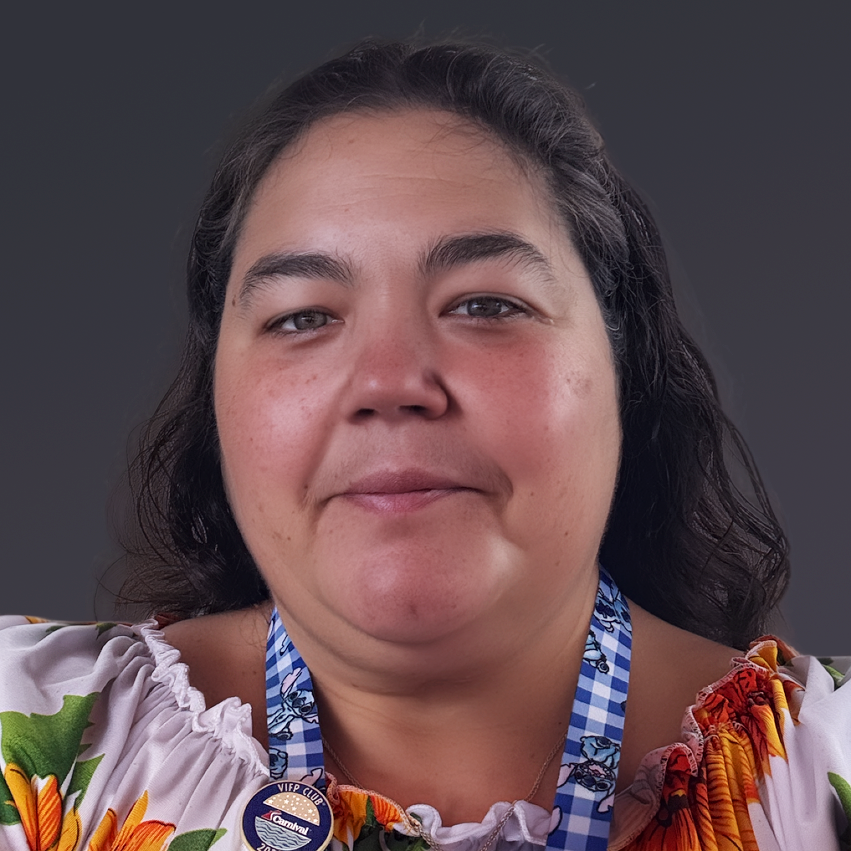
Crissy Renner holds a degree as a National Certified Medical Assistant (NCMA). She is currently working at the Orange Grove Center in the Morton J. Kent Habilitation Center with Dr. Rick Rader as his Administrative Assistant. While at her position at Orange Grove, she has accomplished becoming the Special Olympics Coordinator, a Dementia trainer, Managing Editor of HELEN, and the Executive Assistant to Project D.I.M.E.
During her time working for Orange Grove Center, she has grown in many areas and has become an integral part of Project D.I.M.E., and at Orange Grove with the inner workings of many important projects.