
Building Trust to Improve the Research Inclusion of Black and Hispanic People with Down Syndrome and Their Families
This project was funded through a Patient-Centered Outcomes Research Institute (PCORI) Eugene Washington PCORI Engagement Award (EASCS-38503-IC). The views, statements, and opinions presented in this publication are solely the responsibility of the author(s) and do not necessarily represent the views of the Patient-Centered Outcomes Research Institute® (PCORI®), its Board of Governors, or Methodology Committee.
Summary: Black and Hispanic families of children with Down syndrome (DS) often encounter cultural, linguistic, and institutional barriers in healthcare and research settings, leading to the systemic underrepresentation of their experiences and insights in research. In this community engaged project, a team of researchers composed of parents of children with DS, individuals with disabilities, and persons of color conducted in-person community conversations at the 2025 National Down Syndrome Congress Conference and a virtual session, engaging more than 70 participants in total. Participants included individuals with Down syndrome, parents, advocacy leaders, researchers, and healthcare providers.
They described the need for research about the impact of interventions to improve how diagnoses are communicated, noting the critical importance of providing parents with accurate and balanced information about Down syndrome and training clinicians to avoid disability and cultural bias. Participants also emphasized that trust in research is built through transparent communication between researchers and participants, diverse representation within research teams, accessible study design, and respect for lived experience. Families identified priorities for future research, including culturally grounded parent support, provider training in disability and cultural competence, and systemic solutions to longstanding barriers to care. Across conversations, one message was consistent, families want genuine partners in shaping clinical and research practices. This article shares their insights and offers actionable recommendations for cultivating inclusive, respectful, and trust-building experiences for Black and Hispanic families of children with DS.
Abstract
Black and Hispanic families of children with Down syndrome (DS) often encounter cultural, linguistic, and institutional barriers in healthcare and research settings, leading to the systemic underrepresentation of their experiences and insights in research. In this community engaged project, a team of researchers composed of parents of children with DS, individuals with disabilities, and persons of color conducted in-person community conversations at the 2025 National Down Syndrome Congress Conference and a virtual session, engaging more than 70 participants in total. Participants included individuals with Down syndrome, parents, advocacy leaders, researchers, and healthcare providers. They described the need for research about the impact of interventions to improve how diagnoses are communicated, noting the critical importance of providing parents with accurate and balanced information about Down syndrome and training clinicians to avoid disability and cultural bias. Participants also emphasized that trust in research is built through transparent communication between researchers and participants, diverse representation within research teams, accessible study design, and respect for lived experience. Families identified priorities for future research, including culturally grounded parent support, provider training in disability and cultural competence, and systemic solutions to longstanding barriers to care. Across conversations, one message was consistent, families want genuine partners in shaping clinical and research practices. This article shares their insights and offers actionable recommendations for cultivating inclusive, respectful, and trust-building experiences for Black and Hispanic families of children with DS.
Introduction
In our recent project, our research team set out to identify the research priorities of Black and Hispanic individuals with Down syndrome (DS) and their families and strategies to improve their engagement in research. We approached this project as a team of researchers with unique individual combinations of lived experience as parents of children with DS and other disabilities, individuals living with disabilities, and persons of color. We are not only researchers who deeply care about these communities; we also live in these communities and inherently understand how important it is for people with disabilities and caregivers to have a voice in shaping care. Many Black and Hispanic parents of children with DS share that they often do not see themselves represented in clinics, support groups, or research, even though their experiences are essential for improving care and health outcomes. We wanted to listen and learn directly from them about how to prioritize their concerns in research and how to move forward collaboratively.
How We Engaged in Open Conversations
To do this, we held a 4-hour online community conversation with 23 Black and Hispanic parents of children with Down syndrome in April 2025 to identify the comparative effectiveness research topics of greatest importance for Black and Hispanic parents receiving a DS diagnosis. Subsequently, we held a one-hour in-person community conversation with 49 parents, adults with DS, medical providers, and researchers at the 2025 National Down Syndrome Congress (NDSC) Conference in Dallas, Texas to identify what motivates Black and Hispanic parents of children with DS to participate in research, what research topics are most compelling to them, and how researchers can better engage participants. In total, more than 70 people participated in these community conversations using the World Café model to facilitate candid conversations.
As researchers who share overlapping identities and who actively participate in the NDSC, the Down Syndrome Diagnosis Network, and the Black Down Syndrome Association, we were able to build partnerships with those organizations, recruit participants, and build rapport more quickly with participants when organizing and conducting these meaningful conversations. Another priority for us was ensuring that family members and individuals with disabilities received equitable compensation to affirm their value in the project, including $125/hour in compensation for participating in the online conversation and a complimentary meal during the lunch session at the NDSC conference.
What we heard was clear, Black and Hispanic parents of children with disabilities want to be partners, not afterthoughts in research. They want communication from providers and researchers that is caring, information that is straightforward, and research that benefits their children and communities and examines the impact of social determinants of health. Many parents shared that they had faced additional barriers because of their race or ethnicity, especially when looking for support and when considering whether to join research studies. Barriers included the lack of representation in research, historic injustices and trauma surrounding research on people with disabilities and people of color. However, they also shared tremendous strength, hope, and ideas for how families and professionals can work together more effectively. This article highlights the insights from these conversations and offers practical strategies for more inclusive research that builds trust.
What Families Shared About Diagnosis and Care
One of the most emotional parts of our conversations was when parents described how they first learned about their child’s diagnosis. Families told us that:
The way a diagnosis is explained can stay with them for years. Some felt rushed, pressured, or judged, especially around reproductive decisions.
In addition to the disconnect about the Down syndrome diagnosis delivery, many did not see doctors, nurses, or genetic counselors who shared their racial or ethnic identity or who understood their cultural background.
They were often not provided with resources about Down syndrome to understand the medical issues, life outcomes, and available supports and services, and resources often did not include families who shared the same racial or ethnic identity, leaving some parents to feel isolated.
Parents said that when providers speak with empathy, take time to explain the conditions and available support services clearly, and recognize each family’s values, it makes a powerful difference. “The diagnosis doesn’t have to be traumatic,” one mother shared. “It can be a moment of connection instead.”
What Families Want Future Research to Focus On
We asked families what research topics matter most to them, and they were particularly interested in:
How early support from early intervention providers and advocacy organizations (like parent mentors who share their culture or language) affects their child’s long-term development.
How training healthcare providers in cultural and disability competence can improve the diagnosis experience and parent mental health.
How to remove barriers to care, including insurance, service navigation, and financial supports.
How communication around diagnosis, especially for Black and Hispanic families, shapes the family’s trust in the healthcare system.
How to increase racial and ethnic representation in the healthcare workforce.
One group, however, raised a powerful reminder. They shared that before meaningful research can happen, systems must build trust and invest in long-term relationships with families of color.
Learn more about the research priorities of Black and Hispanic parents of children with DS in the Research Priority Report.
Building Trust in Research: What Matters Most
Families told us they want to participate in research when it feels safe, respectful, and meaningful. Some of the most important factors they shared were:
Clear Communication
Families appreciate when researchers explain what a study is about in plain, everyday language; in the parent’s preferred language; and with no pressure. They also want to receive the results afterward in a format they can understand so that the communication channel is open and transparent.
Transparency and Purpose
Parents want to know, “How will this help my child or my community?” They want research that is with them, not just about them.
Representation
Seeing Black and Hispanic professionals involved in research, whether as team members, advisors, or featured in materials, helps families feel seen and respected.
Accessibility
Flexible scheduling, reduced travel, and support with language interpretation can make research participation feel manageable.
Respect for Lived Experience
Parents want researchers to listen to their knowledge of their own children. For many families, past experiences of discrimination, both in medicine and in society, make trust something that must be earned, not assumed. This also includes providing equitable reimbursement for time and expenses involved in participating in research.
Learn more about practical engagement strategies for research in the Research Brief: Convening to Identify Patient-Centered CER Priorities of Black and Hispanic Parents of Children with Disabilities.
How We Can Move Forward Together
From these conversations, one message stood out, families want partnership. A few ideas parents shared include:
Meeting families where they already gather, such as in churches, community events, parent groups, and cultural organizations.
Providing information in plain language and in the family’s preferred language.
Making sure people with DS are included in decisions about research in ways that work for their communication style.
Acknowledging past harms and showing genuine care and humility.
Ensuring families receive something meaningful in return, such as knowledge, support, or solutions that truly matter.
Parents also reminded us that research is not just an academic or scientific pursuit, it is a chance to create better futures for their children.
Conclusion
This project reinforced that when families are more interested in actively engaging in patient-centered comparative effectiveness research when they feel respected, heard, and represented. For caregiving, for healthcare partnerships, and for research human dignity is of paramount importance and requires an understanding of historic harms, a recognition of the most pressing community priorities, and a commitment to transparent communication. Black and Hispanic families of children with DS carry tremendous wisdom about their priorities and preferences for engagement in research, and their voices can help professionals shape approaches to research that are rooted in dignity, empathy, and shared understanding. We hope this work encourages more conversations, more collaboration, and more opportunities for families and researchers to learn from one another.
About the Authors
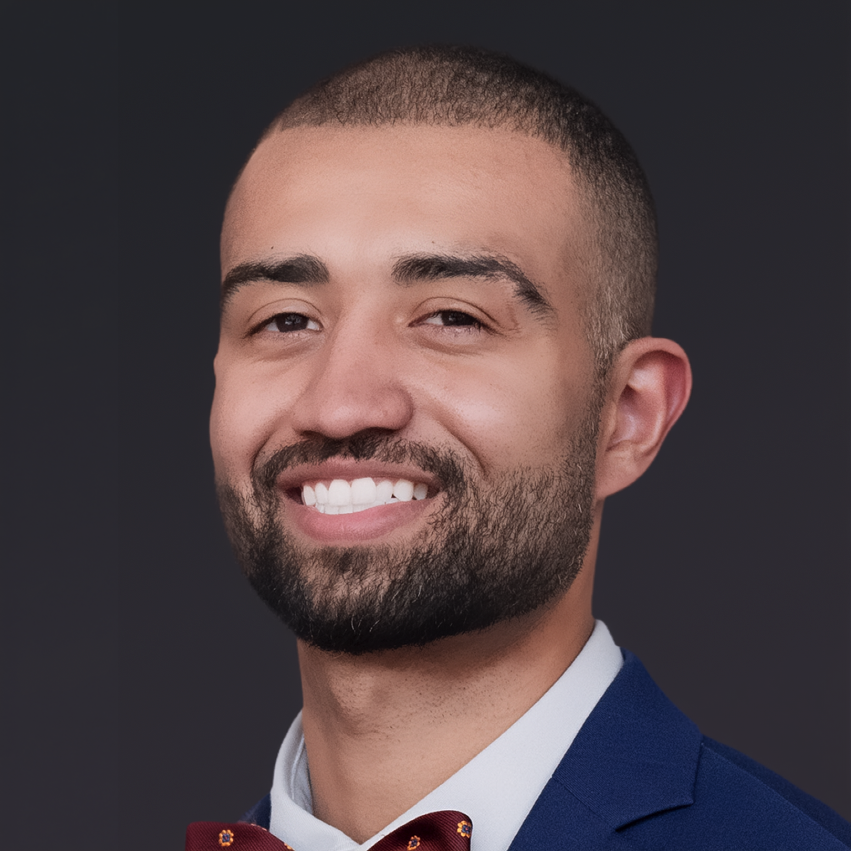
Nicholas Lamar Wright, Ph.D., is a champion of social justice, inclusion, belonging, and accessibility. Dr. Wright identifies as a multiracial (Black/White) man with a disability who graduated from the University of Louisville with a Doctor of Philosophy in Counseling and Personnel Services, with a specialization in College Student Personnel. As a scholar practitioner, Dr. Wright serves as the Assistant Vice President of Diversity at Gonzaga University and works to advance inclusive excellence.
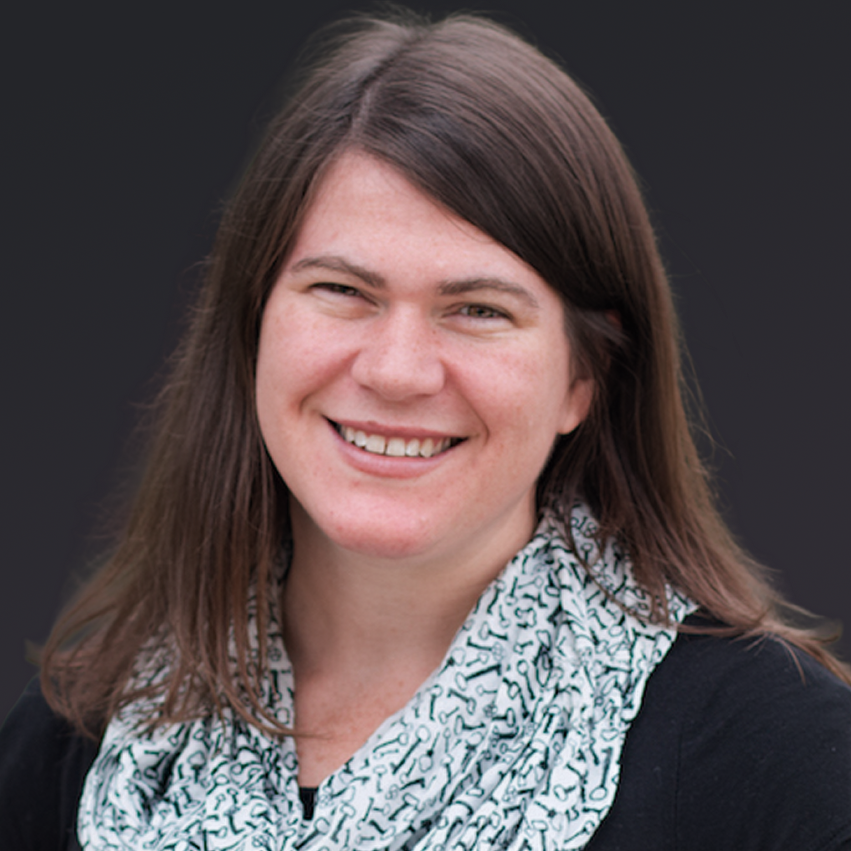
Stephanie Meredith, DrPH, is a doctor of public health with a focus on disability and health, and she works as the Director of the Lettercase National Center for Prenatal and Postnatal Resources at the Genetic Support Foundation and LEND Family Faculty at the University of Kentucky. She is also the author and co-author of numerous books about Down syndrome and other conditions. Further, she is the mom of a wonderful young adult with Down syndrome.